If you’ve been feeling “off” lately and can’t quite explain why, you’re not alone. Maybe it’s the persistent fatigue that no amount of sleep seems to fix, the stubborn weight that won’t budge despite your best efforts, or the mood swings that catch you off guard.
These experiences are incredibly common among women, and they often point to one underlying issue: hormonal imbalance.
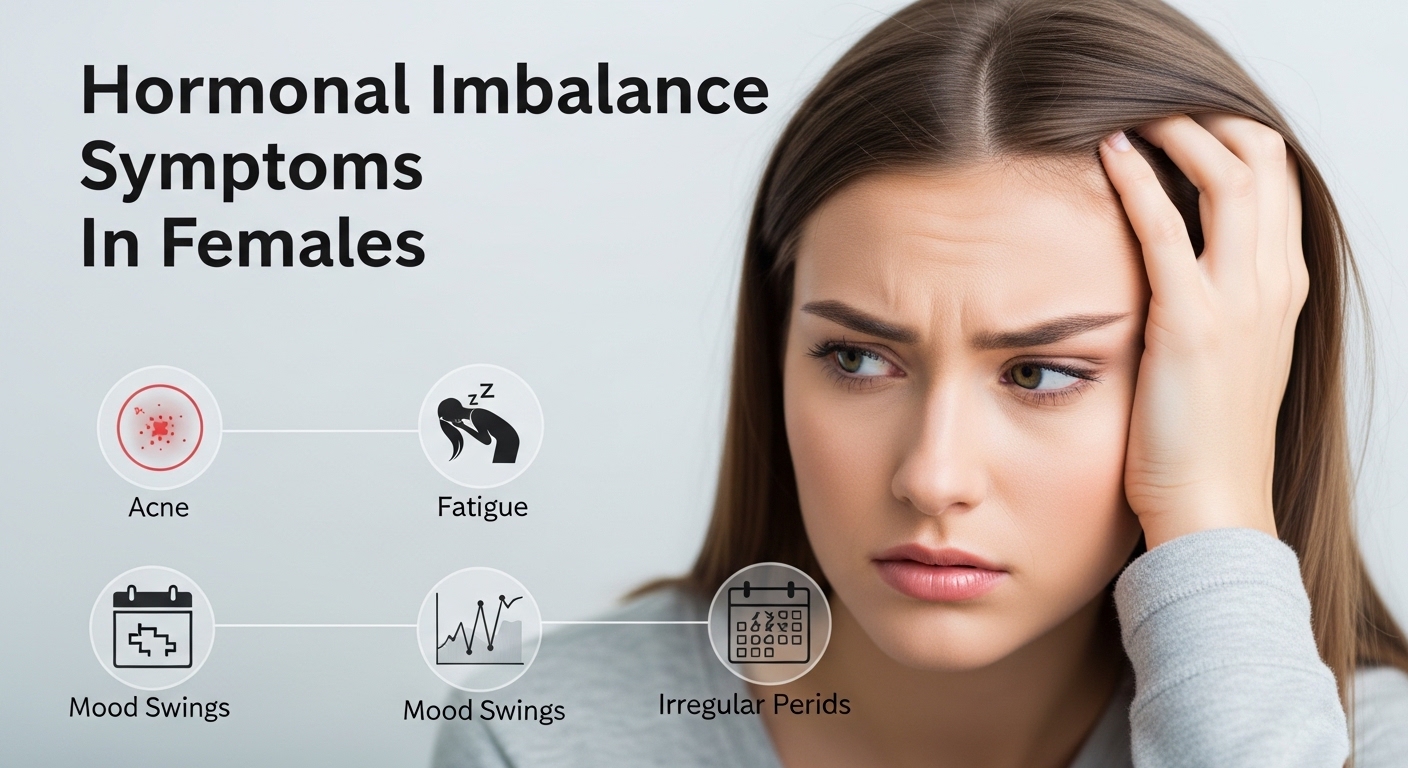
Hormonal imbalance symptoms in females include irregular periods, unexplained weight changes, chronic fatigue, mood swings, hair loss, acne, sleep disturbances, and low libido. These symptoms occur when your body produces too much or too little of key hormones like estrogen, progesterone, thyroid hormones, or cortisol.
In this comprehensive guide, I’ll walk you through the most common signs of hormonal imbalance, what causes these fluctuations, how to get properly tested, and what treatment options are available in 2026.
Whether you’re in your 30s dealing with unexplained symptoms, navigating perimenopause in your 40s, or managing menopause, understanding your hormones is the first step toward feeling like yourself again.
ContentsTable of Contents
- 1What Is Hormonal Imbalance?→
- 2Key Hormones That Affect Women’s Health→
- 3Physical Symptoms of Hormonal Imbalance→
- 4Unexplained Weight Changes→
- 5Chronic Fatigue→
- 6Skin and Hair Changes→
- 7Hot Flashes and Night Sweats→
- 8Headaches and Migraines→
- 9Reproductive and Sexual Symptoms→
- 10Irregular Periods→
- 11Low Libido→
- 12Fertility Issues→
- 13Vaginal Dryness→
- 14Emotional and Cognitive Symptoms→
- 15Mood Swings and Irritability→
- 16Anxiety and Depression→
- 17Brain Fog and Memory Issues→
- 18Sleep Disturbances→
- 19Weight and Metabolic Symptoms→
- 20Stubborn Belly Fat→
- 21Metabolic Slowdown→
- 22Blood Sugar Issues→
- 23Digestive Problems→
- 24What Causes Hormonal Imbalance in Women?→
- 25Life Stage Changes→
- 26Medical Conditions→
- 27Lifestyle Factors→
- 28Medications→
- 29How to Test for Hormonal Imbalance?→
- 30Blood Tests Your Doctor May Order→
- 31At-Home Hormone Testing Options→
- 32Everlywell Women's Health Test→
- 33Pros→
- 34Cons→
- 35Professional Lab Testing→
- 36Treatment Options for Hormonal Imbalance→
- 37Hormone Replacement Therapy (HRT)→
- 38Thyroid Medication→
- 39Birth Control Pills→
- 40Anti-Androgen Medications→
- 41Telehealth for Hormonal Conditions→
- 42Natural Ways to Support Hormone Balance→
- 43Diet Changes That May Help→
- 44Exercise Recommendations→
- 45Stress Management→
- 46Sleep Optimization→
- 47When to See a Doctor?→
- 48How to Advocate for Yourself at Appointments?→
- 49Frequently Asked Questions→
- 50How do I know if I have a hormonal imbalance?→
- 51How do I fix my hormonal imbalance?→
- 52Can hormonal imbalance cause weight gain?→
- 53Can hormonal imbalance cause anxiety?→
- 54What does a female hormone imbalance feel like?→
- 55Can I test my hormones at home?→
- 56What are the 11 signs your hormones are out of whack?→
- 57The Bottom Line→
What Is Hormonal Imbalance?
Hormonal Imbalance: A condition where your body produces too much or too little of one or more hormones, disrupting the delicate chemical balance that regulates nearly every function in your body.
Hormones are chemical messengers produced by your endocrine glands. They travel through your bloodstream, telling your organs and tissues what to do and when to do it.
According to the Cleveland Clinic, your body depends on over 50 different hormones to regulate critical functions including metabolism, heart rate, sleep cycles, reproductive cycles, sexual function, body temperature, and mood.
When even one hormone is out of balance, it can create a cascade of symptoms that affect your entire body.
The tricky part? Hormonal imbalances often feel vague and hard to pinpoint. As one woman on a menopause forum described it: “Hormonal shifts make me feel really quite unwell… I can only think to describe it as feeling ill. Poisoned.”
This hard-to-articulate feeling is exactly why so many women struggle to get proper diagnosis and treatment.
Key Hormones That Affect Women’s Health
While dozens of hormones affect your wellbeing, these are the main players in female hormonal health:
- Estrogen: Primary female sex hormone controlling menstrual cycles, bone health, and skin quality
- Progesterone: Works with estrogen to regulate periods and support pregnancy
- Testosterone: Yes, women produce it too, affecting libido, energy, and muscle mass
- Thyroid hormones (T3, T4, TSH): Control metabolism, energy, weight, and temperature regulation
- Cortisol: Your stress hormone, which affects sleep, mood, and weight distribution
- DHEA: A precursor hormone that supports energy and immune function
Physical Symptoms of Hormonal Imbalance
Physical symptoms are often the most noticeable signs that something is off with your hormones. Here’s what to watch for:
Unexplained Weight Changes
Sudden weight gain, especially around your midsection, is one of the most frustrating symptoms of hormonal imbalance.
Many women report difficulty losing weight despite strict dieting and exercise. As one Reddit user shared: “Difficulty getting weight off” was one of her primary symptoms, even when doing everything “right.”
This weight resistance often involves cortisol imbalance, thyroid dysfunction, or insulin resistance. Your metabolism may slow significantly when thyroid hormones are low, making weight management feel impossible.
Chronic Fatigue
Feeling exhausted even after a full night’s sleep is a hallmark symptom of hormonal issues.
This isn’t ordinary tiredness. It’s a bone-deep fatigue that makes getting through the day feel like an enormous effort. Thyroid imbalances, low progesterone, and cortisol dysregulation can all cause this type of persistent exhaustion.
Skin and Hair Changes
Your skin and hair are surprisingly sensitive to hormonal fluctuations:
- Jawline acne: Persistent breakouts along your chin and jawline often signal androgen imbalance. This pattern is different from teenage acne and commonly appears in women during their 30s and 40s.
- Hair loss or thinning: Seeing more hair in your brush or shower drain may indicate thyroid problems or estrogen decline.
- Excess facial or body hair (hirsutism): Dark hair growth on your face, chest, or back can signal elevated testosterone or PCOS.
- Dry, dull skin: Low estrogen often leads to decreased skin elasticity and moisture.
Hot Flashes and Night Sweats
These sudden waves of heat aren’t limited to menopause. Perimenopause can trigger hot flashes years before your periods stop.
Night sweats can severely disrupt your sleep, creating a cycle of fatigue and mood issues. They’re caused by fluctuating estrogen levels affecting your body’s temperature regulation.
Headaches and Migraines
Many women notice headaches linked to their menstrual cycle. These hormonal headaches typically occur right before or during your period when estrogen levels drop sharply.
If you’re experiencing new or worsening headaches, tracking them alongside your cycle can help identify a hormonal pattern.
Reproductive and Sexual Symptoms
Your reproductive system is directly controlled by hormones, making it one of the first areas to show signs of imbalance.
Irregular Periods
Your menstrual cycle is a monthly report card on your hormonal health. Irregularities to watch for include:
- Missed periods: Skipping periods (when not pregnant) may indicate PCOS, thyroid issues, or premature ovarian insufficiency
- Heavy periods: Soaking through a pad or tampon every hour signals possible estrogen dominance or fibroids
- Painful periods: Severe cramping beyond normal discomfort can indicate endometriosis or hormonal imbalance
- Spotting between periods: Unexpected bleeding may signal progesterone deficiency
- Cycle length changes: Periods that suddenly become much shorter or longer indicate shifting hormone patterns
A normal cycle ranges from 21 to 35 days. If yours consistently falls outside this range, or varies by more than 7-9 days month to month, it’s worth investigating.
Low Libido
A decreased interest in sex affects many women with hormonal imbalances. This isn’t just about “being tired” – it’s a physiological response to changing hormone levels.
Low testosterone and low estrogen both contribute to decreased sexual desire. Vaginal dryness from low estrogen can also make sex uncomfortable, further reducing interest.
Fertility Issues
If you’re trying to conceive, hormonal imbalances can make it more difficult. PCOS is one of the most common hormonal causes of infertility, affecting ovulation.
Low progesterone can make it harder to maintain early pregnancy, while thyroid dysfunction can prevent ovulation entirely.
Vaginal Dryness
Declining estrogen leads to decreased vaginal lubrication, causing discomfort during sex and increased risk of urinary tract infections.
This symptom often appears during perimenopause and menopause but can affect younger women with low estrogen levels as well.
Emotional and Cognitive Symptoms
Hormones don’t just affect your body – they profoundly impact your brain and emotional wellbeing.
Mood Swings and Irritability
Feeling like you’re on an emotional rollercoaster? Hormonal fluctuations can trigger intense mood swings that feel out of your control.
One Reddit user described experiencing “insane/irrational mood swings for one day during the week before my period.” Sound familiar?
Estrogen and progesterone influence neurotransmitters like serotonin and dopamine, which regulate mood. When these hormones fluctuate, your emotional stability can suffer.
Anxiety and Depression
Hormonal imbalances can trigger or worsen anxiety and depression. This is particularly common during:
- The premenstrual phase (PMDD)
- Postpartum period
- Perimenopause and menopause
- Thyroid dysfunction
If you’re experiencing persistent anxiety or depression, it’s worth asking your doctor to check your hormone levels alongside mental health treatment.
Brain Fog and Memory Issues
Struggling to concentrate? Forgetting words mid-sentence? Walking into a room and blanking on why you’re there?
Brain fog is one of the most commonly reported symptoms in perimenopause forums, yet it’s often overlooked by healthcare providers.
Estrogen supports cognitive function, so declining levels can affect memory, focus, and mental clarity. Thyroid imbalances also significantly impact cognitive performance.
Sleep Disturbances
Hormonal imbalances disrupt sleep in multiple ways:
- Trouble falling asleep
- Waking frequently during the night
- Night sweats disrupting sleep
- Early morning waking
- Feeling unrefreshed despite adequate sleep hours
Progesterone has calming effects and promotes sleep. When levels drop, insomnia often follows. High cortisol from chronic stress keeps your body in alert mode, making restful sleep difficult.
Weight and Metabolic Symptoms
Your metabolism is heavily regulated by hormones. When they’re imbalanced, your weight and energy levels suffer.
Stubborn Belly Fat
Cortisol imbalance specifically promotes fat storage around your midsection. This visceral fat is not only frustrating aesthetically but also increases health risks.
Many women find that despite eating well and exercising, belly fat refuses to budge when hormones are involved.
Metabolic Slowdown
Low thyroid function slows your entire metabolism. You may notice:
- Feeling cold all the time
- Constipation
- Slow heart rate
- Weight gain with no change in diet
- Dry skin and brittle nails
Blood Sugar Issues
Insulin resistance often accompanies hormonal imbalances, particularly PCOS. You may experience energy crashes, intense sugar cravings, and difficulty maintaining stable energy throughout the day.
Digestive Problems
Hormonal fluctuations can cause bloating, constipation, diarrhea, and abdominal discomfort. Many women notice digestive symptoms worsen around their period.
Yes, hormonal imbalance can cause abdominal pain. Estrogen and progesterone fluctuations affect gut motility and can trigger cramping and bloating beyond typical menstrual symptoms.
What Causes Hormonal Imbalance in Women?
Understanding the root cause of your hormonal imbalance is essential for effective treatment. Here are the most common causes:
Life Stage Changes
Hormonal shifts are natural during certain life phases:
- Puberty: Hormones fluctuate as your body matures
- Pregnancy and postpartum: Dramatic hormonal changes occur during and after pregnancy
- Perimenopause: The transition to menopause (typically ages 40-50) causes fluctuating estrogen and progesterone
- Menopause: Permanent decline in estrogen and progesterone production
Medical Conditions
Several conditions commonly cause hormonal imbalances:
- Polycystic Ovary Syndrome (PCOS): Affects up to 10% of women, causing elevated androgens and insulin resistance
- Hypothyroidism: Underactive thyroid slows metabolism and affects energy
- Hyperthyroidism: Overactive thyroid accelerates metabolism and can cause anxiety
- Hashimoto’s disease: Autoimmune thyroid condition
- Diabetes: Insulin and blood sugar imbalances
- Cushing’s syndrome: Excess cortisol production
- Addison’s disease: Insufficient cortisol production
Lifestyle Factors
Your daily habits significantly impact hormone balance:
- Chronic stress: Prolonged stress elevates cortisol, disrupting other hormones
- Poor sleep: Sleep deprivation affects cortisol, insulin, and growth hormone
- Unhealthy diet: Excess sugar and processed foods impact insulin and inflammation
- Sedentary lifestyle: Lack of exercise affects insulin sensitivity and stress hormones
- Excess alcohol: Disrupts estrogen metabolism
- Environmental toxins: Endocrine-disrupting chemicals in plastics and products can interfere with hormones
Medications
Certain medications can affect hormone levels:
- Hormonal birth control
- Hormone replacement therapy
- Steroids
- Some psychiatric medications
How to Test for Hormonal Imbalance?
If you suspect a hormonal imbalance, proper testing is essential. Here’s what you need to know about your options.
Blood Tests Your Doctor May Order
The most common hormone tests include:
- Estradiol (E2): Measures estrogen levels
- Progesterone: Usually tested on day 21 of your cycle
- FSH and LH: Assess ovarian function and fertility
- TSH, Free T3, Free T4: Evaluate thyroid function
- Testosterone: Checks for elevated androgens (PCOS) or deficiency
- Cortisol: Measures stress hormone levels
- DHEA-S: Assesses adrenal function
- Hemoglobin A1C and fasting insulin: Evaluate blood sugar regulation
Timing matters for accurate results. Sex hormones should be tested at specific points in your menstrual cycle, and cortisol is typically tested in the morning when levels peak.
At-Home Hormone Testing Options
If you want to check your hormone levels before visiting a doctor, or if you’ve had trouble getting your provider to order comprehensive testing, at-home tests offer a convenient starting point.
Pro Tip: At-home hormone tests are screening tools, not diagnostic tests. They can help identify potential imbalances, but you’ll still need to work with a healthcare provider for diagnosis and treatment.
At-home lab test measuring 11 key biomarkers including estrogen, progesterone, testosterone, thyroid hormones, and cortisol.
Tests both blood (finger prick) and saliva samples for comprehensive hormone assessment.
Results are reviewed by a physician and include personalized lifestyle recommendations.
Pros
- Comprehensive 11-biomarker panel
- Tests both blood and saliva hormones
- Cortisol tested 4 times throughout day
- Thyroid antibodies included
- CLIA-certified labs
- FSA/HSA accepted
Cons
- Higher price point ($249)
- Requires both blood prick and saliva samples
- Not a diagnostic test - for wellness monitoring
This post contains affiliate links. If you purchase through them, we may earn a commission (at no extra cost to you).
Everlywell’s Women’s Health Test is the most comprehensive at-home option I’ve found. It measures 11 biomarkers including estradiol, progesterone, testosterone, cortisol (tested 4 times throughout the day), and a full thyroid panel.
The test uses both finger-prick blood samples and saliva collection. Results typically arrive within a few days and include physician review plus lifestyle recommendations.
Best for: Women wanting comprehensive hormone screening including thyroid and stress hormones.
Skip if: You’re looking for a quick single-hormone test or have a tight budget.
Professional Lab Testing
If you prefer professional blood draw, Labcorp OnDemand offers hormone testing without requiring a doctor’s order. Their Female Hormone Panel ranges from $49-$139 depending on which hormones you test.
You’ll visit a local Labcorp location for the blood draw and receive results in 1-2 days through an online portal.
Best for: Women who prefer professional blood draw and want quick results.
Skip if: You want to test entirely from home.
Treatment Options for Hormonal Imbalance
Treatment depends on which hormones are imbalanced and the underlying cause. Here are the main options:
Hormone Replacement Therapy (HRT)
For menopausal symptoms, HRT replaces declining estrogen and progesterone. Options include:
- Oral pills
- Skin patches
- Topical creams and gels
- Vaginal rings or creams (for local symptoms)
HRT effectively treats hot flashes, night sweats, vaginal dryness, and bone loss. Discuss the benefits and risks with your healthcare provider.
Thyroid Medication
Hypothyroidism is typically treated with synthetic thyroid hormone (levothyroxine). Once your dose is optimized, many symptoms resolve within weeks.
Birth Control Pills
Hormonal birth control can regulate periods, reduce acne, and manage PCOS symptoms. It works by providing steady hormone levels rather than the natural fluctuations.
Anti-Androgen Medications
For elevated testosterone (often seen in PCOS), medications like spironolactone can help with acne and excess hair growth.
Telehealth for Hormonal Conditions
If you’ve struggled to find a provider who takes your symptoms seriously, telehealth options specializing in hormonal health may help.
Allara Health is a telehealth program specifically designed for women with PCOS and other hormonal conditions. They offer personalized treatment plans with ongoing support from specialists who understand these complex conditions.
Best for: Women with diagnosed hormonal conditions like PCOS seeking ongoing specialized care.
Natural Ways to Support Hormone Balance
Lifestyle changes can significantly support hormone balance, whether used alone or alongside medical treatment.
Diet Changes That May Help
- Eat adequate protein: Supports hormone production and blood sugar stability
- Include healthy fats: Omega-3s from fish, avocado, and olive oil support hormone synthesis
- Increase fiber intake: Helps eliminate excess estrogen
- Reduce sugar and refined carbs: Supports insulin balance
- Limit alcohol: Excess alcohol disrupts estrogen metabolism
- Consider cruciferous vegetables: May support healthy estrogen metabolism
Exercise Recommendations
Regular physical activity helps regulate insulin, reduce cortisol, and improve overall hormone balance. Research suggests a combination of:
- Strength training (2-3 times per week)
- Moderate cardio (150 minutes per week)
- Stress-reducing activities like yoga or walking
Stress Management
Chronic stress keeps cortisol elevated, disrupting your entire hormonal system. Effective stress management strategies include:
- Meditation or deep breathing exercises
- Regular physical activity
- Adequate sleep
- Setting boundaries
- Spending time in nature
Sleep Optimization
Poor sleep directly impacts hormone balance. Aim for 7-9 hours nightly and prioritize:
- Consistent sleep and wake times
- Cool, dark bedroom environment
- Limiting screens before bed
- Avoiding caffeine after noon
When to See a Doctor?
While some hormonal fluctuations are normal, certain symptoms warrant medical attention.
See your doctor if you experience:
- Periods that have stopped for 3+ months (and you’re not pregnant)
- Very heavy bleeding (soaking through a pad/tampon hourly)
- Severe mood changes affecting daily life
- Persistent fatigue despite adequate sleep
- Rapid, unexplained weight changes
- Significant hair loss
- Symptoms interfering with work, relationships, or quality of life
How to Advocate for Yourself at Appointments?
Many women report feeling dismissed when discussing hormonal symptoms with doctors. Here’s how to improve your experience:
- Track your symptoms: Keep a log of symptoms, when they occur, and how severe they are
- Be specific: Instead of saying “I’m tired,” explain “I sleep 8 hours but still can’t function by afternoon”
- Request specific tests: Ask for comprehensive hormone panels, not just TSH
- Bring research: If your doctor dismisses concerns, bring credible sources
- Get a second opinion: If you’re not being heard, find another provider
Your symptoms are real. Don’t let anyone convince you otherwise.
Frequently Asked Questions
How do I know if I have a hormonal imbalance?
Common signs include irregular periods, unexplained weight changes, persistent fatigue, mood swings, acne (especially along the jawline), hair loss or excess hair growth, sleep problems, and low libido. If you’re experiencing several of these symptoms together, hormonal imbalance may be the cause. Blood tests can confirm which hormones are affected.
How do I fix my hormonal imbalance?
Treatment depends on which hormones are imbalanced. Options include lifestyle changes (diet, exercise, stress management, sleep), hormone replacement therapy for menopause, thyroid medication for thyroid disorders, birth control pills to regulate cycles, and anti-androgen medications for elevated testosterone. Many women benefit from a combination of medical treatment and lifestyle modifications.
Can hormonal imbalance cause weight gain?
Yes, hormonal imbalances frequently cause weight gain. Low thyroid hormones slow metabolism, elevated cortisol promotes belly fat storage, insulin resistance makes weight loss difficult, and declining estrogen during menopause changes fat distribution. Many women find weight loss challenging until the underlying hormonal issue is addressed.
Can hormonal imbalance cause anxiety?
Yes, hormones significantly affect mood and anxiety levels. Fluctuating estrogen and progesterone influence neurotransmitters like serotonin. Thyroid imbalances commonly cause anxiety symptoms. High cortisol from chronic stress also triggers anxiety. If you’re experiencing new or worsening anxiety, asking your doctor to check hormone levels is worthwhile.
What does a female hormone imbalance feel like?
Many women describe feeling ‘off’ or ‘not like themselves.’ Symptoms can include PMS-like feelings that persist throughout the month, intense mood swings, bone-deep fatigue, brain fog, unexplained weight changes, and feeling like your body is working against you. One forum user described it as ‘feeling ill, poisoned, vile’ during hormonal shifts.
Can I test my hormones at home?
Yes, at-home hormone tests like Everlywell Women’s Health Test can measure key hormones including estrogen, progesterone, testosterone, thyroid hormones, and cortisol. These tests use finger-prick blood samples and saliva. Results are reviewed by physicians. However, at-home tests are screening tools; you’ll still need a healthcare provider for diagnosis and treatment.
What are the 11 signs your hormones are out of whack?
Common signs include: 1) Irregular periods 2) Hot flashes or night sweats 3) Persistent weight changes 4) Hair loss or excess hair growth 5) Acne 6) Mood swings or anxiety 7) Fatigue 8) Sleep problems 9) Brain fog 10) Low libido 11) Digestive issues. Not everyone experiences all symptoms, and severity varies.
The Bottom Line
Hormonal imbalances are incredibly common among women, and the symptoms are very real – even when they’re hard to describe.
If you’ve been feeling off, experiencing unexplained symptoms, or sensing that something isn’t right with your body, trust yourself. Track your symptoms, request comprehensive hormone testing, and don’t accept being dismissed.
Whether your imbalance stems from perimenopause, thyroid dysfunction, PCOS, or chronic stress, effective treatments exist. The first step is identifying which hormones are affected through proper testing.
In 2026, you have more options than ever – from comprehensive at-home testing to telehealth providers who specialize in hormonal conditions. You don’t have to figure this out alone.
Disclaimer: This content is for informational purposes only and does not constitute medical advice. Always consult a licensed healthcare provider for diagnosis and personalized treatment recommendations. Symptoms described may indicate various conditions and require proper evaluation by a qualified medical professional.