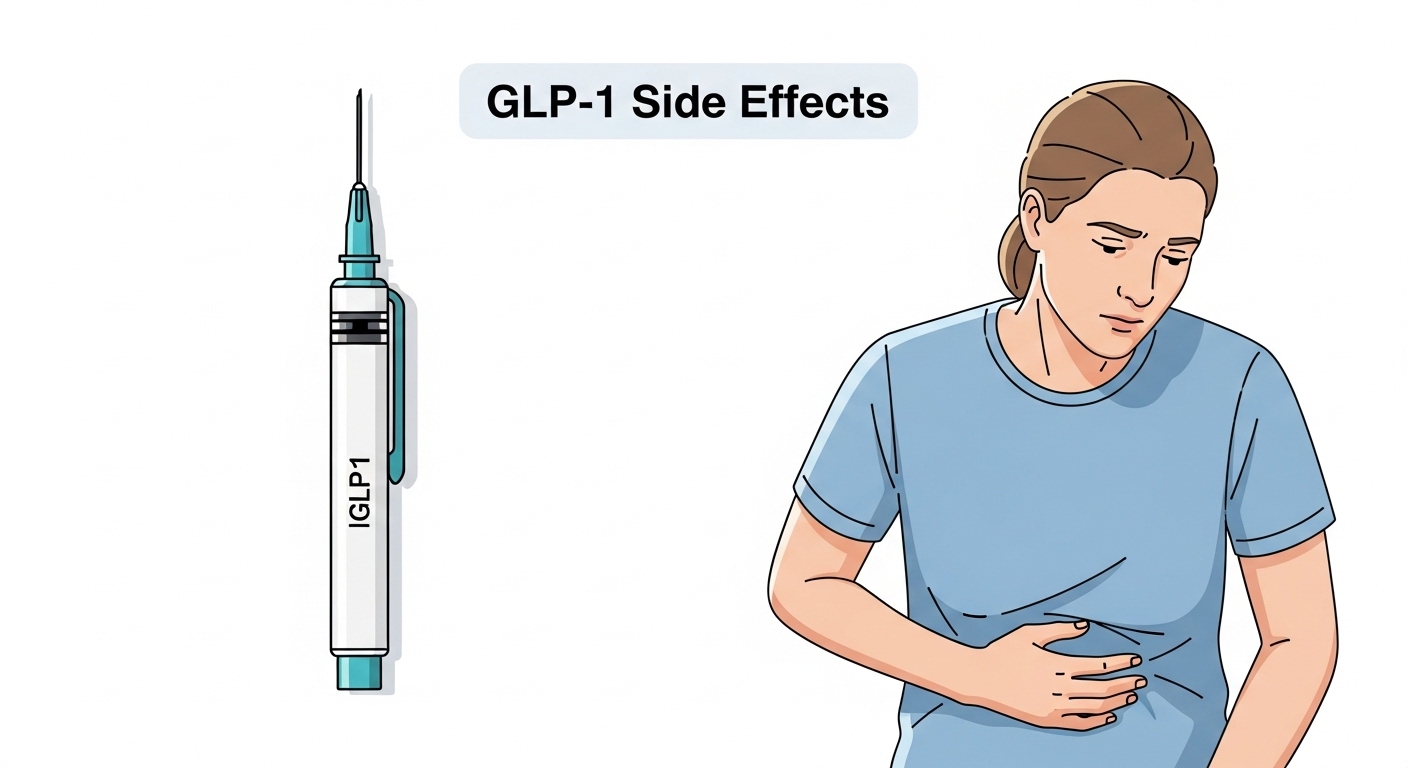
If you’re taking or considering a GLP-1 medication like Ozempic, Wegovy, or Mounjaro, you’re probably wondering what side effects to expect.
The most common GLP-1 side effects are gastrointestinal symptoms including nausea, vomiting, diarrhea, and constipation. These affect up to 50% of users but typically improve within 4-8 weeks as your body adjusts to the medication.
I’ve spent weeks researching clinical data, medical literature, and real patient experiences to create this comprehensive guide. Here’s everything you need to know about GLP-1 side effects in 2026, including when they start, how long they last, and what you can do to manage them.
ContentsTable of Contents
- 1What Are GLP-1 Medications?→
- 2Current GLP-1 Medications Available in 2026→
- 3How GLP-1 Medications Work (And Why Side Effects Occur)?→
- 4Common Side Effects of GLP-1 Medications→
- 5Gastrointestinal Side Effects→
- 6Other Common Side Effects→
- 7When Do GLP-1 Side Effects Start and How Long Do They Last?→
- 8GLP-1 Side Effects Timeline→
- 9Serious Side Effects and Warning Signs→
- 10Pancreatitis→
- 11Thyroid Tumors and Cancer→
- 12Gallbladder Problems→
- 13Kidney Problems→
- 14Severe Allergic Reactions→
- 15Diabetic Retinopathy Complications→
- 16Side Effects by GLP-1 Medication→
- 17Ozempic Face and Other Cosmetic Changes→
- 18What Is Ozempic Face?→
- 19Hair Loss→
- 20Muscle Loss→
- 21How to Manage and Minimize GLP-1 Side Effects?→
- 228 Tips for Managing GLP-1 Side Effects→
- 23Managing Specific Symptoms→
- 24Long-Term Safety Considerations→
- 25What Research Shows→
- 26Ongoing Concerns Being Studied→
- 27Who Should Not Take GLP-1 Medications?→
- 28Frequently Asked Questions→
- 29What are the most common side effects of GLP-1?→
- 30What are the long-term side effects of GLP-1?→
- 31Who should not take a GLP-1?→
- 32What happens when you stop taking GLP-1 for weight loss?→
- 33How quickly do you feel side effects from GLP-1?→
- 34Which GLP-1 has the least side effects?→
- 35Why do so many people quit Ozempic?→
- 36Does Ozempic cause hair loss?→
- 37Final Thoughts on GLP-1 Side Effects→
What Are GLP-1 Medications?
GLP-1 medications (glucagon-like peptide-1 receptor agonists) are a class of drugs that mimic a naturally occurring hormone in your body. They’re FDA-approved for treating type 2 diabetes and, in some formulations, chronic weight management.
These medications have become increasingly popular for weight loss, with millions of prescriptions written each year.
Current GLP-1 Medications Available in 2026
| Brand Name | Generic Name | FDA-Approved For | How Taken |
|---|---|---|---|
| Ozempic | Semaglutide | Type 2 Diabetes | Weekly injection |
| Wegovy | Semaglutide | Weight Loss | Weekly injection |
| Mounjaro | Tirzepatide | Type 2 Diabetes | Weekly injection |
| Zepbound | Tirzepatide | Weight Loss | Weekly injection |
| Rybelsus | Semaglutide | Type 2 Diabetes | Daily oral pill |
| Saxenda | Liraglutide | Weight Loss | Daily injection |
| Victoza | Liraglutide | Type 2 Diabetes | Daily injection |
| Trulicity | Dulaglutide | Type 2 Diabetes | Weekly injection |
How GLP-1 Medications Work (And Why Side Effects Occur)?
Understanding how GLP-1 medications work helps explain why certain side effects happen.
GLP-1 drugs mimic the natural GLP-1 hormone your body produces after eating. They work through three main mechanisms:
- Slow stomach emptying: Food stays in your stomach longer, helping you feel full. This same mechanism causes most gastrointestinal side effects.
- Reduce appetite: The medication signals your brain to decrease hunger. This can sometimes lead to food aversions or changes in taste.
- Increase insulin release: When blood sugar rises, the medication triggers insulin production. This can occasionally cause low blood sugar in some patients.
The bottom line is that the same mechanisms making GLP-1 medications effective for weight loss and blood sugar control are also responsible for most side effects.
Common Side Effects of GLP-1 Medications
The most common side effects of GLP-1 medications are gastrointestinal (GI) symptoms. According to clinical studies, up to 50% of users experience at least one GI side effect.
Gastrointestinal Side Effects
- Nausea: The most frequently reported side effect, affecting 20-50% of users. Often described as a persistent queasy feeling, especially after eating.
- Vomiting: Occurs in approximately 5-15% of users, typically when nausea becomes severe or after eating too quickly.
- Diarrhea: Affects 10-20% of users. Usually occurs during the first few weeks of treatment or after dose increases.
- Constipation: Reported by 10-15% of users. May be related to reduced food intake and slower digestion.
- Abdominal pain: Stomach discomfort or cramping affects approximately 5-10% of users.
- Bloating and gas: Common, especially during the adjustment period.
- Heartburn/acid reflux: Some users experience increased GERD symptoms.
Other Common Side Effects
- Decreased appetite: While often the desired effect, some users find it becomes too extreme.
- Fatigue: Low energy levels, especially during the first few weeks of treatment.
- Headaches: Mild to moderate headaches are commonly reported.
- Dizziness: Light-headedness, particularly when standing quickly.
- Injection site reactions: Redness, itching, or mild pain at the injection site for injectable formulations.
Good News: For most people, these common side effects are mild to moderate and improve significantly within the first 4-8 weeks of treatment.
When Do GLP-1 Side Effects Start and How Long Do They Last?
Side effects typically begin within the first few days to one week of starting a GLP-1 medication. Based on our research and clinical data, here’s what to expect:
GLP-1 Side Effects Timeline
| Timeframe | What to Expect |
|---|---|
| Days 1-3 | Mild nausea may begin; reduced appetite often noticeable |
| Week 1-2 | Side effects typically peak; nausea and GI symptoms most intense |
| Weeks 3-4 | Many users report side effects starting to improve |
| Weeks 4-8 | Significant improvement for most; body adjusting to medication |
| After dose increase | Side effects may temporarily return or worsen for 1-2 weeks |
| Long-term (3+ months) | Most users tolerate the medication well; some have persistent mild symptoms |
Worth noting: Side effects often return temporarily when your dose increases. The standard dose titration schedule gradually increases dosage every 4 weeks, so you may experience waves of side effects throughout the first few months.
According to forum discussions on Reddit and patient communities, many users report their worst side effects during weeks 1-2 and again when reaching maintenance doses.
Serious Side Effects and Warning Signs
While most GLP-1 side effects are manageable, some rare but serious side effects require immediate medical attention.
Pancreatitis
Inflammation of the pancreas is a rare but serious potential side effect of GLP-1 medications.
Seek immediate medical care if you experience:
- Severe abdominal pain that doesn’t go away (especially pain radiating to your back)
- Severe nausea and vomiting that won’t stop
- Fever with abdominal symptoms
Thyroid Tumors and Cancer
GLP-1 medications carry a boxed warning about thyroid C-cell tumors. In animal studies, these medications caused thyroid tumors in rodents. While this hasn’t been confirmed in humans, the FDA requires this warning.
Warning signs to watch for:
- A lump or swelling in your neck
- Difficulty swallowing
- Hoarseness that doesn’t go away
- Shortness of breath
Gallbladder Problems
Rapid weight loss can increase the risk of gallstones. GLP-1 users may have higher rates of gallbladder disease.
Symptoms of gallbladder problems:
- Severe pain in the upper right abdomen
- Pain after eating fatty foods
- Nausea and vomiting with abdominal pain
- Yellowing of skin or eyes (jaundice)
Kidney Problems
Dehydration from vomiting and diarrhea can lead to kidney injury. According to discussions among medical professionals, acute kidney injury (AKI) from dehydration is one of the more common serious complications they see.
Signs of kidney problems:
- Decreased urination
- Dark-colored urine
- Swelling in legs, ankles, or feet
- Unusual fatigue
Severe Allergic Reactions
Though rare, serious allergic reactions can occur.
Seek emergency care for:
- Difficulty breathing or swallowing
- Severe rash or hives
- Swelling of face, lips, tongue, or throat
- Rapid heartbeat with other symptoms
Diabetic Retinopathy Complications
For people with type 2 diabetes and existing eye problems, rapid blood sugar improvement may temporarily worsen diabetic retinopathy.
Side Effects by GLP-1 Medication
Different GLP-1 medications may have slightly different side effect profiles. Based on clinical trial data, here’s how they compare:
| Medication | Nausea Rate | Vomiting Rate | Diarrhea Rate | Notable Differences |
|---|---|---|---|---|
| Ozempic/Wegovy (semaglutide) | 20-44% | 5-24% | 8-30% | Most studied; standard side effect profile |
| Mounjaro/Zepbound (tirzepatide) | 12-33% | 5-12% | 12-23% | Some users report milder GI effects; dual mechanism |
| Saxenda/Victoza (liraglutide) | 39% | 16% | 21% | Daily dosing may cause more consistent symptoms |
| Trulicity (dulaglutide) | 12-21% | 6-13% | 8-12% | May have lower GI side effect rates |
| Rybelsus (oral semaglutide) | 16-20% | 5-8% | 5-9% | Oral form; must take on empty stomach |
Important: Individual responses vary significantly. Some people tolerate semaglutide well but struggle with tirzepatide, and vice versa. If one medication causes intolerable side effects, your healthcare provider may suggest trying a different GLP-1.
Ozempic Face and Other Cosmetic Changes
You may have heard the term “Ozempic face” in media coverage. This refers to facial changes some people experience during significant weight loss on GLP-1 medications.
What Is Ozempic Face?
Ozempic face describes the gaunt, aged appearance that can result from rapid facial fat loss. When you lose weight quickly, you lose fat throughout your body, including in your face. This can cause:
- Sunken or hollow cheeks
- More visible wrinkles
- Sagging skin around the jawline
- An overall “deflated” appearance
This isn’t unique to GLP-1 medications. Any significant weight loss can cause similar changes. However, the rapid weight loss associated with these medications may make it more noticeable.
Hair Loss
Hair loss is another side effect that users frequently report in online communities, though it receives less attention in clinical literature.
The hair loss associated with GLP-1 medications is likely telogen effluvium, a temporary condition triggered by rapid weight loss, nutritional changes, or physical stress. Based on forum discussions, this concern is more common than clinical trial data suggests.
Muscle Loss
Rapid weight loss from any cause can include muscle loss alongside fat loss. Medical professionals have expressed particular concern about sarcopenia (muscle wasting) in older patients using GLP-1 medications.
Maintaining adequate protein intake and incorporating resistance training can help preserve muscle mass during weight loss.
How to Manage and Minimize GLP-1 Side Effects?
Here are evidence-based strategies to help reduce GLP-1 side effects:
8 Tips for Managing GLP-1 Side Effects
- Follow the dose titration schedule: Don’t rush to higher doses. The gradual increase allows your body to adjust. Slower titration often means milder side effects.
- Eat smaller, more frequent meals: Large meals can worsen nausea. Try 4-6 small meals instead of 3 large ones.
- Stay hydrated: Drink plenty of water throughout the day. Dehydration from vomiting or diarrhea can lead to serious complications.
- Avoid trigger foods: Fatty, fried, and greasy foods often worsen GI symptoms. Spicy and acidic foods may also cause problems.
- Eat slowly: Taking time to eat and chewing thoroughly can reduce nausea and bloating.
- Keep a food diary: Track what you eat and any symptoms to identify your personal triggers.
- Take medication as directed: For injectable forms, proper injection technique matters. For Rybelsus, take on an empty stomach with a small sip of water.
- Prioritize protein: Getting enough protein helps maintain muscle mass and may reduce some side effects.
Managing Specific Symptoms
For nausea:
- Eat bland foods (crackers, toast, rice)
- Try ginger tea or ginger supplements
- Avoid lying down right after eating
- Get fresh air when feeling nauseous
For constipation:
- Increase fiber intake gradually
- Drink more water
- Stay physically active
- Consider a fiber supplement if needed
Long-Term Safety Considerations
Since GLP-1 medications for weight loss are relatively new, long-term safety data is still being collected. Here’s what we know so far:
What Research Shows
GLP-1 medications for diabetes have been used for over 15 years with a generally positive safety profile. The weight loss formulations (Wegovy, Zepbound) have less long-term data but are chemically similar to their diabetes counterparts.
Ongoing Concerns Being Studied
- Thyroid cancer risk: Long-term studies continue to monitor this concern from animal studies.
- Cardiovascular effects: Some studies suggest cardiovascular benefits; others are investigating potential concerns.
- Mental health effects: Some users report mood changes, depression, or anxiety. Research is ongoing.
- Effects after stopping: Many users regain weight after discontinuation. Long-term implications are being studied.
Clinical studies suggest GLP-1 medications are generally safe for long-term use, but ongoing monitoring by your healthcare provider is important.
Who Should Not Take GLP-1 Medications?
GLP-1 medications are not appropriate for everyone. You should not take these medications if you have:
- Personal or family history of medullary thyroid carcinoma (MTC)
- Multiple Endocrine Neoplasia syndrome type 2 (MEN 2)
- History of pancreatitis
- Severe gastrointestinal disease (gastroparesis, inflammatory bowel disease)
- Known allergy to the medication or its ingredients
- Pregnancy or planning to become pregnant (stop medication at least 2 months before conception)
- Breastfeeding
Use with caution if you have:
- History of gallbladder disease
- Kidney problems
- Diabetic retinopathy
- Depression or suicidal thoughts
Always disclose your complete medical history to your healthcare provider.
Frequently Asked Questions
What are the most common side effects of GLP-1?
The most common side effects are gastrointestinal symptoms: nausea (affecting 20-50% of users), vomiting (5-15%), diarrhea (10-20%), and constipation (10-15%). Other common side effects include decreased appetite, fatigue, headaches, and dizziness. These typically improve within 4-8 weeks.
What are the long-term side effects of GLP-1?
Long-term side effects are still being studied since weight-loss formulations are relatively new. Known concerns include potential thyroid tumor risk (from animal studies), gallbladder disease, and ongoing GI symptoms in some users. Some patients report hair thinning or muscle loss with prolonged use. Long-term cardiovascular effects appear positive based on current research.
Who should not take a GLP-1?
People with personal or family history of medullary thyroid cancer, MEN 2 syndrome, history of pancreatitis, severe GI disease like gastroparesis, or allergies to these medications should not take GLP-1s. Pregnant and breastfeeding women should also avoid them. Those with kidney disease, gallbladder problems, or diabetic retinopathy should use caution.
What happens when you stop taking GLP-1 for weight loss?
Most people regain some or all of the weight lost after stopping GLP-1 medications. Studies show weight regain typically begins within weeks of discontinuation. Appetite and hunger signals return to pre-medication levels. This is why many healthcare providers recommend GLP-1s as long-term therapy rather than short-term treatment.
How quickly do you feel side effects from GLP-1?
Most people begin experiencing side effects within the first few days to one week of starting treatment. Side effects typically peak during weeks 1-2, then gradually improve over weeks 3-8. Side effects may temporarily return or worsen after each dose increase, usually lasting 1-2 weeks before improving.
Which GLP-1 has the least side effects?
Based on clinical trial data, Trulicity (dulaglutide) tends to have lower rates of GI side effects. Some users also report tirzepatide (Mounjaro, Zepbound) is more tolerable than semaglutide (Ozempic, Wegovy). However, individual responses vary significantly. If one medication causes problems, switching to another GLP-1 may help.
Why do so many people quit Ozempic?
The main reasons people discontinue GLP-1 medications are: severe GI side effects (nausea, vomiting) affecting quality of life, cost and insurance issues, supply shortages, achieving weight loss goals and wanting to stop, or developing intolerable side effects at higher doses. Studies suggest 30-40% of patients discontinue within the first year.
Does Ozempic cause hair loss?
Hair loss is reported by users in online communities more often than clinical trial data suggests. This is likely telogen effluvium, a temporary hair shedding condition triggered by rapid weight loss, nutritional changes, or physical stress. Hair typically regrows once weight stabilizes and nutrition improves. Ensuring adequate protein intake may help prevent this side effect.
Final Thoughts on GLP-1 Side Effects
GLP-1 medications can be highly effective for weight loss and diabetes management, but understanding potential side effects is crucial for a successful treatment experience.
The key takeaways from our research:
- Most side effects are gastrointestinal and improve within 4-8 weeks
- Proper dose titration significantly reduces side effect severity
- Serious side effects are rare but require immediate medical attention
- Individual responses vary; what works for one person may not work for another
- Managing side effects proactively improves treatment adherence and outcomes
If you’re experiencing side effects that concern you or affect your quality of life, don’t hesitate to contact your healthcare provider. They may adjust your dose, suggest management strategies, or recommend trying a different medication.
Disclaimer: This article is for informational purposes only and does not constitute medical advice. Always consult a licensed healthcare provider before starting, stopping, or changing any medication. GLP-1 medications are prescription drugs that require proper medical supervision.