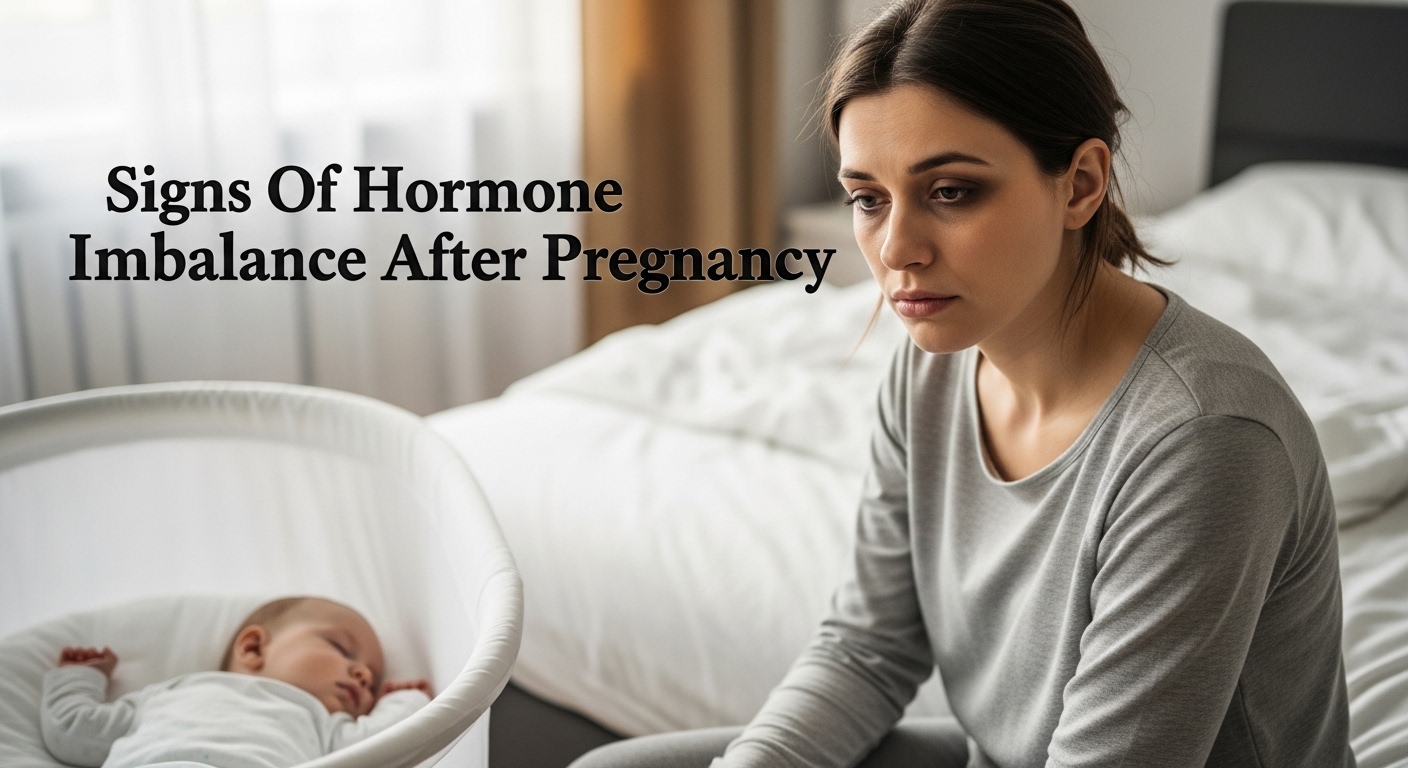
You just brought a new life into the world, and now your body feels like it belongs to someone else entirely.
If you’re experiencing mood swings that feel like whiplash, exhaustion that sleep can’t fix, or changes you can’t quite explain, you may be wondering: is this normal, or is something off with my hormones?
The short answer: Signs of hormone imbalance after pregnancy include persistent mood swings, chronic fatigue beyond normal new-parent tiredness, low or absent sex drive, irregular periods, unexplained weight changes, significant hair loss, and ongoing anxiety or depression symptoms.
In this guide, I’ll walk you through what’s happening in your body after birth, which symptoms are normal versus concerning, and exactly when you should talk to your doctor.
After reviewing research from medical institutions and hundreds of real experiences from new mothers in online communities, here’s what you need to know about postpartum hormonal changes.
ContentsTable of Contents
- 1Postpartum Hormone Timeline: Week by Week→
- 27 Key Signs of Hormone Imbalance After Pregnancy→
- 31. Mood Swings and Emotional Volatility→
- 42. Chronic Fatigue Beyond Normal Exhaustion→
- 53. Low or Non-Existent Sex Drive→
- 64. Irregular Menstrual Cycles→
- 75. Unusual Weight Changes→
- 86. Hair Loss (Telogen Effluvium)→
- 97. Anxiety and Depression Symptoms→
- 10Normal Postpartum Changes vs. Warning Signs→
- 11Postpartum Rage: The Sign Nobody Talks About→
- 12How Breastfeeding Affects Your Hormones?→
- 13When to See a Doctor?→
- 14Treatment Options and Hormone Testing→
- 15Common Hormone Tests→
- 16Treatment Approaches→
- 17Self-Assessment Checklist→
- 18Frequently Asked Questions→
- 19How long does it take your hormones to regulate after birth?→
- 20How do you know if you have a hormonal imbalance after pregnancy?→
- 21What supplements balance hormones after pregnancy?→
- 22Can breastfeeding cause hormonal imbalance?→
- 23What does the postpartum hormone crash feel like?→
- 24How to restore hormones after birth?→
- 25The Bottom Line→
Postpartum Hormone Timeline: Week by Week
Understanding the timeline of postpartum hormone changes may help you recognize what’s happening in your body and when symptoms should start improving.
| Timeframe | What’s Happening | What You May Feel |
|---|---|---|
| First 24-48 hours | Estrogen and progesterone plummet from pregnancy highs to near-menopausal levels | Emotional sensitivity, tearfulness, exhaustion |
| Days 3-5 | “Baby blues” peak as hormones hit their lowest; prolactin rises if breastfeeding | Crying spells, mood swings, anxiety, overwhelm |
| Weeks 1-2 | Cortisol and adrenaline remain elevated; oxytocin fluctuates with feeding | Hypervigilance, difficulty sleeping even when baby sleeps |
| Weeks 2-6 | Baby blues should resolve; hormones begin slow stabilization | Gradual mood improvement; fatigue may persist |
| 3-6 months | Thyroid function may fluctuate (postpartum thyroiditis peaks); estrogen remains low if breastfeeding | Energy fluctuations, possible weight changes, hair loss often begins |
| 6-12 months | Hormones approaching pre-pregnancy levels (if not breastfeeding); menstrual cycle may return | Most symptoms should be improving; persistent issues warrant investigation |
| While breastfeeding | Prolactin stays elevated, keeping estrogen suppressed | Continued low libido, vaginal dryness, delayed period return |
Important: According to research, hormone regulation may take 6 months to over a year for many women, especially those who breastfeed. If you’re still experiencing significant symptoms after weaning, it’s worth investigating further.
7 Key Signs of Hormone Imbalance After Pregnancy
While some symptoms are normal during the postpartum period, persistent or severe symptoms may indicate your hormones aren’t regulating properly.
Here are the seven key signs to watch for:
1. Mood Swings and Emotional Volatility
Mood swings during the first two weeks postpartum are extremely common, affecting up to 80% of new mothers according to research.
However, if you’re experiencing intense emotional ups and downs that persist beyond the first few weeks, or if they’re affecting your ability to function or bond with your baby, this may signal a hormonal issue requiring attention.
The rapid drop in estrogen and progesterone after birth affects serotonin and other neurotransmitters that regulate mood. For some women, these levels take longer to stabilize.
2. Chronic Fatigue Beyond Normal Exhaustion
Every new parent is tired. That’s expected.
But hormone-related fatigue feels different. You may feel exhausted even after sleeping, unable to recover no matter how much rest you get. Some women describe it as “bone-deep tired” or feeling like they’re “running on empty.”
This type of fatigue may be connected to thyroid dysfunction (postpartum thyroiditis affects 5-10% of new mothers), cortisol imbalances, or low iron levels that can compound hormonal issues.
3. Low or Non-Existent Sex Drive
It’s completely normal to have little interest in intimacy during the early postpartum weeks. Your body is healing, you’re exhausted, and hormones are in flux.
However, if your libido remains absent for months after giving birth and shows no signs of returning, hormonal imbalance may be contributing.
Elevated prolactin (especially if breastfeeding) suppresses estrogen, which directly impacts sexual desire. Low testosterone, vaginal dryness, and physical discomfort can also play a role.
4. Irregular Menstrual Cycles
If you’re not breastfeeding, your period may return within 6-8 weeks. For breastfeeding mothers, it may take months or even over a year.
Once your period does return, irregular cycles for the first few months are normal. However, if your cycles remain highly irregular, extremely heavy or light, or are accompanied by severe PMS symptoms that didn’t exist before pregnancy, it may indicate hormonal imbalance.
Conditions like postpartum thyroiditis or PCOS can affect menstrual regularity and may need investigation.
5. Unusual Weight Changes
Many women struggle to lose pregnancy weight, and that’s normal. However, if you’re experiencing unexplained weight gain despite eating well and staying active, or rapid weight loss that seems excessive, your hormones may be involved.
Thyroid dysfunction is a common culprit. An underactive thyroid (hypothyroidism) may cause weight gain, while an overactive thyroid (hyperthyroidism) may cause weight loss.
Cortisol imbalances from chronic stress can also contribute to stubborn weight, particularly around the midsection.
6. Hair Loss (Telogen Effluvium)
Postpartum hair loss is common and typically begins around 3-4 months after birth. During pregnancy, elevated estrogen keeps hair in the growth phase longer. When estrogen drops, all that “extra” hair sheds at once.
For most women, this resolves by 6-12 months postpartum. However, if hair loss is severe, doesn’t improve, or is accompanied by other symptoms like fatigue and weight changes, thyroid dysfunction or other hormonal issues may be contributing.
7. Anxiety and Depression Symptoms
Postpartum depression (PPD) affects approximately 1 in 7 women, and postpartum anxiety (PPA) may be even more common but is often underdiagnosed.
Symptoms may include persistent sadness, loss of interest in things you used to enjoy, excessive worry, panic attacks, intrusive thoughts, difficulty bonding with your baby, or thoughts of harming yourself.
While hormonal shifts contribute to these conditions, they are highly treatable. If you’re experiencing any of these symptoms, please reach out to your healthcare provider.
Urgent: If you’re having thoughts of harming yourself or your baby, please contact the 988 Suicide & Crisis Lifeline (call or text 988) or go to your nearest emergency room immediately. You deserve help and support.
Normal Postpartum Changes vs. Warning Signs
One of the most common questions new mothers ask is: “Is this normal, or should I be worried?”
This table may help you distinguish between typical postpartum adjustment and signs that warrant medical attention:
| Symptom | Normal Range | Warning Sign |
|---|---|---|
| Mood changes | Tearfulness, mood swings for 2 weeks | Persistent depression, anxiety, or rage beyond 2-3 weeks |
| Fatigue | Tiredness from sleep disruption | Exhaustion that doesn’t improve with rest; unable to function |
| Hair loss | Noticeable shedding at 3-6 months, resolving by 12 months | Severe loss with bald patches; no improvement after 12 months |
| Sex drive | Low interest for several months | Complete absence for 6+ months with no improvement |
| Weight | Gradual changes over 6-12 months | Unexplained rapid gain or loss; inability to lose weight despite efforts |
| Periods | Irregular for first few cycles after return | Extremely heavy bleeding; severe PMS; absent periods 6+ months post-weaning |
| Energy | Fluctuating energy tied to sleep | Feeling wired yet exhausted; inability to sleep when baby sleeps |
Postpartum Rage: The Sign Nobody Talks About
If you’ve experienced sudden, intense anger that feels completely unlike you, you’re not alone.
Postpartum rage is a symptom that many women experience but few discuss openly. In online forums, women frequently express shock at the intensity of irritability and anger they feel after having a baby.
Postpartum Rage: Sudden, intense feelings of anger or irritability that may feel disproportionate to the situation. It can manifest as yelling, throwing things, or feeling like you might “snap” at any moment.
This rage is often connected to hormonal fluctuations, sleep deprivation, and the overwhelming stress of new parenthood.
While occasional frustration is normal, if you’re experiencing frequent rage episodes or feel out of control, it’s worth discussing with your healthcare provider. Postpartum rage can be a symptom of postpartum depression or anxiety, and effective treatments are available.
How Breastfeeding Affects Your Hormones?
If you’re breastfeeding, it’s important to understand how it impacts your hormonal recovery.
Breastfeeding keeps prolactin levels elevated, which signals your body to produce milk. However, prolactin also suppresses estrogen, which is why many breastfeeding mothers experience:
- Continued low libido – Estrogen is crucial for sexual desire
- Vaginal dryness – Low estrogen affects vaginal tissue
- Delayed period return – Estrogen suppression prevents ovulation
- Mood fluctuations – Estrogen affects serotonin levels
- Night sweats – Hormonal fluctuations similar to perimenopause
Many women report that their symptoms don’t fully resolve until they wean or significantly reduce breastfeeding sessions.
This doesn’t mean you should stop breastfeeding if you don’t want to. But understanding this connection may help you make informed decisions and set realistic expectations for your recovery timeline.
When to See a Doctor?
Knowing when to seek help is crucial. Here are specific situations that warrant a call to your healthcare provider:
Seek immediate help if you experience:
- Thoughts of harming yourself or your baby
- Feeling disconnected from reality
- Inability to sleep for multiple days despite exhaustion
- Rapid heartbeat, tremors, or extreme anxiety
- Severe depression that prevents you from caring for yourself or your baby
Schedule an appointment if you’re experiencing:
- Baby blues symptoms lasting beyond 2-3 weeks
- Persistent fatigue that doesn’t improve with sleep
- Significant hair loss with other symptoms (fatigue, weight changes)
- Weight changes that seem unexplained
- Absent periods more than 3 months after weaning
- Symptoms that interfere with daily functioning or relationships
Pro Tip: If your concerns are dismissed, advocate for yourself. Ask specifically for hormone testing. Many women in online communities share that they had to push for testing before discovering thyroid issues or other treatable conditions.
Treatment Options and Hormone Testing
If you suspect a hormonal imbalance, testing can provide answers. Here are the tests you may want to discuss with your provider:
Common Hormone Tests
- Thyroid Panel (TSH, T3, T4) – Checks for postpartum thyroiditis or other thyroid dysfunction; this is often the first test recommended
- Complete Blood Count (CBC) – Checks for anemia, which can worsen hormonal symptoms
- Vitamin D – Deficiency is common postpartum and can affect mood and energy
- Iron and Ferritin – Low iron contributes to fatigue even without full anemia
- Cortisol – May be checked if adrenal dysfunction is suspected
- Estrogen, Progesterone, Testosterone – Sex hormone levels may be checked if symptoms persist
Treatment Approaches
Treatment depends on what’s causing your symptoms. Options may include:
- Thyroid medication – If postpartum thyroiditis or Hashimoto’s is diagnosed
- Antidepressants – Many are safe while breastfeeding and can help regulate mood
- Hormone therapy – In some cases, estrogen or progesterone support may help
- Supplements – Vitamin D, iron, B vitamins, and omega-3s may support hormonal balance
- Lifestyle modifications – Sleep, nutrition, and stress management play significant roles
Work with your healthcare provider to determine the best approach for your specific situation.
Self-Assessment Checklist
Use this checklist to track your symptoms before talking to your doctor:
Postpartum Hormone Imbalance Self-Assessment
Check any symptoms you’re experiencing:
- Mood swings or emotional volatility persisting beyond 2-3 weeks postpartum
- Persistent sadness, hopelessness, or excessive worry
- Fatigue that doesn’t improve with rest
- Difficulty sleeping even when baby sleeps
- Little to no interest in sex (beyond the first few months)
- Unusual weight gain or inability to lose weight
- Unexplained weight loss
- Significant hair loss or thinning
- Irregular, heavy, or absent periods (after expected return)
- Intense irritability or rage
- Night sweats or hot flashes
- Brain fog or difficulty concentrating
- Heart palpitations or racing heart
Scoring:
0-2 symptoms: May be normal postpartum adjustment; continue monitoring
3-5 symptoms: Consider scheduling a check-up with your provider
6+ symptoms or any severe symptoms: Schedule an appointment soon and request hormone testing
Frequently Asked Questions
How long does it take your hormones to regulate after birth?
For most women, hormones begin stabilizing within 6 weeks postpartum, but full regulation may take 6 months to over a year. If you’re breastfeeding, your hormones may not fully normalize until after weaning. Research suggests some women experience hormonal effects for up to 2-3 years after pregnancy.
How do you know if you have a hormonal imbalance after pregnancy?
Key signs include persistent mood swings beyond 2-3 weeks postpartum, chronic fatigue that doesn’t improve with sleep, low or absent sex drive, irregular periods after they should have normalized, unexplained weight changes, significant hair loss, and ongoing anxiety or depression symptoms. If you’re experiencing multiple symptoms that affect daily functioning, consult your healthcare provider.
What supplements balance hormones after pregnancy?
Supplements that may support postpartum hormone balance include vitamin D (commonly deficient postpartum), omega-3 fatty acids (support mood and brain function), B vitamins (especially B12 and folate), iron (if deficient), and magnesium (supports sleep and mood). However, always consult your healthcare provider before starting supplements, especially if breastfeeding.
Can breastfeeding cause hormonal imbalance?
Breastfeeding keeps prolactin levels elevated, which suppresses estrogen. This can cause symptoms like low libido, vaginal dryness, mood fluctuations, and delayed return of menstruation. These effects are a normal part of breastfeeding biology, though they may feel uncomfortable. Symptoms typically improve after weaning.
What does the postpartum hormone crash feel like?
The postpartum hormone crash typically peaks around days 3-5 after birth when estrogen and progesterone hit their lowest. Women often describe feeling tearful, emotionally sensitive, overwhelmed, anxious, and exhausted. This is commonly called the ‘baby blues’ and should resolve within 2 weeks for most women.
How to restore hormones after birth?
Supporting hormone recovery includes prioritizing sleep when possible, eating nutrient-dense foods rich in protein, healthy fats, and vegetables, managing stress through support and self-care, addressing vitamin deficiencies (especially D, iron, and B vitamins), and seeking medical help if symptoms persist or are severe. Time and patience are also important factors in hormonal recovery.
The Bottom Line
Postpartum hormone changes are a normal part of the transition to motherhood, but that doesn’t mean you have to suffer through severe or persistent symptoms.
If your instincts tell you something isn’t right, trust yourself. The key signs of hormone imbalance after pregnancy include persistent mood changes, exhaustion that doesn’t improve, absent libido, irregular periods, unexplained weight changes, significant hair loss, and ongoing mental health symptoms.
You deserve to feel supported and heard. If your concerns are dismissed, advocate for testing. Many treatable conditions, like postpartum thyroiditis, are often missed without specific testing.
Your body just did something incredible. Give yourself grace, seek help when you need it, and know that better days are ahead.
Disclaimer: This content is for informational purposes only and does not constitute medical advice. Always consult a licensed healthcare provider for personalized guidance regarding your postpartum health. If you’re experiencing thoughts of self-harm or harming your baby, please contact the 988 Suicide & Crisis Lifeline immediately or go to your nearest emergency room.