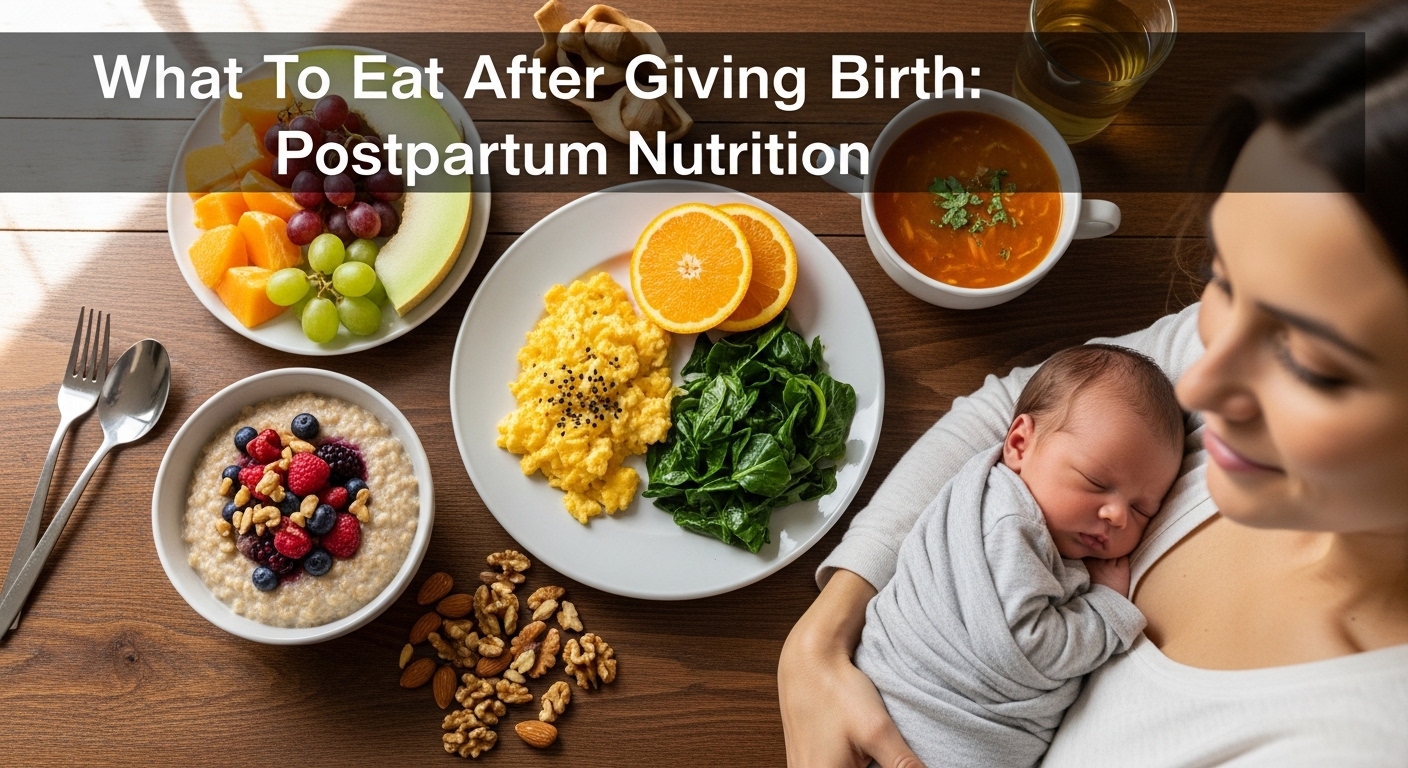
After months of pregnancy cravings and careful eating, you’ve finally met your baby. But now comes a question many new moms overlook: what to eat after giving birth to support your recovery?
Based on our research and insights from real mothers, the best foods to eat after giving birth include nutrient-dense options like salmon, eggs, leafy greens, oatmeal, and avocado. These foods may help replenish nutrients lost during pregnancy and delivery while supporting your energy levels.
Your body has just accomplished something incredible. Whether you had a vaginal delivery or C-section, proper postpartum nutrition may help speed recovery, boost energy, and support milk production if you’re breastfeeding.
In this guide, we’ll cover the essential nutrients your body needs, the best foods to prioritize, what to avoid, and practical meal ideas that real moms swear by.
ContentsTable of Contents
- 1Why Postpartum Nutrition Matters?→
- 2Essential Nutrients for New Moms→
- 3Iron: Your Recovery Priority→
- 4Omega-3 Fatty Acids→
- 5Best Foods to Eat After Giving Birth→
- 6Lean Proteins→
- 7Whole Grains→
- 8Fruits and Vegetables→
- 9Healthy Fats→
- 10Nourishing Soups and Broths→
- 11Foods for Breastfeeding Mothers→
- 12Foods That May Support Milk Supply→
- 13Extra Calorie Needs→
- 14Foods to Avoid or Limit Postpartum→
- 15Alcohol→
- 16High-Mercury Fish→
- 17Excessive Caffeine→
- 18Highly Processed Foods→
- 19Sample Postpartum Meal Ideas→
- 20Breakfast Ideas→
- 21Lunch Ideas→
- 22Dinner Ideas→
- 23Quick and Easy Postpartum Snacks→
- 24One-Handed Snack Options→
- 25High-Protein Snacks→
- 26Energy-Boosting Options→
- 27Hydration Tips for New Moms→
- 28Hydration Strategies→
- 29Frequently Asked Questions→
- 30What is the best thing to eat after giving birth?→
- 31What foods should I avoid after postpartum?→
- 32What is the 5 5 5 rule after birth?→
- 33How soon can you eat after giving birth?→
- 34What is the fastest way to recover after giving birth?→
- 35Final Thoughts→
Why Postpartum Nutrition Matters?
Postpartum nutrition directly impacts how quickly and effectively your body recovers from childbirth. During pregnancy and delivery, your body depletes significant stores of iron, calcium, and other essential nutrients.
Healthcare providers often refer to the weeks after birth as the “fourth trimester.” This period requires almost as much nutritional attention as pregnancy itself.
Here’s why what you eat matters so much:
- Recovery from blood loss: Most women lose 500-1000ml of blood during delivery, creating a need for iron-rich foods
- Tissue healing: Your body needs protein and vitamins to repair tissues, especially after a C-section
- Energy production: Caring for a newborn requires sustained energy that comes from balanced nutrition
- Milk production: Breastfeeding mothers may need an additional 300-500 calories daily
- Mood support: Research suggests certain nutrients may help reduce the risk of postpartum depression
Studies indicate that nutrient deficiencies postpartum can contribute to fatigue, delayed healing, and mood changes. Prioritizing nutrition isn’t selfish; it’s essential for both you and your baby.
Essential Nutrients for New Moms
Your postpartum body has specific nutritional needs. Understanding which nutrients matter most can help you make targeted food choices.
| Nutrient | Why It Matters | Top Food Sources |
|---|---|---|
| Iron | Replenishes blood loss, prevents anemia, boosts energy | Lean beef, spinach, legumes, fortified cereals |
| Protein | Tissue repair, wound healing, milk production | Salmon, eggs, chicken, beans, Greek yogurt |
| Omega-3s/DHA | Brain health for baby, may support mood | Fatty fish (salmon, sardines), walnuts, chia seeds |
| Calcium | Bone health, muscle function, milk production | Dairy products, leafy greens, fortified foods |
| Fiber | Prevents constipation (common postpartum issue) | Oatmeal, fruits, vegetables, whole grains |
| Vitamin D | Bone health, immune function, mood regulation | Fortified dairy, fatty fish, egg yolks |
| Vitamin B12 | Energy production, nervous system health | Meat, fish, dairy, fortified cereals |
| Choline | Baby’s brain development (especially important if breastfeeding) | Eggs, liver, soybeans |
| Zinc | Wound healing, immune support | Beef, pumpkin seeds, chickpeas |
Many healthcare providers recommend continuing prenatal vitamins postpartum. However, vitamins work best alongside a nutrient-rich diet, not as a replacement for one.
Iron: Your Recovery Priority
Iron deserves special attention. Blood loss during delivery can leave many women with low iron stores or anemia.
Symptoms of low iron include extreme fatigue, weakness, and difficulty concentrating. If you’re feeling more exhausted than expected, iron-rich foods may help.
Pair iron-rich foods with vitamin C sources (like citrus fruits) to enhance absorption. Avoid taking iron with calcium or coffee, which can interfere with absorption.
Omega-3 Fatty Acids
Research suggests omega-3 fatty acids, particularly DHA, may support postpartum mood and brain health for both mom and baby.
If you’re breastfeeding, the DHA in your diet transfers to your breast milk. This supports your baby’s brain and eye development during a critical growth period.
Best Foods to Eat After Giving Birth
Focus on nutrient-dense foods that deliver maximum nutrition without requiring hours of preparation. Here are the top food categories and specific recommendations:
Lean Proteins
Protein supports tissue repair, milk production, and sustained energy. Aim for protein at every meal.
- Salmon: Rich in omega-3s, DHA, and high-quality protein. Healthcare providers often recommend 2-3 servings per week
- Eggs: Versatile, easy to prepare, and packed with protein and choline. Hard-boiled eggs make excellent grab-and-go snacks
- Lean beef: Excellent source of iron and B12 for energy and blood replenishment
- Chicken: Lean protein that’s easy to digest and prepare in batches
- Legumes: Beans, lentils, and chickpeas provide plant-based protein plus fiber
- Greek yogurt: High protein with probiotics for digestive health
Whole Grains
Whole grains provide sustained energy and fiber to prevent postpartum constipation.
- Oatmeal: Easy to prepare, filling, and traditionally used to support milk supply. Many moms report it helps with lactation
- Brown rice: Provides complex carbohydrates for steady energy
- Quinoa: Complete protein plus fiber and iron
- Whole wheat bread: Convenient for quick meals and provides folic acid
Fruits and Vegetables
Colorful produce delivers vitamins, antioxidants, and fiber. Prioritize variety.
- Leafy greens (spinach, kale): Iron, calcium, vitamins A, C, and K. Easily added to smoothies
- Blueberries: Antioxidants that may support healing and cognitive function
- Oranges and citrus: Vitamin C for immunity and iron absorption
- Sweet potatoes: Vitamin A, fiber, and complex carbohydrates
- Bananas: Potassium for energy and easy to eat one-handed
- Avocado: Healthy fats, potassium, and fiber. Users report it’s filling and satisfying
Healthy Fats
Fat is essential for hormone production, nutrient absorption, and sustained energy.
- Avocado: Heart-healthy monounsaturated fats and fiber
- Nuts and seeds: Almonds, walnuts, chia seeds, and flaxseeds provide omega-3s and protein
- Olive oil: Anti-inflammatory properties and versatile for cooking
- Fatty fish: Salmon, sardines, and mackerel deliver omega-3s
Nourishing Soups and Broths
Many cultures emphasize warm, nourishing foods during postpartum recovery. There’s wisdom in this tradition.
- Bone broth: Provides collagen, minerals, and hydration. Easy to sip while nursing
- Chicken soup: Classic healing food that combines protein, vegetables, and fluids
- Lentil soup: Plant-based protein with iron and fiber
Foods for Breastfeeding Mothers
If you’re breastfeeding, your nutritional needs increase. Research suggests nursing mothers may need 300-500 extra calories daily to support milk production.
Quality matters as much as quantity. Focus on nutrient-dense foods rather than empty calories.
Foods That May Support Milk Supply
Certain foods have traditionally been used as galactagogues (substances that may promote lactation). While scientific evidence varies, many mothers report positive effects:
- Oatmeal: Most commonly recommended for lactation support
- Fenugreek: Herb often used in lactation teas (check with your healthcare provider first)
- Brewer’s yeast: Sometimes added to lactation cookies and smoothies
- Fennel: Traditional galactagogue used in many cultures
- Almonds: Nutrient-dense snack that some users report helps with supply
Extra Calorie Needs
Don’t restrict calories while breastfeeding. Your body needs fuel to produce milk.
Focus on adding nutrient-rich snacks between meals rather than eating larger portions. This approach provides steady energy throughout the day.
Signs you may not be eating enough include persistent fatigue, dizziness, or decreased milk supply.
Foods to Avoid or Limit Postpartum
While most foods are fine in moderation, some deserve caution during postpartum recovery, especially if breastfeeding.
Alcohol
If breastfeeding, alcohol passes into breast milk. Healthcare providers generally recommend avoiding alcohol or limiting to occasional small amounts.
The CDC suggests waiting at least 2 hours after a single drink before nursing. “Pumping and dumping” doesn’t speed up alcohol clearance from milk.
High-Mercury Fish
Avoid fish high in mercury, which can affect your baby’s developing nervous system:
- Swordfish
- King mackerel
- Tilefish
- Shark
- Bigeye tuna
Low-mercury options like salmon, sardines, and canned light tuna are safe and beneficial.
Excessive Caffeine
Moderate caffeine (200-300mg daily, or about 2 cups of coffee) is generally considered safe while breastfeeding.
However, newborns metabolize caffeine slowly. If your baby seems fussy or has trouble sleeping, try reducing caffeine intake.
Highly Processed Foods
While convenience matters when you’re exhausted, try to limit:
- Processed snacks high in sodium and sugar
- Fast food and fried foods
- Sugary beverages and excessive sweets
- Foods with artificial additives
These foods provide empty calories without the nutrients your recovering body needs.
Sample Postpartum Meal Ideas
Real moms from parenting forums emphasize practicality over perfection. Here are meal ideas based on what actually works:
Breakfast Ideas
- Overnight oats with berries, chia seeds, and nut butter
- Scrambled eggs with spinach and whole grain toast
- Greek yogurt parfait with granola and fruit
- Smoothie with spinach, banana, protein powder, and almond butter
Lunch Ideas
- Salmon salad with mixed greens and avocado
- Chicken soup with whole grain crackers
- Hummus wrap with roasted vegetables
- Leftover dinner portions (batch cooking saves time)
Dinner Ideas
- Baked salmon with roasted sweet potatoes and broccoli
- Chicken stir-fry with brown rice and vegetables
- Lentil soup with crusty whole grain bread
- Slow cooker beef stew with root vegetables
Many parents suggest having a partner or family member handle cooking for the first six weeks if possible. Accepting meal help from friends is not a sign of weakness but a practical recovery strategy.
Quick and Easy Postpartum Snacks
Forum discussions reveal that many new moms prefer snacking over full meals. Snacks you can eat one-handed while nursing or holding a baby are especially valuable.
One-Handed Snack Options
- Protein bars: RX Bars and similar options provide quick protein (many moms specifically recommend these)
- Cheese sticks or cubes: Easy protein that doesn’t require preparation
- Apple slices with almond butter: Prep ahead and store in containers
- Trail mix: Nuts, seeds, and dried fruit for sustained energy
- Hard-boiled eggs: Batch cook for the week
High-Protein Snacks
- Cottage cheese with fruit
- Greek yogurt cups
- Hummus with crackers or vegetable sticks
- Edamame (can be eaten frozen after a quick microwave)
- Beef jerky or turkey sticks
Energy-Boosting Options
- Smoothies (prep ingredients in freezer bags for quick blending)
- Dates stuffed with nut butter
- Whole grain crackers with avocado
- Banana with peanut butter
Keep snacks within arm’s reach of your nursing station. Stock the refrigerator at eye level with ready-to-eat options.
Hydration Tips for New Moms
Staying hydrated is crucial postpartum, especially if breastfeeding. Breast milk is approximately 87% water, so your fluid needs increase significantly.
General recommendation: Drink to thirst, aiming for at least 8-12 cups of fluids daily. Breastfeeding mothers may need more.
Hydration Strategies
- Keep a large water bottle at every nursing station
- Drink a glass of water each time you nurse
- Include hydrating foods: watermelon, cucumbers, oranges, soups
- Limit caffeine, which can have mild diuretic effects
- Monitor urine color. Pale yellow indicates good hydration
Signs of dehydration include dark urine, headaches, dizziness, and decreased milk supply.
Frequently Asked Questions
What is the best thing to eat after giving birth?
The best foods to eat after giving birth include nutrient-dense options like salmon, eggs, leafy greens, oatmeal, and avocado. Focus on iron-rich foods to replenish blood loss, protein for tissue repair, and omega-3 fatty acids for mood support. Easy-to-prepare, high-protein snacks are particularly helpful for busy new moms.
What foods should I avoid after postpartum?
Avoid or limit alcohol (especially if breastfeeding), high-mercury fish (swordfish, king mackerel, shark), excessive caffeine (more than 200-300mg daily), and highly processed foods. If breastfeeding, pay attention to whether any foods seem to make your baby fussy, as some babies are sensitive to certain foods in mom’s diet.
What is the 5 5 5 rule after birth?
The 5-5-5 rule is a postpartum recovery guideline suggesting new mothers spend 5 days in bed, 5 days on the bed, and 5 days near the bed. This 15-day period emphasizes rest and recovery, allowing your body to heal while others handle household responsibilities. During this time, nutritious foods and plenty of fluids support healing.
How soon can you eat after giving birth?
Most women can eat soon after a vaginal delivery, often within an hour or two when they feel hungry. After a C-section, healthcare providers typically start with clear liquids before progressing to solid foods, usually within 6-8 hours. Your first meal is often whatever sounds appealing, as hospitals typically offer full meal options.
What is the fastest way to recover after giving birth?
The fastest recovery includes adequate rest, proper nutrition, staying hydrated, and accepting help. Eat protein-rich foods for tissue repair, iron-rich foods to replenish blood loss, and fiber to prevent constipation. Avoid overexerting yourself, get sleep when possible, and follow your healthcare provider’s guidance for your specific situation.
Final Thoughts
Nourishing yourself after giving birth isn’t about following a perfect diet. It’s about making choices that support your recovery, energy levels, and overall wellbeing.
Focus on nutrient-dense foods, stay hydrated, and don’t be afraid to accept help with meals. Keep easy snacks within reach, and remember that eating well is one of the best things you can do for both yourself and your baby.
Every postpartum journey is different. Listen to your body, work with your healthcare provider, and give yourself grace during this incredible transition.
Disclaimer: This content is for informational purposes only and does not constitute medical advice. Always consult a licensed healthcare provider before making significant changes to your diet, especially during the postpartum period or while breastfeeding. Individual nutritional needs vary based on delivery type, health conditions, and breastfeeding status.