NAD Injections Side Effects Doctors Warn About 2026
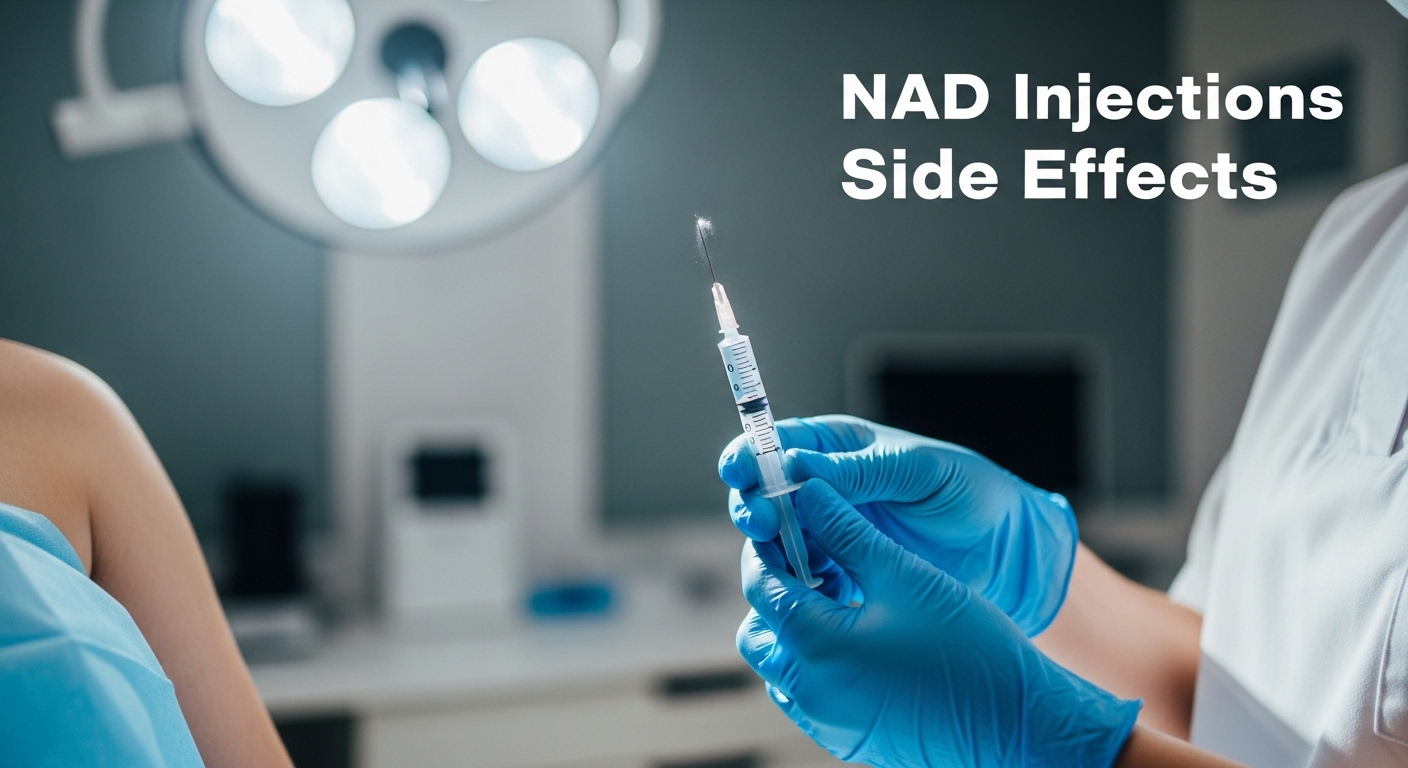
If you’re considering NAD+ therapy, you’re probably wondering what side effects you might experience. I’ve spent the past several months researching NAD injections, speaking with healthcare providers, and analyzing hundreds of real user experiences.
NAD injections are generally well-tolerated, with most side effects being mild and temporary. The most common reactions include injection site soreness, mild nausea, headache, and flushing. These typically resolve within a few hours.
However, some people experience more intense reactions, particularly with IV infusions. And there are important safety considerations you should know about before starting treatment.
In this guide, I’ll cover exactly what side effects to expect, how they differ between NAD IV drips and injections, when you should seek medical attention, and how to minimize discomfort during treatment.
Medical Disclaimer: This article is for informational purposes only and should not replace professional medical advice. Always consult your healthcare provider before starting NAD+ therapy or any new treatment.
NAD Injection Side Effects: Quick Overview
Based on my research of clinical data and user experiences, here’s what you may expect from NAD+ injection therapy:
At a Glance: NAD injections are generally well-tolerated. Side effects are typically mild, temporary, and often linked to how quickly the treatment is administered. Most people feel normal within 1-2 hours after treatment.
Common/Mild Side Effects (may affect up to 30% of users):
- Injection site pain, redness, or soreness – Usually resolves within 24-48 hours
- Mild nausea or stomach discomfort – Typically fades within 1-2 hours
- Headache – Often mild and temporary
- Flushing or warmth sensation – Common during and shortly after treatment
- Mild fatigue – Some users report feeling tired initially before energy improves
Less Common Side Effects:
- Dizziness or lightheadedness – More common with IV infusions
- Muscle cramping – May occur with higher doses
- Palpitations or rapid heartbeat – Usually brief and self-resolving
- Firm lump at injection site – Typically resolves within 1-2 weeks
Rare/Serious (Seek Medical Attention):
- Allergic reactions – Hives, swelling, difficulty breathing
- Severe or persistent symptoms – Lasting more than 24 hours
- Signs of infection – Fever, increasing redness, pus at injection site
Common and Mild NAD Injection Side Effects
Most people who try NAD+ injections experience only mild, temporary side effects. Understanding what’s normal can help you feel more comfortable during treatment.
Injection Site Reactions
Injection site reactions are the most frequently reported side effect of NAD+ therapy. According to provider data from Eden Health and Ivy Rx, these may include:
- Pain or soreness: Mild discomfort at the injection site is normal and typically peaks within the first few hours
- Redness: Some localized redness around the injection area may occur
- Swelling: Minor swelling is possible, especially with intramuscular injections
- Bruising: May develop 24-48 hours after injection and fade over several days
These reactions are similar to what you might experience with any injection. They typically resolve within 24-48 hours without any treatment needed.
Nausea and Digestive Discomfort
Nausea is one of the more common systemic side effects of NAD+ therapy. Based on real user experiences from Reddit forums, here’s what I’ve learned:
“According to the nurse, NAD injection can cause headaches, cramps, upset stomach, dry mouth. For me personally it wasn’t bad.”
– Reddit user, r/NicotinamideRiboside
Why does this happen? Research suggests that the sudden influx of NAD+ may trigger a metabolic response as your body adjusts to elevated coenzyme levels.
The nausea is typically:
- Mild to moderate in intensity
- Short-lived, usually lasting 30 minutes to 2 hours
- More common with higher doses or faster administration
- Less frequent with subcutaneous injections compared to IV drips
Headache and Brain Fog
Some users report experiencing headaches after NAD+ treatment. This may seem counterintuitive since many people seek NAD+ for improved mental clarity.
The headache side effect appears to be:
- More common in first-time users
- Often linked to dehydration
- Usually mild and resolves within a few hours
- Less likely with proper hydration before treatment
If you experience persistent headaches with each treatment, your provider may recommend adjusting your dosage or trying a different delivery method.
Flushing and Warmth Sensation
The “niacin flush” is a well-documented response to NAD+ and its precursors. You may notice:
- Warmth spreading across your face, neck, or chest
- Mild redness of the skin
- A tingling sensation
- Slight itchiness in some cases
This flushing response occurs because NAD+ can cause blood vessels to dilate. It’s generally harmless and typically subsides within 30-60 minutes.
The “Wired But Tired” Phenomenon
One interesting side effect that users frequently mention is feeling “wired but tired” after NAD+ treatment. According to research from Heli Meds, this may occur as your body adjusts to the treatment.
This sensation is characterized by:
- Mental alertness combined with physical fatigue
- Difficulty sleeping if treatment is done late in the day
- Usually resolves within a few hours
Many providers recommend scheduling NAD+ treatments earlier in the day to avoid this affecting your sleep.
Less Common NAD+ Side Effects
While most people only experience mild effects, some may have more noticeable reactions. These are still generally not dangerous but warrant attention.
Dizziness and Lightheadedness
Some users report feeling dizzy or lightheaded during or after NAD+ administration. This is more common with:
- IV infusions (compared to intramuscular injections)
- Higher doses
- Faster infusion rates
- Treatment on an empty stomach
If you experience significant dizziness, sit or lie down until it passes. This is one reason why many clinics, including Restore Hyper Wellness, monitor patients during IV treatments.
Muscle Cramping
Muscle cramps or tightness may occur, particularly with higher-dose NAD+ treatments. Research suggests this might be related to:
- Electrolyte shifts during treatment
- Dehydration
- The metabolic stress of rapid NAD+ absorption
Staying well-hydrated and ensuring adequate electrolyte intake may help prevent cramping.
Palpitations and Rapid Heartbeat
Some people notice their heart beating faster or feel palpitations during NAD+ treatment. According to clinical observations:
- This is more common with IV infusions than injections
- Usually brief and self-resolving
- May be more pronounced in people with anxiety
- Should be monitored if you have a history of heart conditions
If you have cardiovascular concerns, always inform your healthcare provider before starting NAD+ therapy.
Chest Tightness
A feeling of chest tightness or pressure is occasionally reported, particularly with IV NAD+ infusions. This is often related to the infusion rate rather than the NAD+ itself.
At clinics like Restore Hyper Wellness, nurses can adjust the infusion rate to minimize this discomfort. If you’re doing at-home injections, this side effect is much less common since the delivery is more gradual.
Rare but Serious Side Effects: When to Seek Help
While serious side effects from NAD+ injections are uncommon, it’s important to know when to seek medical attention.
Seek Immediate Medical Attention If You Experience:
- Difficulty breathing or shortness of breath
- Swelling of face, lips, tongue, or throat
- Hives or severe rash
- Chest pain (not just tightness)
- Fever with increasing redness at injection site
- Severe headache that doesn’t respond to treatment
- Confusion or altered mental status
Allergic Reactions
True allergic reactions to NAD+ are rare, but they can occur. Signs of an allergic reaction may include:
- Hives or widespread rash
- Itching beyond the injection site
- Swelling (angioedema)
- Difficulty breathing
- Rapid heartbeat with other symptoms
If you suspect an allergic reaction, seek medical care immediately. This is one reason why many providers recommend your first NAD+ treatment be done under medical supervision.
Infection at Injection Site
With any injection, there’s a small risk of infection. Warning signs include:
- Increasing pain, redness, or swelling after 48 hours
- Warmth or heat at the injection site
- Pus or discharge
- Fever or chills
- Red streaks extending from the injection site
Proper injection technique and sterile equipment significantly reduce this risk. This is why working with licensed providers who use pharmacy-compounded NAD+ is important.
FDA Warning About Compounded NAD+
FDA Safety Notice: The FDA has issued warnings about adverse events from compounded NAD+ injectable drugs. Reports have included severe chills, shaking, vomiting, and fatigue. The FDA has reminded compounders that food-grade NAD+ is not suitable for sterile drug compounding.
This is why it’s crucial to obtain NAD+ only from reputable providers who source from USP-standard compounding pharmacies. All providers referenced in this article work with licensed compounding pharmacies.
Important: NAD+ injections are not FDA-approved treatments. They are compounded medications and may not be available in all states. Always discuss risks and benefits with your healthcare provider.
NAD IV vs Injection Side Effects: Key Differences
One of the most common questions I see is whether NAD+ IV drips or injections cause different side effects. Based on my research, the answer is yes.
| Factor | NAD+ IV Infusion | Intramuscular/Subcutaneous Injection | Nasal Spray |
|---|---|---|---|
| Duration | 1-4 hours | Under 3 minutes | Seconds |
| Typical Dose | 250-1000mg+ | 50-100mg | Variable |
| Side Effect Intensity | More intense, systemic | Milder, more localized | Generally mildest |
| Nausea Risk | Higher | Lower | Lowest |
| Flushing | Common | Less common | Uncommon |
| Cramping | Possible | Rare | Very rare |
| Supervision Needed | Recommended | Can be at-home | At-home |
| Cost | $250-$1,000+/session | $145-$200/month | Varies |
Why IV Infusions May Cause More Side Effects
IV NAD+ infusions deliver higher doses directly into the bloodstream, which can trigger more pronounced reactions. One user shared this experience:
“During the hour I laid there, I got very cold, the side effects were extreme nausea and a massive headache.”
– NAD+ IV user experience, r/cfs
The key factors that make IV side effects more intense include:
- Higher doses: IV infusions typically deliver 250mg-1000mg+ compared to 50-100mg with injections
- Rapid delivery: Even though infusions take hours, the continuous flow can overwhelm cellular processes
- Systemic exposure: NAD+ goes directly into the bloodstream rather than being absorbed more gradually
Why Injections May Be Better Tolerated?
Intramuscular and subcutaneous NAD+ injections generally cause fewer systemic side effects because:
- Lower doses are used
- Absorption is more gradual
- Less metabolic stress on the body
- Effects are more localized to the injection site
For those sensitive to NAD+ side effects, starting with injections rather than IV infusions may be a better approach.
Nasal Spray: The Gentlest Option
NAD+ nasal sprays, offered by providers like Eden Health and Ivy Rx, may provide the mildest side effect profile. However, bioavailability (how much NAD+ your body actually absorbs) may be lower compared to injections or IV infusions.
How to Minimize NAD Injection Side Effects?
Based on guidance from providers and clinical experience, here are practical steps to reduce your risk of side effects.
Before Your Treatment
- Stay hydrated: Drink plenty of water in the 24 hours before treatment. Dehydration can worsen headaches and nausea.
- Fast if recommended: Some clinics, like Restore Hyper Wellness, recommend fasting 4-6 hours before IV treatment (water is okay). This may reduce nausea.
- Avoid alcohol: Skip alcohol for at least 24 hours before treatment.
- Eat a light meal: If not fasting, have a light, easily digestible meal a few hours before. Avoid heavy or greasy foods.
- Disclose medications: Tell your provider about all medications and supplements you take. Some may interact with NAD+.
During Treatment
- Start with a lower dose: First-time users should consider starting with a lower dose to assess tolerance.
- Request a slower infusion rate: For IV drips, a slower rate may significantly reduce side effects.
- Communicate with your provider: If you feel unwell, speak up immediately so adjustments can be made.
- Breathe deeply: Deep breathing can help manage anxiety and mild nausea.
- Stay calm: Some sensations (like warmth or flushing) are normal and will pass.
After Treatment
- Rest if needed: Don’t rush back to strenuous activities. Take it easy for a few hours.
- Continue hydrating: Keep drinking water throughout the day.
- Monitor the injection site: Watch for signs of infection over the next few days.
- Schedule wisely: If you experience the “wired but tired” effect, schedule future treatments earlier in the day.
- Track your experience: Note any side effects so you can discuss patterns with your provider.
Pro Tip: If you’re nervous about side effects, consider your first NAD+ treatment at an in-person clinic where medical staff can monitor you and adjust the treatment as needed.
Who Should Avoid NAD Injections?
NAD+ therapy may not be suitable for everyone. Based on guidance from providers like Restore Hyper Wellness, the following groups should exercise caution or avoid NAD+ injections:
- Pregnant or breastfeeding women: Insufficient safety data available
- People with cardiovascular problems: May increase heart rate or blood pressure
- Those with liver or kidney impairment: May affect how the body processes NAD+
- People with known hypersensitivities: To NAD+ or any components
- Those prone to migraines: May trigger or worsen headaches initially
- People with chronic fatigue: May need careful dosing and monitoring
- First-time NAD users without medical supervision: Consider in-clinic treatment first
If you fall into any of these categories, consult with your healthcare provider before considering NAD+ therapy.
Where to Get NAD Injections Safely?
If you’ve decided to try NAD+ therapy after understanding the potential side effects, working with a reputable provider is essential. Here are the options I’ve researched:
| # | Provider | Highlights | Price | |
|---|---|---|---|---|
| 01 | Eden Health |
|
$145-$199/mo | Learn More → |
| 02 | Ivy Rx |
|
Contact for pricing | Learn More → |
| 03 | Heli Meds |
|
Contact for pricing | Learn More → |
| 04 | Restore Hyper Wellness |
|
$250-$1000+/session | Learn More → |
We may earn a commission at no extra cost to you. This does not influence our recommendations.
Eden Health – Best for At-Home Convenience
Eden Health offers at-home NAD+ injections with online medical evaluation included.
Choose between 500mg or 1000mg dosage options with multiple delivery formats available.
Pros
- Multiple delivery options (injection|nasal|cream)
- Transparent pricing
- Comprehensive medical evaluation
- Ships directly to home
Cons
- Requires 3-month commitment for best pricing
- Not covered by insurance
- Compounded NAD (not FDA-approved)
This post contains affiliate links. If you purchase through them, we may earn a commission (at no extra cost to you).
Eden Health provides clear information about potential side effects directly on their site, including injection site reactions, nausea, flushing, and headache. They offer alternative delivery methods like nasal spray if you find injections cause too many side effects.
Restore Hyper Wellness – Best for Medical Supervision
Restore offers in-person NAD+ IV drips and IM shots administered by registered nurses.
Multiple physical locations with real-time vital signs monitoring and adjustable infusion rates.
Pros
- Medical supervision on-site
- RNs administer treatment
- Real-time adjustment possible
- Gentler Niagen alternative available
Cons
- Higher cost than at-home
- Requires travel to location
- IV sessions take 1-4 hours
This post contains affiliate links. If you purchase through them, we may earn a commission (at no extra cost to you).
If you’re concerned about side effects, Restore’s in-person approach may offer peace of mind. Their medical team can monitor you throughout treatment and adjust the infusion rate if you experience discomfort. They also offer Niagen (NR) IV therapy as a gentler alternative with 75% shorter infusion time.
Ivy Rx – Best for Comprehensive Anti-Aging
Ivy Rx provides NAD+ injections as part of a comprehensive anti-aging and longevity platform.
Personalized treatment plans with telehealth consultations and multiple therapy options.
Pros
- Comprehensive longevity platform
- Licensed medical oversight
- Detailed side effects education
- Nasal spray alternative
Cons
- Pricing requires consultation
- Less transparent upfront costs
This post contains affiliate links. If you purchase through them, we may earn a commission (at no extra cost to you).
Ivy Rx provides thorough education about NAD+ side effects and offers guidance on minimizing them, including starting with lower doses and staying hydrated.
Heli Meds – Best for Research and Information
Heli Meds offers compounded NAD+ with extensive medically-reviewed content about side effects.
LegitScript approved with comprehensive treatment guides for informed decision-making.
Pros
- Very detailed side effects information
- Comparison of NAD IV vs injection
- LegitScript approved
- Medically reviewed content
Cons
- Pricing requires inquiry
- Less focused solely on NAD
This post contains affiliate links. If you purchase through them, we may earn a commission (at no extra cost to you).
Heli Meds provides some of the most detailed side effect information I’ve found, including breakdowns of short-term effects, injection site reactions, and IV-specific side effects.
Frequently Asked Questions
What are the side effects of NAD injection?
Common NAD injection side effects include injection site pain or redness, mild nausea, headache, flushing or warmth sensation, and temporary fatigue. Most side effects are mild and resolve within 1-2 hours. Less common effects include dizziness, muscle cramping, and palpitations. Serious reactions like allergic responses are rare but require immediate medical attention.
Who should not do NAD injections?
NAD injections may not be suitable for pregnant or breastfeeding women, people with cardiovascular problems, those with liver or kidney impairment, individuals with known hypersensitivities to NAD+, people prone to migraines, and those with chronic fatigue syndrome. Always consult your healthcare provider before starting NAD+ therapy to discuss your individual risk factors.
Why do I feel weird after a NAD shot?
Feeling ‘weird’ after NAD+ treatment is normal and typically caused by your body adjusting to the sudden influx of the coenzyme. This may manifest as the ‘wired but tired’ feeling, mild nausea, warmth, or lightheadedness. These sensations usually subside within 30 minutes to 2 hours as your cells metabolize the NAD+ and your body adapts.
How long do NAD side effects last?
Most NAD side effects are temporary. Mild effects like nausea, headache, and flushing typically resolve within 1-2 hours. Injection site soreness may last 24-48 hours, while bruising can take several days to fade. If symptoms persist beyond 24 hours or worsen, contact your healthcare provider.
Is NAD IV therapy safe?
NAD IV therapy is generally considered safe when administered properly by healthcare professionals. However, it may cause more intense side effects than injections due to higher doses and direct bloodstream delivery. The FDA has issued warnings about compounded NAD+ products, so it’s important to use reputable providers who source from licensed compounding pharmacies.
What is the controversy with NAD+?
The main controversies around NAD+ therapy include: it’s not FDA-approved, limited long-term human clinical trials exist, the FDA has warned about adverse events from improperly compounded products, and there’s debate about whether injectable NAD+ provides benefits beyond oral supplements. Additionally, the high cost and marketing claims have drawn scrutiny from medical professionals.
Can you have an allergic reaction to NAD?
Yes, though rare, allergic reactions to NAD+ can occur. Signs include hives, widespread rash, swelling (especially of face or throat), itching beyond the injection site, and difficulty breathing. If you experience any of these symptoms, seek immediate medical attention. First-time users should consider treatment under medical supervision.
The Bottom Line on NAD Injection Side Effects
NAD+ injections are generally well-tolerated by most people. The most common side effects – injection site soreness, mild nausea, headache, and flushing – are typically mild and temporary, resolving within a few hours.
If you’re concerned about side effects, consider starting with a lower dose, choosing injections over IV infusions, or having your first treatment at an in-person clinic where medical staff can monitor your response.
The key is working with a reputable provider, communicating openly about any concerns, and knowing when to seek medical attention for rare but serious reactions.
Disclaimer: Compounded medications like NAD+ injections are not FDA-approved and may not be available in all states. This review is for informational purposes only and does not constitute medical advice. Always consult a licensed healthcare provider before starting any new treatment, including NAD+ therapy. Individual results and side effects may vary.
Disclaimer: betterresultsbook.com contains information about products that are intended for laboratory and research use only, unless otherwise explicitly stated. This information, including any referenced scientific or clinical research, is made available for educational purposes only. Likewise, any published information relative to the dosing and administration of reference materials is made available strictly for reference and shall not be construed to encourage the self-administration or any human use of said reference materials. betterresultsbook.com makes every effort to ensure that any information it shares complies with national and international standards for clinical trial information and is committed to the timely disclosure of the design and results of all interventional clinical studies for innovative treatments publicly available or that may be made available. However, research is not considered conclusive. betterresultsbook.com makes no claims that any products referenced can cure, treat or prevent any conditions, including any conditions referenced on its website or in print materials.