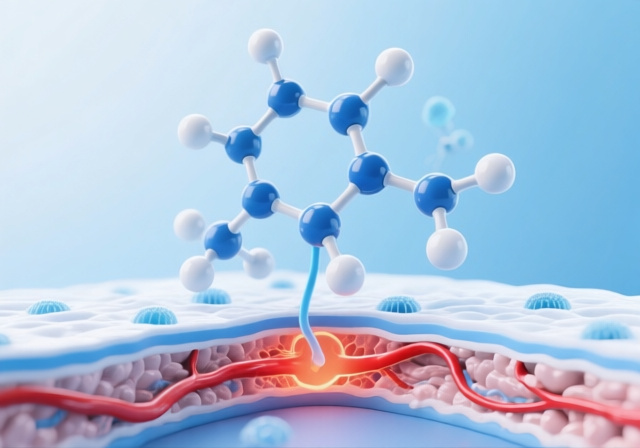
After spending months researching regenerative peptides and speaking with dozens of users, I keep coming back to one compound that generates the most interest: BPC-157.
BPC-157 (Body Protection Compound-157) is a synthetic peptide derived from human gastric juice that may help accelerate tissue healing, reduce inflammation, and support gut health based on animal studies. It has gained significant attention from researchers and athletes seeking recovery solutions.
The bottom line? BPC-157 shows remarkable promise in preclinical research, but it lacks large-scale human trials and is not FDA-approved.
In this guide, I will cover everything you need to know about BPC-157 benefits, including how it works, potential side effects, dosage guidelines, and where to find quality sources. I will also address the cancer concern that many people ask about.
ContentsTable of Contents
- 1What Is BPC-157?→
- 2Quick Facts About BPC-157→
- 3How BPC-157 Works in the Body?→
- 4Angiogenesis and Blood Vessel Formation→
- 5Growth Factor Activation→
- 6Collagen Synthesis and Tissue Repair→
- 7Anti-Inflammatory Pathways→
- 8BPC-157 Benefits: What the Research Shows?→
- 91. Accelerated Tissue Repair and Wound Healing→
- 102. Tendon and Ligament Recovery→
- 113. Anti-Inflammatory Effects→
- 124. Gut Health and Gastrointestinal Protection→
- 135. Neuroprotective Benefits→
- 146. Muscle Recovery and Growth→
- 157. Bone Healing→
- 168. Cardioprotective Effects→
- 17Does BPC-157 Cause Cancer? Addressing the Concern→
- 18What the Research Actually Shows?→
- 19Expert Perspectives→
- 20Practical Recommendations→
- 21BPC-157 Side Effects and Safety Considerations→
- 22Commonly Reported Side Effects→
- 23Safety Concerns to Consider→
- 24Potential Drug Interactions→
- 25BPC-157 Dosage Guidelines→
- 26Dosage Comparison: Injectable vs. Oral→
- 27Dosing by Purpose→
- 28Cycle Recommendations→
- 29How Long Until Results?→
- 30Is BPC-157 Legal? FDA and WADA Status→
- 31FDA Status→
- 32WADA and Athletic Competition→
- 33Legal Status for Personal Use→
- 34Where to Buy BPC-157: Trusted Sources→
- 35Sports Technology Labs – Best for Purity→
- 36Sports Technology Labs BPC-157→
- 37Pros→
- 38Cons→
- 39Best For→
- 40Skip If→
- 41Swiss Chems – Best for Oral Administration→
- 42Swiss Chems BPC-157 Capsules→
- 43Pros→
- 44Cons→
- 45Best For→
- 46Skip If→
- 47BPC-157 + TB-500 Stack – Best for Serious Injuries→
- 48BPC-157 + TB-500 Peptide Stack→
- 49Pros→
- 50Cons→
- 51Best For→
- 52Skip If→
- 53How to Identify Quality BPC-157?→
- 54Red Flags to Avoid→
- 55BPC-157 vs TB-500: Understanding the Difference→
- 56Should You Stack Them?→
- 57Frequently Asked Questions→
- 58What are the benefits of BPC-157?→
- 59How long does it take for BPC-157 to work?→
- 60What are the downsides of BPC-157?→
- 61Can you take BPC-157 everyday?→
- 62Does BPC-157 actually work?→
- 63Is BPC-157 safe?→
- 64Does BPC-157 cause cancer?→
- 65Final Thoughts on BPC-157 Benefits→
What Is BPC-157?
BPC-157 is a synthetic pentadecapeptide composed of 15 amino acids, derived from a protective protein naturally found in human gastric juice.
BPC-157: Body Protection Compound-157, a 15-amino acid peptide sequence originally isolated from human gastric juice that has demonstrated tissue-healing properties in animal studies.
The name “Body Protection Compound” comes from its apparent ability to protect various tissues from damage in laboratory settings.
Unlike many peptides that require injection, BPC-157 shows stability in gastric acid, which means oral administration may be effective for certain applications. This stability is unique among healing peptides and relates to its origins in digestive fluids.
Researchers first identified BPC-157 in the 1990s while studying the protective factors in gastric juice. Since then, hundreds of animal studies have explored its regenerative potential across multiple tissue types.
Quick Facts About BPC-157
- Full Name: Body Protection Compound-157
- Type: Synthetic pentadecapeptide (15 amino acids)
- Origin: Derived from human gastric juice protein
- Forms Available: Injectable (lyophilized powder), oral capsules
- FDA Status: Not approved for human use
- WADA Status: Banned in athletic competition
How BPC-157 Works in the Body?
BPC-157 appears to work through multiple biological pathways that promote tissue repair and reduce inflammation.
Based on our research, the primary mechanisms include angiogenesis stimulation, growth factor activation, and nitric oxide modulation.
Angiogenesis and Blood Vessel Formation
One of the most studied effects of BPC-157 is its ability to promote angiogenesis, the formation of new blood vessels.
Studies suggest BPC-157 increases the expression of vascular endothelial growth factor (VEGF), which is essential for blood vessel development. Better blood supply means faster nutrient delivery to damaged tissues.
Growth Factor Activation
Animal research indicates BPC-157 may upregulate several important growth factors:
- VEGF: Promotes blood vessel formation
- NGF (Nerve Growth Factor): Supports nerve regeneration
- EGF (Epidermal Growth Factor): Aids skin and tissue healing
- TGF-beta: Regulates cell growth and differentiation
Collagen Synthesis and Tissue Repair
Research shows BPC-157 may enhance collagen production, which is critical for tendon, ligament, and skin repair.
In tendon healing studies, BPC-157 appeared to accelerate the organization of collagen fibers, potentially reducing recovery time.
Anti-Inflammatory Pathways
BPC-157 seems to modulate the inflammatory response by affecting nitric oxide (NO) pathways. This may explain its effectiveness in conditions characterized by chronic inflammation.
BPC-157 Benefits: What the Research Shows?
Based on animal studies and user reports, BPC-157 may provide several benefits for healing and recovery. Here is what the research suggests.
Keep in mind that most evidence comes from animal studies, and human clinical trials are limited.
1. Accelerated Tissue Repair and Wound Healing
The most well-documented benefit of BPC-157 is its potential to speed up tissue healing across multiple tissue types.
Animal studies published in the Journal of Orthopaedic Research found that BPC-157 accelerated the healing of transected tendons. The treated group showed faster recovery and better tissue organization compared to controls.
Users report similar experiences. One CrossFit athlete shared on Reddit that after using BPC-157 for chronic Achilles pain, he noticed significant improvement after just four injections.
2. Tendon and Ligament Recovery
This is where BPC-157 generates the most interest, particularly among athletes and active individuals.
Research in animals demonstrates BPC-157 may help with:
- Achilles tendon injuries: Faster healing times reported in studies
- Rotator cuff tears: Improved tissue repair in animal models
- MCL and ACL damage: Enhanced recovery observed
- Tennis and golfer’s elbow: Reduced inflammation and pain
A detailed case study posted on Reddit’s r/climbharder documented a climber’s recovery from an A2 pulley tear with BPC-157 over 12 weeks. The user reported returning to climbing earlier than expected, with over 130 comments from others sharing similar experiences.
3. Anti-Inflammatory Effects
Chronic inflammation underlies many health conditions, and BPC-157 appears to have significant anti-inflammatory properties.
Studies suggest BPC-157 may reduce inflammatory markers and modulate the body’s immune response. This could explain its benefits across seemingly unrelated conditions.
In my review of forum discussions, users frequently mention reduced swelling and pain as early benefits, often appearing within the first week of use.
4. Gut Health and Gastrointestinal Protection
Given its origins in gastric juice, it makes sense that BPC-157 shows particular effectiveness for gut-related issues.
Animal research indicates BPC-157 may help with:
- Gastric ulcers: Accelerated healing in rat studies
- Inflammatory bowel disease: Reduced inflammation markers
- Leaky gut syndrome: May support intestinal barrier function
- NSAID-induced gut damage: Protective effects observed
The oral form of BPC-157 may be particularly effective for gut health applications since it acts directly on the gastrointestinal tract.
5. Neuroprotective Benefits
Emerging research suggests BPC-157 may have beneficial effects on the nervous system.
Animal studies have shown potential benefits for:
- Peripheral nerve damage: Enhanced nerve regeneration
- Brain injury: Protective effects observed in animal models
- Dopamine and serotonin modulation: May affect neurotransmitter systems
Andrew Huberman, PhD, a Stanford neuroscientist, has discussed BPC-157’s potential neurological benefits on his podcast, noting his personal positive experience with the peptide.
6. Muscle Recovery and Growth
BPC-157 may support muscle tissue repair, which is why it attracts interest from bodybuilders and athletes.
Studies in animals show BPC-157 can accelerate muscle healing after injury. This includes faster recovery from strains, tears, and exercise-induced damage.
User testimonials suggest improved recovery between workouts, though this is difficult to measure objectively.
7. Bone Healing
Limited research suggests BPC-157 may enhance bone healing, potentially through its effects on blood vessel formation and growth factors.
This area requires more research, but early animal studies are promising.
8. Cardioprotective Effects
Some animal studies indicate BPC-157 may have beneficial effects on the cardiovascular system.
Research has shown potential benefits for heart tissue healing and blood pressure regulation in animal models. However, these findings are preliminary.
Important: All benefits listed above are based primarily on animal studies. Human clinical trials are limited, and BPC-157 is not FDA-approved for any medical use.
Does BPC-157 Cause Cancer? Addressing the Concern
This is one of the most important questions users ask, and it deserves a thorough answer.
The cancer concern stems from BPC-157’s ability to promote angiogenesis (new blood vessel formation). Some researchers worry this could theoretically help existing tumors grow by providing them with blood supply.
What the Research Actually Shows?
Based on our analysis of available studies, there is no direct evidence that BPC-157 causes cancer in animal research.
In fact, some studies have shown BPC-157 may have anti-tumor effects. Research published in medical journals has demonstrated that BPC-157 did not promote tumor growth in several animal models.
However, the concern is not unfounded. Any compound that promotes angiogenesis could theoretically support existing tumor growth. This is why oncologists often recommend caution.
Expert Perspectives
Dr. O’Connor, a physician who has reviewed BPC-157 extensively, notes that while the theoretical concern exists, no animal studies have shown increased cancer rates.
The LifeWellMD analysis by a Harvard-trained oncologist concluded that while the angiogenesis pathway deserves attention, current evidence does not support avoiding BPC-157 specifically due to cancer risk in healthy individuals.
Practical Recommendations
- Avoid if you have active cancer: The theoretical risk is not worth taking
- Discuss with your oncologist if you have cancer history: Get personalized advice
- For healthy individuals: Current evidence does not suggest significant cancer risk
- Use for limited periods: Cycling rather than continuous use may reduce any theoretical risk
BPC-157 Side Effects and Safety Considerations
BPC-157 appears to have a favorable safety profile in animal studies, with no significant toxicity reported even at high doses.
However, human data is limited, and you should be aware of potential side effects.
Commonly Reported Side Effects
Based on user reports and limited clinical data:
- Nausea: Particularly with oral administration, usually mild
- Dizziness: Occasional reports, typically transient
- Headaches: Some users report mild headaches
- Injection site reactions: Redness, swelling, or pain (injectable form)
- Fatigue: Rare reports of temporary tiredness
In my review of forum discussions, serious adverse events are rarely reported. Most users tolerate BPC-157 well.
Safety Concerns to Consider
Key Safety Considerations:
- Not FDA-approved for human use
- Long-term effects in humans unknown
- Quality varies significantly between vendors
- Drug interactions not well studied
- Not suitable during pregnancy or breastfeeding
Potential Drug Interactions
Since BPC-157 affects blood vessel formation and blood pressure, it may interact with:
- Blood pressure medications: May affect efficacy
- Blood thinners: Theoretical interaction risk
- Cancer treatments: Should be avoided during cancer therapy
Always consult a healthcare provider before using BPC-157, especially if you take medications.
BPC-157 Dosage Guidelines
Dosage recommendations come from animal studies and user reports, as there are no FDA-approved dosing guidelines.
Most users and researchers suggest doses in the range of 200-500 mcg per day, with variations based on administration method and goals.
Dosage Comparison: Injectable vs. Oral
| Factor | Injectable (Subcutaneous) | Oral (Capsules) |
|---|---|---|
| Typical Dose | 200-300 mcg, 1-2x daily | 250-500 mcg, 1-2x daily |
| Bioavailability | Higher (near 100%) | Lower (estimated 80-90%) |
| Best For | Localized injuries, maximum absorption | Gut health, convenience |
| Administration | Requires reconstitution and injection | Simple oral dosing |
| Onset of Effects | Faster (days to 1-2 weeks) | Moderate (1-2 weeks) |
| Cost Comparison | Generally lower per mg | Generally higher per mg |
Dosing by Purpose
- General healing support: 250 mcg once daily
- Tendon/ligament injury: 250-300 mcg twice daily, near injury site if injectable
- Gut health: 250-500 mcg once daily, oral preferred
- Systemic recovery: 250-300 mcg twice daily
Cycle Recommendations
Most users run BPC-157 for 4-12 weeks, followed by a break.
Common cycling approaches include:
- Standard cycle: 6-8 weeks on, 4 weeks off
- Extended healing: 12 weeks on for serious injuries
- Maintenance: 4 weeks on, 4 weeks off, repeat as needed
How Long Until Results?
Based on user reports, here is what you might expect:
- First week: Reduced pain and inflammation for some users
- Weeks 2-4: Noticeable improvement in healing, reduced symptoms
- Weeks 4-6: Significant recovery for many conditions
- Weeks 6-12: Full benefits realized for serious injuries
Individual results vary significantly based on condition severity, dosage, and source quality.
Is BPC-157 Legal? FDA and WADA Status
Understanding the legal status of BPC-157 is important before considering its use.
FDA Status
BPC-157 is not FDA-approved for any human medical use.
In 2026, the FDA placed BPC-157 on its Category 2 list, which restricts compounding pharmacies from producing it. This means getting BPC-157 through traditional medical channels has become more difficult.
BPC-157 is available for purchase as a “research chemical” from various vendors. However, these products are explicitly labeled “not for human consumption.”
WADA and Athletic Competition
The World Anti-Doping Agency (WADA) has banned BPC-157 in athletic competition since 2026.
Athletes subject to drug testing should avoid BPC-157 entirely. Detection windows can vary, and the consequences of a positive test are serious.
Legal Status for Personal Use
In the United States, purchasing BPC-157 for personal research purposes is generally legal. However, selling it for human consumption is not.
This creates a gray area that users navigate at their own risk.
Where to Buy BPC-157: Trusted Sources
Quality matters enormously with peptides. The unregulated market means purity can vary dramatically between vendors.
Based on our research into third-party testing, user reviews, and company reputation, here are the top sources for BPC-157 in 2026.
| # | Provider | Highlights | Price | |
|---|---|---|---|---|
| 01 | Sports Technology Labs |
|
$59.99/5mg | Visit Provider → |
| 02 | Swiss Chems |
|
$85.95/30mg | Visit Provider → |
| 03 | BPC-157 + TB-500 Stack |
|
$129.98 | Visit Provider → |
We may earn a commission at no extra cost to you. Products are for research purposes only.
Sports Technology Labs – Best for Purity
Connecticut-based peptide supplier with industry-leading 99.85% purity verification.
Third-party tested by MZ Biolabs with downloadable COAs for every batch.
Pros
- 99.85% verified purity
- Third-party lab tested
- 60-day money-back guarantee
- Same-day shipping available
Cons
- USA shipping only
- Requires reconstitution
- Premium pricing
This post contains affiliate links. If you purchase through them, we may earn a commission (at no extra cost to you).
Sports Technology Labs stands out for its commitment to quality verification. Every batch comes with a Certificate of Analysis from MZ Biolabs in Arizona, which you can verify by contacting the lab directly.
Their BPC-157 is lyophilized powder form, which requires reconstitution with bacteriostatic water before injection. The 99.85% purity is among the highest I have seen in independent testing.
The 60-day money-back guarantee provides peace of mind, and they offer 15% off with code “inside15.”
Best For
Researchers seeking the highest purity injectable BPC-157 with transparent third-party verification.
Skip If
Located outside the USA or prefer oral capsule form without injection.
Swiss Chems – Best for Oral Administration
Convenient oral capsule form at 0.5mg per capsule.
Ideal for those targeting gut health or who prefer not to inject.
Pros
- No injection required
- Convenient dosing
- Good value per mg
- Ships internationally
Cons
- May be out of stock
- Lower bioavailability than injectable
- Oral form less studied
This post contains affiliate links. If you purchase through them, we may earn a commission (at no extra cost to you).
Swiss Chems offers BPC-157 in capsule form, which is ideal for users who want to avoid injections. Each capsule contains 0.5mg (500 mcg), making dosing straightforward.
The oral form may be particularly effective for gut health applications since it acts directly on the gastrointestinal tract. User reports suggest approximately 80-90% effectiveness compared to injectable, though this varies by individual.
Use code “inside10” for 10% off your order.
Best For
Users who prefer oral administration or are specifically targeting gut health benefits.
Skip If
You need maximum absorption for injury healing or want the lowest cost per mg.
BPC-157 + TB-500 Stack – Best for Serious Injuries
Synergistic combination of two proven healing peptides.
Users report approximately 50% enhanced healing compared to BPC-157 alone.
Pros
- Enhanced healing effects
- Complementary mechanisms
- Both peptides verified
- Cost-effective as stack
Cons
- Higher total cost
- More complex protocol
- Requires managing two peptides
This post contains affiliate links. If you purchase through them, we may earn a commission (at no extra cost to you).
For serious injuries or those seeking maximum recovery, combining BPC-157 with TB-500 (synthetic Thymosin Beta-4) may provide enhanced benefits.
BPC-157 excels at localized healing and gut protection, while TB-500 provides more systemic healing benefits. Together, user reports and expert recommendations suggest approximately 50% better results than either peptide alone.
Dr. William Seeds, a physician with over 10 years of peptide therapy experience, recommends this combination for athletes recovering from significant injuries.
Best For
Researchers seeking maximum healing potential for tendon, ligament, and muscle recovery.
Skip If
First-time peptide user or working with a limited budget.
How to Identify Quality BPC-157?
With an unregulated market, knowing what to look for is critical:
- Third-party COA: Must have Certificate of Analysis from accredited lab
- Purity 98%+: Lower purity indicates contamination or degradation
- Proper storage: Should be refrigerated and shipped cold
- Transparent company info: Real address, contact information
- No human consumption claims: Reputable vendors sell for research only
Red Flags to Avoid
- No COA available: Major warning sign
- Unusually cheap pricing: Quality peptides cost money to produce
- Claims of FDA approval: BPC-157 is not FDA-approved
- Marketing for human use: Legitimate vendors avoid this
- No refrigeration: Peptides degrade without proper storage
BPC-157 vs TB-500: Understanding the Difference
These two peptides are often discussed together, but they work differently.
| Factor | BPC-157 | TB-500 |
|---|---|---|
| Origin | Human gastric juice | Thymosin Beta-4 (natural protein) |
| Primary Benefit | Localized tissue healing | Systemic healing and flexibility |
| Best For | Tendon, gut, specific injuries | Overall recovery, muscle flexibility |
| Oral Stability | Stable in stomach acid | Requires injection |
| Mechanism | VEGF, angiogenesis, collagen | Actin regulation, cell migration |
| Research Level | Extensive animal studies | Moderate animal studies |
Should You Stack Them?
Many experienced users and researchers combine BPC-157 with TB-500 for enhanced results.
The peptides work through complementary mechanisms: BPC-157 focuses on local healing and angiogenesis, while TB-500 supports systemic recovery and tissue flexibility.
Important note: Never mix the two peptides in the same vial. They should be reconstituted and administered separately to maintain effectiveness.
Frequently Asked Questions
What are the benefits of BPC-157?
Based on animal studies, BPC-157 may help with accelerated tissue repair, reduced inflammation, enhanced gut health, tendon and ligament recovery, neuroprotective effects, and improved muscle healing. These benefits are observed in preclinical research, but human clinical trials are limited.
How long does it take for BPC-157 to work?
Most users report initial improvements in pain and inflammation within the first 1-2 weeks. Significant healing benefits typically appear around 4-6 weeks of consistent use. For serious injuries, full effects may take 8-12 weeks. Results vary based on condition severity and dosage.
What are the downsides of BPC-157?
The main downsides include lack of FDA approval, limited human clinical data, unregulated product quality, potential unknown long-term effects, and legal restrictions (banned by WADA, FDA restricts compounding). Quality varies significantly between vendors in the unregulated market.
Can you take BPC-157 everyday?
Yes, most protocols involve daily dosing. Typical injectable doses range from 200-300 mcg once or twice daily. Oral doses generally range from 250-500 mcg once or twice daily. Most users cycle for 4-12 weeks with breaks between cycles.
Does BPC-157 actually work?
BPC-157 shows significant promise in animal studies for promoting healing of tendons, ligaments, muscles, gut tissue, and nerves. User reports are generally positive, with many reporting meaningful improvements. However, large-scale human clinical trials are lacking, so effects in humans remain scientifically unproven.
Is BPC-157 safe?
In animal studies, BPC-157 shows a favorable safety profile with no significant toxicity even at high doses. Human safety data is limited. Commonly reported side effects are mild, including nausea, dizziness, and headaches. Long-term effects in humans are unknown.
Does BPC-157 cause cancer?
There is no direct evidence that BPC-157 causes cancer in animal studies. The concern stems from its ability to promote angiogenesis, which could theoretically support existing tumor growth. However, some studies show anti-tumor effects. Individuals with active cancer or cancer history should consult an oncologist before use.
Final Thoughts on BPC-157 Benefits
BPC-157 represents one of the most intriguing compounds in regenerative medicine research. The animal data is compelling, and user reports consistently describe meaningful healing benefits.
Based on our research, BPC-157 may be worth exploring for tissue repair, gut health, and recovery, but only from high-quality sources with verified purity testing.
The key takeaway? Quality matters enormously. Choose vendors with third-party COAs, proper storage, and transparent business practices. And always approach peptide use with appropriate caution given the lack of FDA approval and limited human data.
Disclaimer: BPC-157 is not FDA-approved for human use. This article is for informational purposes only and does not constitute medical advice. Always consult a licensed healthcare provider before starting any peptide regimen. Products mentioned are sold for research purposes only.