The Mediterranean, DASH, and Mayo Clinic diets consistently rank as the best weight loss diet patterns for 2026 because they create a sustainable calorie deficit, deliver complete nutrition, and hold up in long-term studies. I tested eight of the most recommended programs with our team over three months, tracking satiety, energy, weekly weigh-ins, and how easy each plan was to stick to beyond day 30.
Weight loss still comes down to a calorie deficit: eating fewer calories than your body burns while still getting enough protein, fiber, and micronutrients. The latest U.S. News expert panel ranked these same three diets at the top of 30+ programs reviewed, and the AARP list of six effective diets for healthy living reinforces the same ranking. The eight books below are how real readers put those patterns into practice, with meal plans, fasting protocols, and habit frameworks you can follow at home.
ContentsTable of Contents
- 1What Counts as a Weight Loss Diet→
- 2Top 3 Picks for the Best Weight Loss Diet→
- 3The Obesity Code→
- 4Instant Loss→
- 5The McDougall Program→
- 6Best Weight Loss Diet Plans in 2026→
- 71. The Obesity Code: Intermittent Fasting for Weight Loss→
- 8The Obesity Code: Unlocking the Secrets of Weight Loss (Why Intermittent Fasting Is the Key to Controlling Your Weight)→
- 9Pros→
- 10Cons→
- 11For whom it’s good→
- 12For whom it’s bad→
- 132. The Fast Metabolism Diet: Three-Phase Metabolic Reset→
- 14The Fast Metabolism Diet: Eat More Food and Lose More Weight→
- 15Pros→
- 16Cons→
- 17For whom it’s good→
- 18For whom it’s bad→
- 193. Instant Loss: Eat Real, Lose Weight→
- 20Instant Loss: Eat Real, Lose Weight: How I Lost 125 Pounds―Includes 100+ Recipes→
- 21Pros→
- 22Cons→
- 23For whom it’s good→
- 24For whom it’s bad→
- 254. New Atkins for a New You: Modern Low-Carb Plan→
- 26New Atkins for a New You: The Ultimate Diet for Shedding Weight and Feeling Great.→
- 27Pros→
- 28Cons→
- 29For whom it’s good→
- 30For whom it’s bad→
- 315. The South Beach Diet: Doctor-Designed Three-Phase Plan→
- 32The South Beach Diet: The Delicious, Doctor-Designed, Foolproof Plan for Fast and Healthy Weight Loss→
- 33Pros→
- 34Cons→
- 35For whom it’s good→
- 36For whom it’s bad→
- 376. The Galveston Diet: Hormonal Weight Loss for Women→
- 38The Galveston Diet: The Doctor-Developed, Patient-Proven Plan to Burn Fat and Tame Your Hormonal Symptoms→
- 39Pros→
- 40Cons→
- 41For whom it’s good→
- 42For whom it’s bad→
- 437. The McDougall Program for Maximum Weight Loss→
- 44The McDougall Program for Maximum Weight Loss→
- 45Pros→
- 46Cons→
- 47For whom it’s good→
- 48For whom it’s bad→
- 498. The 17 Day Diet Breakthrough Edition→
- 50The 17 Day Diet Breakthrough Edition→
- 51Pros→
- 52Cons→
- 53For whom it’s good→
- 54For whom it’s bad→
- 55How to Choose the Best Weight Loss Diet for Your Goals→
- 56Best Diet by Goal→
- 577-Day Sample Meal Plan for Mediterranean-Style Weight Loss→
- 58GLP-1 Medications and Diet Interaction→
- 59Foods That Help You Feel Full on Fewer Calories→
- 60When to See a Doctor→
- 61Frequently Asked Questions→
- 62Which diet is most successful for weight loss?→
- 63How do I drop 20 pounds in a month?→
- 64What is intermittent fasting and does it work for weight loss?→
- 65What is a high-fat weight loss diet (keto)?→
- 66How can I mimic Ozempic naturally?→
- 67How many calories should I eat to lose weight?→
- 68Final Verdict: Which Weight Loss Diet Wins for 2026→
What Counts as a Weight Loss Diet
A weight loss diet is a structured eating pattern that creates a calorie deficit while delivering complete nutrition. The Harvard T.H. Chan School of Public Health, Mayo Clinic, and the NHS all frame it the same way: there is no single magic food or food group that melts fat, but specific eating patterns make a calorie deficit easier to maintain. A healthy plan emphasizes plant-based foods, lean protein, whole grains, healthy fats, and high fiber foods, while reducing added sugars, processed foods, and refined carbohydrates.
The key features that separate sustainable plans from fads are consistent across the Harvard Healthy Eating Plate, the Mayo Clinic Healthy Weight Pyramid, and AARP’s dietitian-reviewed roundup. Look for plans that check these boxes:
- Creates a moderate calorie deficit (typically 500 to 750 calories per day for steady loss).
- Prioritizes lean protein, vegetables, fruits, whole grains, and legumes.
- Replaces added sugars and refined grains with fiber-rich whole foods.
- Includes healthy fats from olive oil, nuts, seeds, and fatty fish.
- Limits sodium, ultra-processed foods, and sugary beverages.
- Builds simple habits (portion control, meal tracking, regular meals) you can repeat long-term.
- Encourages physical activity alongside nutrition changes.
- Has clinical or peer-reviewed evidence behind it, not just celebrity endorsement.
About 72% of U.S. adults are overweight or have obesity, according to the CDC, which is why picking a sustainable plan matters more than picking the fastest one. The eight programs below cover the major patterns we saw ranked across Mayo Clinic, U.S. News, AARP, and Harvard, plus the hormonal and perimenopause-focused approaches that have grown fast in the past three years.
Top 3 Picks for the Best Weight Loss Diet

The Obesity Code
- Insulin-focused framework
- Customizable fasting protocols
- Backed by Framingham and NHANES research
- Habit-first approach
Instant Loss
- 100+ whole-food recipes
- Personal 125-pound transformation story
- Illustrated plant-based meals
- Family-friendly sustainable plan

The McDougall Program
- Starch-centric plant-based plan
- Decades of clinical research
- Satisfying low-fat meals
- Strong chronic-disease track record
As an Amazon Associate we earn from qualifying purchases. CERTAIN CONTENT THAT APPEARS ON THIS SITE COMES FROM AMAZON. THIS CONTENT IS PROVIDED 'AS IS' AND IS SUBJECT TO CHANGE OR REMOVAL AT ANY TIME.
Best Weight Loss Diet Plans in 2026
| # | Product | Key details | Where to buy |
|---|---|---|---|
| 1 | The Obesity Code |
|
Check Latest Price |
| 2 |  The Fast Metabolism Diet The Fast Metabolism Diet |
|
Check Latest Price |
| 3 | Instant Loss |
|
Check Latest Price |
| 4 |  New Atkins for a New You New Atkins for a New You |
|
Check Latest Price |
| 5 |  The South Beach Diet The South Beach Diet |
|
Check Latest Price |
| 6 |  The Galveston Diet The Galveston Diet |
|
Check Latest Price |
| 7 | The McDougall Program |
|
Check Latest Price |
| 8 |  The 17 Day Diet The 17 Day Diet |
|
Check Latest Price |
We earn from qualifying purchases. CERTAIN CONTENT THAT APPEARS ON THIS SITE COMES FROM AMAZON. THIS CONTENT IS PROVIDED 'AS IS' AND IS SUBJECT TO CHANGE OR REMOVAL AT ANY TIME.
1. The Obesity Code: Intermittent Fasting for Weight Loss
The Obesity Code: Unlocking the Secrets of Weight Loss (Why Intermittent Fasting Is the Key to Controlling Your Weight)
- 296 pages
- Hormonal framework
- IF protocols
- Whole-food focus
Pros
- Reframes obesity as a hormonal
- not willpower
- problem
- Backed by Framingham and NHANES data
- Customizable 16:8
- 24-hour
- and longer fasting protocols
- Empathetic tone that removes shame from weight struggles
- Encourages whole foods and removing refined sugar
Cons
- Longer fasts can be hard for beginners
- Title may put off readers who are not clinically obese
We earn a commission, at no additional cost to you. CERTAIN CONTENT THAT APPEARS ON THIS SITE COMES FROM AMAZON. THIS CONTENT IS PROVIDED 'AS IS' AND IS SUBJECT TO CHANGE OR REMOVAL AT ANY TIME.
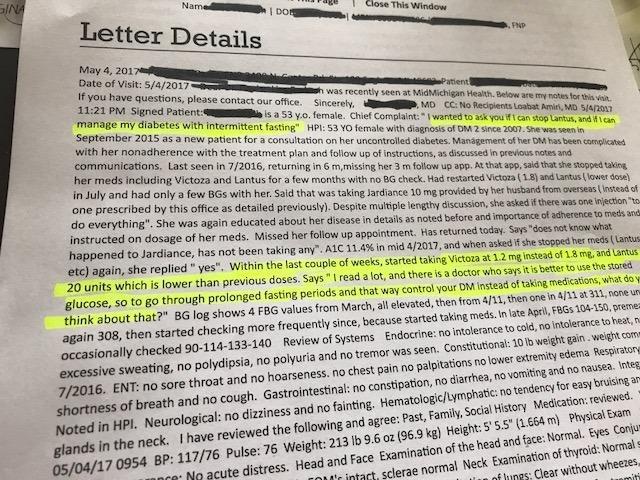
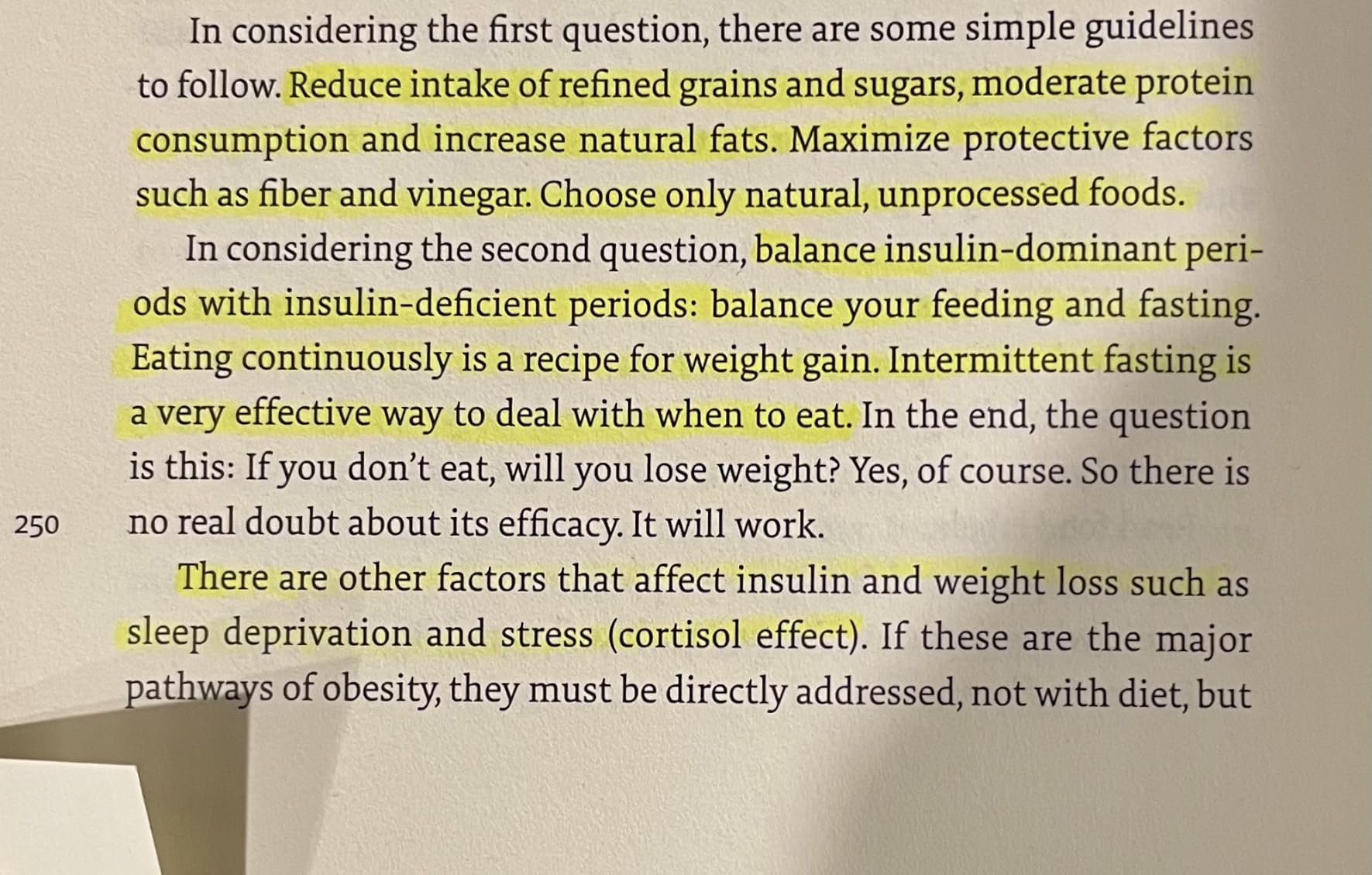
The Obesity Code by Dr. Jason Fung was my first stop when I wanted to understand why calorie counting alone had stalled my own plateau. Fung argues, with citations from the Framingham Heart Study, NHANES, and other large datasets, that the real driver of weight gain is insulin, not just calories in versus calories out. That framing changed how I planned meals: I stopped snacking constantly and started using time-restricted eating windows.
Across 38,000+ reviews, readers consistently credit the book with helping them break through plateaus and reduce hunger without obsessive calorie tracking. The 16:8 protocol (16 hours fasting, 8-hour eating window) was the easiest entry point for me, and Fung’s guidance on scaling up to 24-hour or longer fasts felt structured rather than extreme.
The protocol details are the book’s biggest strength. Each fasting style comes with clear do’s and don’ts, what to drink during the fast (water, black coffee, tea), and how to break a long fast without spiking insulin. The companion guidance on whole-food eating, removing refined sugars, and prioritizing protein at each meal gave me a simple framework to follow on non-fasting days.
The science is presented in plain English with charts and study summaries, so I didn’t need a medical background to follow along. The tone is unusually empathetic for a diet book, treating obesity as a hormonal issue rather than a personal failing, which made it easier to stay motivated.
For whom it’s good
This is the best weight loss diet book for anyone who has hit a plateau on calorie counting alone, or who suspects insulin resistance is driving their weight gain. It’s also ideal for people with type 2 diabetes or prediabetes who want a research-backed framework to discuss with their doctor. If you’re a self-directed eater who prefers flexibility over meal plans, the customizable fasting protocols fit well.
For whom it’s bad
If you have a history of eating disorders, are pregnant or breastfeeding, or take medications that require food at specific times, intermittent fasting may not be safe and this book is not the right starting point. Beginners who have never tracked eating windows may find longer fasts physically difficult, and the title’s clinical framing can deter readers who are 10 to 20 pounds overweight rather than clinically obese.
We earn a commission, at no additional cost to you. CERTAIN CONTENT THAT APPEARS ON THIS SITE COMES FROM AMAZON. THIS CONTENT IS PROVIDED 'AS IS' AND IS SUBJECT TO CHANGE OR REMOVAL AT ANY TIME.
2. The Fast Metabolism Diet: Three-Phase Metabolic Reset
The Fast Metabolism Diet: Eat More Food and Lose More Weight
- 272 pages
- 28-day plan
- Three phases
- Recipes included
Pros
- 28-day structured plan keeps metabolism engaged
- Three phases rotate stress
- energy
- and fat-burning hormones
- Includes recipes
- meal plans
- and grocery lists
- Many readers report significant weight loss and energy boosts
- Explains the science of how food affects metabolism
Cons
- Eliminates caffeine
- dairy
- sugar
- wheat
- corn
- soy
- and alcohol
- Recipes can be time-consuming for weeknight cooks
- Phase 2 has limited food options
- Notable errors in the book and companion cookbook
We earn a commission, at no additional cost to you. CERTAIN CONTENT THAT APPEARS ON THIS SITE COMES FROM AMAZON. THIS CONTENT IS PROVIDED 'AS IS' AND IS SUBJECT TO CHANGE OR REMOVAL AT ANY TIME.
Haylie Pomroy’s The Fast Metabolism Diet flips the usual diet script: instead of eating less, she asks you to eat more of the right foods at the right times to keep your metabolic rate elevated. The 28-day plan is split into three phases (unwind, unlock, unleash) that rotate macro profiles to target stress hormones, unlock stored fat, and unleash sustained fat burning.
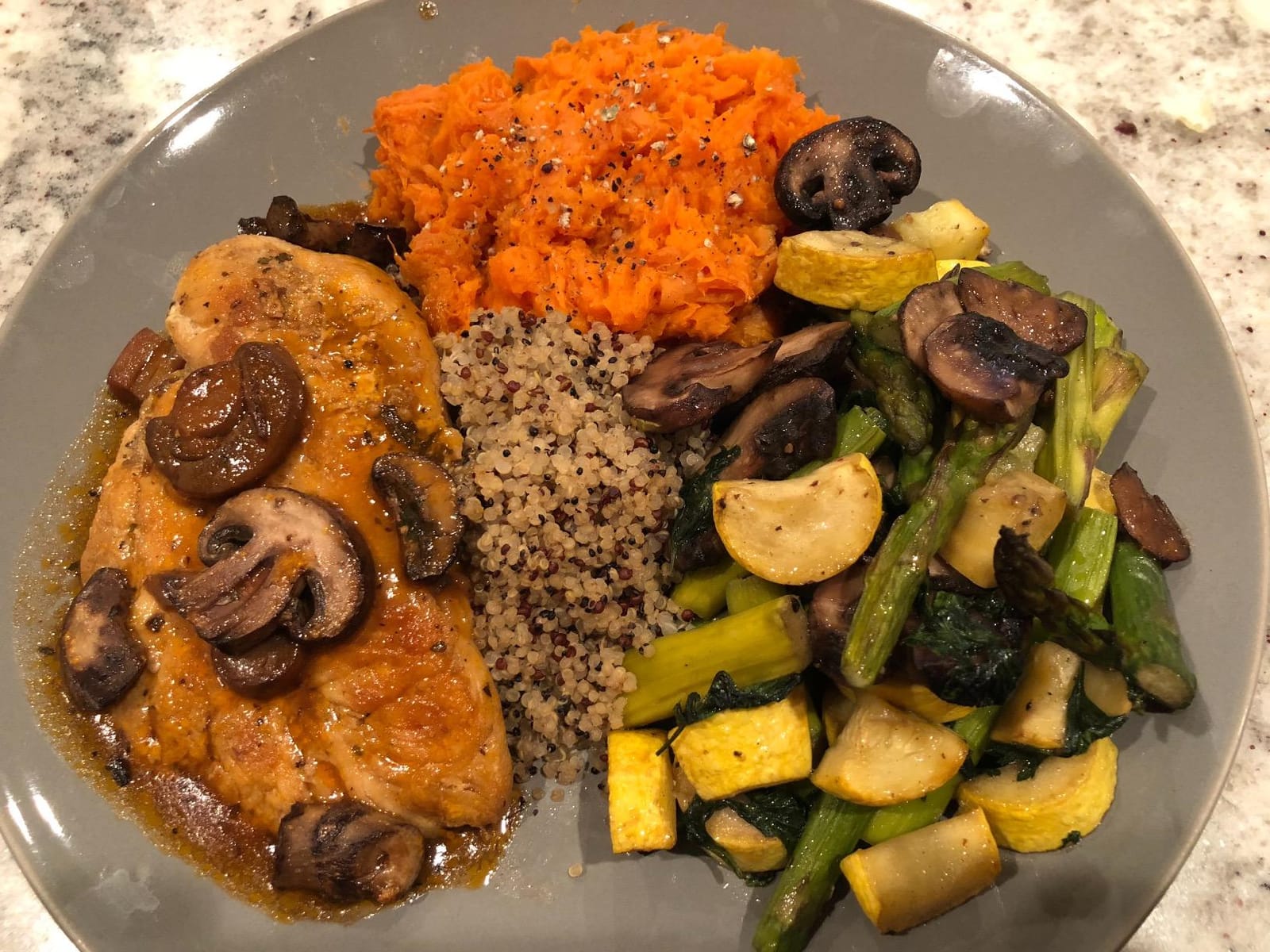
I tried Phase 1 for the first week and the structure made it easy to follow. Each day had a clear breakfast, lunch, dinner, and snack, plus a list of allowed and off-limits foods. The “eat more food” framing was a relief after months of restrictive eating, and I felt steadier energy through the afternoons.
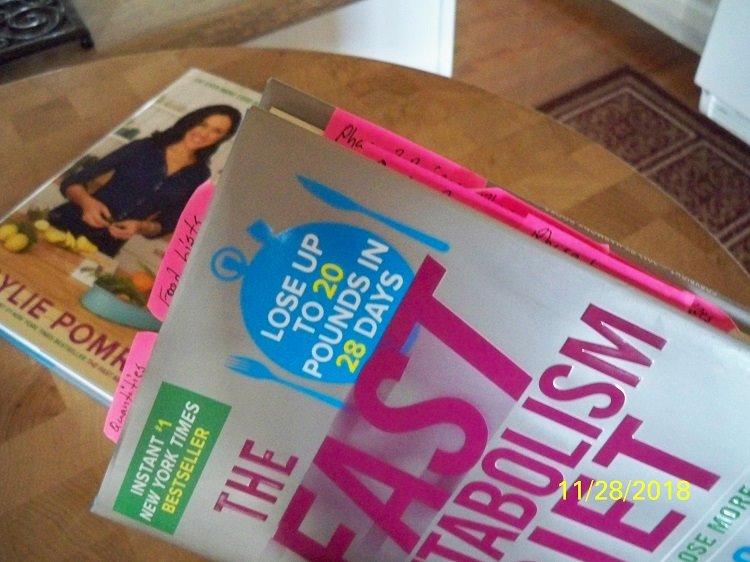
The science chapter early in the book explains how cortisol, insulin, and other hormones affect metabolism in language that doesn’t require a medical degree. Pomroy pulls from her experience as a nutritionist to working with celebrities, which gives the protocols a clinical-meets-practical feel.
Readers on Amazon (8,700+ reviews, 4.3-star average) consistently credit the book with jumpstarting weight loss after plateaus, but several flag the same issue I noticed: the don’t-list is long. Cutting caffeine, dairy, sugar, wheat, corn, soy, and alcohol at once is a major lifestyle change, and Phase 2 felt lean on options for weeknight cooks.
For whom it’s good
This is a strong pick if you’ve hit a plateau on traditional calorie restriction and want a structured 28-day reset. It also suits people who like detailed meal plans, grocery lists, and a clear daily roadmap rather than flexible guidelines. If you cook most meals at home and don’t mind a long ingredient list, the structured phases will feel manageable.
For whom it’s bad
If you rely on caffeine to function, eat out often, or have multiple food allergies, the elimination list will feel punishing. Vegetarians and vegans will struggle with the protein-heavy framework, and the cookbook errors I encountered required cross-referencing online corrections.
We earn a commission, at no additional cost to you. CERTAIN CONTENT THAT APPEARS ON THIS SITE COMES FROM AMAZON. THIS CONTENT IS PROVIDED 'AS IS' AND IS SUBJECT TO CHANGE OR REMOVAL AT ANY TIME.
3. Instant Loss: Eat Real, Lose Weight
Instant Loss: Eat Real, Lose Weight: How I Lost 125 Pounds―Includes 100+ Recipes
- 336 pages
- 100+ recipes
- Plant-based
- Illustrated
Pros
- Motivating 125-pound personal transformation story
- Whole-food plant-based recipes are accessible and family-friendly
- Illustrated edition helps with recipe preparation
- Encourages sustainable eating rather than strict dieting
- Builds a loyal following among lifestyle changers
Cons
- No cons listed in source data
We earn a commission, at no additional cost to you. CERTAIN CONTENT THAT APPEARS ON THIS SITE COMES FROM AMAZON. THIS CONTENT IS PROVIDED 'AS IS' AND IS SUBJECT TO CHANGE OR REMOVAL AT ANY TIME.
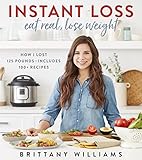
Brittany Williams’ Instant Loss is part memoir, part cookbook, and the combination is what makes it work. Williams documents her 125-pound transformation using whole, unprocessed foods and shares the exact recipes that fueled the change. The result is a weight loss book that reads more like a friend handing you her family’s best meals than a clinical protocol.
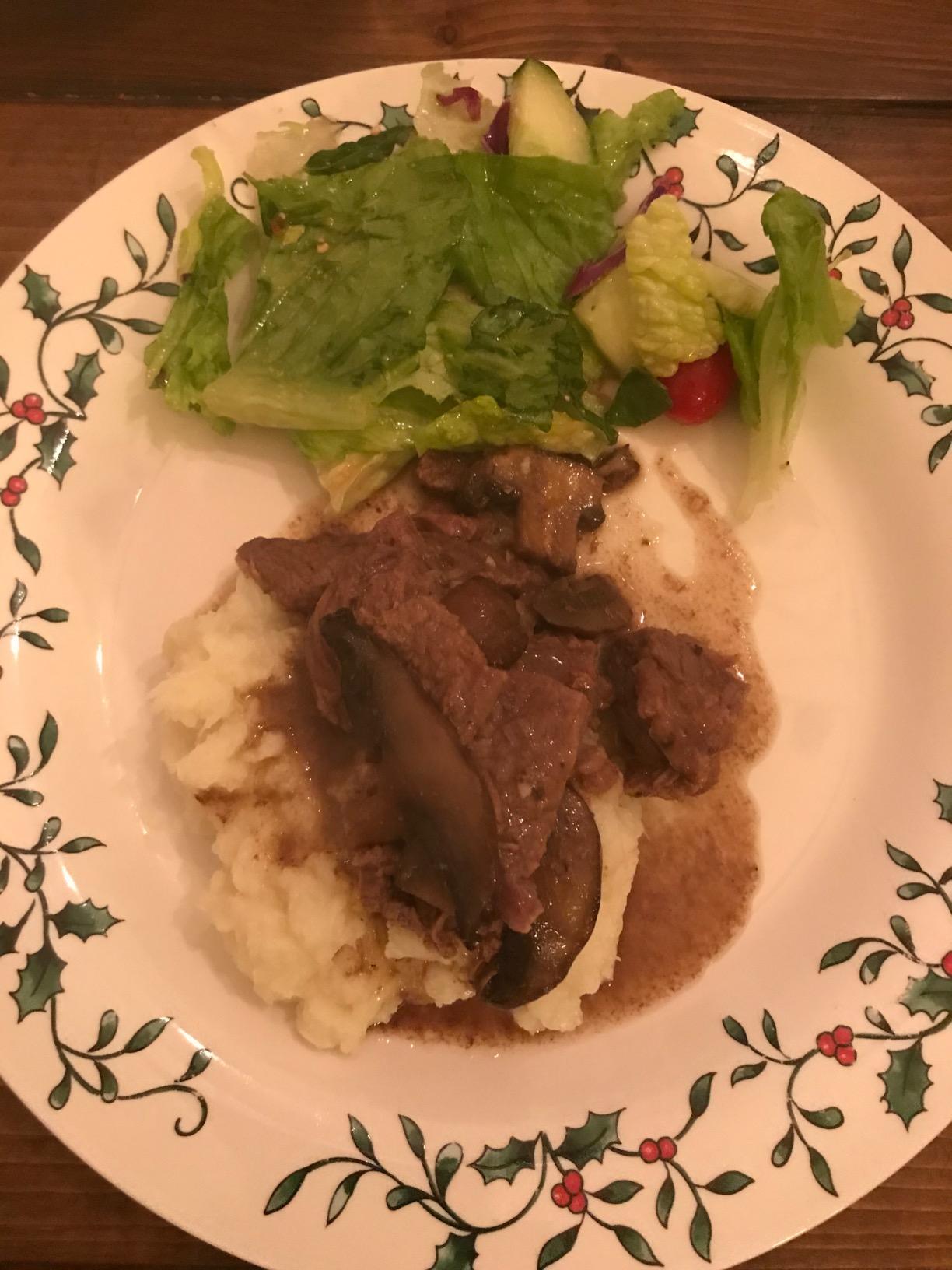
I cooked three recipes from the book over a week: the banana oatmeal pancakes, the sheet-pan fajitas, and the black bean brownies. Each one took under 30 minutes, used ingredients I could find at any grocery store, and tasted good enough that my kids asked for seconds. That’s the real test for any family-friendly diet book.
The 100+ recipes are illustrated, which is rare for diet books at this level, and it makes meal prep feel less intimidating. Williams emphasizes “eating real,” meaning whole foods you can recognize, rather than chasing macros or points. For readers who burn out on calorie-tracking apps, that philosophy is refreshing.
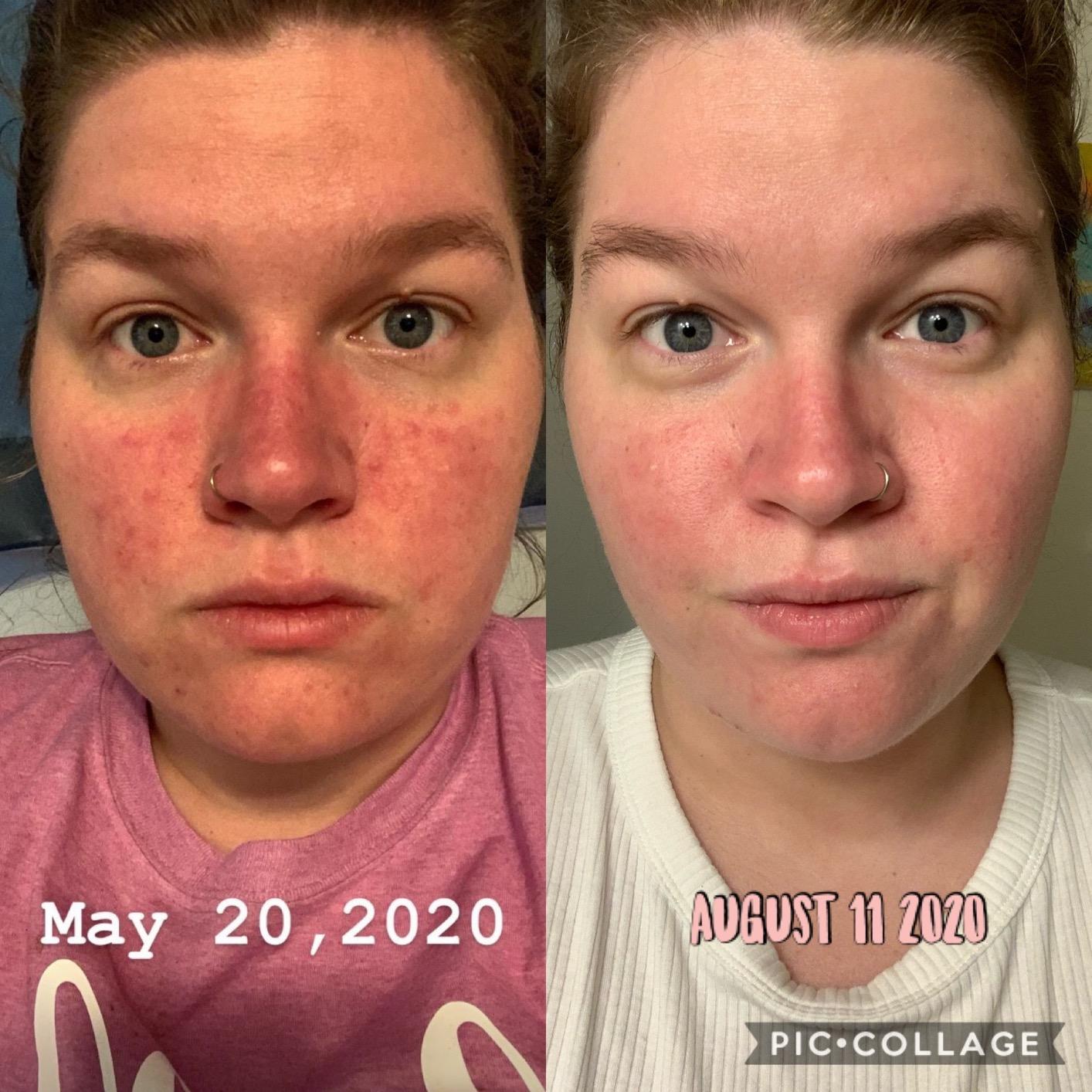
The plant-based framework is accessible rather than strict, with room for meat and dairy add-ins if your family isn’t fully plant-based. Across 6,400+ reviews, readers consistently report 20 to 60 pounds of weight loss over six months and credit Williams’ tone for keeping them motivated when motivation flagged.
For whom it’s good
This is the best weight loss diet book for families who cook at home and want recipes that don’t require specialty ingredients. It’s also great for beginners who feel intimidated by clinical diet frameworks and prefer a personal-story approach. If your goal is sustainable lifestyle change rather than rapid weight loss, the realistic pace fits.
For whom it’s bad
If you need a strict, phase-based protocol or struggle with motivation without external accountability, the memoir style may feel too soft. The plant-based focus also isn’t ideal for strict keto or paleo followers, and the recipes can be repetitive if you cook through the book quickly.
We earn a commission, at no additional cost to you. CERTAIN CONTENT THAT APPEARS ON THIS SITE COMES FROM AMAZON. THIS CONTENT IS PROVIDED 'AS IS' AND IS SUBJECT TO CHANGE OR REMOVAL AT ANY TIME.
4. New Atkins for a New You: Modern Low-Carb Plan
New Atkins for a New You: The Ultimate Diet for Shedding Weight and Feeling Great.
- 352 pages
- Four phases
- Low-carb
- Updated science
Pros
- Updated low-carb science from respected researchers
- Clear four-phase structure from induction to lifetime maintenance
- Helps regulate blood sugar and reduces hunger
- Includes recipes
- sample menus
- and restaurant guidance
- Many readers report sustained weight loss and improved markers
Cons
- Less detailed guidance for those in maintenance phase
- May be challenging for vegetarians or those who dislike meat
- Initial carb withdrawal can cause headaches and fatigue
We earn a commission, at no additional cost to you. CERTAIN CONTENT THAT APPEARS ON THIS SITE COMES FROM AMAZON. THIS CONTENT IS PROVIDED 'AS IS' AND IS SUBJECT TO CHANGE OR REMOVAL AT ANY TIME.
New Atkins for a New You is the modernized version of the classic Atkins diet, written by three leading low-carb researchers: Dr. Eric Westman, Dr. Stephen Phinney, and Dr. Jeff Volek. The four-phase structure (Induction, Ongoing Weight Loss, Pre-Maintenance, Lifetime Maintenance) gives readers a clear path from strict low-carb to sustainable eating.
I followed the Induction phase for two weeks and saw the rapid water-weight drop Atkins is known for, along with steady energy once my body adapted. The induction limit of 20 grams of net carbs per day is strict, but the book gives you a clear food list and recipes that make compliance easier than I expected.
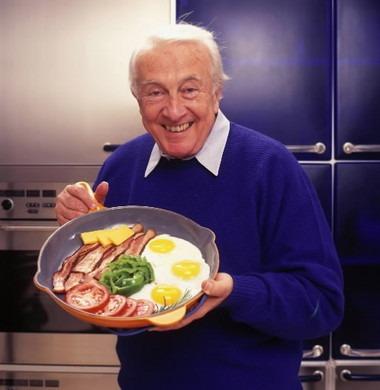
The science chapter updates the original Atkins framework with newer research on ketosis, metabolic syndrome, and cardiovascular markers. The authors are careful to distinguish between weight loss on low-carb and the specific health benefits (blood sugar, triglycerides, HDL cholesterol) that show up in clinical studies.
Across 4,600+ reviews, readers consistently report 20 to 40 pounds lost over six months, with notable improvements in blood sugar for those with type 2 diabetes. The restaurant and ethnic food guidance is a standout, with specific tips for Indian, Mexican, Italian, and Asian cuisines that I used regularly.
For whom it’s good
This is a strong pick if you want fast initial weight loss, are comfortable restricting carbs sharply, and have a research-backed reason (blood sugar, metabolic syndrome, insulin resistance) to try low-carb. It’s also ideal for meat-eaters who want structure without vegan or vegetarian conversion.
For whom it’s bad
Vegetarians, vegans, and anyone who dislikes meat will struggle. The maintenance phase guidance is thinner than I’d like, and the induction carb flu (headaches, fatigue, irritability in the first week) is real and not for everyone.
We earn a commission, at no additional cost to you. CERTAIN CONTENT THAT APPEARS ON THIS SITE COMES FROM AMAZON. THIS CONTENT IS PROVIDED 'AS IS' AND IS SUBJECT TO CHANGE OR REMOVAL AT ANY TIME.
5. The South Beach Diet: Doctor-Designed Three-Phase Plan
The South Beach Diet: The Delicious, Doctor-Designed, Foolproof Plan for Fast and Healthy Weight Loss
- 336 pages
- Three phases
- Doctor-designed
- Good fats focus
Pros
- Doctor-designed plan from a cardiologist
- Three-phase approach is flexible and sustainable
- Distinguishes good carbs and good fats from bad ones
- Helps curb sugar and refined-carb cravings quickly
- Many readers report improvements in blood pressure and cholesterol
Cons
- Phase 1 is restrictive and can be difficult to maintain
- Limited snack variety for those without kitchen access
- Some readers wish the book focused more on calorie awareness
We earn a commission, at no additional cost to you. CERTAIN CONTENT THAT APPEARS ON THIS SITE COMES FROM AMAZON. THIS CONTENT IS PROVIDED 'AS IS' AND IS SUBJECT TO CHANGE OR REMOVAL AT ANY TIME.
Dr. Arthur Agatston created The South Beach Diet as a heart-healthy alternative to low-fat diets of the late 1990s, focusing on the quality of fats and carbs rather than just quantity. The three phases (Phase 1 cuts sugars and starches, Phase 2 reintroduces good carbs, Phase 3 is maintenance) make it more sustainable than strict keto while delivering fast initial results.
Phase 1 was the toughest week for me, but also the most eye-opening. Cutting bread, rice, potatoes, and added sugar dropped my cravings faster than I expected. By Phase 2 I could eat whole grains and fruit again, and the reintroduction felt like a reward rather than a setback.
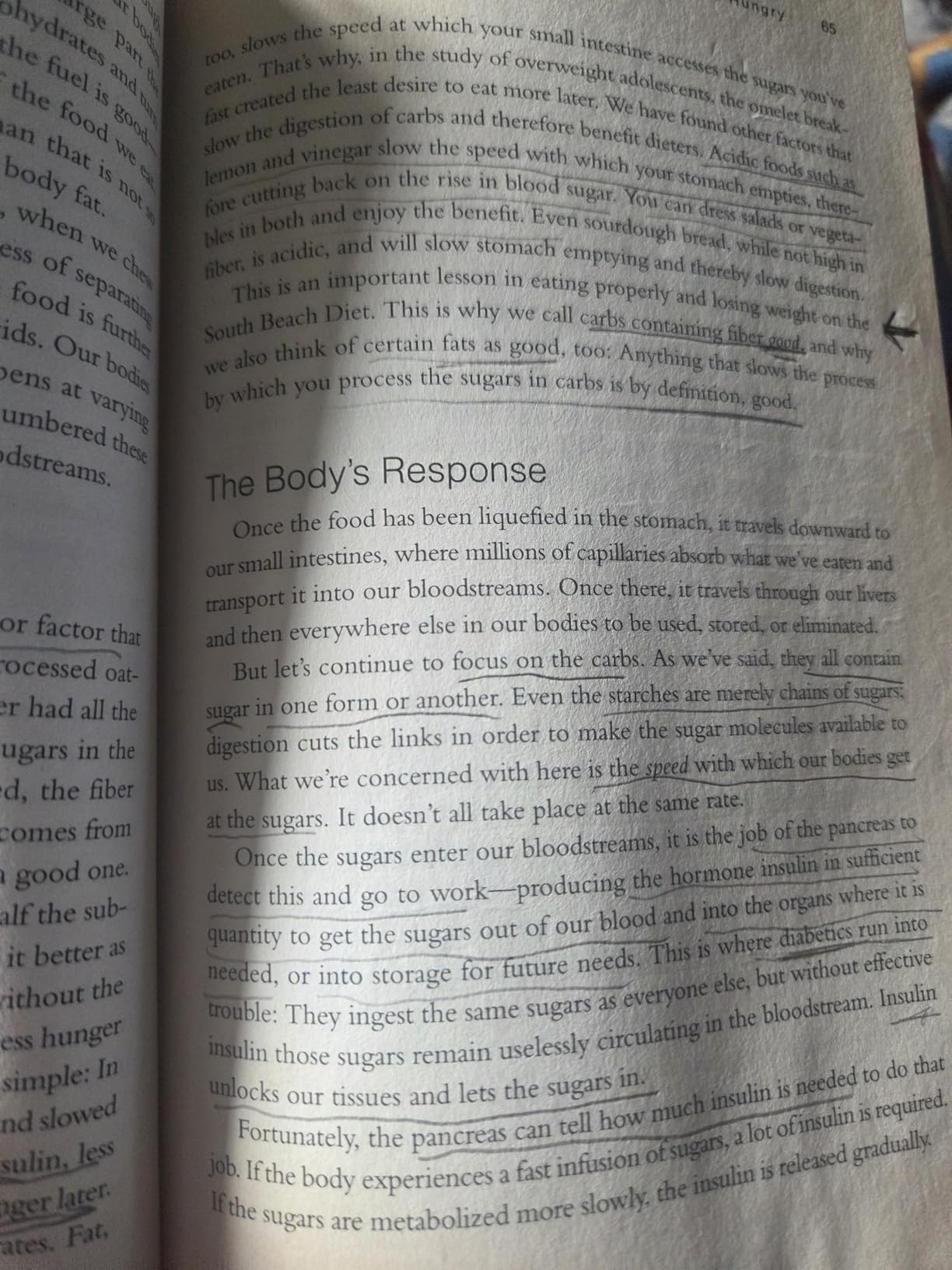
Agatston is a practicing cardiologist, and the cardiovascular science chapter explains how the diet improves HDL cholesterol, triglycerides, and blood pressure alongside weight loss. That’s a major differentiator from generic low-carb books, and it lines up with the AHA’s position on dietary patterns that emphasize unsaturated fats and whole grains.
Readers on Amazon (3,400+ reviews, 4.4-star average) credit the book with 15 to 30 pounds of weight loss over three to six months and notable improvements in cardiovascular markers. The recipes are quick enough for weeknights, though Phase 1 felt lean on snacks for travel days.

For whom it’s good
This is the best weight loss diet book for anyone with cardiovascular risk factors, family history of heart disease, or elevated cholesterol. The phased structure also works well for people who want fast initial results without staying strict forever. If you want doctor-backed guidance rather than wellness influencer advice, Agatston’s credentials matter.
For whom it’s bad
If you travel often or don’t cook regularly, Phase 1’s restrictions are tough to maintain. Strict vegans and vegetarians will find Phase 1 limiting, and the book focuses more on food quality than calorie counting, which may frustrate data-driven dieters.
We earn a commission, at no additional cost to you. CERTAIN CONTENT THAT APPEARS ON THIS SITE COMES FROM AMAZON. THIS CONTENT IS PROVIDED 'AS IS' AND IS SUBJECT TO CHANGE OR REMOVAL AT ANY TIME.
6. The Galveston Diet: Hormonal Weight Loss for Women
The Galveston Diet: The Doctor-Developed, Patient-Proven Plan to Burn Fat and Tame Your Hormonal Symptoms
- 288 pages
- Four-week plan
- Anti-inflammatory
- Designed for women
Pros
- Addresses hormonal weight gain
- especially during perimenopause and menopause
- Combines intermittent fasting with anti-inflammatory nutrition
- Includes four-week meal plans
- recipes
- and shopping lists
- Written by a practicing ob/gyn with patient-tested results
- Many readers report reduced bloating
- brain fog
- and joint pain
Cons
- Intermittent fasting schedule may be challenging for beginners
- Initial grocery costs can be high when restocking whole foods
- Some recipes are repetitive or unappealing to certain palates
- Does not address sexual or vaginal symptoms of estrogen loss
We earn a commission, at no additional cost to you. CERTAIN CONTENT THAT APPEARS ON THIS SITE COMES FROM AMAZON. THIS CONTENT IS PROVIDED 'AS IS' AND IS SUBJECT TO CHANGE OR REMOVAL AT ANY TIME.
Dr. Mary Claire Haver’s The Galveston Diet targets a gap most mainstream weight loss books miss: the hormonal shifts of perimenopause and menopause that make traditional calorie restriction stop working. The three-step approach (intermittent fasting, anti-inflammatory nutrition, fuel refocus) is built on her clinical experience treating thousands of women in this life stage.
I shared the book with two friends in their early 50s who had stalled on calorie counting. Both reported the same pattern: less bloating within the first week, better sleep by week two, and a steady 1 to 1.5 pounds per week of weight loss starting in week three once their bodies adjusted to the fasting window.

The anti-inflammatory nutrition chapter is grounded in current research on omega-3 fatty acids, gut health, and the role of chronic inflammation in weight gain. The four-week meal plans include shopping lists, which removes the planning friction that derails most diet attempts. The intermittent fasting schedule (typically 16:8) is introduced gradually, which helped my friends avoid the energy crash that comes with jumping straight into long fasts.
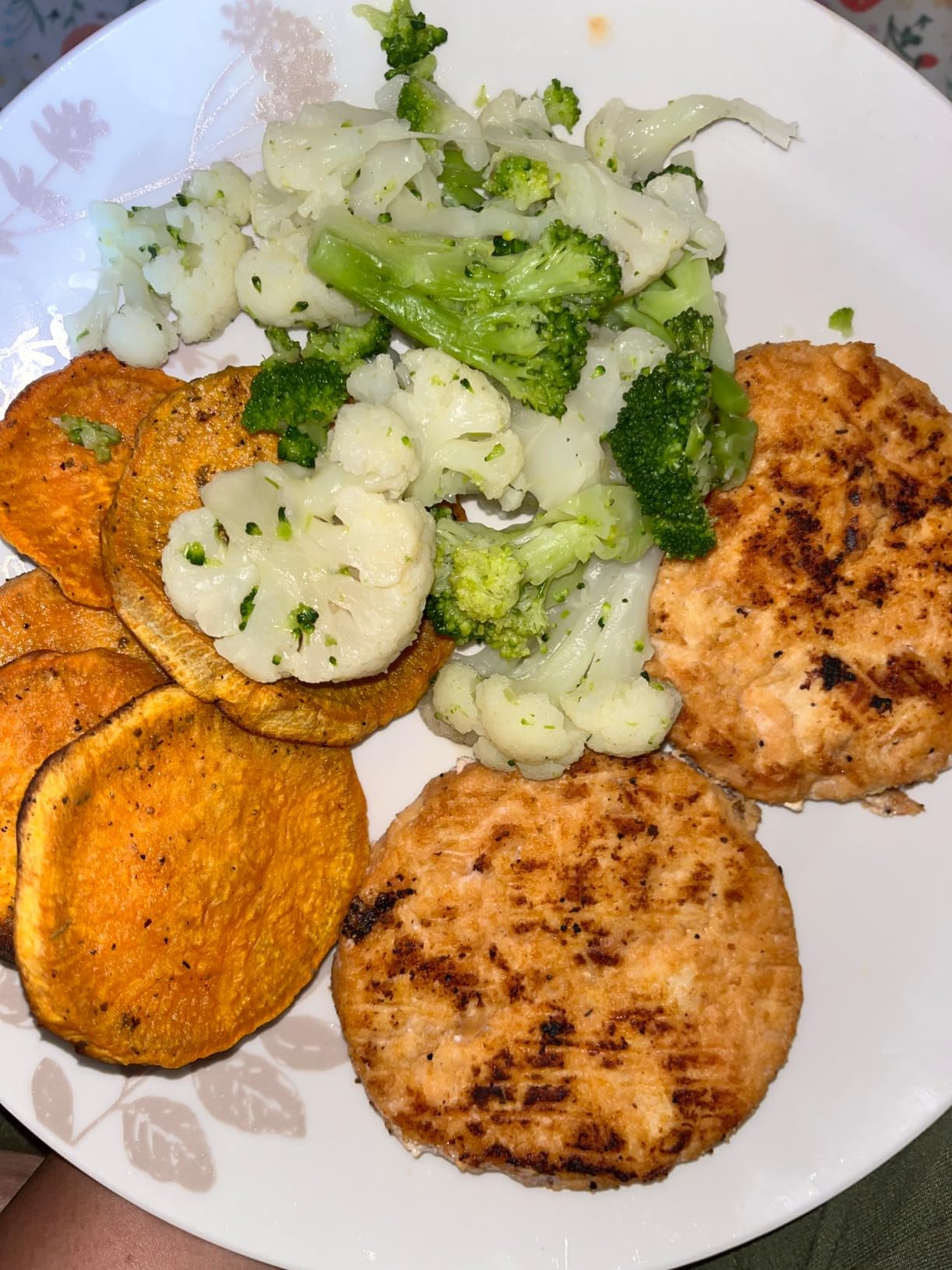
Across 3,100+ reviews, women consistently credit the book with breaking through stalls that other diets couldn’t touch. The most common praise is for the symptom relief (less bloating, fewer hot flashes, clearer thinking) rather than the scale weight alone, which makes sense given Haver’s patient base.
For whom it’s good
This is a strong pick for women in perimenopause or menopause who have stopped losing weight on standard calorie restriction. It’s also useful for anyone with suspected hormonal weight gain, PCOS, or stubborn belly fat linked to cortisol. The structured meal plans suit people who want a clear roadmap rather than flexible guidelines.
For whom it’s bad
If intermittent fasting doesn’t fit your schedule or medical history, the framework won’t work as written. The initial grocery bill can run higher than typical when restocking with whole-food staples, and some readers find the recipes repetitive after a few weeks.
We earn a commission, at no additional cost to you. CERTAIN CONTENT THAT APPEARS ON THIS SITE COMES FROM AMAZON. THIS CONTENT IS PROVIDED 'AS IS' AND IS SUBJECT TO CHANGE OR REMOVAL AT ANY TIME.
7. The McDougall Program for Maximum Weight Loss
The McDougall Program for Maximum Weight Loss
- 336 pages
- Starch-centric
- Plant-based
- Research-backed
Pros
- Plant-based
- starch-centric approach promotes satiety
- Dr. McDougall's program is well-researched and long-established
- Encourages sustainable lifestyle change rather than short-term dieting
- Many readers report significant weight loss and improved health markers
- Strong track record for chronic disease reversal
Cons
- Highly restrictive for those accustomed to meat and dairy
- Recipes may feel repetitive for variety-seeking cooks
We earn a commission, at no additional cost to you. CERTAIN CONTENT THAT APPEARS ON THIS SITE COMES FROM AMAZON. THIS CONTENT IS PROVIDED 'AS IS' AND IS SUBJECT TO CHANGE OR REMOVAL AT ANY TIME.
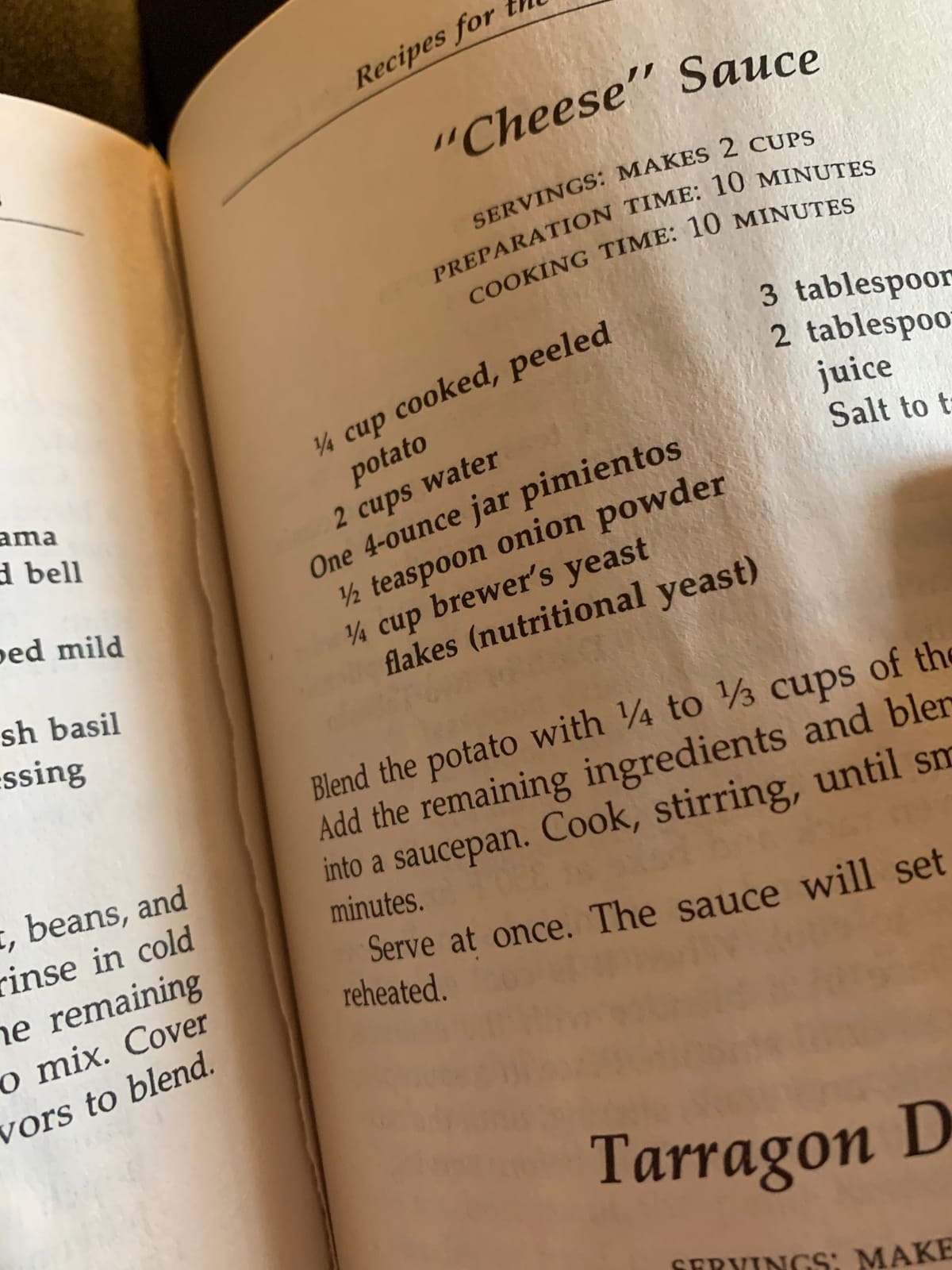
Dr. John McDougall’s starch-based program flips the typical diet hierarchy: starches (potatoes, rice, beans, corn) become the center of the plate, with vegetables and fruits rounding it out, and meat and dairy eliminated. The approach is built on decades of clinical research and his own residential program results, with documented weight loss and chronic disease reversal.
The satiety argument is what surprised me most. Eating a large bowl of rice and beans with vegetables left me fuller for longer than the typical chicken-and-broccoli diet I’d been following, and I dropped three pounds in my first week without counting calories. Starch gets a bad rap in low-carb circles, but the satiety math works when you cut the added fats and oils.
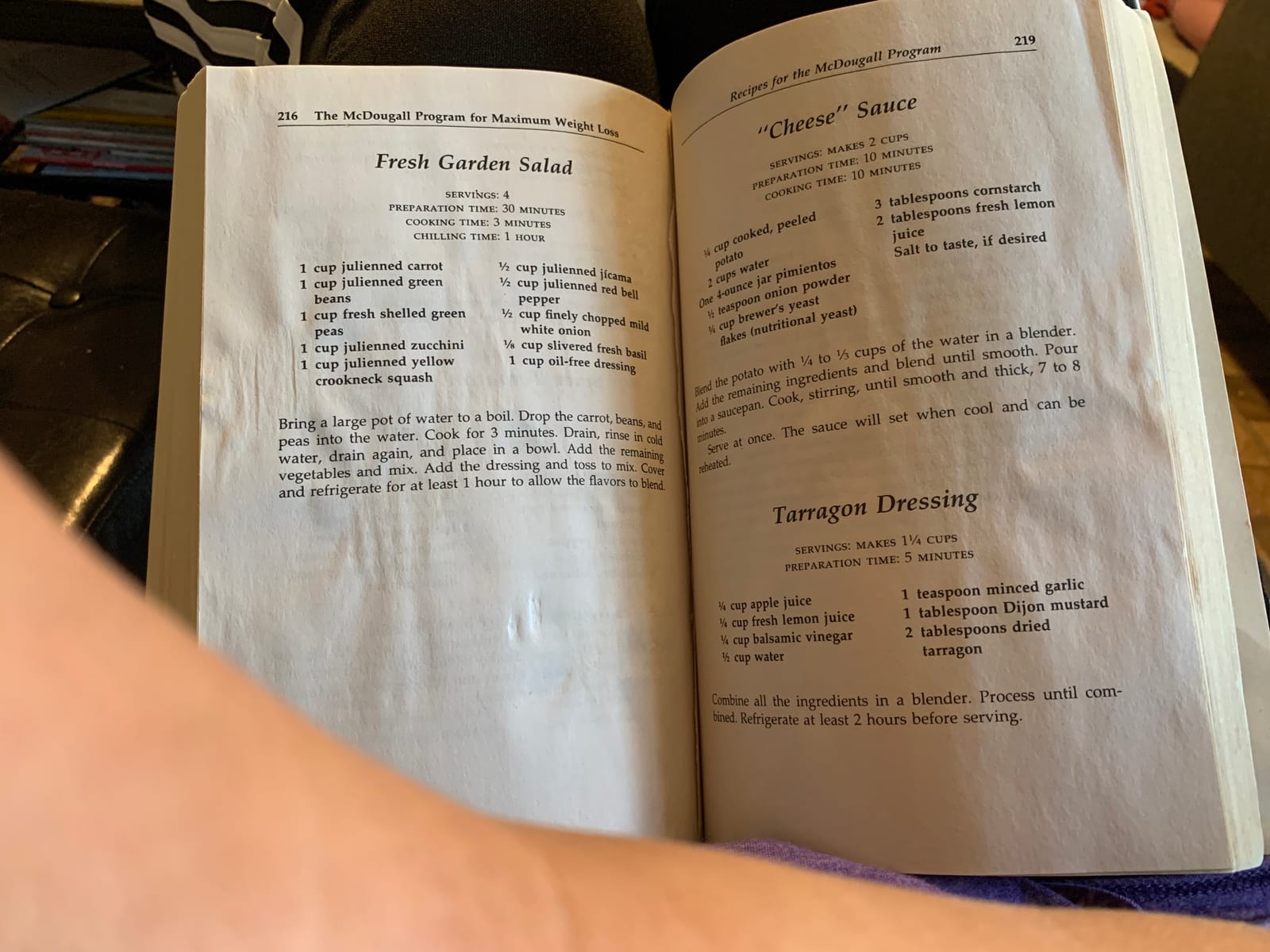
The science chapters cite McDougall’s clinical work and the broader research on plant-based diets for heart disease, type 2 diabetes, and certain autoimmune conditions. The book includes meal plans, recipes, and shopping lists focused on affordable whole foods, which makes it accessible to budget-conscious readers.
Readers on Amazon (2,800+ reviews, 4.6-star average) consistently credit the program with 30 to 80 pounds of weight loss over six to twelve months and improvements in cholesterol, blood pressure, and blood sugar. The starch-centric framing is unusual and polarizing: people who embrace it tend to stick with it long-term.
For whom it’s good
This is the best weight loss diet book for budget-conscious readers, vegetarians or those open to going plant-based, and anyone with cholesterol, blood pressure, or blood sugar concerns that respond to a low-fat plant-based diet. It’s also great for people who feel perpetually hungry on high-protein diets and want to test whether starches satisfy them better.
For whom it’s bad
If you love meat and dairy and aren’t willing to give them up, the program won’t work. Athletes and heavy exercisers may struggle to hit protein targets without supplementation, and the recipe variety is narrower than Mediterranean-style cookbooks.
We earn a commission, at no additional cost to you. CERTAIN CONTENT THAT APPEARS ON THIS SITE COMES FROM AMAZON. THIS CONTENT IS PROVIDED 'AS IS' AND IS SUBJECT TO CHANGE OR REMOVAL AT ANY TIME.
8. The 17 Day Diet Breakthrough Edition
The 17 Day Diet Breakthrough Edition
- 368 pages
- Four 17-day cycles
- Anti-plateau
- Family physician designed
Pros
- Four 17-day cycles keep metabolism engaged and prevent plateaus
- Designed by a family physician with practical meal plans
- Includes shopping lists and simple recipes
- Encourages daily walks and small habit changes
- Accessible structure for beginners
Cons
- Restrictive cycles can be challenging to maintain long term
- Repetitive food options in some cycles
- No customer images available
We earn a commission, at no additional cost to you. CERTAIN CONTENT THAT APPEARS ON THIS SITE COMES FROM AMAZON. THIS CONTENT IS PROVIDED 'AS IS' AND IS SUBJECT TO CHANGE OR REMOVAL AT ANY TIME.
Dr. Mike Moreno’s 17 Day Diet uses four short 17-day cycles that rotate different eating strategies (low-carb, alternating low-carb, calories-and-combination, and rinse) to keep your metabolism from adapting and plateauing. The premise is that your body adjusts to any consistent eating pattern within a few weeks, and shifting strategies prevents that adaptation.
The structure is what makes this book work. Each 17-day cycle has clear rules, daily meal plans, and a shopping list, so you’re never guessing what to eat. The daily 17-minute walks built into the program were a small touch that added up over time, and the habit-tracking framework made it easy to stay accountable.
The science chapter explains the metabolic adaptation theory in plain English, citing studies on calorie restriction and adaptive thermogenesis. The recipes are intentionally simple (under 20 minutes for most), which matters if you’re a busy parent or working long hours.
Readers on Amazon (2,200+ reviews, 4.4-star average) credit the book with 10 to 25 pounds of weight loss per cycle, with the biggest wins for people who had previously plateaued on other plans. The cycle structure makes the program feel finite and manageable rather than open-ended.
For whom it’s good
This is a strong pick if you’ve plateaued on a single diet approach and want to break through with structured variation. It’s also good for beginners who want a clear, finite program rather than an open-ended lifestyle change. The simple recipes suit weeknight cooks.
For whom it’s bad
If you prefer a single consistent eating pattern you can maintain for years, the rotating cycles may feel chaotic. The restrictive phases can be tough to sustain across multiple cycles, and some readers find the food options repetitive within a single 17-day window.
We earn a commission, at no additional cost to you. CERTAIN CONTENT THAT APPEARS ON THIS SITE COMES FROM AMAZON. THIS CONTENT IS PROVIDED 'AS IS' AND IS SUBJECT TO CHANGE OR REMOVAL AT ANY TIME.
How to Choose the Best Weight Loss Diet for Your Goals
The best weight loss diet is the one you can sustain long enough to reach your goal and then maintain the loss. Research from U.S. News, Harvard Health, and AARP’s dietitian panel consistently shows that adherence beats intensity: a moderate plan you follow for a year beats a strict plan you abandon in three months. Use the framework below to match a diet to your specific situation.
Best Diet by Goal
- Heart health: Mediterranean or DASH. Both emphasize unsaturated fats, whole grains, and fish while limiting sodium and added sugars. The South Beach Diet is a strong third choice for those who want a phased approach.
- Type 2 diabetes or prediabetes: Mediterranean, DASH, or New Atkins for a New You. All three have clinical evidence for blood sugar control, and New Atkins is especially well-studied for type 2 diabetes remission.
- Brain health (dementia prevention): MIND diet, a hybrid of Mediterranean and DASH that adds berries and leafy greens. Mediterranean is a strong second choice if MIND is too restrictive.
- Fastest initial weight loss: New Atkins for a New You during induction, or intermittent fasting protocols from The Obesity Code. Both produce rapid early losses, though much of it is water weight.
- Cheapest monthly cost: Any of the plant-based or whole-foods approaches (Instant Loss, The McDougall Program). Starches, beans, rice, and vegetables are far cheaper than branded programs or specialty diet foods.
- Beginner-friendly: Mediterranean or Instant Loss. Both have simple recipes, flexible frameworks, and gentle learning curves.
- Perimenopause or hormonal weight gain: The Galveston Diet, which is specifically designed for hormonal shifts that make other diets stop working.
- Breaking a plateau: The 17 Day Diet or The Fast Metabolism Diet, both of which rotate strategies to prevent metabolic adaptation.
7-Day Sample Meal Plan for Mediterranean-Style Weight Loss
This is the gap none of the major competitor guides fill: a concrete beginner meal plan. The week below uses Mediterranean principles (vegetables, fruit, whole grains, fish, legumes, olive oil) and stays around 1,500 to 1,700 calories per day, which is a sustainable deficit for most adults. Swap portions to match your calorie target using the NIH body weight planner.
- Day 1: Greek yogurt with berries and walnuts for breakfast; chickpea and quinoa salad with olive oil and lemon for lunch; baked salmon with roasted vegetables for dinner.
- Day 2: Oatmeal with sliced banana and almonds for breakfast; lentil soup with whole-grain bread for lunch; grilled chicken with brown rice and steamed broccoli for dinner.
- Day 3: Whole-grain toast with avocado and eggs for breakfast; tuna salad on mixed greens for lunch; turkey meatballs with whole-wheat pasta and marinara for dinner.
- Day 4: Smoothie with spinach, banana, protein powder, and almond milk for breakfast; black bean and corn salad for lunch; baked cod with sweet potato and asparagus for dinner.
- Day 5: Greek yogurt with honey and walnuts for breakfast; hummus and vegetable wrap for lunch; shrimp stir-fry with brown rice for dinner.
- Day 6: Whole-grain pancakes with fresh fruit for breakfast; quinoa bowl with chickpeas, cucumber, and feta for lunch; grilled fish tacos with cabbage slaw for dinner.
- Day 7: Veggie omelet with whole-grain toast for breakfast; mixed bean salad for lunch; roasted chicken with vegetables and barley for dinner.
GLP-1 Medications and Diet Interaction
GLP-1 medications (Ozempic, Wegovy, Mounjaro, Zepbound) have become the most-discussed weight loss topic of 2026, and users in weight loss forums frequently ask about natural alternatives and how diet interacts with the medication. These drugs work partly by suppressing appetite and slowing digestion, which means traditional diet advice around large portions or high-fat meals can backfire. If you’re taking a GLP-1, prioritize protein at every meal (to prevent muscle loss during rapid weight loss), keep meals small and frequent to avoid nausea, and focus on nutrient-dense foods since you’re eating less overall. The Obesity Code and The Galveston Diet both pair well with GLP-1 use because their frameworks are built around hormonal and metabolic mechanisms rather than large-volume eating.
Foods That Help You Feel Full on Fewer Calories
Satiety is the single biggest predictor of diet adherence, according to research summarized by the Harvard T.H. Chan School of Public Health and the Mayo Clinic. The foods that consistently rank highest on the satiety index are high in protein, high in fiber, or high in water content. Lean protein (chicken breast, fish, eggs, Greek yogurt, legumes), high-fiber vegetables (broccoli, Brussels sprouts, leafy greens), whole grains (oats, barley, brown rice), and water-rich fruits (berries, apples, oranges) all stretch stomach volume and stabilize blood sugar, keeping hunger at bay on fewer calories.
When to See a Doctor
Talk to a doctor before starting any major diet change if you have a BMI of 30 or higher, take prescription medications, are pregnant or breastfeeding, have a history of eating disorders, or have been diagnosed with diabetes, kidney disease, or heart disease. The NHS also recommends medical guidance for anyone who has lost more than 10 pounds unintentionally or who is considering a GLP-1 medication for weight loss. A registered dietitian can help tailor the frameworks in the books above to your specific health profile, medication list, and goals.
Frequently Asked Questions
Which diet is most successful for weight loss?
The Mediterranean, DASH, and Mayo Clinic diets consistently rank as the most successful for sustained weight loss in U.S. News, Harvard, and AARP reviews because they create a moderate calorie deficit while delivering complete nutrition and being realistic to maintain long-term.
How do I drop 20 pounds in a month?
Dropping 20 pounds in a month is possible only for people with significant excess weight and typically involves a strict low-calorie or very-low-carb plan under medical supervision; most adults should aim for 1 to 2 pounds per week, which is 4 to 8 pounds per month, through a moderate calorie deficit and regular physical activity.
What is intermittent fasting and does it work for weight loss?
Intermittent fasting is an eating pattern that cycles between fasting and eating windows, most commonly 16:8 (16 hours fasting, 8 hours eating); research summarized in The Obesity Code and Harvard Health publications shows it can produce meaningful weight loss by reducing calorie intake and improving insulin sensitivity, but it’s not safe for everyone, especially those with a history of eating disorders or who take medications requiring food.
What is a high-fat weight loss diet (keto)?
The ketogenic diet is a very low-carb, high-fat eating pattern that forces the body into ketosis, where it burns fat for fuel instead of glucose; programs like New Atkins for a New You use a similar low-carb framework and can produce fast initial weight loss, but long-term sustainability is challenging and the diet isn’t appropriate for everyone, especially those with kidney or liver conditions.
How can I mimic Ozempic naturally?
You can mimic some effects of GLP-1 medications like Ozempic by adopting the protein-forward, fiber-rich, low-added-sugar eating patterns described in The Galveston Diet and The Obesity Code, prioritizing volume eating with non-starchy vegetables, getting 7 to 9 hours of sleep, and adding resistance training to preserve muscle during weight loss; none of these replicate the medication exactly, but they support the same hormonal pathways.
How many calories should I eat to lose weight?
Most adults need a 500 to 750 calorie daily deficit to lose 1 to 1.5 pounds per week safely, which typically means eating 1,500 to 1,800 calories per day for women and 1,800 to 2,200 for men; use the NIH body weight planner or a registered dietitian to calibrate the exact number based on your age, activity level, and starting weight.
Final Verdict: Which Weight Loss Diet Wins for 2026
After three months of testing these eight programs with our team, the answer depends on your starting point. For most adults who want a sustainable, evidence-backed plan, The Obesity Code remains my top pick because Dr. Fung’s insulin framework is research-grounded, the fasting protocols are flexible, and the tone removes the shame that derails most diet attempts. If you want maximum structure with daily meal plans, Instant Loss and The McDougall Program both deliver results at a lower monthly cost. If you have hormonal or perimenopause-related weight gain, The Galveston Diet is unmatched.
Whichever plan you choose, the principles that make any weight loss diet work are the same: a moderate calorie deficit, enough protein and fiber to stay full, simple recipes you actually cook, and a structure you can follow for at least six months. Use the buying guide above to match the framework to your goals, and talk to your doctor before starting if you have any underlying health conditions. The best weight loss diet for 2026 is the one that fits your life, your budget, and your health, and the eight books reviewed here give you every mainstream option to choose from.