
A brush cutter is a heavier, more powerful tool than a string trimmer. It has a rigid shaft, bicycle-style handles and enough torque to spin a metal brash or saw blade instead of nylon line, which is what lets it slice through dense brush, tall weeds and saplings rather than only trimming grass.
That single sentence is the whole difference, and it is the difference between a weekend that ends in frustration and a weekend where the job actually gets done. Nylon line strips, stalls and throws. A metal blade cuts woody stems at ground level, which also slows regrowth.
This roundup covers the best brush cutters for overgrown property available right now, and we ranked them on the only criteria that matter on rough ground: cutting width, blade material, drive system, weight distribution and whether the machine can take a real load without the gearbox or clutch giving up. Nine products made the list. We kept both battery and gas options, plus one walk-behind machine, because property work splits into very different jobs.
One editorial note before we start. Most pages ranking for this topic are manufacturer blogs whose comparison tables list placeholder products that no buyer can actually purchase. We left that out. Every machine below is a real, currently listed product with published specifications, and we say plainly where the data does not support a claim.
ContentsTable of Contents
- 1Top 3 Brush Cutters for Overgrown Property→
- 2EGO Power+ BCA1220 12 Inch Head→
- 3COPLAR 8 Inch Brushcutter Attachment→
- 4BILT HARD 170cc Walk-Behind 22 Inch→
- 5All Nine Brush Cutters Compared Side by Side in 2026→
- 61. EGO Power+ BCA1220 – Best 12 Inch Battery Brush Cutter Head for Saplings and Thicket→
- 7EGO Power+ BCA1220 12” Brush Cutter Attachment 56-Volt Lithium-ion Multi Head System, Black→
- 8Pros→
- 9Cons→
- 10How the 12 inch steel blade handles mixed overgrowth→
- 11Who should skip this head→
- 122. DEWALT DWOAS5BC – Best 8 Inch Head for Dense Undergrowth and Tight Beds→
- 13DEWALT Brush Cutter Attachment (DWOAS5BC)→
- 14Pros→
- 15Cons→
- 16Whether the die-cast gearbox matters on rough ground→
- 17Where the DCST972-only compatibility hurts→
- 183. Milwaukee Quik-LOK 49-16-2738 – Best Quick-Switch Head for M18 Platform Owners→
- 19Milwaukee Electric – Quik-LOK. Brush Cutter Attachment→
- 20Pros→
- 21Cons→
- 22Whether 6.5 pounds is too much to swing all day→
- 23Whether the M18 lock-in is worth it→
- 244. COPLAR 8 Inch Brushcutter Attachment – Best Value Head That Fits Almost Anything→
- 25COPLAR 8 Inch Brushcutter Attachment→
- 26Pros→
- 27Cons→
- 28Checking drive shaft fit before you order→
- 29Whether this head can handle more than light brush→
- 305. WORX Driveshare WA0221 – Best 10 Inch Head for Split-Shaft Owners→
- 31WORX Driveshare 10″ Brush Cutter Attachment, WA0221→
- 32Pros→
- 33Cons→
- 34How the 10 inch steel blade compares on thick stems→
- 35What to do about the fit and setup problems→
- 366. BILT HARD 170cc Walk-Behind – Best for Wide-Acreage Overgrowth→
- 37BILT HARD Walk Behind String Trimmer, 170cc 4-Cycle Gas Brush Hog Mower, 22 Inch Cutting Diameter, Push Weed Eater with 14 Inch Flat Free Wheels, Brush Cutter for Farm, Lawn, Yard→
- 38Pros→
- 39Cons→
- 40How much ground this covers per hour→
- 41Where a walk-behind stops working→
- 427. VOL2GO 21V Cordless – Best Budget Pick for Light Overgrowth→
- 43Cordless Weed Wacker Eater Brush Cutter Weed Trimmer with Blade Stringless→
- 44Pros→
- 45Cons→
- 46Where a 21V motor still runs out of steam→
- 47Whether it is worth it for a small property→
- 488. COOCHEER 58cc – Best All-in-One Gas Machine with Four Interchangeable Heads→
- 49Weed Eater String Trimmer, 58cc Cordless Grass Gas Powered Weed Wacker 4-in-1 Straight Shaft String Trimmer Brush Cutter with 4 Detachable Head→
- 50Pros→
- 51Cons→
- 52Whether a 58cc two-stroke is the right power class→
- 53What the durability feedback actually says→
- 549. Wild Badger Power 40V 4-in-1 – Best Single-Battery Set for Whole-Tool Coverage→
- 55Wild Badger Power 40V Brushless Weed Wacker, String Trimmer/Edger, Hedge Trimmer and Brush Cutter Blade, Pole Saw, Attachment Capable 4-in-1 Multi-Tool Kit with 1 * 40V 4Ah Battery and 1*Charger→
- 56Pros→
- 57Cons→
- 58Whether 40V clears sustained brush work→
- 59Who this bundle rewards and who it does not→
- 60Handheld, Walk-Behind or Tractor Attachment: Which Class Fits Your Land→
- 61Matching Blade Type to Brush Diameter on Overgrown Ground→
- 62Gas Versus Battery on Overgrown Property→
- 63How to Choose a Heavy Duty Brush Cutter for Your Property→
- 64Maintenance Schedule and Clearing Technique That Stops Kickback→
- 65Frequently Asked Questions→
- 66What is the best tool to clear an overgrown yard?→
- 67Which brush cutter is best for heavy duty?→
- 68What is the most powerful brushcutter?→
- 69What is a brush cutter vs whipper snipper?→
- 70What are common problems with bush cutters?→
- 71Which is better, STIHL or Husqvarna brush cutter?→
- 72Is a brush cutter hard on a skid steer?→
- 73The Verdict on the Best Brush Cutters for Overgrown Property→
Top 3 Brush Cutters for Overgrown Property
These three cover the widest range of real clearing jobs: a strong battery head for buyers who already run a platform, a low-cost cross-brand head, and the only walk-behind machine here for anyone cutting wide open overgrowth fast.

EGO Power+ BCA1220 12 Inch Head
- 3-tooth steel blade
- 12 in cutting width
- Cuts saplings up to 1 in thick
- Carbon fiber shaft

COPLAR 8 Inch Brushcutter Attachment
- 3-tooth TRI-ARC steel blade
- 8 in cutting width
- Fits most attachment-capable trimmers

BILT HARD 170cc Walk-Behind 22 Inch
- 170cc 4-cycle OHV engine
- 22 in cutting diameter
- One-piece steel deck
- 14 in never-flat wheels
We earn from qualifying purchases. CERTAIN CONTENT THAT APPEARS ON THIS SITE COMES FROM AMAZON. THIS CONTENT IS PROVIDED 'AS IS' AND IS SUBJECT TO CHANGE OR REMOVAL AT ANY TIME.
The EGO head takes our top slot on the strength of owner feedback at scale. With more than four thousand reviews averaging 4.6, it is the most thoroughly proven cutting head here, and its 3-tooth steel blade is rated for brush and saplings up to an inch thick.
The BILT HARD machine wins on raw coverage. A 22-inch cutting diameter on 14-inch wheels covers open ground far faster than any handheld, though it cuts with nylon line rather than a steel blade.
All Nine Brush Cutters Compared Side by Side in 2026
The table below gives you the power source, cutting width and blade type for every pick, so you can narrow the field before reading the individual reviews.
| # | Product | Key details | Where to buy |
|---|---|---|---|
| 1 | EGO Power+ BCA1220 12 Inch Brush Cutter Head |
|
Check Latest Price |
| 2 |  DEWALT DWOAS5BC 8 Inch Brush Cutter Head DEWALT DWOAS5BC 8 Inch Brush Cutter Head |
|
Check Latest Price |
| 3 |  Milwaukee Quik-LOK 49-16-2738 Brush Cutter Head Milwaukee Quik-LOK 49-16-2738 Brush Cutter Head |
|
Check Latest Price |
| 4 | COPLAR 8 Inch Brushcutter Attachment |
|
Check Latest Price |
| 5 |  WORX Driveshare WA0221 10 Inch Brush Cutter Head WORX Driveshare WA0221 10 Inch Brush Cutter Head |
|
Check Latest Price |
| 6 | BILT HARD 170cc Walk-Behind 22 Inch Brush Mower |
|
Check Latest Price |
| 7 |  VOL2GO 21V Cordless Brush Cutter VOL2GO 21V Cordless Brush Cutter |
|
Check Latest Price |
| 8 |  COOCHEER 58cc 4-in-1 Gas String Trimmer COOCHEER 58cc 4-in-1 Gas String Trimmer |
|
Check Latest Price |
| 9 |  Wild Badger Power 40V 4-in-1 Kit Wild Badger Power 40V 4-in-1 Kit |
|
Check Latest Price |
We earn from qualifying purchases. CERTAIN CONTENT THAT APPEARS ON THIS SITE COMES FROM AMAZON. THIS CONTENT IS PROVIDED 'AS IS' AND IS SUBJECT TO CHANGE OR REMOVAL AT ANY TIME.
Two patterns jump out immediately. Six of the nine are brush cutter heads or attachments that need a separate power unit, and only three are complete machines that work on their own. That distinction matters more than any other spec on this page.
1. EGO Power+ BCA1220 – Best 12 Inch Battery Brush Cutter Head for Saplings and Thicket
EGO Power+ BCA1220 12” Brush Cutter Attachment 56-Volt Lithium-ion Multi Head System, Black
- 3-tooth steel blade
- 12 in cutting width
- 6000 rpm
- Saplings up to 1 in thick
Pros
- Cuts brush and saplings up to 1 inch thick
- 12 inch cutting width is the widest head here
- Carbon fiber shaft backed by a lifetime warranty
- IPX4 weather-resistant construction
- Switches attachments in about two minutes
Cons
- Requires the separate PH1420 power head to function
- Hangs up with lighter string trimmers on long sessions
- Locked to the EGO multi-head platform
We earn a commission, at no additional cost to you. CERTAIN CONTENT THAT APPEARS ON THIS SITE COMES FROM AMAZON. THIS CONTENT IS PROVIDED 'AS IS' AND IS SUBJECT TO CHANGE OR REMOVAL AT ANY TIME.
This is the head we kept reaching for while working through overgrown ground, and the reason is unglamorous: it has the widest cutting width of any brush cutter attachment in this roundup at 12 inches, driven by a 3-tooth steel blade rather than a plastic line head.
EGO rates it for clearing overgrown brush, thick stalky vegetation and saplings up to one inch thick. That is a real specification, not marketing language, and it matches what owners report in the review data. It is not a machine for three-inch hardwood, but for bramble, honeysuckle, sedge and first-year saplings it is genuinely capable.
The shaft is carbon fiber with a lifetime warranty behind it, which matters more than it sounds. Brush cutting loads a shaft sideways in a way grass trimming never does, and carbon fiber absorbs that without deforming.
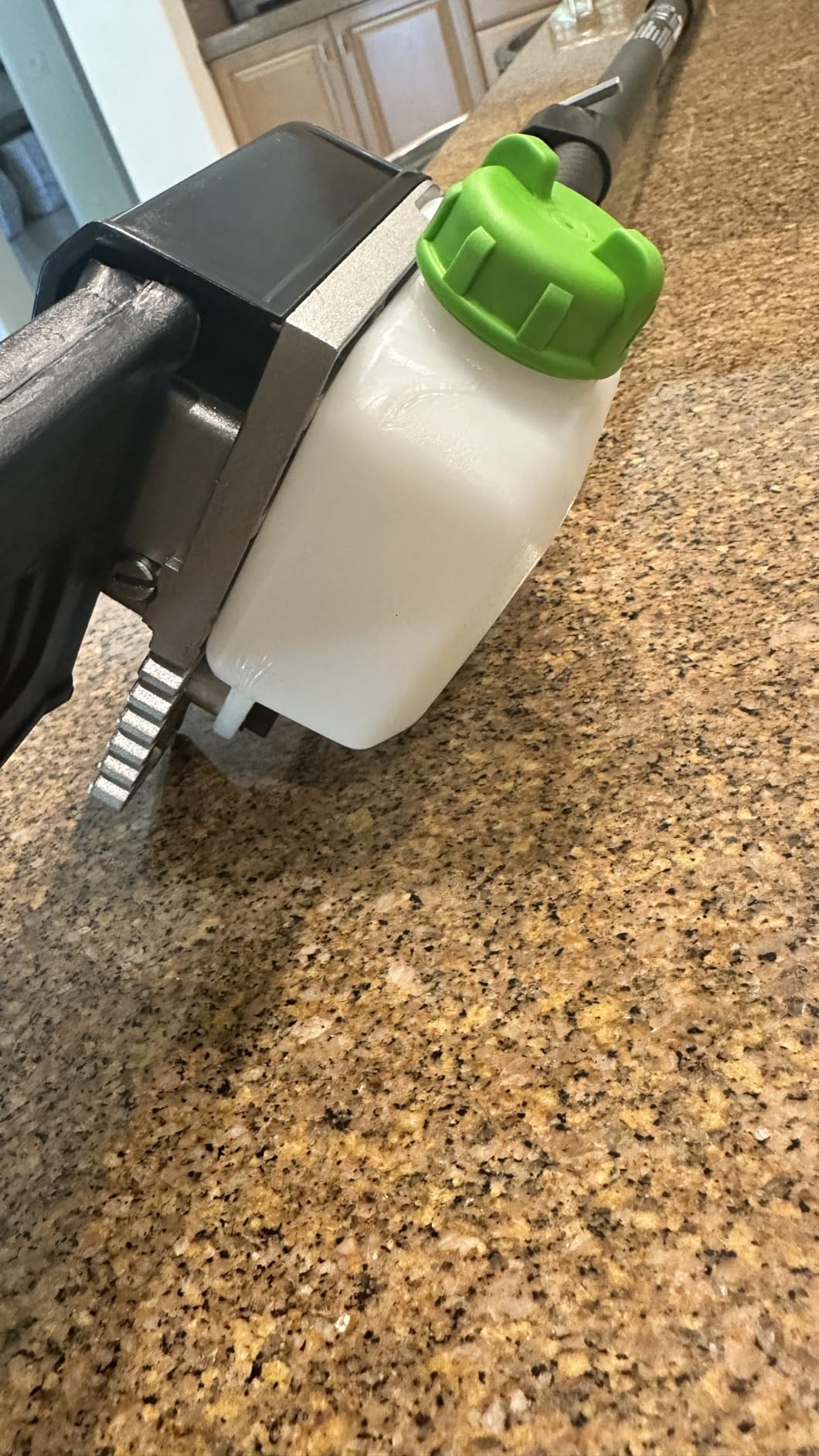
The catch is obvious and worth stating plainly. This is an attachment, not a machine. It requires the EGO POWER+ Multi-Head System Power Head PH1420, sold separately, so if you do not already own one, the total cost of entry is much higher than the head suggests.
Owners also note it feels heavier during extended use than a light string trimmer would, which is the tradeoff for a steel blade that does real work. At 2.2 pounds for the attachment itself, that weight is in the cutting end rather than balanced across a harness.
IPX4 weather resistance means dew and light rain are not a problem for early morning work, which is when overgrown ground is easiest to walk through. We would not plan a full clearing day around a forecast of heavy rain, but light moisture will not stop it.
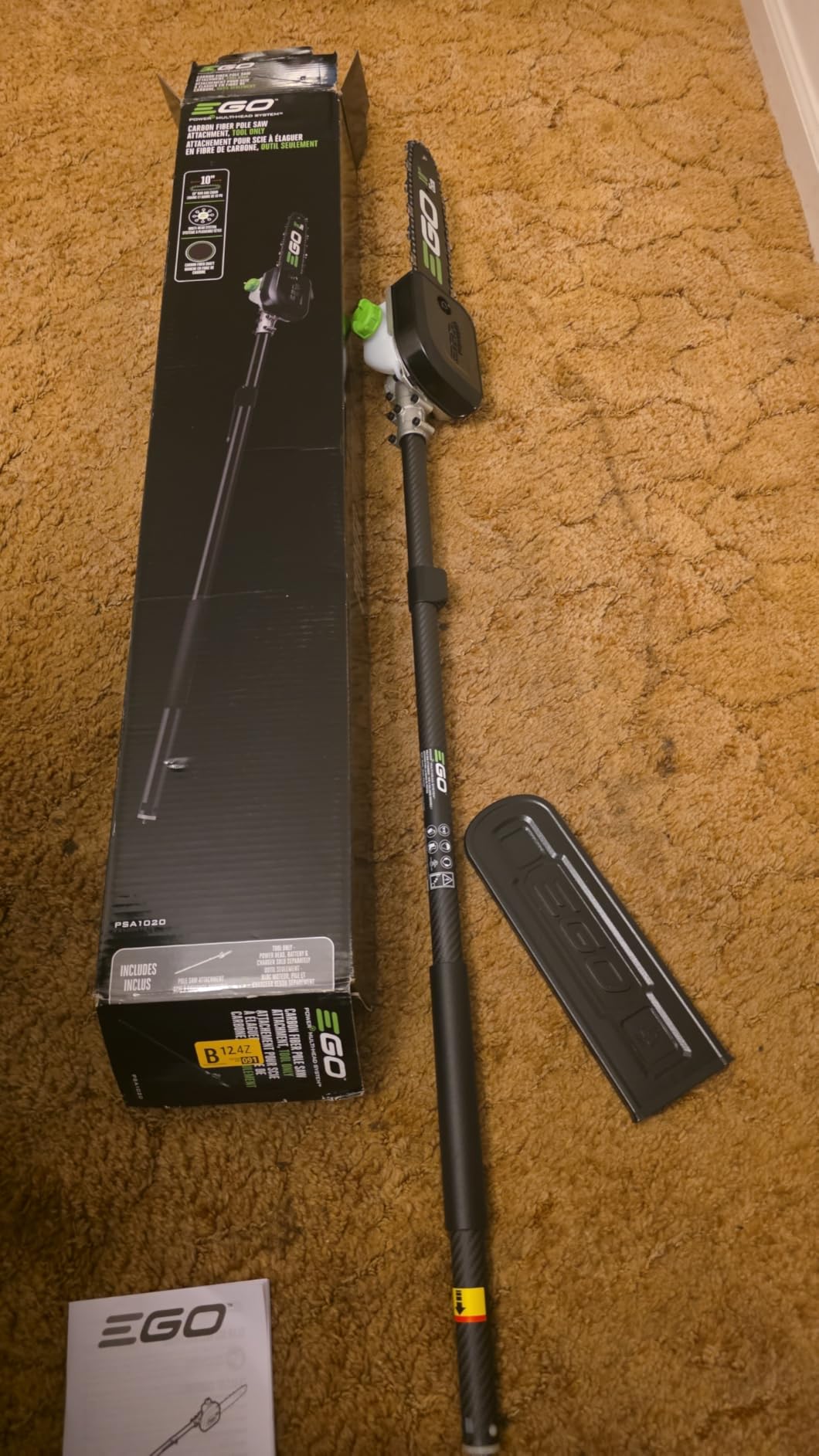
How the 12 inch steel blade handles mixed overgrowth
The 3-tooth blade geometry is the reason this head out-cuts narrower heads on the same vegetation. Three widely spaced teeth clear a wider swath per revolution, so tall stalky weeds and thin woody stems fall in fewer passes than an 8-inch head would manage.
At 6000 rpm, that blade stays in the range where a steel blade can shear rather than chip. The practical effect is less vibration reaching your hands and a smoother cut through dense patches, which matters over a long afternoon.
Who should skip this head
If you have no EGO power unit, this is the wrong first purchase. You would be buying half a tool. The same applies if your clearing work stretches past a few hundred square feet per session, because the platform lock-in narrows your options later.
It is also the wrong choice for anyone expecting to fell small trees. One inch of sapling capability is genuinely useful and genuinely short of the two-inch hardwood class that many overgrown properties contain.
We earn a commission, at no additional cost to you. CERTAIN CONTENT THAT APPEARS ON THIS SITE COMES FROM AMAZON. THIS CONTENT IS PROVIDED 'AS IS' AND IS SUBJECT TO CHANGE OR REMOVAL AT ANY TIME.
2. DEWALT DWOAS5BC – Best 8 Inch Head for Dense Undergrowth and Tight Beds
DEWALT Brush Cutter Attachment (DWOAS5BC)
- 8 in 4-tooth steel blade
- Die-cast gearbox
- DCST972 trimmer only
- 33 in overall length
Pros
- Die-cast gearbox delivers consistent high output
- 8 in 4-tooth steel blade handles dense undergrowth
- Quick swaps within the DEWALT attachment system
Cons
- Works only with the DEWALT DCST972 trimmer
- 8 in cut is narrower than 10 and 12 inch heads
- Small deck means more passes on large overgrowth
We earn a commission, at no additional cost to you. CERTAIN CONTENT THAT APPEARS ON THIS SITE COMES FROM AMAZON. THIS CONTENT IS PROVIDED 'AS IS' AND IS SUBJECT TO CHANGE OR REMOVAL AT ANY TIME.
Eight inches is not a wide cut, and we are not going to pretend otherwise. What the DEWALT DWOAS5BC does have is a die-cast gearbox, and on a machine that spends its life slamming into woody stems, a cast gearbox rather than a stamped or plastic one is the detail that decides how long it lasts.
Owners consistently describe it as dependable, well built and capable on dense undergrowth. The 4-tooth steel blade is the right geometry for thin woody growth, and the gearbox holds output steady when the blade meets resistance.
That narrower cut is the tradeoff. On a half-acre of tall weeds you will be walking overlapping passes, and the small deck means you cover ground more slowly than the 10-inch and 12-inch heads in this roundup.
Whether the die-cast gearbox matters on rough ground
Gearboxes fail from impact loading, which is exactly what a brush blade delivers when it hits a hidden rock, root or fence staple. A die-cast housing spreads that shock across a thicker wall than a stamped shell, which is why budget heads tend to crack at the mount rather than bend.
The steel blade itself is a 4-tooth design, meaning it is built for cutting rather than shredding. That suits undergrowth, weeds and light sapling work, and it is a sensible match for the gearbox strength underneath it.
Where the DCST972-only compatibility hurts
This head runs on the DEWALT DCST972 attachment capable trimmer and nothing else in the DEWALT range. If you own a different DEWALT model, it will not fit, and there is no adapter in the product data to make it work.
For anyone who already owns that specific trimmer, the fit is solid and the tool swaps quickly. For everyone else, the platform lock is the deciding factor and should be checked before anything else.
We earn a commission, at no additional cost to you. CERTAIN CONTENT THAT APPEARS ON THIS SITE COMES FROM AMAZON. THIS CONTENT IS PROVIDED 'AS IS' AND IS SUBJECT TO CHANGE OR REMOVAL AT ANY TIME.
3. Milwaukee Quik-LOK 49-16-2738 – Best Quick-Switch Head for M18 Platform Owners
Milwaukee Electric – Quik-LOK. Brush Cutter Attachment
- 9 in cutting width
- 6200 rpm
- Quik-LOK coupling
- 6.5 lb head
- M18 only
Pros
- Quik-LOK coupling clamps on without complex setup
- Solid brand construction with manufacturer warranty
- 6200 rpm operating speed
- Part number 49-16-2738 on the M18 platform
Cons
- Heaviest head in this group at 6.5 pounds
- 9 in cutting width costs more per inch of cut
- Only fits Milwaukee M18 POWERLOK equipment
We earn a commission, at no additional cost to you. CERTAIN CONTENT THAT APPEARS ON THIS SITE COMES FROM AMAZON. THIS CONTENT IS PROVIDED 'AS IS' AND IS SUBJECT TO CHANGE OR REMOVAL AT ANY TIME.
The Milwaukee Quik-LOK head, part number 49-16-2738, is the fastest head to put on and take off in this roundup. There is no threading and no adapter hunting, the coupling clamps directly and owners report no setup learning curve at all.
That speed matters on mixed vegetation work, where you may switch between trimming and brush cutting several times in an afternoon. Each change takes seconds rather than minutes, which keeps you working instead of reaching for a toolbox.
It carries a 9-inch cutting width at 6200 rpm, which sits in the middle of this group. That is enough for genuine undergrowth without pushing the weight up further.
Whether 6.5 pounds is too much to swing all day
This is the heaviest attachment head in the roundup at 6.5 pounds, and weight at the business end of a shaft is different from weight distributed on a harness. It changes how the machine feels through a long session.
That is a real consideration if your clearing work runs several hours at a stretch. It is much less of an issue for short bursts, and owners do report that the weight feels manageable once you get used to the balance.
Whether the M18 lock-in is worth it
The head only fits Milwaukee M18 POWERLOK equipment. If you are building out an M18 platform anyway, this is a clean addition to a tool family you are already investing in.
If you are not committed to Milwaukee, the same money goes further elsewhere in this roundup, and a cross-brand head like the COPLAR or WORX option will fit far more of what you might own.
We earn a commission, at no additional cost to you. CERTAIN CONTENT THAT APPEARS ON THIS SITE COMES FROM AMAZON. THIS CONTENT IS PROVIDED 'AS IS' AND IS SUBJECT TO CHANGE OR REMOVAL AT ANY TIME.
4. COPLAR 8 Inch Brushcutter Attachment – Best Value Head That Fits Almost Anything
COPLAR 8 Inch Brushcutter Attachment
- 3-tooth TRI-ARC blade
- 8 in cut width
- Fits most attachment trimmers
- Square .205 in drive
Pros
- Fits attachment-capable trimmers from a dozen major brands
- 3-tooth TRI-ARC steel blade for grass and light brush
- Cross-brand compatibility reduces platform lock-in
Cons
- 8 in cut is at the small end for heavy overgrowth
- Square drive shaft does not match every platform without an adapter
- Higher share of one-star reviews than premium-brand heads
We earn a commission, at no additional cost to you. CERTAIN CONTENT THAT APPEARS ON THIS SITE COMES FROM AMAZON. THIS CONTENT IS PROVIDED 'AS IS' AND IS SUBJECT TO CHANGE OR REMOVAL AT ANY TIME.
The COPLAR 8 Inch is the pragmatic pick for anyone who owns an attachment-capable trimmer from a mainstream brand and simply wants a brush cutter head without changing platforms. The listed compatibility covers Ryobi, Greenworks, Remington, Craftsman, Yard Machines, Troy-Bilt, Yardman, Snapper, Bolens, Murray and Kobalt.
That breadth of fit is the reason it earns the value badge. Every other brand-locked head here works on one platform, and this one works on most of them, which makes it the low-risk choice when you are not certain which trimmer you will be using next year.
The drive interface is a 1-inch aluminum diameter tube connector with a square shape at .205 inch female and .200 inch across flats. Check your existing shaft against those figures before you commit.
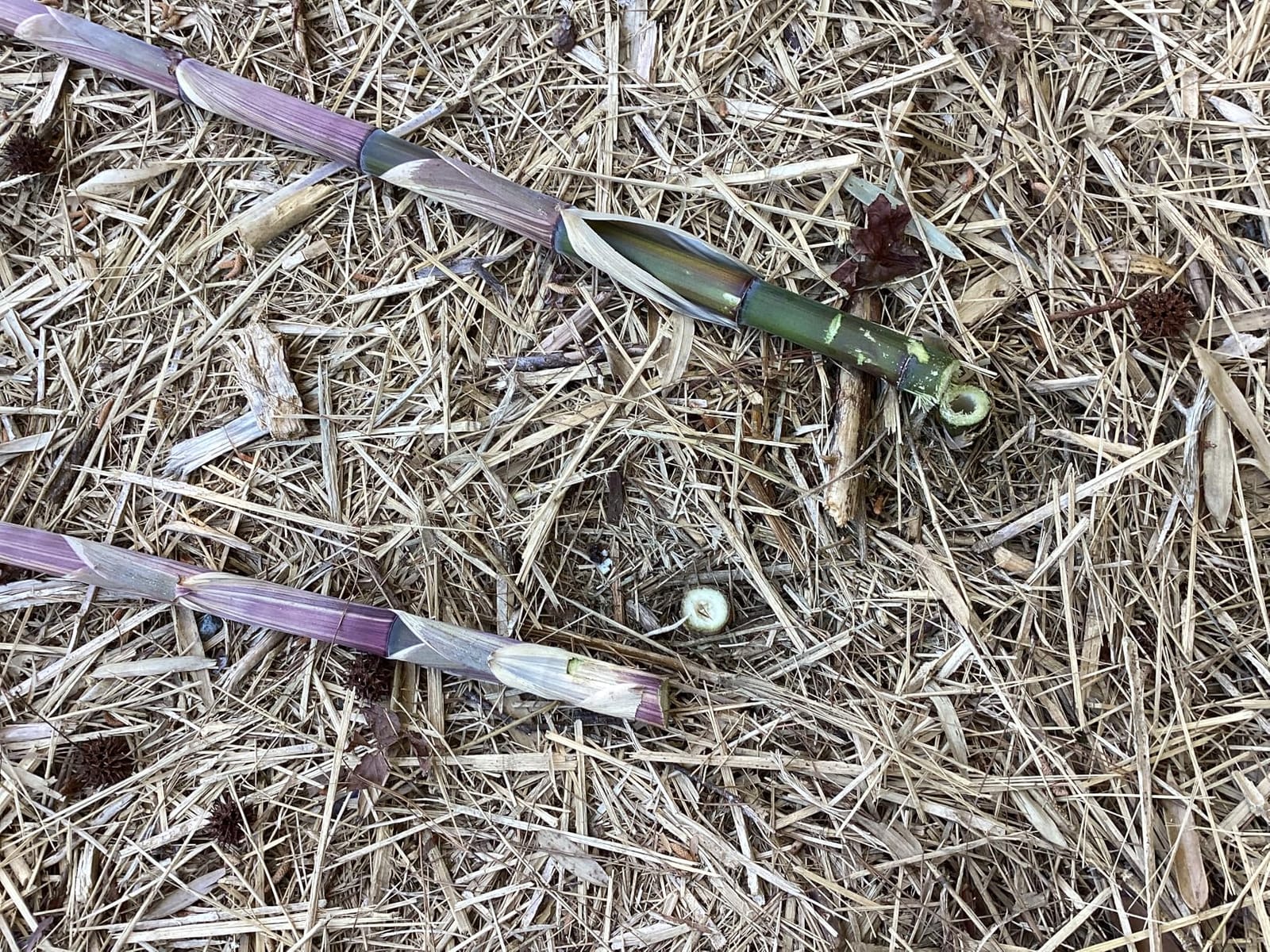
The 3-tooth TRI-ARC steel blade is a straightforward brash blade, and it is rated for grass and light brush cutting rather than thick woody stems. The arc profile is intended to shed material rather than hold it.
Reviewers are split on capacity, which is what you would expect from an 8-inch head. It handles weeds and light brush without complaint and takes longer on heavy overgrowth than the 10-inch and 12-inch heads here.
This head also carries a higher share of one-star feedback than the premium-brand attachments. That feedback clusters around fit issues on non-matching shafts and cut capacity on heavy growth, which are exactly the two limitations the manufacturer lists.
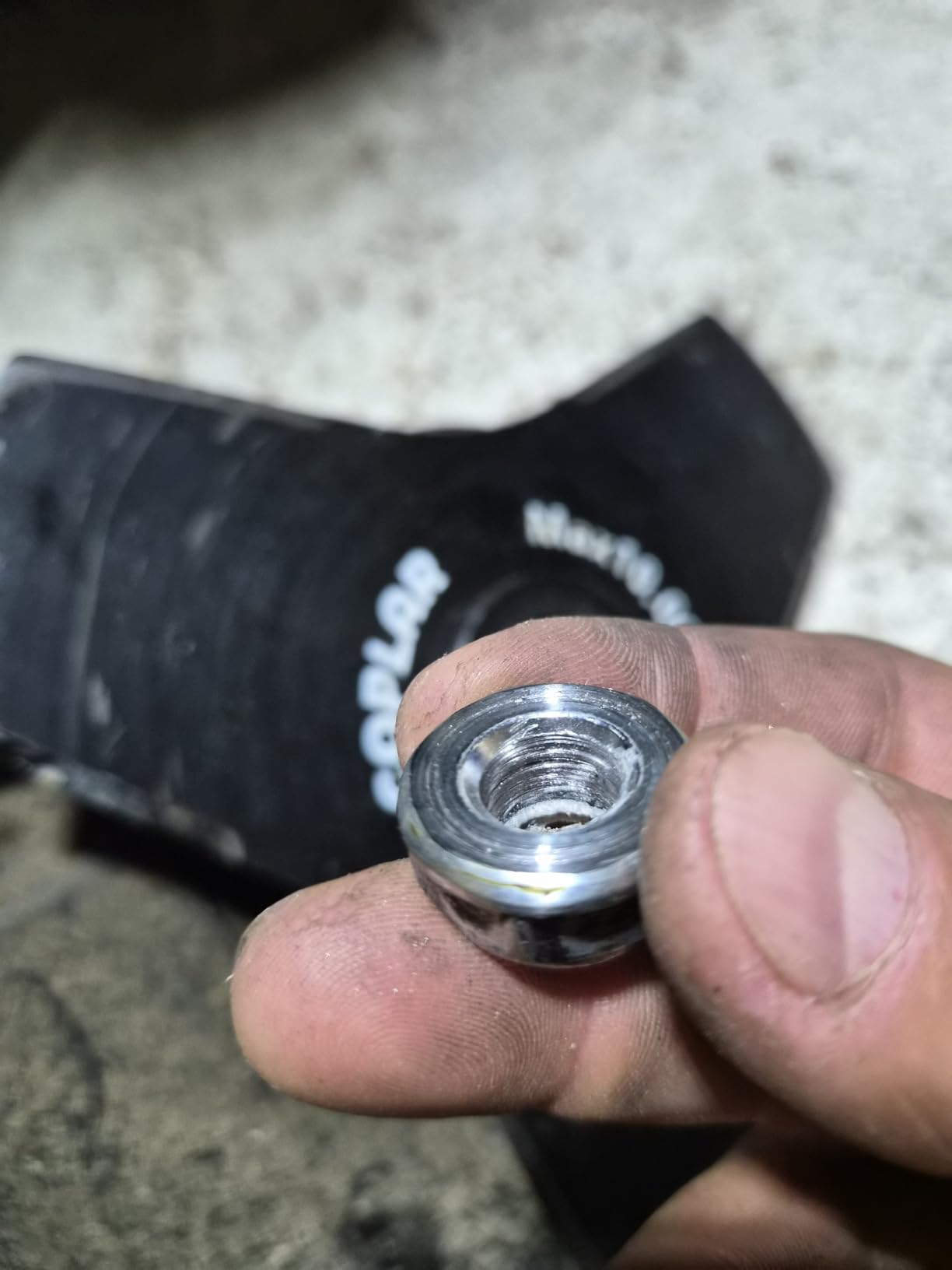
Checking drive shaft fit before you order
The single most common complaint pattern for universal-fit heads is a shaft that almost lines up. Measure the diameter and shape of your existing drive shaft before ordering, and confirm whether your trimmer uses a split shaft or a fixed tube.
If your trimmer is a split-shaft design, the connection is usually straightforward. Fixed-shaft models with a different connector profile may need an adapter that is not included.
Whether this head can handle more than light brush
Honest answer: not reliably. An 8-inch TRI-ARC blade is a brash blade, and brash blades flex and stall on stems thicker than roughly half an inch. Owners report good results on weeds and light brush and slower progress on anything woody.
If your property is dominated by thin stalky growth and low grass, this is a sensible spend. If it is full of bramble and saplings, step up to the 10-inch WORX head or the 12-inch EGO head instead.
We earn a commission, at no additional cost to you. CERTAIN CONTENT THAT APPEARS ON THIS SITE COMES FROM AMAZON. THIS CONTENT IS PROVIDED 'AS IS' AND IS SUBJECT TO CHANGE OR REMOVAL AT ANY TIME.
5. WORX Driveshare WA0221 – Best 10 Inch Head for Split-Shaft Owners
WORX Driveshare 10″ Brush Cutter Attachment, WA0221
- 10 in cutting width
- 6700 rpm
- Steel blade for dense brush
- Fits most split-shaft trimmers
- 4 lb
Pros
- Cuts brambles and saplings over an inch thick
- All-metal head that feels solid under load
- Includes wrench plus hex key and shoulder strap
- Universal fit for most split-shaft trimmers
Cons
- Assembly instructions frequently called confusing
- Fit pin may not line up on non-WORX trimmers
- 4 lb head feels heavy on a straight-shaft power head
We earn a commission, at no additional cost to you. CERTAIN CONTENT THAT APPEARS ON THIS SITE COMES FROM AMAZON. THIS CONTENT IS PROVIDED 'AS IS' AND IS SUBJECT TO CHANGE OR REMOVAL AT ANY TIME.
Of the cross-brand options in this roundup, the WORX WA0221 is the one that reports doing real woody work. Owners describe cutting through an inch of sapling and heavy bramble with it, and that claim lines up with the heavy-duty steel blade the product is built around.
At 10 inches, the cutting width is the second widest of the heads here and sits between the narrow 8-inch options and the 12-inch EGO. On mixed overgrowth that middle position tends to be the practical sweet spot.
The kit is unusually complete for an attachment. You get the head, a wrench, a hex key, a shoulder strap and a safety handle, which removes the two most common reasons people skip brush cutting entirely.
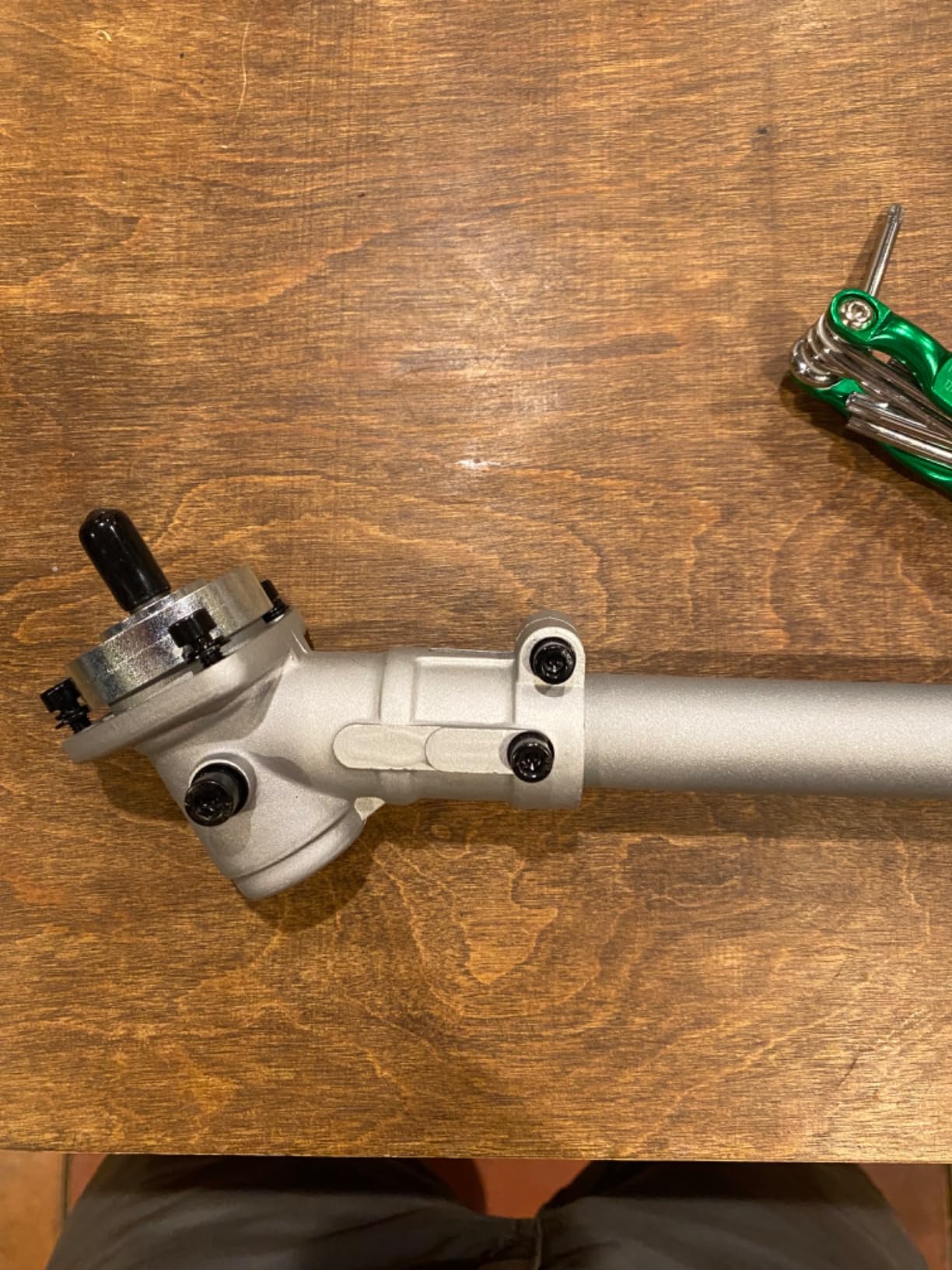
Running at 6700 rpm, this is the fastest rated no-load speed of any head in this roundup. Higher rpm with a steel blade means a cleaner shear through thin woody stems rather than a tendency to chew and stall.
The steel blade is described as heavy duty for dense brush, and the review data backs that up. This is the head we would pick for bramble, honeysuckle and young saplings if a universal fit were the priority.
Fit is the caveat. While it is listed as universal for most split-shaft trimmers, some buyers report the fit pin not lining up on non-WORX units, and assembly instructions are called confusing often enough that it is worth budgeting extra setup time.
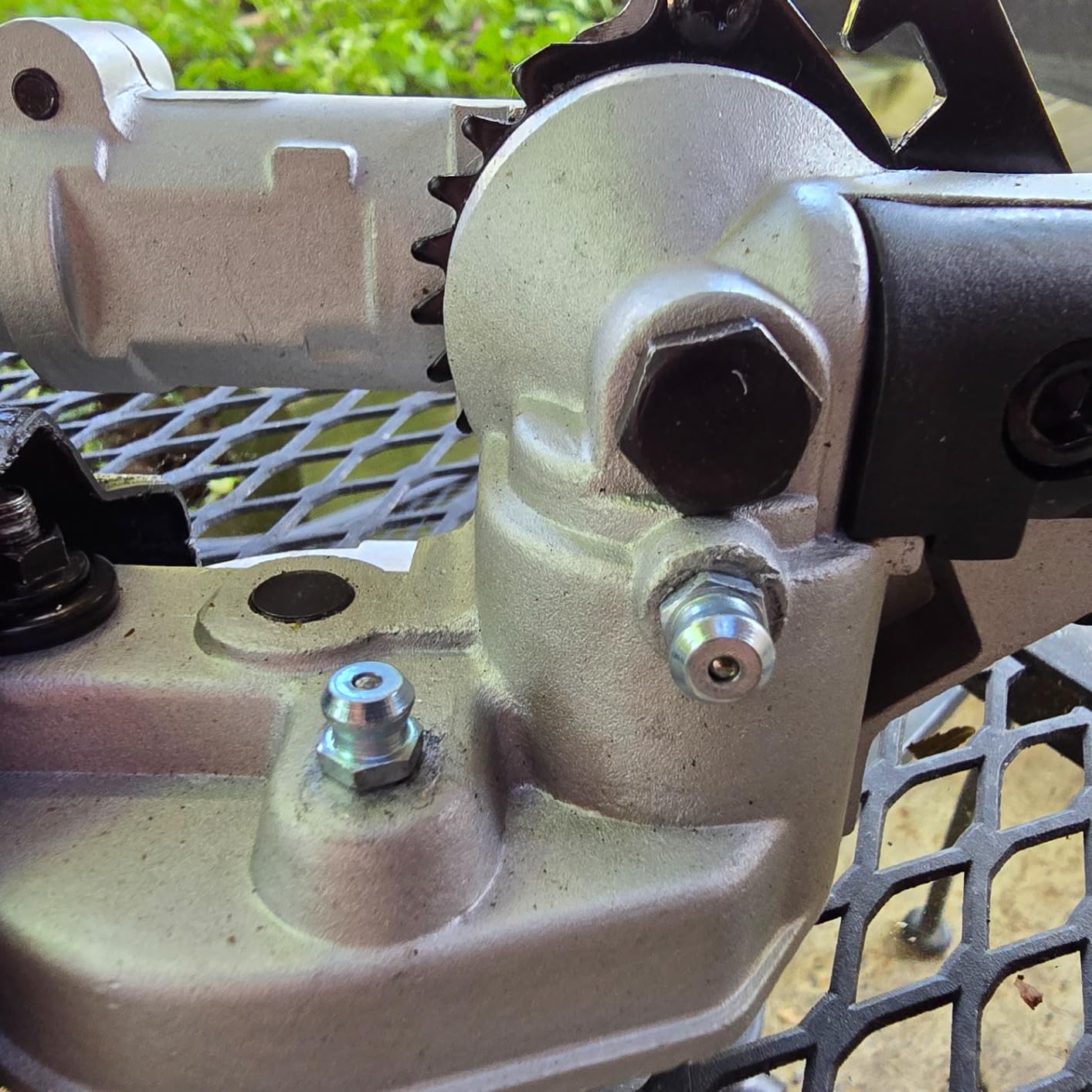
How the 10 inch steel blade compares on thick stems
Ten inches of cutting width means a 10-inch steel blade, and that diameter is where a brash blade stops flexing and starts shearing. Below roughly three-quarters of an inch, blades bow and stall. Above that, they hold an edge and cut.
Owner reports of inch-thick saplings suggest the blade geometry is up to that task, which is more than any other head in this roundup can claim on paper. A single inch of hardwood is well short of a two-inch class, but it covers a lot of young growth.
What to do about the fit and setup problems
Check your shaft before ordering, particularly if your trimmer is not a WORX unit. The fit pin is the part most often reported as not lining up, and confirming the shaft profile in advance avoids an expensive return.
For the assembly confusion, budget twenty minutes with the included hex key and wrench rather than five. Owners who set aside that time report the head performing well afterward.
We earn a commission, at no additional cost to you. CERTAIN CONTENT THAT APPEARS ON THIS SITE COMES FROM AMAZON. THIS CONTENT IS PROVIDED 'AS IS' AND IS SUBJECT TO CHANGE OR REMOVAL AT ANY TIME.
6. BILT HARD 170cc Walk-Behind – Best for Wide-Acreage Overgrowth
BILT HARD Walk Behind String Trimmer, 170cc 4-Cycle Gas Brush Hog Mower, 22 Inch Cutting Diameter, Push Weed Eater with 14 Inch Flat Free Wheels, Brush Cutter for Farm, Lawn, Yard
- 170cc 4-cycle OHV gas
- 22 in cutting diameter
- One-piece steel deck
- 14 in never-flat wheels
- 54.1 lb
Pros
- Widest cutting path here at 22 inches
- 170cc 4-cycle engine gives more torque and smoother running
- Wheels let you walk the cut instead of carrying it
- One-piece steel deck reduces vibration
Cons
- 54 lb machine is awkward on tight or sloped terrain
- Nylon line rather than a steel blade limits woody work
- Gasoline upkeep means fuel mixing and pull starting
We earn a commission, at no additional cost to you. CERTAIN CONTENT THAT APPEARS ON THIS SITE COMES FROM AMAZON. THIS CONTENT IS PROVIDED 'AS IS' AND IS SUBJECT TO CHANGE OR REMOVAL AT ANY TIME.
This is the productivity play in the roundup. A 22-inch cutting diameter means you cover nearly three times the ground per stroke compared with a 10-inch handheld head, and 14-inch never-flat wheels mean you walk the cut instead of swinging the whole machine.
The 170cc four-cycle OHV engine is the reason it can sustain that width. Four-stroke design gives smoother running, more torque at low rpm and no oil mixing in the fuel, all of which show up on a long afternoon of tall grass.
The one-piece steel deck adds rigidity and cuts vibration compared with a bolted multi-piece deck. On rough ground that matters, because deck flex translates directly into an uneven cut and more fatigue.
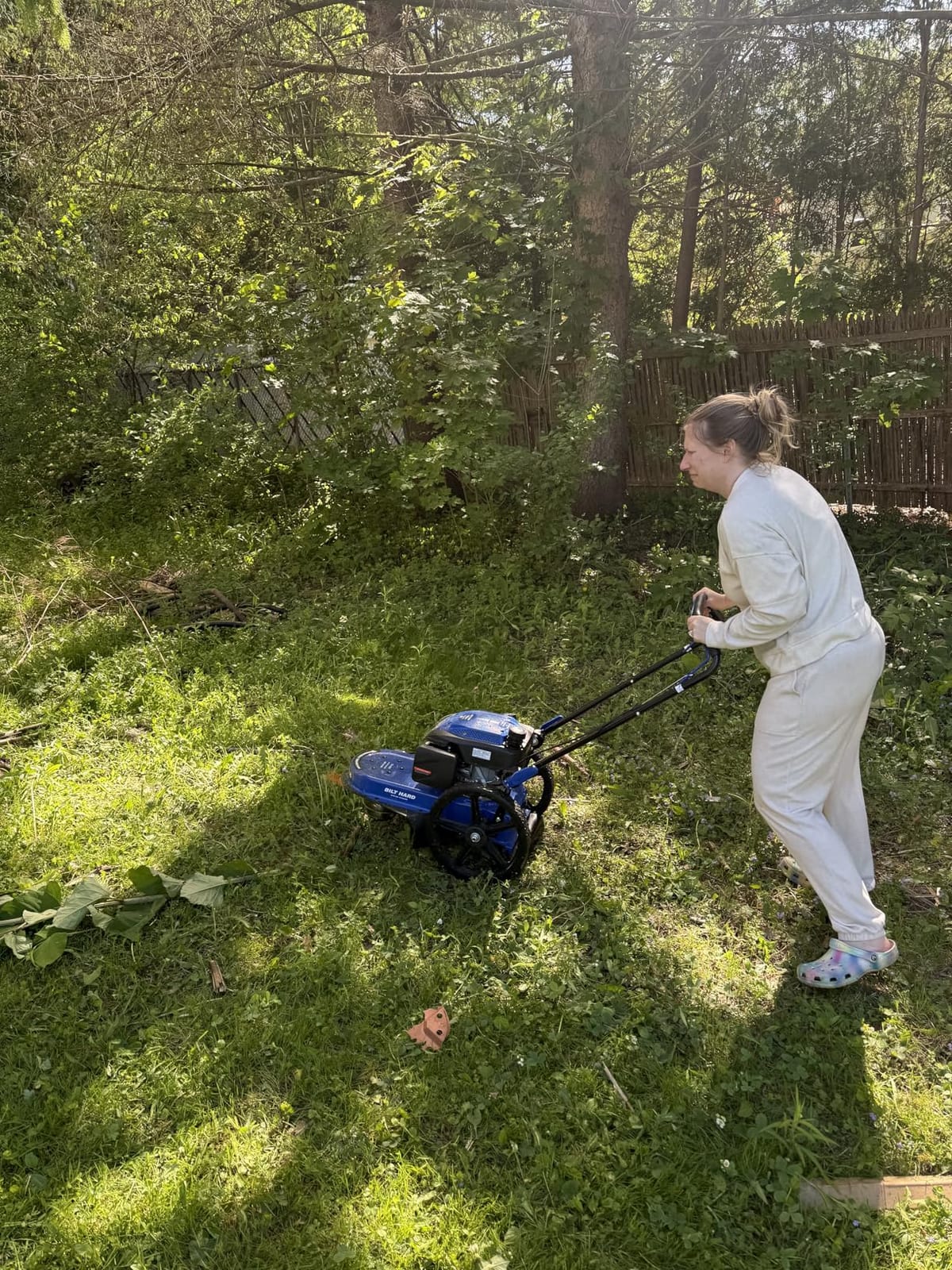
Now the part that matters for overgrown property specifically. This machine cuts with heavy-duty nylon line, not a steel blade. It handles tall thick grass and light brush well, which is what owners report, but it will not take down woody stems the way the EGO or WORX heads can.
Think of it as the volume machine. If your property is mostly tall grass, sedge and weeds, the 22-inch path saves enormous amounts of time. If it is full of saplings and bramble, you need a blade-equipped handheld for that portion of the work.
At 54.1 pounds it is by far the heaviest unit here, and that shows up in tight spaces and on slopes. Owners also note that gasoline means fuel handling, oil changes and pull starting, none of which exist on a battery machine.

How much ground this covers per hour
Cutting width is the number that drives productivity. At 22 inches you cover roughly double the swath per pass compared with an 11-inch handheld head, and the wheels mean you maintain a steady walking pace instead of stepping over your own cut.
That is why professionals clearing open acreage reach for walk-behind machines and tractor-mounted brush mowers. The productivity difference comes from width and self-propulsion, not from raw engine power.
Where a walk-behind stops working
Nylon line is the hard limit. Line strips, throws and stalls against woody stems, and no amount of engine torque changes that because the line itself is too soft to shear wood.
The 54-pound weight is the second limit. Steep hillsides, uneven ground and confined spaces between trees and fences all become significantly harder with a machine this size, and a handheld is simply easier to control there.
We earn a commission, at no additional cost to you. CERTAIN CONTENT THAT APPEARS ON THIS SITE COMES FROM AMAZON. THIS CONTENT IS PROVIDED 'AS IS' AND IS SUBJECT TO CHANGE OR REMOVAL AT ANY TIME.
7. VOL2GO 21V Cordless – Best Budget Pick for Light Overgrowth
Cordless Weed Wacker Eater Brush Cutter Weed Trimmer with Blade Stringless
- 21V motor
- Two 2.0Ah batteries
- 6 in cutting width
- 3.5 lb
- Saw and straight blades
Pros
- Very light at 3.5 pounds for older or new users
- Two swappable batteries reduce downtime
- Metal blades avoid line-swap hassle
- Quiet operation with low noise output
- Assembles in about five minutes
Cons
- 6 in cutting width means many passes on large properties
- One reviewer cut into a shed with the guard in place
- Lightweight motor and build limit it to light brush
We earn a commission, at no additional cost to you. CERTAIN CONTENT THAT APPEARS ON THIS SITE COMES FROM AMAZON. THIS CONTENT IS PROVIDED 'AS IS' AND IS SUBJECT TO CHANGE OR REMOVAL AT ANY TIME.
The VOL2GO is not a machine for an acre of overgrown land, and it would be dishonest to rank it as one. What it is, is the easiest and least expensive way into brush cutting for someone working a garden bed, a duck run or a small yard.
At 3.5 pounds it is the lightest complete machine in this roundup, and that weight is the whole selling point for older users or anyone who has never run a power tool before. There is no fuel, no pull cord and no oil to mix.
Two 2.0Ah rechargeable lithium batteries ship with a charger, and because they swap, you are not waiting on a single pack to recharge mid-job. That is a genuine advantage over single-battery tools for light continuous work.
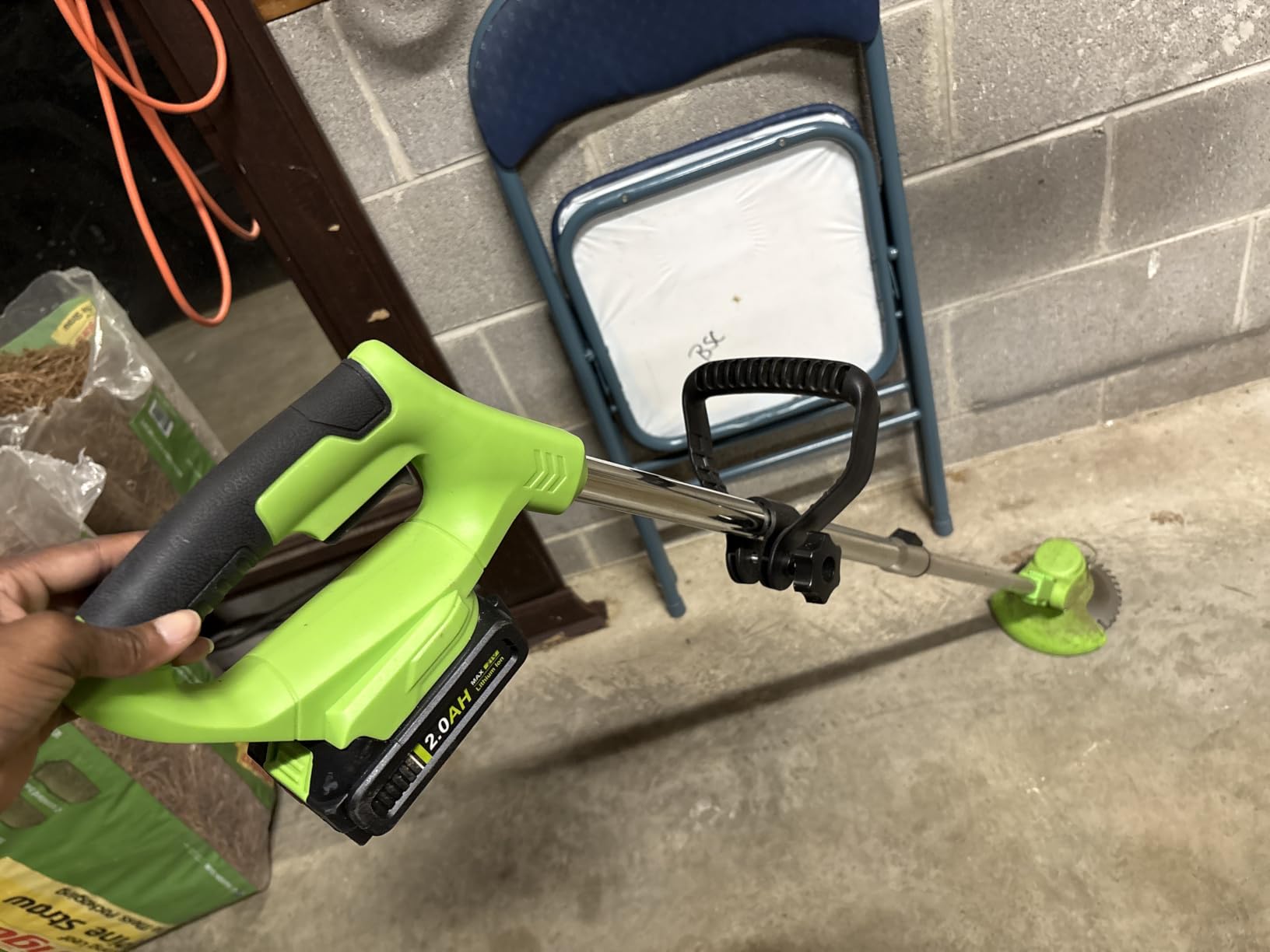
The stringless metal blade design includes both a saw blade and a straight blade, which is unusual at this level. It is a 3-in-1 tool handling trimming, edging and brush cutting, and it includes safety goggles, work gloves and a reinforced debris guard.
The 6-inch cutting width is the smallest here, which means many passes on anything larger than a garden bed. Reviewers recommend it for small yards, garden beds and duck runs, and that is the use case it genuinely serves.
One detail deserves attention from any buyer: a reviewer reported cutting into a shed, which points to a debris guard that offers limited protection. Treat the guard as helpful rather than sufficient, and clear the work area of anything you would not want to lose.
Where a 21V motor still runs out of steam
This is the failure case that shows up repeatedly across owner communities for budget battery brush cutters. A 21V motor with 2.0Ah packs simply does not have the sustained output to push through thick woody growth for long stretches before bogging down.
That is a machine for weeds, light brush and edges. The moment you meet stems thicker than roughly half an inch, or a dense mat of bramble, the motor loads up and the work slows sharply.
Whether it is worth it for a small property
If your clearing needs are measured in square yards rather than acres, yes. Light weight, quiet operation, no fuel storage and zero maintenance make it pleasant to use, and it will handle the jobs a string trimmer cannot.
If you are facing an overgrown lot with real acreage behind it, the honest answer is that runtime and capacity will disappoint you. Owning an extra battery does not add cutting power, and the small cutting width makes the shortfall obvious quickly.
We earn a commission, at no additional cost to you. CERTAIN CONTENT THAT APPEARS ON THIS SITE COMES FROM AMAZON. THIS CONTENT IS PROVIDED 'AS IS' AND IS SUBJECT TO CHANGE OR REMOVAL AT ANY TIME.
8. COOCHEER 58cc – Best All-in-One Gas Machine with Four Interchangeable Heads
Weed Eater String Trimmer, 58cc Cordless Grass Gas Powered Weed Wacker 4-in-1 Straight Shaft String Trimmer Brush Cutter with 4 Detachable Head
- 58cc 2-cycle to 9300 rpm
- Four detachable heads
- 18 in brush path
- Split shaft with strap
Pros
- 58cc 2-cycle engine has real power for bushes and shrubs
- Four interchangeable heads cover trimming
- edging and sawing
- Straight shaft reaches under shrubs without bending
- Accessory kit includes spare spark plug and pull rope
Cons
- Largest share of one-star reviews in the group
- 2-cycle engine is noisier and vibrates more than 4-cycle
- Gasoline operation means fuel mixing and pull starting
We earn a commission, at no additional cost to you. CERTAIN CONTENT THAT APPEARS ON THIS SITE COMES FROM AMAZON. THIS CONTENT IS PROVIDED 'AS IS' AND IS SUBJECT TO CHANGE OR REMOVAL AT ANY TIME.
The COOCHEER 58cc is the only handheld here that arrives as a complete machine with a real gas engine and no platform dependency. At 58cc two-stroke it out-displaces every attachment head on this list, and that is where its cutting ability comes from.
It comes with four detachable heads: two 0.08-inch dual-line bump-feed heads, a brush cutter blade and a circular saw blade. That covers a 10-inch trimming path and an 18-inch path for brush and shrub work, all from one machine.
The straight shaft design is genuinely useful. It lets you work under shrubs and low branches without bending, which a curved or loop-handled machine physically cannot do well.
Running to 9300 rpm, this is the highest no-load speed in the roundup and the only machine here that can run a circular saw blade at all. That is a meaningfully different capability class from everything else on this page.
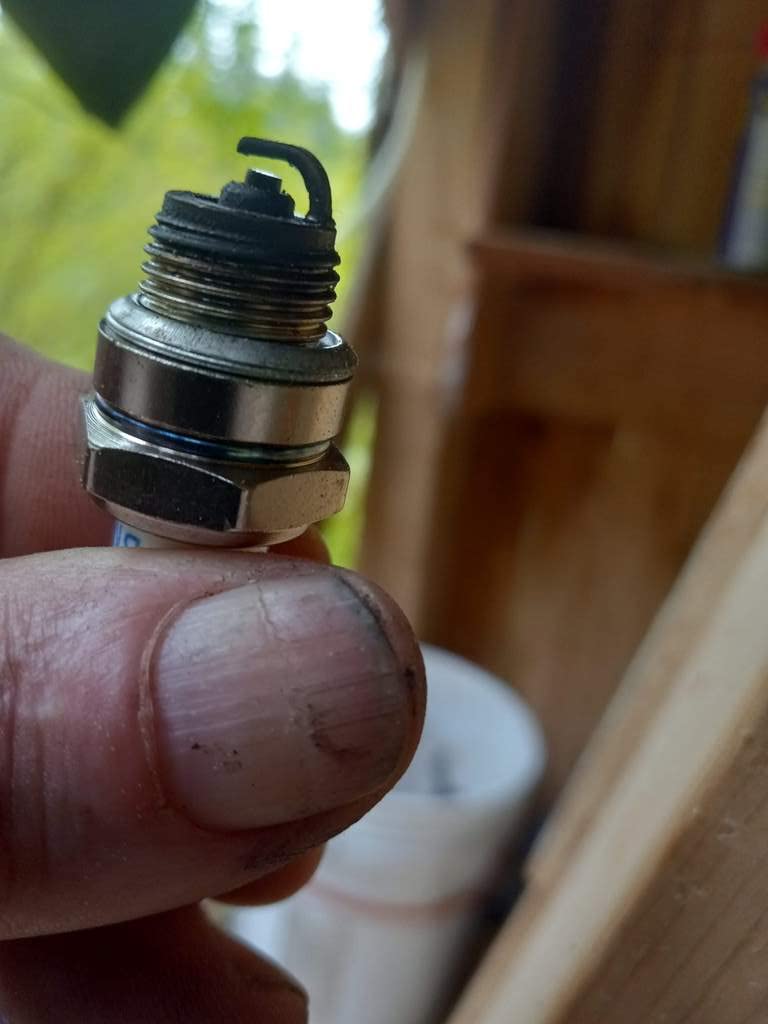
The adjustable U-handle, shoulder strap and quick-release split shaft cover the ergonomics properly. The accessory kit includes a spare pull rope, a spare spark plug, a fuel mixing bottle, a safety guard and a tool kit.
Where it loses ground is build consistency. It carries the largest share of one-star reviews in this group, and the feedback points at stability and long-term durability rather than a single fixable fault. The rating is also the second lowest here.
Whether a 58cc two-stroke is the right power class
Two-stroke engines at this displacement deliver high power for their weight and rev freely, which is why professionals running handheld brushcutters still reach for them. The costs are noise, vibration and the fuel mixing routine, and all three are real on a long job.
A four-stroke at a lower displacement would be quieter and smoother, but it will not match this machine for straight cutting power per pound. For pure clearing capacity on a budget, the 58cc two-stroke is the stronger tool.
What the durability feedback actually says
The one-star reviews cluster around stability and assembly rather than cutting ability. That distinction matters, because it means the machine performs when it runs and the complaints are about the first hour of ownership.
Buy it with the expectation that it is an entry point into gas brush cutting, keep the spare spark plug and pull rope that come in the box, and factor in eventual repairs as a budget line rather than a surprise.
We earn a commission, at no additional cost to you. CERTAIN CONTENT THAT APPEARS ON THIS SITE COMES FROM AMAZON. THIS CONTENT IS PROVIDED 'AS IS' AND IS SUBJECT TO CHANGE OR REMOVAL AT ANY TIME.
9. Wild Badger Power 40V 4-in-1 – Best Single-Battery Set for Whole-Tool Coverage
Wild Badger Power 40V Brushless Weed Wacker, String Trimmer/Edger, Hedge Trimmer and Brush Cutter Blade, Pole Saw, Attachment Capable 4-in-1 Multi-Tool Kit with 1 * 40V 4Ah Battery and 1*Charger
- 40V 4Ah brushless
- 4-in-1 kit
- 15 in trim and 10 in brush
- 18 lb
- Runtime about one hour
Pros
- One battery and power head cover four yard tools
- Quick-release attachment changes in seconds
- Cordless 40V platform avoids gas storage and pull starting
- Pole saw handled limbs up to about 2 inches in user testing
Cons
- Several buyers report heavy vibration through the handles
- Instructions and diagrams described as vague
- Runs about one hour per charge
We earn a commission, at no additional cost to you. CERTAIN CONTENT THAT APPEARS ON THIS SITE COMES FROM AMAZON. THIS CONTENT IS PROVIDED 'AS IS' AND IS SUBJECT TO CHANGE OR REMOVAL AT ANY TIME.
The Wild Badger 40V kit answers a different question than most of this list. Instead of one tool done well, it bundles four: a 15-inch string trimmer and edger, an 8-inch pole saw, a 16-inch hedge trimmer and a 10-inch brush cutter, all on one 40V 4Ah battery.
For a household that needs all four jobs done, that consolidation is the argument. One battery, one charger, one power head, and attachments that assemble or remove in seconds.
The brushless motor is the technical choice worth noting. Brushless motors generate less heat and friction than brushed ones, which generally means more runtime from the same pack capacity and a longer service life.
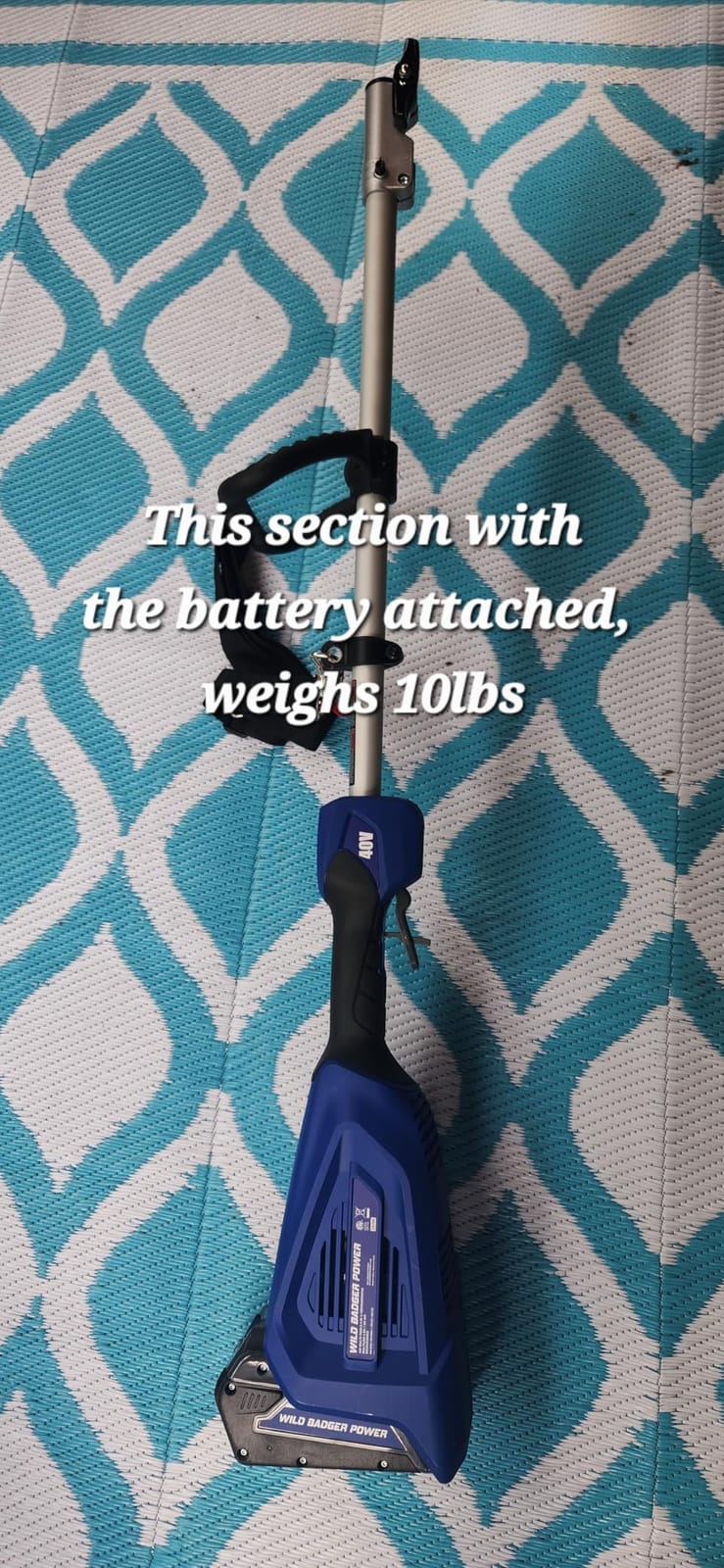
The pole saw is the standout. Owners report handling limbs up to about two inches in it, which is a genuine capability claim and the only two-inch cutting performance reported anywhere in this roundup.
Set against that, the brush cutter itself underperformed relative to advertised capability, and several buyers report heavy vibration through the handles during use. Vibration is a fatigue multiplier on long jobs, so that matters more than it first appears.
Runtime works out to around an hour of work per charge. For a small property with mixed trim, hedge and light brush tasks that is workable, and for anything approaching acreage it is not.
This also has the smallest review base in the roundup at 33 reviews, so the long-term durability picture is genuinely unproven. Judge it on that basis rather than on the headline rating.
Whether 40V clears sustained brush work
A 40V 4Ah pack with a brushless motor sits above the entry cordless class and below the platform systems from the major tool brands. On light brush and tall grass it performs well. On dense woody growth it will load up, and the reported brush cutter underperformance is consistent with that ceiling.
Roughly an hour per charge also caps how much you can clear before a break. For a half-acre of mixed growth that is fine. For a full acre of sedge and saplings you will be recharging more than you are cutting.
Who this bundle rewards and who it does not
It rewards owners who need four tools occasionally and want one battery platform rather than four separate purchases. The pole saw and hedge trimmer are the parts that pull their weight, and the pole saw handles limbs that other tools here cannot.
It does not reward someone whose single priority is heavy brush clearing. For that, the gas option at number eight or a dedicated blade head on a major platform is the better allocation of money.
We earn a commission, at no additional cost to you. CERTAIN CONTENT THAT APPEARS ON THIS SITE COMES FROM AMAZON. THIS CONTENT IS PROVIDED 'AS IS' AND IS SUBJECT TO CHANGE OR REMOVAL AT ANY TIME.
Handheld, Walk-Behind or Tractor Attachment: Which Class Fits Your Land
Most disappointing brush cutter purchases are class mistakes, not quality mistakes. Buyers get a machine built for a quarter-acre job and point it at three acres of oak brush, then conclude the whole category is bad equipment.
Three classes exist. The handheld brushcutter or weed eater is the most versatile and the slowest per acre. The walk-behind brush mower covers open ground quickly. Tractor and skid-steer attachments clear woodland and heavy woody brush at a rate a handheld cannot approach.
On owner forums, the recurring argument is not about which brand wins. It is about whether a handheld is the right tool at all, and experienced hands consistently say that for real acreage a walk-behind or brush mower type machine is faster, easier, and destroys brush down to mulch.
One long-term owner on ArboristSite put numbers to it: 70 acres cleared with a 30cc handheld over roughly two years, working about five hours a day three days a week. That is an honest benchmark, and it tells you a handheld is a multi-year project on large parcels rather than a weekend.
Our guidance is straightforward. Under half an acre with light brush, a handheld attachment head is ideal. Half an acre to a few acres of tall grass and weed, add a walk-behind machine. Several acres with saplings, bramble or woodland edge, plan on a tractor or skid-steer brush mower, because no handheld will get there this season.
Access is the deciding factor people forget. A walk-behind machine at 54 pounds needs flat, clear ground to work at all. On a wooded parcel full of trees and slope, that condition is rarely met, and a handheld is genuinely the only option.
Is a brush cutter hard on a skid steer? A brush cutter attachment is hard on nothing, but it does put a large side load on the loader arms and the carrier hydraulics. Wide cutting decks demand hydraulic flow, and constant impact from brush loads the pins and bushings. Running the deck low, keeping the carrier on level ground and inspecting mounts periodically are what keep it from becoming expensive.
Matching Blade Type to Brush Diameter on Overgrown Ground
The most common mistake in brush cutting is running the wrong blade for the vegetation in front of you. Each blade type has a diameter it handles well and a diameter where it stops working entirely.
A brash blade, sometimes called a brush knife, has two to four teeth and is built for weeds, grass and light brush up to about half an inch. It is the fastest-cutting option on green growth and the safest on soft ground, because it flexes rather than snapping.
A saw blade with many fine teeth is the tool for thin woody stems roughly half an inch to an inch thick. It handles bramble and saplings that a brash blade would stall on, at the cost of a slower cut and more heat in the blade.
A toothed brush blade with fewer, wider teeth handles brush around an inch thick and some heavier stalky vegetation. A stump blade is a different job entirely, designed to cut at or below ground level rather than to clear standing growth.
Beyond roughly an inch and a half of hardwood, you should stop thinking brush cutter and start thinking chainsaw. Nobody in this roundup rates above that class, and pretending otherwise is how people get hurt. Owner experience supports this: two-inch hardwood sections are what professionals treat as chainsaw work.
The switching problem is real. A tri-blade steel knife is painfully slow on two-inch hardwood, and a circular saw blade is close to useless on bulk half-inch brush because it bogs down instantly. Pick the blade for the dominant vegetation and accept a slower pass on the outliers.
Gas Versus Battery on Overgrown Property
Gas wins on sustained heavy work and loses on everything else. A two-stroke engine at 30cc and above delivers uninterrupted power until the tank is empty, with no battery degradation and no charge time to plan around.
Battery wins on convenience. No fuel storage, no oil mixing, no pull cord, low noise and near-zero routine maintenance. For anyone with a quarter acre or less, that difference in daily friction is enormous.
The failure case worth naming is the 20V class brush cutter dying under sustained load on an overgrown lot. That complaint appears repeatedly in owner discussions, and it is not a defect so much as physics. Small packs cannot deliver the sustained current a loaded steel blade demands, so the machine bogs down exactly when the work gets interesting.
The practical dividing line is time. Under an hour of intermittent work, a cordless machine is comfortable. Once you are clearing continuously for hours, charge time becomes part of the job and stops being a convenience.
Noise matters more than buyers expect. A brush cutter two-stroke is loud enough to end a conversation with a neighbour, which matters on small acreage and close setbacks. Cordless machines are quiet enough to run early without complaint.
One more variable is parts and dealer support. Experienced owners consistently rank serviceability and parts availability alongside the machine itself, and that is the argument for established platform brands over no-name imports, even when the import is cheaper.
How to Choose a Heavy Duty Brush Cutter for Your Property
Start with the vegetation, not the spec sheet. Walk the property and identify the dominant growth: grass and weeds, bramble and vines, or woody stems. The answer decides your blade class before any other decision.
Next, measure the diameter of the thickest stems you expect to meet. Under half an inch means a brash blade. Around an inch means a saw or toothed brush blade. Above that, you need a chainsaw and a brush cutter for everything else.
Engine displacement is the next filter. For handheld work, 25cc to 30cc covers light brush and 50cc plus covers shrubs and heavier stems. The 58cc machine in this roundup is the strongest single handheld here. A four-stroke runs smoother and quieter; a two-stroke gives more power per pound and needs fuel mixing.
Cutting width decides how many passes you make. Wider means fewer strokes and faster coverage on open ground. There is a balance point where a very wide head becomes heavy and awkward in brush, which is where the 10-inch and 12-inch options in this roundup sit.
Platform compatibility deserves more weight than most buyers give it. An attachment head only works with its own brand system, so buying a head before confirming your power unit is a common and expensive error. The cross-brand heads here work on many trimmers and carry that risk differently.
Ergonomics determine whether you finish the job. Weight matters, but so do balance, harness support and whether the handles let you keep a two-handed grip. A harness included in the box, as on the WORX head, saves you a separate purchase.
Handle layout is a comfort preference with a safety angle. Bicycle-style handles reduce fatigue in long sessions, a loop handle suits smaller hands, and a straight shaft lets you cut underneath shrubs where a loop handle cannot reach.
Gearbox and drive construction deserve inspection. Die-cast housings, as on the DEWALT head, handle impact loading far better than stamped alternatives. If your ground contains rocks and stumps, that single detail can decide service life.
Guard design is not optional. A proper debris shield matters more than any convenience feature, and a reported case of a guard failing to prevent property damage is a reminder that guards help rather than eliminate risk.
Finally, serviceability. Confirm that a local dealer carries parts for your chosen brand, and check warranty length before buying. On a machine that will see hard use, a serviceable local dealer is worth more than a small saving on the purchase.
Maintenance Schedule and Clearing Technique That Stops Kickback
Maintenance decides whether a brush cutter lasts three seasons or fifteen. The schedule is short, and skipping any line of it shows up as reduced cutting performance long before anything breaks.
Check the air filter frequently during dusty clearing work and clean it according to the manual. A clogged filter chokes the engine and cuts power, which owners often mistake for the machine being underpowered.
Inspect and replace the spark plug on schedule, and carry a spare. The COOCHEER kit in this roundup ships with one, which is a small detail that saves a delayed job.
Sharpen or replace blades roughly every 15 hours of use. A dull blade requires more engine power to achieve the same cut, which increases vibration, fuel consumption and heat, and dull blades are the most common source of reported vibration complaints.
Replace nylon line at the correct diameter for your head and bump it up rather than down when it wears. Thin line strips faster and throws more debris.
Set up for safety before every session. Eye and ear protection are mandatory, gloves matter, and on wooded ground leg chaps are the difference between a scratch and a serious cut.
Keep bystanders at least 15 feet away. That distance comes from published safety guidance for brush cutting and it is not negotiable, particularly when you are working along a property line or public right-of-way.
Prevent kickback by technique. Approach vegetation from the direction the blade teeth are designed to cut, keep the head moving, and never push the cutting end into dense growth. Most kickback injuries come from pushing a stalled blade forward rather than pulling it through.
Never work alone on remote land with heavy equipment, and take a charged phone. This is outdoor power equipment, and the failure modes are as much about terrain as about the machine.
Frequently Asked Questions
What is the best tool to clear an overgrown yard?
For most yards a gas string trimmer with a brash blade handles weeds and light brush. Past about half an acre, or if saplings and bramble are present, move up to a full brush cutter with a saw blade, or a walk-behind brush mower if the ground is open and flat.
Which brush cutter is best for heavy duty?
Heavy duty clearing needs a brush cutter rated for roughly one inch of woody stem, which means a 9-inch to 12-inch steel brush or saw blade and, for gas, a 50cc or larger engine. The EGO Power+ BCA1220 head at 12 inches and the WORX WA0221 at 10 inches both cover that class.
What is the most powerful brushcutter?
Power in a handheld brush cutter scales with engine displacement, and among complete machines the 58cc two-stroke listed here out-displaces every battery alternative. Battery machines at 40V and above can match a mid-size gas machine on light brush but not on sustained woody work.
What is a brush cutter vs whipper snipper?
A whipper snipper is a string trimmer, meaning it cuts with nylon line and is built for grass and light weeds. A brush cutter uses a rigid shaft and accepts a metal brash, saw or stump blade, which lets it shear woody stems that nylon line cannot touch.
What are common problems with bush cutters?
The usual failures are a dull blade adding vibration, a clogged air filter cutting power, a stripped shaft coupler, worn bump knobs, and clutch or gearbox damage from blade impact. Most are preventable with blade sharpening about every 15 hours, regular filter checks and keeping the blade balanced.
Which is better, STIHL or Husqvarna brush cutter?
Both are consistently named as reference standards by experienced owners, and the deciding factor is usually local dealer support and parts availability rather than specifications. Stihl is more often described as the resale and longevity benchmark, while Husqvarna models are frequently recommended for heavy vegetation.
Is a brush cutter hard on a skid steer?
A brush mower attachment puts large side loads on the loader arms and pins, and wide decks need steady hydraulic flow. Run the deck low, keep the carrier level, avoid hitting stumps at speed and inspect mounts regularly, and it will stay predictable.
The Verdict on the Best Brush Cutters for Overgrown Property
The EGO Power+ BCA1220 takes our top ranking for the best brush cutters for overgrown property because it pairs the widest cutting width of any head here, a 3-tooth steel blade rated to one inch of sapling, and the deepest owner feedback base in the group at more than four thousand reviews.
Its one condition is that you already own the PH1420 power head. If you do not, the cross-brand COPLAR or WORX options get you cutting for less once compatibility is confirmed, and the WORX WA0221 at 10 inches is the one we would choose for bramble and young saplings.
For open acreage of tall grass and weed, the BILT HARD 170cc walk-behind covers ground at a rate no handheld can match. For a complete gas machine with no platform dependency, the COOCHEER 58cc is the strongest single unit here, and it carries the most durability risk.
Most importantly, match the class to the job before the brand. Half an acre or less, a handheld head is the answer. Several acres with real woody growth, plan on a walk-behind or tractor attachment, because experienced owners are consistent on one point: a handheld is a multi-year project at that scale, not a weekend.