Do Fat Burners Work Without Exercise? Science-Based Answer 2026
Disclaimer: betterresultsbook.com contains information about products that are intended for laboratory and research use only, unless otherwise explicitly stated. This information, including any referenced scientific or clinical research, is made available for educational purposes only. Likewise, any published information relative to the dosing and administration of reference materials is made available strictly for reference and shall not be construed to encourage the self-administration or any human use of said reference materials. betterresultsbook.com makes every effort to ensure that any information it shares complies with national and international standards for clinical trial information and is committed to the timely disclosure of the design and results of all interventional clinical studies for innovative treatments publicly available or that may be made available. However, research is not considered conclusive. betterresultsbook.com makes no claims that any products referenced can cure, treat or prevent any conditions, including any conditions referenced on its website or in print materials.
If you are wondering whether fat burners work without exercise, here is the honest answer: they may provide minimal benefits, but results are significantly limited compared to combining them with physical activity.
Based on our research, fat burners can slightly boost metabolism through thermogenesis and suppress appetite. However, a 2021 meta-analysis published in the International Journal of Sport Nutrition and Exercise Metabolism found that thermogenic supplements alone produced less fat loss than exercise or diet-plus-exercise approaches.
In this guide, I will break down exactly what happens when you take fat burners without working out, which ingredients have scientific backing, and what realistic expectations you should have.
What Are Fat Burners?
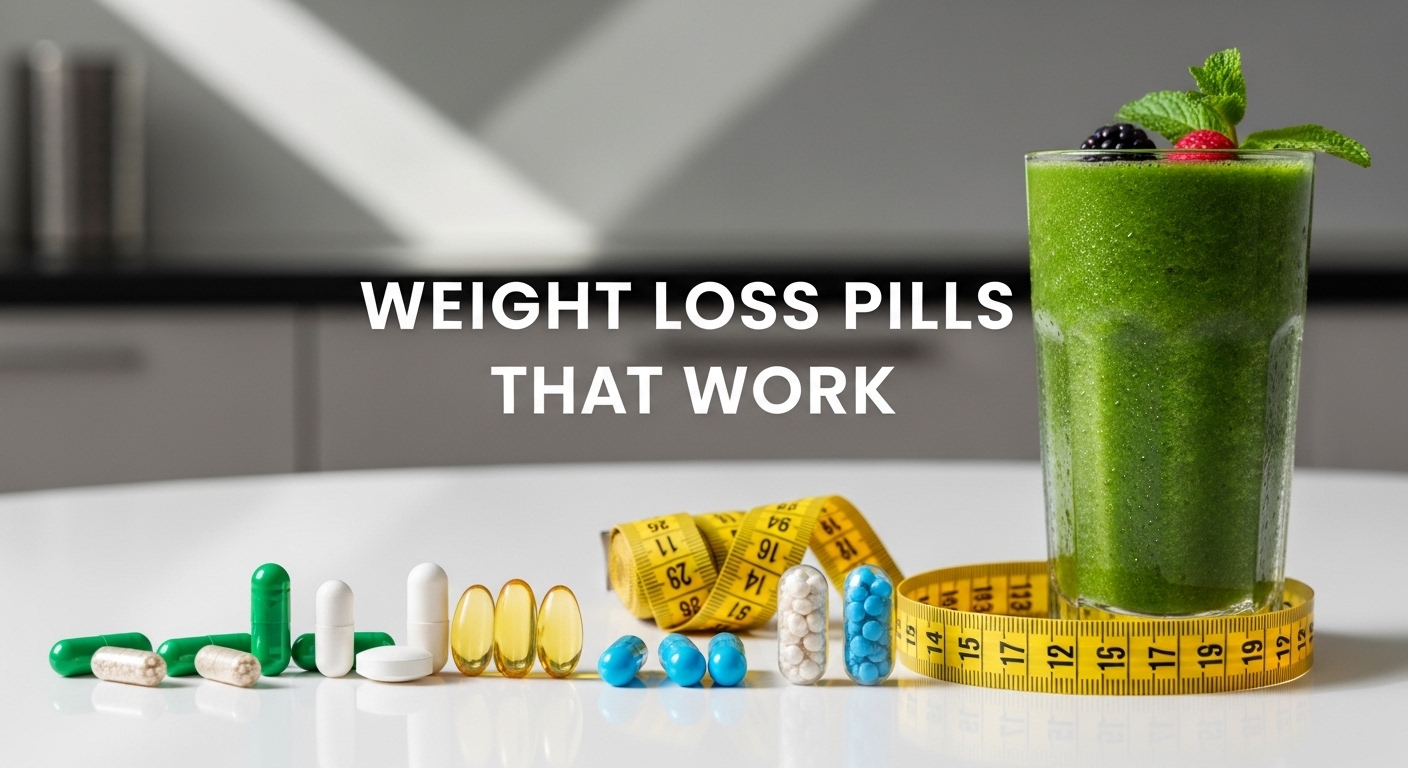
Fat burners are dietary supplements containing ingredients that claim to boost metabolism, suppress appetite, and increase fat oxidation. They come in various forms including capsules, powders, and liquids.
The fat burner market includes thousands of products with varying ingredient combinations. Understanding the main categories helps you evaluate what you are considering.
Stimulant Fat Burners
These contain ingredients like caffeine, synephrine, and yohimbine that stimulate the central nervous system. They work by increasing heart rate, energy expenditure, and alertness.
Stimulant fat burners tend to produce more noticeable immediate effects, but also carry higher risks of side effects like jitters, anxiety, and sleep disruption.
Non-Stimulant Fat Burners
These rely on ingredients like L-carnitine, CLA (conjugated linoleic acid), and green tea extract in lower doses. They aim to support fat metabolism without the stimulant effects.
Non-stimulant options may be preferable for people sensitive to caffeine or those taking them later in the day.
Key Point: Fat burners are dietary supplements, not medications. They are not FDA-approved for weight loss and their effectiveness claims are not required to be proven before sale.
How Do Fat Burners Work?
Fat burners work through several mechanisms, though the actual impact varies significantly based on ingredients, dosage, and individual response.
Here are the primary ways fat burners claim to work:
1. Thermogenesis
Thermogenesis is the process of producing heat in the body, which requires burning calories. Ingredients like caffeine and capsaicin may increase thermogenesis by 3 to 5 percent.
This translates to burning roughly 50 to 100 extra calories per day for most people. For context, that is equivalent to about half a banana.
2. Appetite Suppression
Some fat burner ingredients may reduce hunger signals. Caffeine and fiber-based ingredients are commonly used for this purpose.
Users report that appetite suppression can help maintain a calorie deficit more easily. However, tolerance often develops, reducing this effect over time.
3. Fat Oxidation
Certain ingredients claim to help the body break down stored fat for energy. L-carnitine, for example, helps transport fatty acids to mitochondria where they can be burned.
The catch is that increased fat oxidation does not automatically mean fat loss. Your body still needs to be in a calorie deficit to actually lose stored fat.
4. Energy Boost
Stimulant-based fat burners provide energy through caffeine and similar compounds. This energy boost is often the most noticeable effect users experience.
Without exercise to use this extra energy, many users experience jitters, restlessness, and difficulty sleeping.
Common Fat Burner Ingredients and Their Evidence
Not all fat burner ingredients have equal scientific support. Here is what research tells us about the most common ingredients.
| Ingredient | Mechanism | Evidence Level | Typical Dose |
|---|---|---|---|
| Caffeine | Thermogenesis, energy | Moderate | 100-400mg/day |
| Green Tea Extract (EGCG) | Fat oxidation, metabolism | Moderate | 250-500mg/day |
| L-Carnitine | Fat transport | Limited | 500-2000mg/day |
| Yohimbine | Fat release | Limited | 5-20mg/day |
| CLA | Body composition | Mixed | 3-6g/day |
| Garcinia Cambogia | Appetite suppression | Weak | 500-1500mg/day |
| Raspberry Ketones | Fat metabolism | Very Weak | 100-400mg/day |
Caffeine
Caffeine is the most studied fat burner ingredient. Research suggests it can increase metabolic rate by 3 to 11 percent and enhance fat oxidation during exercise.
However, tolerance develops quickly. Regular caffeine consumers may see diminished effects within two weeks of consistent use.
Green Tea Extract
Green tea extract contains catechins, particularly EGCG, which may boost metabolism and fat oxidation. Studies suggest modest effects, particularly when combined with caffeine.
A typical effective dose contains 250 to 500 milligrams of EGCG. Many supplements contain less than this amount.
L-Carnitine
L-carnitine helps transport fatty acids into mitochondria for energy production. However, studies show minimal fat loss benefits in people who are not carnitine-deficient.
The evidence suggests L-carnitine may be more effective during exercise when the body needs to mobilize fat for fuel.
Yohimbine
Yohimbine may help with stubborn fat loss by blocking alpha-2 adrenergic receptors. However, it can cause anxiety, elevated blood pressure, and other side effects.
Research shows yohimbine works best in a fasted state and during exercise. Its effectiveness without exercise is questionable.
What Happens If You Take Fat Burners Without Exercise?
Taking fat burners without working out produces different effects than using them as part of an exercise program. Here is what you can realistically expect.
Slight Metabolism Boost
Fat burners may increase your resting metabolic rate by 3 to 5 percent. For someone with a 1,800 calorie baseline, that is roughly 50 to 90 extra calories burned per day.
Over a month, this could theoretically add up to about half a pound of fat loss, assuming everything else stays constant.
Appetite Suppression
Many users report reduced appetite, which can help maintain a calorie deficit. This may be the most practically useful effect for people not exercising.
However, relying solely on appetite suppression without building healthy eating habits is not sustainable long-term.
Jitters and Restlessness
Without exercise to burn off stimulant energy, many users experience uncomfortable side effects. Jitters, anxiety, and difficulty concentrating are common complaints.
This is particularly problematic with higher-caffeine formulas that provide 300 to 400 milligrams per serving.
Sleep Disruption
Taking stimulant fat burners without exercising often leads to sleep problems. The body has no outlet for the extra energy, which can interfere with falling and staying asleep.
Poor sleep, ironically, is associated with weight gain and increased appetite.
Minimal Actual Fat Loss
Without the calorie burn from exercise and the metabolism boost from increased muscle mass, fat burners alone produce minimal results.
Users who rely solely on supplements often report disappointment with results after several weeks or months of use.
Comparison: With Exercise vs Without
| Factor | With Exercise | Without Exercise |
|---|---|---|
| Calorie Burn | 300-500+ extra per workout | 50-100 per day from thermogenesis |
| Fat Oxidation | Enhanced during activity | Minimal increase |
| Energy Use | Directed toward workout | May cause jitters |
| Muscle Preservation | Resistance training helps maintain | Risk of muscle loss in deficit |
| Expected Results | Modest improvement over exercise alone | Minimal to none |
What Does the Science Say?
Scientific research on fat burner effectiveness without exercise is limited but informative.
The 2021 Meta-Analysis
A comprehensive 2021 meta-analysis published in the International Journal of Sport Nutrition and Exercise Metabolism examined thermogenic supplement effectiveness across multiple studies.
The researchers concluded that there appears to be limited benefit that may be derived from the inclusion of thermogenic dietary supplements to reduce body mass and body fat.
Importantly, the analysis found that supplements performed significantly worse than exercise alone or diet-plus-exercise approaches.
Caffeine Research
Caffeine has the most robust evidence of any fat burner ingredient. Studies suggest it can increase energy expenditure by 3 to 11 percent in the short term.
However, tolerance develops rapidly, and long-term weight loss effects are modest at best without accompanying lifestyle changes.
The Placebo Factor
Many fat burner studies show similar results between active supplements and placebos. This suggests that some perceived benefits may come from increased awareness of diet rather than the supplements themselves.
When people take fat burners, they often simultaneously improve their eating habits, confounding results.
Individual Variation
Research consistently shows significant individual variation in response to fat burner ingredients. What works for one person may have no effect on another.
Genetic factors affecting caffeine metabolism, for example, influence how much benefit someone might experience.
Safety Considerations and FDA Warnings
Understanding the safety profile of fat burners is crucial, especially when using them without the metabolic benefits of exercise.
FDA Disclaimer: Dietary supplements, including fat burners, are not FDA-approved for weight loss. The FDA does not review supplements for safety or effectiveness before they are sold. Manufacturers are responsible for ensuring their products are safe, but violations are common.
Common Side Effects
- Cardiovascular: Increased heart rate, elevated blood pressure, heart palpitations
- Nervous system: Jitters, anxiety, restlessness, insomnia
- Digestive: Nausea, diarrhea, stomach discomfort
- Other: Headaches, sweating, dry mouth
Serious Risks
The FDA has issued warnings about tainted weight loss products containing hidden pharmaceutical ingredients. Some products have caused serious liver damage, heart attacks, and strokes.
Products containing stimulants like DMAA, DMAE, or excessive ephedra have been particularly problematic.
Who Should Avoid Fat Burners
Certain groups should avoid or be extremely cautious with fat burners:
- People with heart conditions: Stimulants can exacerbate cardiovascular problems
- Those with anxiety disorders: Caffeine and stimulants may worsen symptoms
- Pregnant or nursing women: Safety data is insufficient
- People on medications: Interactions with blood pressure, diabetes, and psychiatric medications are possible
- Those with liver or kidney issues: Many supplements are processed by these organs
Safer Alternatives
For those unable to exercise, focusing on diet for weight loss is more effective and safer than fat burners. A moderate calorie deficit of 300 to 500 calories daily produces sustainable weight loss.
Increasing non-exercise activity like walking, standing, and daily movement (called NEAT) can also help without formal exercise.
Frequently Asked Questions
Can you still burn fat without exercise?
Yes, you can burn fat without exercise through a calorie deficit from diet alone. Your body burns calories through basal metabolic rate, digestion, and daily activities. However, exercise significantly accelerates fat loss and helps preserve muscle mass during weight loss.
Do fat burners work on belly fat?
Fat burners cannot spot-reduce belly fat specifically. They work by potentially increasing overall metabolism and fat oxidation throughout the body. Belly fat reduction requires an overall calorie deficit, and genetics largely determine where your body loses fat first.
What happens if you take fat burners without working out?
Taking fat burners without exercise may result in slight metabolism boost, appetite suppression, jitters from unused stimulant energy, potential sleep disruption, and minimal actual fat loss. The energy-boosting effects of stimulant fat burners often become uncomfortable without physical activity to use them.
Should I take fat burners on non-workout days?
You can take fat burners on rest days, but consider using non-stimulant formulas to avoid jitters and sleep issues. The metabolism-boosting effects continue regardless of activity level. Some users prefer to skip stimulant fat burners on non-workout days to reduce tolerance buildup.
Is it safe to take fat burners without doing any workout?
Fat burners carry risks regardless of exercise status, including cardiovascular effects, anxiety, and sleep disruption. Without exercise to utilize stimulant energy, some side effects may be more pronounced. Always consult a healthcare provider before starting any supplement, especially if you have underlying health conditions.
What is the 30/30/30 rule for fat loss?
The 30/30/30 rule suggests eating 30 grams of protein within 30 minutes of waking, followed by 30 minutes of low-intensity exercise. This approach aims to boost metabolism and reduce cravings throughout the day. While not specifically related to fat burners, it emphasizes the importance of protein and morning activity for weight management.
The Bottom Line
Based on our research, fat burners provide minimal benefits without exercise. While they may slightly boost metabolism and suppress appetite, the 2021 meta-analysis shows thermogenic supplements alone are far less effective than exercise or diet-plus-exercise approaches.
If you cannot exercise due to injury, time constraints, or other limitations, focusing on diet is a more effective and safer approach. A moderate calorie deficit produces sustainable weight loss without the risks associated with fat burner supplements.
For those who still want to try fat burners, set realistic expectations. The extra 50 to 100 calories burned daily from thermogenesis is minimal compared to what exercise provides. Consider non-stimulant options to avoid jitters and sleep disruption.
Medical Disclaimer: This article is for informational purposes only and does not constitute medical advice. Always consult a licensed healthcare provider before starting any weight loss supplement or program. Individual results may vary, and supplements are not a substitute for a healthy diet and lifestyle.