GHK-Cu for Bodybuilding: Benefits, Dosage & Best Sources 2026
Disclaimer: betterresultsbook.com contains information about products that are intended for laboratory and research use only, unless otherwise explicitly stated. This information, including any referenced scientific or clinical research, is made available for educational purposes only. Likewise, any published information relative to the dosing and administration of reference materials is made available strictly for reference and shall not be construed to encourage the self-administration or any human use of said reference materials. betterresultsbook.com makes every effort to ensure that any information it shares complies with national and international standards for clinical trial information and is committed to the timely disclosure of the design and results of all interventional clinical studies for innovative treatments publicly available or that may be made available. However, research is not considered conclusive. betterresultsbook.com makes no claims that any products referenced can cure, treat or prevent any conditions, including any conditions referenced on its website or in print materials.
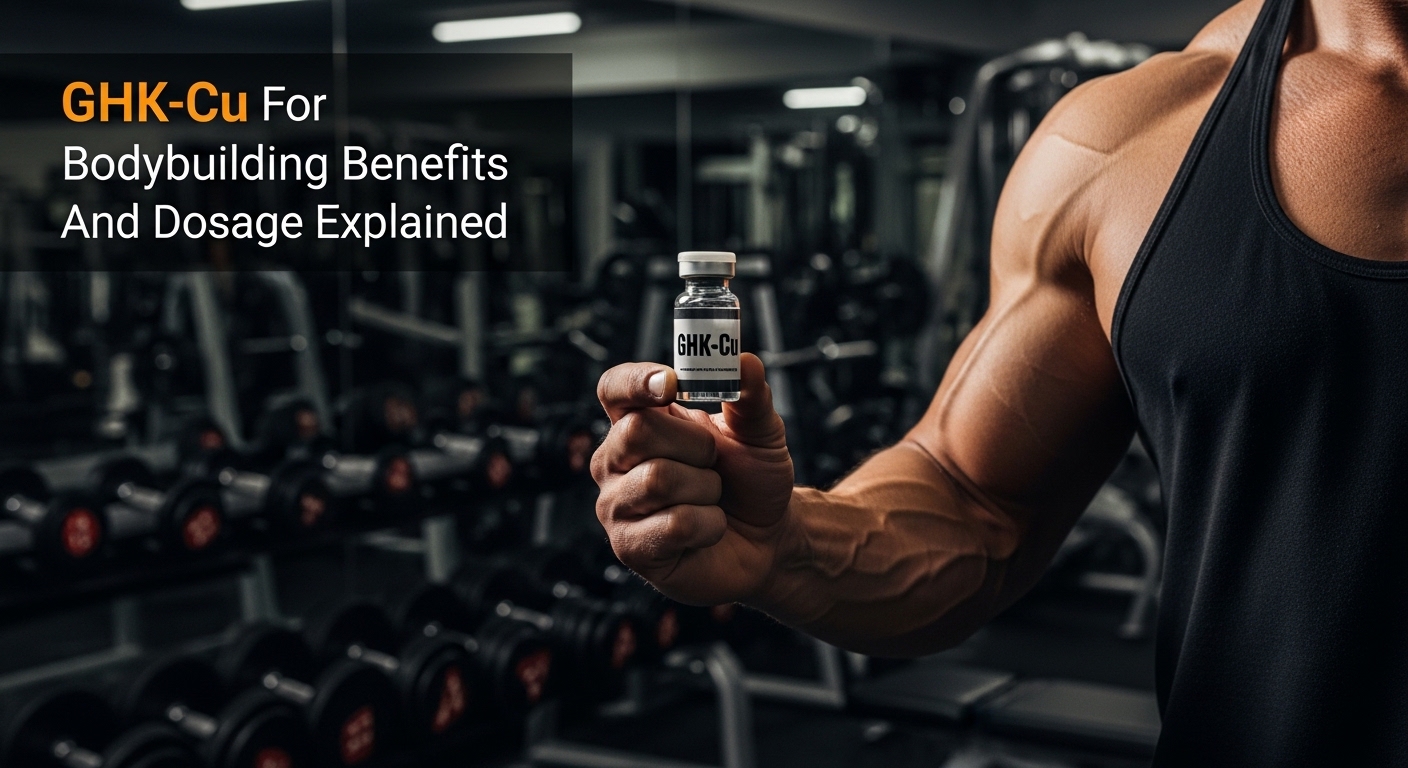
If you’ve been researching peptides for bodybuilding, you’ve probably come across GHK-Cu and wondered whether it belongs in your supplement stack. I spent weeks diving into the research, forum discussions, and real user experiences to bring you the complete picture.
Here’s the bottom line: GHK-Cu is NOT a traditional bodybuilding peptide for muscle growth or fat loss. However, it may benefit bodybuilders through recovery support, inflammation reduction, and improved skin appearance for competition.
In this guide, we’ll explore what GHK-Cu actually does, how it compares to real bodybuilding peptides like BPC-157 and TB-500, proper dosage protocols, and where to find quality sources. By the end, you’ll know exactly whether this copper peptide deserves a place in your regimen.
What Is GHK-Cu?
GHK-Cu (glycyl-histidyl-lysine copper) is a naturally occurring copper peptide complex that your body produces in small amounts. It consists of three amino acids bound to a copper ion, making it a tripeptide-copper complex.
GHK-Cu: A naturally occurring tripeptide (glycyl-L-histidyl-L-lysine) with high affinity for copper ions. First discovered by Dr. Loren Pickart in 2026, it’s primarily studied for tissue repair, anti-inflammatory, and skin rejuvenation properties.
Dr. Loren Pickart’s research discovered that GHK-Cu levels decline significantly as we age. At age 20, your blood contains approximately 200 ng/ml of GHK-Cu, but by age 60, levels drop to around 80 ng/ml.
Research suggests GHK-Cu works by modulating gene expression. Studies indicate it may influence over 4,000 genes, many related to tissue repair and regeneration. The copper ion plays a crucial role in enzyme function and cellular signaling pathways.
The peptide appears to work through multiple mechanisms including stimulating collagen and elastin production, reducing inflammation, and supporting the body’s natural healing processes. These properties make it interesting for recovery, though not for direct muscle building.
Is GHK-Cu for Bodybuilding?
No, GHK-Cu is not a bodybuilding peptide in the traditional sense. It will not directly build muscle or burn fat like growth hormone secretagogues or anabolic compounds.
Based on our research, the confusion stems from GHK-Cu appearing alongside actual bodybuilding peptides like BPC-157, TB-500, and Ipamorelin in product catalogs. While these peptides share some overlap in recovery applications, their primary purposes differ significantly.
Important Clarification: GHK-Cu does NOT increase muscle protein synthesis, stimulate growth hormone release, or promote anabolic activity. If muscle building is your goal, you’re looking at the wrong peptide.
However, bodybuilders may still find value in GHK-Cu for supporting aspects of their training. Recovery, inflammation management, and pre-competition skin preparation are areas where this copper peptide may offer benefits.
Think of GHK-Cu as a maintenance and recovery tool rather than a performance enhancer. It may help your body handle the stress of intense training without directly contributing to muscle hypertrophy.
GHK-Cu Benefits for Bodybuilders
While GHK-Cu won’t pack on muscle mass, it may offer several benefits relevant to serious athletes. Based on preclinical research and community experiences, here’s what the science suggests.
Recovery Support
Research indicates GHK-Cu may accelerate tissue repair and wound healing. For bodybuilders dealing with the microtrauma of intense training, this could translate to faster recovery between sessions.
Studies suggest GHK-Cu stimulates the production of glycosaminoglycans, proteoglycans, and collagen. These structural proteins are essential for connective tissue health and may support recovery from repetitive strain.
Users on Reddit’s r/Strongman report using GHK-Cu at 3mg daily alongside other peptides during post-surgery recovery. While anecdotal, these experiences suggest potential applications for injury rehabilitation.
Inflammation Reduction
GHK-Cu appears to modulate inflammatory responses according to preclinical research. Chronic inflammation from intense training can impair recovery and performance over time.
The peptide may help reset inflammatory signaling, potentially reducing the systemic inflammation that accompanies heavy training cycles. This anti-inflammatory action differs from simply masking pain.
Athletes dealing with persistent joint or tendon issues report adding GHK-Cu to their protocols. One user on r/AskAnAustralian noted that GHK-Cu “completely changed my life” for tennis-related knee issues after decades of play.
Tissue Repair and Maintenance
GHK-Cu may support the extracellular matrix, the structural framework surrounding your cells. This matrix includes tendons, ligaments, and the connective tissue that holds everything together.
Research suggests the peptide promotes fibroblast activity, the cells responsible for producing collagen and other structural proteins. This could help maintain tissue integrity under heavy training loads.
For bodybuilders concerned about long-term joint and tendon health, GHK-Cu’s tissue maintenance properties may offer preventive benefits rather than acute performance enhancement.
Skin and Hair Benefits for Competition
Here’s where GHK-Cu may genuinely shine for bodybuilders: competition preparation. The peptide’s skin-enhancing properties are well-documented in research.
GHK-Cu may improve skin firmness, elasticity, and overall appearance. For competitors where skin quality affects presentation, this could provide a legitimate edge during peak week.
Research indicates benefits for hair health as well. Some athletes report improved hair thickness and scalp health, which may matter for overall stage appearance.
GHK-Cu vs Other Bodybuilding Peptides
Understanding how GHK-Cu compares to actual bodybuilding peptides helps clarify where it fits in your protocol. Here’s a research-based comparison.
| Peptide | Primary Purpose | Bodybuilding Relevance | Typical Price Range |
|---|---|---|---|
| GHK-Cu | Tissue repair, skin health, anti-aging | Medium – recovery and skin benefits only | $58-$70 for 50mg |
| BPC-157 | Tissue repair, gut healing, injury recovery | High – directly supports injury recovery | $52-$97 for 5-10mg |
| TB-500 | Tissue repair, flexibility, wound healing | High – muscle and tendon repair | $78-$140 for 5-10mg |
| Ipamorelin | Growth hormone release | High – recovery, fat loss, muscle growth | $43-$46 for 5mg |
GHK-Cu vs BPC-157
BPC-157 (Body Protection Compound-157) is a gastric peptide with strong tissue healing properties. Unlike GHK-Cu, BPC-157 has demonstrated more direct effects on injury recovery in research.
Both peptides may support healing, but BPC-157 appears more targeted for acute injuries while GHK-Cu works more broadly on tissue maintenance. Many users stack both for comprehensive recovery support.
If you’re dealing with a specific injury, forum consensus suggests BPC-157 may be the better choice. For general tissue maintenance and skin health, GHK-Cu may be more appropriate.
GHK-Cu vs TB-500
TB-500 (Thymosin Beta-4) focuses on tissue regeneration and may improve flexibility. It’s particularly popular among athletes for tendon and ligament issues.
Research suggests TB-500 may promote new blood vessel formation and cell migration for healing. GHK-Cu works through different mechanisms focused on gene expression and the extracellular matrix.
Some athletes use the combination of GHK-Cu, BPC-157, and TB-500 together. This stack, sometimes called “GLOW,” targets recovery from multiple angles.
GHK-Cu vs Ipamorelin
Ipamorelin is a growth hormone secretagogue. It stimulates your pituitary gland to release growth hormone, potentially supporting muscle growth, fat loss, and recovery.
This represents a fundamentally different category than GHK-Cu. Ipamorelin works through the growth hormone axis, while GHK-Cu works through gene expression and tissue support.
If your primary goal is muscle building or fat loss, Ipamorelin is the more relevant peptide. GHK-Cu may complement it by supporting tissue health alongside growth hormone benefits.
GHK-Cu Dosage and Administration
GHK-Cu is available in multiple forms, each with different dosing protocols. Based on community experiences and available research, here are the common approaches.
Disclaimer: Peptides like GHK-Cu are sold for research purposes and are not FDA-approved for human use. The following information comes from user reports and should not be considered medical advice. Always consult a healthcare provider.
Injectable GHK-Cu Dosage
Subcutaneous injection is the most common administration method in the bodybuilding community. Research-grade GHK-Cu comes as lyophilized powder requiring reconstitution with bacteriostatic water.
| Administration Method | Typical Dosage Range | Common Protocol | Notes |
|---|---|---|---|
| Subcutaneous Injection | 1-5mg per day | 1-2mg daily | Most bioavailable method |
| Oral Tablets | 100-200mcg per day | 120mcg daily | Limited bioavailability data |
| Topical Serum | 0.1-2% concentration | Twice daily | Best for skin benefits |
| Nasal Spray | 250-1000mcg per spray | 1-2 sprays daily | Less invasive than injection |
Forum users commonly report dosages of 1-2mg daily via subcutaneous injection. Some users increase to 3-5mg during intensive recovery periods, though this represents the higher end of reported use.
Oral GHK-Cu Dosage
Oral GHK-Cu tablets offer convenience but may have lower bioavailability than injectable forms. The peptide must survive digestion to reach systemic circulation.
Products like Neurogan Health’s tablets provide 120mcg daily doses. While less potent per milligram, oral forms eliminate the need for reconstitution and injection.
Users seeking skin and general wellness benefits may find oral forms sufficient. Those wanting maximum absorption typically prefer injectable or nasal delivery.
Topical GHK-Cu Application
Topical application targets skin benefits directly. Serums and creams containing GHK-Cu are applied twice daily to affected areas.
This method excels for localized skin improvement but won’t provide systemic recovery benefits. Pre-competition bodybuilders may use topical GHK-Cu specifically for skin quality.
Topical formulations are generally considered safe for daily use. Some users combine topical application with systemic delivery for comprehensive benefits.
Nasal Spray Dosage
Nasal spray offers an alternative to injection with potentially better absorption than oral forms. The nasal mucosa allows direct absorption into the bloodstream.
Products typically provide 250-1000mcg per spray. Users report 1-2 sprays daily as a common protocol.
This method appeals to those who want systemic benefits without injection. Bioavailability data is limited compared to subcutaneous administration.
Cycle Length and Timing
Community protocols typically suggest 4-12 weeks on, followed by 2-4 weeks off. This cycling approach allows assessment of effects while avoiding potential receptor desensitization.
Some users run GHK-Cu continuously at lower doses for ongoing maintenance. Others reserve it for specific recovery periods or pre-competition preparation.
Results may take 4-8 weeks to become noticeable for tissue and skin benefits. Patience is important, as GHK-Cu works through gradual biological processes rather than acute effects.
Where to Buy GHK-Cu?
Quality matters significantly with research peptides. Based on our research, here are three reputable sources with verified product information and pricing.
| Provider | Features | Price | |
|---|---|---|---|
| Peptide Sciences |
|
$70/50mg | View Products |
| Core Peptides |
|
$58/50mg | View Products |
| Neurogan Health |
|
$32-$51 | View Products |
We may earn a commission at no extra cost to you. Products are for research purposes only.
Peptide Sciences – Best for Research-Grade Purity

- ✓99%+ verified purity
- ✓Full lab documentation
- ✓Bulk pricing available (up to 11% off)
- ✓USA-based manufacturing
- ✕Research use only
- ✕Requires reconstitution
- ✕Premium pricing
Peptide Sciences offers pharmaceutical-grade GHK-Cu with comprehensive documentation.
Products include third-party COA, HPLC analysis, and mass spectrometry verification for purity confirmation.
Peptide Sciences represents the gold standard for research peptides. Their GHK-Cu 50mg comes with full documentation including Certificate of Analysis, HPLC testing, and mass spectrometry verification.
Pricing starts at $70 for a single 50mg vial, with bulk discounts reducing costs to $62.50 per vial when purchasing 10 or more. The lyophilized powder requires reconstitution with bacteriostatic water before use.
For researchers prioritizing purity verification and comprehensive lab documentation, Peptide Sciences delivers. Their USA-based manufacturing and testing protocols provide confidence in product quality.
Best For
Researchers seeking pharmaceutical-grade GHK-Cu with full documentation and verified purity testing.
Skip If
You want ready-to-use products or prefer non-injectable forms.
Core Peptides – Best Value for Quality

- ✓Competitive pricing
- ✓Free shipping on $200+ orders
- ✓Wide peptide selection
- ✓Peptide blends available
- ✕Research use only
- ✕Requires reconstitution
Core Peptides offers high-quality GHK-Cu at competitive pricing with cGMP manufacturing.
They also stock related peptides including BPC-157 and TB-500 for stacking protocols.
Core Peptides delivers quality GHK-Cu at more accessible pricing. Their 50mg vials are currently priced at $58 (reduced from $69), representing solid value for research-grade product.
The company operates from a cGMP-certified facility with third-party testing protocols. They also stock BPC-157 ($52-$97) and TB-500 ($78-$140) for those interested in stacking protocols.
Free shipping on orders over $200 makes Core Peptides attractive for researchers purchasing multiple peptides. Their BPC-157 and TB-500 blend products offer convenience for recovery-focused protocols.
Best For
Researchers looking for value pricing and the ability to purchase multiple peptides for stacking.
Skip If
You need the most comprehensive lab documentation or prefer consumer-ready products.
Neurogan Health – Best Consumer-Friendly Options

- ✓Multiple delivery methods (oral tablets and nasal spray and topical)
- ✓Ready to use immediately
- ✓No injection required
- ✓Made in USA and cGMP certified
- ✕Lower concentrations than injectable
- ✕Primarily cosmetic focus
- ✕Not research-grade peptides
Neurogan Health offers GHK-Cu in consumer-friendly forms including tablets, nasal spray, and topical products.
Ideal for those seeking ready-to-use options without reconstitution or injection.
Neurogan Health takes a different approach, offering GHK-Cu in consumer-friendly formats. Their product line includes oral tablets ($32), nasal spray ($51), hair serum ($47), and face cream ($43).
The tablets provide 120mcg daily dosing with a 60-day supply. The nasal spray contains 50mg total, offering a non-injectable route to systemic delivery. These products don’t require reconstitution or special handling.
For those uncomfortable with injection or seeking primarily cosmetic benefits, Neurogan Health provides accessible entry points. Their products are made in the USA with cGMP certification and third-party testing.
Best For
Consumers wanting ready-to-use GHK-Cu products without injection, especially for skin and cosmetic benefits.
Skip If
You need research-grade peptides or want the highest possible bioavailability from injectable forms.
GHK-Cu Side Effects and Safety
Based on available research and user reports, GHK-Cu appears to have a favorable safety profile. However, comprehensive human clinical trials are limited.
The peptide occurs naturally in your body, which may contribute to its tolerability. Most users report minimal side effects when following standard protocols.
Reported Side Effects
- Injection site reactions: Mild redness or irritation at injection locations
- Copper uglies: Some users report temporary skin changes including accelerated aging appearance during initial use
- Temporary skin flushing: Occasional flushing reported with higher doses
The “copper uglies” phenomenon deserves attention. Some users experience temporary skin changes that resolve after discontinuation or dose adjustment. This appears related to copper’s effects on melanin and skin pigmentation.
Drug Testing Considerations
For competitive athletes subject to drug testing, GHK-Cu’s status remains unclear. While it’s a naturally occurring compound, supplementation could theoretically affect test results.
The World Anti-Doping Agency (WADA) prohibits certain peptides, though GHK-Cu is not explicitly listed as of 2026. Athletes should verify current regulations and consult with their governing bodies before use.
Precautions
Individuals with copper metabolism disorders should avoid GHK-Cu. Those with Wilson’s disease or other copper-related conditions face potential risks from additional copper intake.
GHK-Cu may interact with vitamin C and retinoids when used topically. Some users report reduced effectiveness when combining with these ingredients.
What the Bodybuilding Community Says?
Real user experiences provide valuable context beyond clinical research. Forum discussions reveal both successes and realistic expectations.
“I tore my biceps and used GHK-Cu at 3mg/day alongside BPC-157 and TB-500 post-surgery. Recovery went well, but hard to say which peptide did what.”
– r/Strongman user
Users consistently clarify that GHK-Cu doesn’t build muscle. Those expecting anabolic effects report disappointment, while those seeking recovery and skin benefits report positive experiences.
The r/bjj community notes that peptides like GHK-Cu work best for actual injuries rather than general post-training soreness. Setting appropriate expectations matters for satisfaction.
Long-term users in r/45PlusSkincare and r/Biohackers report tissue quality improvements over 3-6 months. Skin firmness, hair health, and overall tissue maintenance are the most commonly cited benefits.
Frequently Asked Questions
Does GHK-Cu build muscle?
No, GHK-Cu does not build muscle. It is not an anabolic peptide and does not increase muscle protein synthesis or stimulate growth hormone release. Its benefits for bodybuilders are limited to recovery support, inflammation reduction, and skin health.
How long does GHK-Cu take to work?
Most users report noticing effects within 4-8 weeks of consistent use. Skin and tissue benefits develop gradually as the peptide influences gene expression and collagen production. Acute effects are not typical with GHK-Cu.
Can you stack GHK-Cu with BPC-157?
Yes, many users stack GHK-Cu with BPC-157 and TB-500 for comprehensive recovery support. This combination, sometimes called the GLOW stack, targets tissue repair from multiple mechanisms. Each peptide works through different pathways.
Is GHK-Cu safe for athletes?
GHK-Cu appears to have a favorable safety profile based on available research and user reports. However, competitive athletes should check current WADA regulations, as peptide rules may change. The compound is not explicitly banned as of this writing but always verify with governing bodies.
Can you take GHK-Cu orally?
Yes, oral GHK-Cu tablets are available. However, bioavailability may be lower than injectable forms since the peptide must survive digestion. Oral forms like Neurogan Health tablets provide 120mcg daily doses and may be sufficient for general wellness benefits.
Final Verdict: Should Bodybuilders Use GHK-Cu?
GHK-Cu is not a muscle-building peptide. If you’re looking for something to directly enhance muscle growth or accelerate fat loss, look elsewhere. BPC-157, TB-500, or Ipamorelin are more relevant to those goals.
However, GHK-Cu may offer genuine value for bodybuilders focused on recovery, tissue maintenance, and competition preparation. The research on its tissue repair and anti-inflammatory properties suggests potential benefits for handling training stress.
For pre-competition skin preparation, GHK-Cu may provide a legitimate advantage. Its effects on collagen, elastin, and skin quality are well-documented in research.
If you decide to try GHK-Cu, set realistic expectations. Start with conservative dosing, give it 4-8 weeks to work, and focus on recovery and tissue quality rather than anabolic effects.
FDA Disclaimer: GHK-Cu and other peptides discussed in this article are not FDA-approved for human use. They are sold for research purposes only. The information provided is for educational purposes and should not be considered medical advice.
Medical Disclaimer: This article is for informational purposes only and does not constitute medical advice. Always consult a licensed healthcare provider before using any peptide or supplement. Individual results may vary, and the safety profile for long-term human use has not been established through comprehensive clinical trials.