Is Ozempic Safe for Weight Loss? 2026 Safety Guide
Disclaimer: This content is for informational purposes only and does not constitute medical advice. Always consult a licensed healthcare provider before starting any medication.
If you’re considering Ozempic for weight loss, you’re probably wondering about its safety profile. It’s a valid concern given how much conflicting information exists online.
Based on our research, Ozempic can be safe for weight loss when prescribed by a doctor for appropriate candidates, but it is not FDA-approved for weight loss. The FDA-approved version for weight management is Wegovy, which contains the same active ingredient (semaglutide) at a higher dose.
I’ve spent considerable time reviewing clinical studies, FDA safety communications, and real patient experiences to bring you a comprehensive, balanced assessment of Ozempic’s safety in 2026.
Here’s what you’ll learn: the common and serious side effects, who should absolutely avoid this medication, how it compares to Wegovy, and what the latest research says about long-term use.
What Is Ozempic?
Ozempic is a brand-name prescription medication containing semaglutide, manufactured by Novo Nordisk. It belongs to a class of drugs called GLP-1 receptor agonists.
GLP-1 Receptor Agonist: A type of medication that mimics glucagon-like peptide-1 (GLP-1), a hormone naturally produced in your gut after eating. It signals fullness to your brain and affects blood sugar regulation.
Ozempic works through three primary mechanisms. First, it slows gastric emptying, meaning food stays in your stomach longer. Second, it signals to your brain that you’re full, reducing appetite. Third, it helps regulate blood sugar by stimulating insulin release when glucose levels are high.
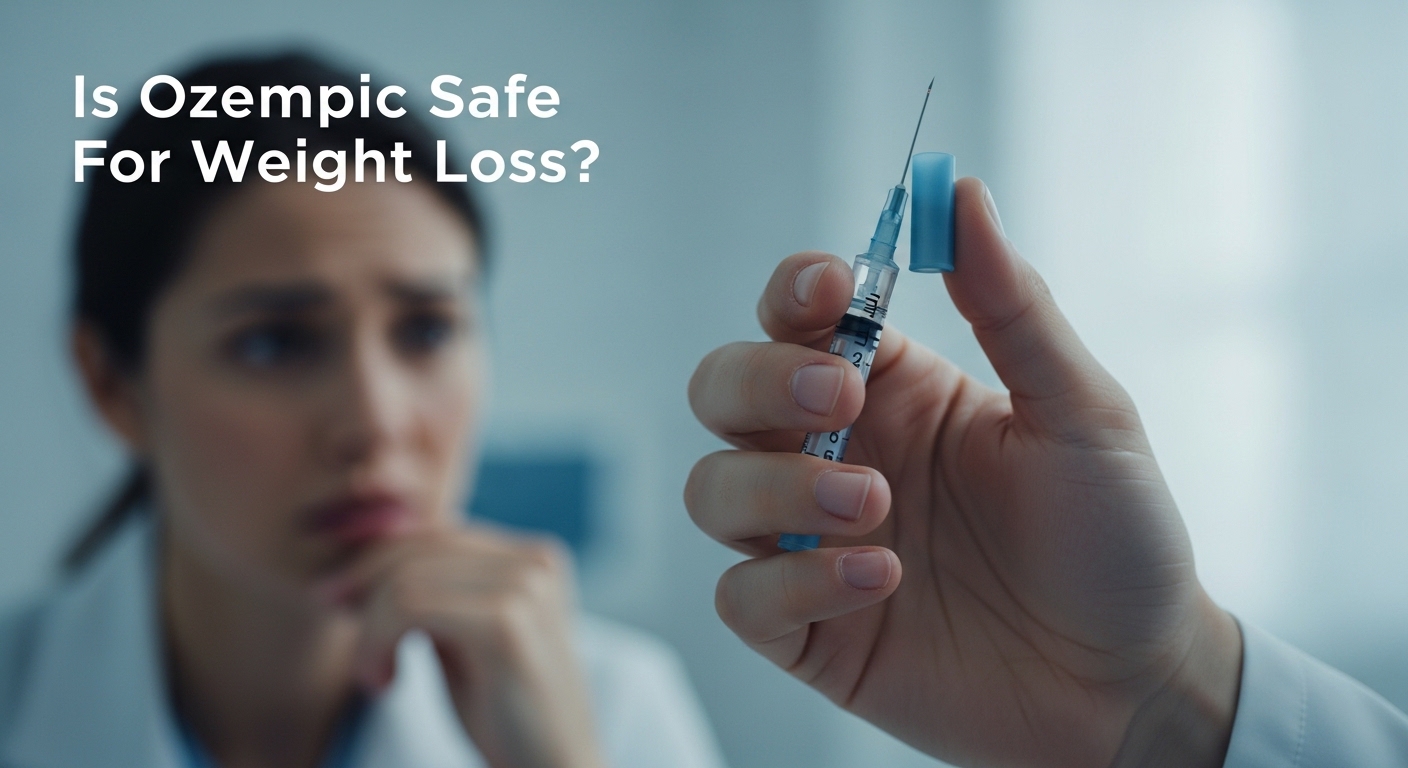
The medication is administered as a once-weekly subcutaneous injection using a pre-filled pen. Most people inject it in their abdomen, thigh, or upper arm.
Dosing typically starts low and gradually increases. The starting dose is usually 0.25 mg weekly for the first four weeks, then 0.5 mg. Based on response and tolerability, doctors may increase to 1 mg or the maximum 2 mg dose.
While Ozempic was developed and approved for type 2 diabetes management, its weight loss effects have made it extremely popular for off-label use.
FDA Approval Status: Is Ozempic FDA-Approved for Weight Loss?
No, Ozempic is not FDA-approved for weight loss. The FDA approved Ozempic in December 2017 specifically for improving blood sugar control in adults with type 2 diabetes.
When doctors prescribe Ozempic for weight loss in non-diabetic patients, this is considered “off-label” use. Off-label prescribing is legal and common in medicine, but it means the drug hasn’t undergone FDA review specifically for that purpose.
Here’s where it gets confusing: Novo Nordisk makes Wegovy, which contains the exact same active ingredient (semaglutide) and is FDA-approved for chronic weight management. The key difference is Wegovy comes in higher doses (up to 2.4 mg weekly versus Ozempic’s 2 mg maximum).
Why do doctors prescribe Ozempic instead of Wegovy for weight loss? Often it comes down to availability and insurance coverage. Wegovy has faced significant supply shortages since its launch, while Ozempic has been more accessible.
Common Side Effects of Ozempic
The most frequently reported side effects of Ozempic are gastrointestinal in nature. In clinical trials, these affected a significant portion of users.
Nausea is the most common side effect, affecting approximately 15-20% of people taking Ozempic. Many users describe it as similar to morning sickness or motion sickness.
Here’s what the clinical trial data shows for common side effects:
- Nausea: 15-20% of users, often decreases over time
- Diarrhea: 8-10% of users
- Vomiting: 5-9% of users
- Constipation: 3-5% of users
- Abdominal pain: 5-7% of users
- Headache: 6-8% of users
- Fatigue: 4-6% of users
- Dizziness: 2-4% of users
- Injection site reactions: 0.2% of users
The good news is that for most people, these side effects tend to be mild to moderate and often improve as your body adjusts to the medication over several weeks.
Pro Tip: Many doctors recommend starting at the lowest dose and increasing slowly to minimize GI side effects. Eating smaller meals, avoiding fatty foods, and staying hydrated may also help.
Worth noting: Some users report that side effects worsen with dose increases. If you’re experiencing persistent nausea or other symptoms, talk to your doctor about whether a slower dose escalation might help.
Serious Risks and Warnings
Beyond common side effects, Ozempic carries several serious risks that require careful consideration. The FDA requires certain warnings on Ozempic’s labeling, including a boxed warning (the most serious type).
FDA Black Box Warning – Thyroid C-Cell Tumors: In rodent studies, semaglutide caused thyroid C-cell tumors, including medullary thyroid carcinoma (MTC). It is unknown whether Ozempic causes thyroid C-cell tumors, including MTC, in humans. Ozempic is contraindicated in patients with a personal or family history of MTC or in patients with Multiple Endocrine Neoplasia syndrome type 2 (MEN 2).
Thyroid Cancer Risk
The thyroid tumor risk remains one of the most discussed safety concerns. While studies in rats and mice showed increased thyroid tumors at high doses, human studies have not definitively established this risk.
However, out of caution, the FDA recommends monitoring for thyroid tumors. If you experience a lump or swelling in your neck, hoarseness, difficulty swallowing, or shortness of breath, contact your doctor immediately.
Pancreatitis
Ozempic may increase the risk of acute pancreatitis, a potentially serious inflammation of the pancreas. Symptoms include severe abdominal pain that may radiate to the back, nausea, and vomiting.
According to clinical trial data, pancreatitis occurred in 0.2% of patients taking semaglutide. While this is a small percentage, the condition can be severe. Stop taking Ozempic and seek immediate medical attention if you experience persistent severe abdominal pain.
Gallbladder Problems
GLP-1 medications, including Ozempic, have been associated with gallbladder disease, including gallstones (cholelithiasis) and inflammation of the gallbladder (cholecystitis). Rapid weight loss itself is also a risk factor for gallstones.
Kidney Problems
Ozempic may cause or worsen kidney problems, including acute kidney injury. This risk may be higher if you experience severe GI side effects like vomiting and diarrhea, which can lead to dehydration.
Patients with existing kidney disease should be monitored more closely when taking Ozempic.
Diabetic Retinopathy Complications
In diabetic patients, rapid improvements in blood sugar control have been associated with worsening diabetic retinopathy. This is primarily a concern for diabetic users, but it underscores the importance of regular eye exams.
Eye Health Concerns: 2026 Research Findings
Recent 2026 research has raised new questions about GLP-1 medications and eye health. Studies have identified potential associations that warrant attention.
NAION (Non-Arteritic Anterior Ischemic Optic Neuropathy): A 2026 study published in JAMA Ophthalmology found a potential association between semaglutide use and an increased risk of NAION, a condition that causes sudden vision loss. The absolute risk remains very low, but researchers recommend further investigation.
Macular Degeneration: Some preliminary research has also examined potential links between GLP-1 medications and age-related macular degeneration. The data is still emerging, and studies suggest more research is needed to establish any definitive connection.
According to Novo Nordisk, the company is monitoring these reports but notes that a causal relationship has not been established. If you experience any vision changes while taking Ozempic, report them to your healthcare provider promptly.
Hypoglycemia
While Ozempic alone rarely causes low blood sugar in non-diabetics, the risk increases when combined with other diabetes medications like insulin or sulfonylureas.
Who Should NOT Take Ozempic?
Certain individuals should avoid Ozempic entirely due to contraindications or significantly elevated risks. This is not a complete list, so always discuss your full medical history with your doctor.
Do NOT take Ozempic if you have:
- Personal or family history of medullary thyroid carcinoma (MTC)
- Multiple Endocrine Neoplasia syndrome type 2 (MEN 2)
- Known hypersensitivity/allergy to semaglutide or any component
- History of severe pancreatitis
- Current pregnancy or planning to become pregnant
Pregnancy and Breastfeeding
Ozempic is not recommended during pregnancy. The FDA advises discontinuing Ozempic at least 2 months before a planned pregnancy due to the drug’s long half-life in the body.
It is unknown whether semaglutide passes into breast milk. Women should discuss the risks and benefits with their healthcare provider.
History of Eating Disorders
According to some experts, individuals with a history of eating disorders should approach GLP-1 medications with caution. The appetite-suppressing effects may potentially trigger or worsen disordered eating patterns in susceptible individuals.
Drug Interactions
Ozempic may interact with other medications, particularly:
- Insulin and sulfonylureas: Increased risk of hypoglycemia
- Oral medications: Delayed gastric emptying may affect absorption of other drugs
- Blood thinners: May require monitoring
Older Adults
While Ozempic can be used in older adults, those over 65 may be more susceptible to side effects, particularly GI symptoms and dehydration. Doctors may recommend more cautious dosing and closer monitoring.
Patients with Diabetic Retinopathy
Diabetic patients with existing retinopathy should be monitored closely, as rapid blood sugar improvements may temporarily worsen this condition.
Ozempic vs Wegovy: What’s the Difference?
Since both medications contain semaglutide, understanding their differences is important for making an informed decision.
| Feature | Ozempic | Wegovy |
|---|---|---|
| Active Ingredient | Semaglutide | Semaglutide |
| Manufacturer | Novo Nordisk | Novo Nordisk |
| FDA-Approved For | Type 2 diabetes | Chronic weight management |
| Maximum Dose | 2.0 mg weekly | 2.4 mg weekly |
| Administration | Weekly injection | Weekly injection |
| Typical Insurance Coverage | Often covered for diabetes | Limited coverage for weight loss |
| Availability | More available | Frequent shortages |
| Clinical Weight Loss Data | ~15% body weight (STEP trials) | ~15-17% body weight (STEP trials) |
The bottom line: If you’re specifically seeking weight loss treatment and don’t have diabetes, Wegovy is the FDA-approved option. However, supply issues and insurance coverage often lead doctors to prescribe Ozempic off-label.
From a safety standpoint, both medications carry similar risks since they contain the same active ingredient. The slightly higher dose in Wegovy may potentially cause more pronounced side effects in some individuals.
Long-Term Safety Considerations in 2026
One of the biggest questions surrounding Ozempic and other GLP-1 medications is long-term safety. What happens if you take it for years?
Duration of Use
Current evidence suggests Ozempic may need to be taken indefinitely to maintain weight loss benefits. The SELECT cardiovascular outcomes trial, which followed patients for over 4 years, provides some of the longest safety data available.
In this trial, semaglutide demonstrated cardiovascular benefits in patients with obesity and heart disease, with no new safety signals emerging over the extended period.
Weight Regain After Stopping
Studies suggest that most people regain weight after discontinuing GLP-1 medications. One study found that participants regained approximately two-thirds of their lost weight within one year of stopping semaglutide.
This raises important considerations about the commitment to long-term or potentially lifelong use.
Muscle Loss Concerns
Rapid weight loss from any method can result in muscle loss alongside fat loss. Some research suggests that 20-40% of weight lost on GLP-1 medications may be lean mass rather than fat.
Experts recommend combining Ozempic with adequate protein intake (approximately 1-1.2 grams per kilogram of body weight daily) and resistance training to preserve muscle mass.
“Ozempic Face”
Some users report significant facial volume loss, colloquially called “Ozempic face.” This is not a medical side effect but rather a cosmetic result of rapid weight loss, which reduces facial fat and can make some people appear older or gaunt.
2026 Research Updates
Research on GLP-1 medications continues to evolve. In December 2025, the World Health Organization (WHO) updated its guidelines, reinforcing that these medications should be used alongside lifestyle modifications and under medical supervision.
Ongoing studies are examining potential benefits beyond weight loss, including protective effects against liver disease, kidney disease progression, and certain neurodegenerative conditions. However, these potential benefits require more research before any conclusions can be drawn.
Frequently Asked Questions
Is Ozempic safe for non-diabetics?
Ozempic may be safe for some non-diabetics when prescribed by a doctor, but it is not FDA-approved for this use. Non-diabetics seeking weight loss should ideally use Wegovy, which is the FDA-approved semaglutide formulation for chronic weight management. Always consult your healthcare provider to determine if it’s appropriate for your situation.
What is the biggest side effect of Ozempic?
Nausea is the most commonly reported side effect of Ozempic, affecting approximately 15-20% of users. It is typically most pronounced when starting the medication or increasing doses and often improves over time as your body adjusts. Eating smaller meals and avoiding fatty foods may help reduce nausea.
How long can you safely take Ozempic?
Based on current research, including 4-year follow-up data from cardiovascular trials, Ozempic appears safe for long-term use under medical supervision. However, since it may need to be taken indefinitely to maintain weight loss, you should discuss the long-term plan with your doctor and undergo regular monitoring.
What happens when you stop taking Ozempic?
Studies suggest that most people regain weight after stopping Ozempic. Research shows participants typically regain about two-thirds of lost weight within one year of discontinuation. Your appetite and eating patterns generally return to baseline once the medication leaves your system.
Is Ozempic safe for older adults over 65?
Ozempic can be used by adults over 65, but older individuals may be more susceptible to side effects, particularly dehydration from GI symptoms. Doctors typically recommend more cautious dosing, slower dose escalation, and closer monitoring in this age group.
Can Ozempic cause thyroid cancer?
Ozempic carries a black box warning about thyroid C-cell tumors based on rodent studies. While a direct causal link in humans has not been established, the medication is contraindicated in people with personal or family history of medullary thyroid carcinoma (MTC) or Multiple Endocrine Neoplasia syndrome type 2 (MEN 2). Report any neck lumps, hoarseness, or difficulty swallowing to your doctor immediately.
Final Verdict: Is Ozempic Safe for Weight Loss?
Ozempic can be safe for weight loss when prescribed and monitored by a healthcare provider for appropriate candidates. However, it is not FDA-approved for weight loss, and Wegovy (the same drug at a higher dose) is the proper choice for chronic weight management.
The key takeaways from our research:
- Ozempic is FDA-approved for type 2 diabetes, not weight loss
- Common side effects (nausea, GI issues) affect many users but often improve over time
- Serious risks include thyroid tumor warnings, pancreatitis, and gallbladder issues
- Certain people should never take Ozempic (family history of MTC, pregnancy, etc.)
- Long-term use appears safe based on 4+ years of data, but may be required to maintain results
- Weight regain is common after stopping the medication
If you’re considering Ozempic for weight loss, have an honest conversation with your doctor about your medical history, goals, and whether this medication is truly appropriate for you. Do not purchase from unverified online sources or without a legitimate prescription.
This article is for informational purposes only and does not constitute medical advice. Always consult a licensed healthcare provider before starting, stopping, or changing any medication. The safety information presented reflects data available as of 2026 and may be updated as new research emerges.
Disclaimer: betterresultsbook.com contains information about products that are intended for laboratory and research use only, unless otherwise explicitly stated. This information, including any referenced scientific or clinical research, is made available for educational purposes only. Likewise, any published information relative to the dosing and administration of reference materials is made available strictly for reference and shall not be construed to encourage the self-administration or any human use of said reference materials. betterresultsbook.com makes every effort to ensure that any information it shares complies with national and international standards for clinical trial information and is committed to the timely disclosure of the design and results of all interventional clinical studies for innovative treatments publicly available or that may be made available. However, research is not considered conclusive. betterresultsbook.com makes no claims that any products referenced can cure, treat or prevent any conditions, including any conditions referenced on its website or in print materials.