Losing Weight After 40: 10+ Tips That Actually Work
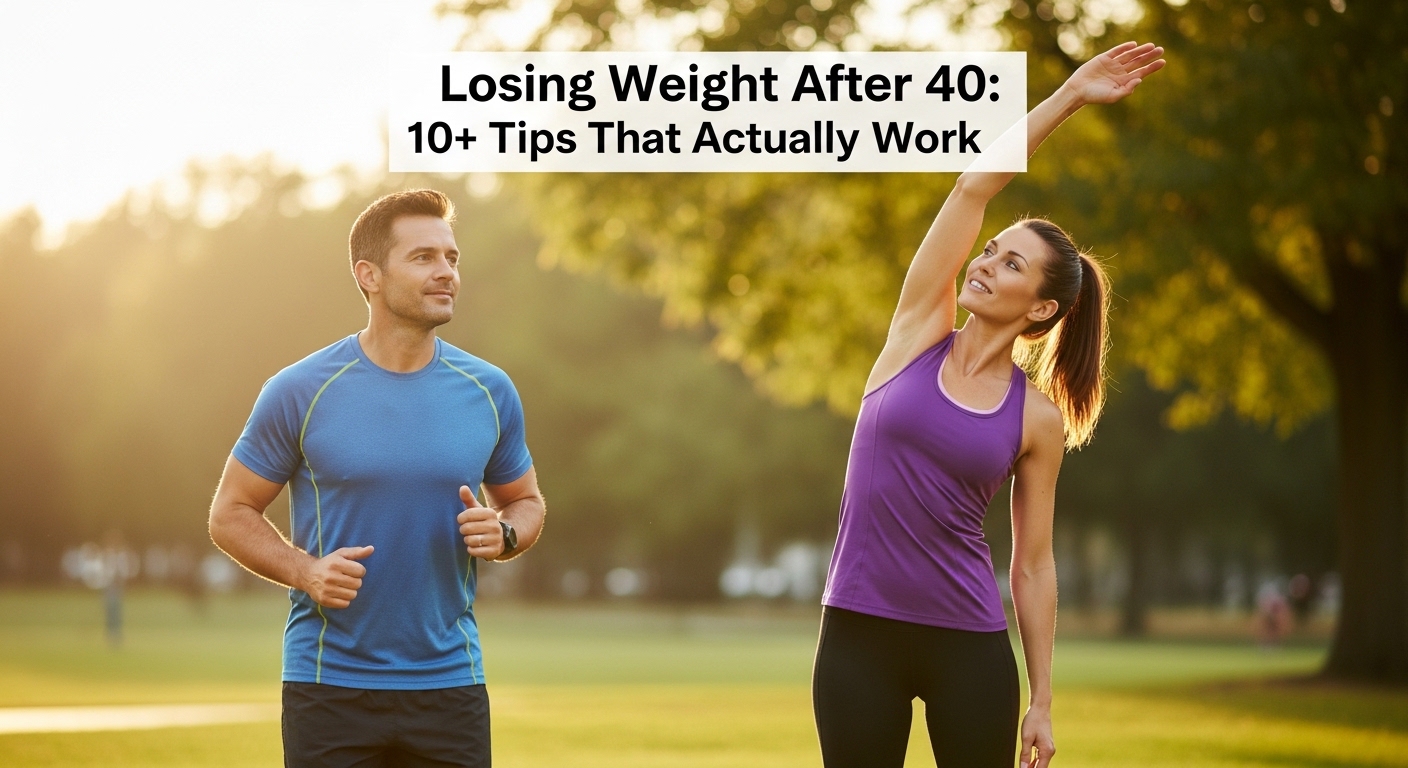
If you’ve noticed that the weight loss methods that worked in your 20s and 30s no longer produce results, you’re not alone. Losing weight after 40 is more challenging due to metabolic changes, muscle loss, and hormonal shifts, but it’s absolutely achievable with the right approach.
I spent months researching what actually works for people over 40, analyzing forum discussions, scientific studies, and expert recommendations. What I found was clear: success comes from adapting your strategy to your changing body.
The good news? Many people in their 40s, 50s, and beyond have transformed their bodies by focusing on a few key principles. This guide covers 12 science-backed strategies that address the unique challenges of midlife weight loss.
Why Losing Weight After 40 Is Harder?
Your body genuinely changes after 40, and understanding why helps you develop the right strategy.
Metabolic slowdown: Your basal metabolic rate naturally decreases with age. Research suggests metabolism may decline by approximately 1-2% per decade after age 20, meaning you burn fewer calories at rest than you did in your younger years.
Muscle mass loss (sarcopenia): Adults can lose 3-8% of muscle mass per decade after age 30, and this rate accelerates after 60. Since muscle burns more calories than fat even at rest, less muscle means a slower metabolism.
Hormonal changes: For women, perimenopause and menopause bring declining estrogen levels, which can lead to increased fat storage, particularly around the midsection. For men, testosterone levels begin declining around 1% per year after age 30, affecting muscle maintenance and fat distribution.
Lifestyle factors: By 40, many people have demanding careers, family responsibilities, and higher stress levels. Elevated cortisol from chronic stress promotes fat storage, especially belly fat.
These changes don’t mean weight loss is impossible. They mean your approach needs to evolve.
12 Science-Backed Ways to Lose Weight After 40
Based on research and real experiences from people who’ve successfully lost weight after 40, here are the strategies that work:
- Build muscle with strength training to boost metabolism and counteract sarcopenia
- Increase protein intake to 20-30 grams per meal for muscle maintenance and satiety
- Prioritize quality sleep (7-9 hours) to regulate hunger hormones
- Manage stress to reduce cortisol and prevent belly fat accumulation
- Focus on whole foods and reduce processed food intake
- Stay hydrated with water throughout the day
- Combine strength training with cardio for optimal results
- Reduce alcohol consumption which adds empty calories and disrupts sleep
- Practice mindful eating to recognize hunger and fullness cues
- Track your food intake to understand your actual calorie consumption
- Start slow and build gradually to create sustainable habits
- Consult your doctor to rule out thyroid or hormonal issues
Let’s explore the most important strategies in detail.
Build Muscle with Strength Training
Strength training may be the single most important strategy for weight loss after 40. Building muscle directly addresses age-related metabolic decline by increasing your resting metabolic rate.
In online forums, the most common success story involves people who started lifting weights. As one Reddit user in the r/AskWomenOver40 community shared, building muscle through consistent strength training helped balance age-related weight gain more effectively than cardio alone.
How to Get Started?
If you’re new to strength training, start with bodyweight exercises or light weights. Focus on compound movements that work multiple muscle groups:
- Squats: Work your legs, glutes, and core
- Deadlifts: Target your posterior chain and back
- Rows: Strengthen your back and biceps
- Push-ups or chest press: Build chest, shoulders, and triceps
- Planks: Strengthen your core
Recommended frequency: Aim for 2-4 strength training sessions per week, allowing at least one rest day between sessions targeting the same muscle groups. Even two sessions weekly can produce significant results.
If you’ve never lifted weights, consider working with a personal trainer for a few sessions to learn proper form and prevent injury.
Increase Your Protein Intake
Protein becomes increasingly important after 40 for two reasons: it helps preserve and build muscle mass, and it keeps you feeling full longer than carbohydrates or fats.
How Much Protein Do You Need?
Research suggests that adults over 40 may benefit from higher protein intake than younger adults. A practical target is 20-30 grams of protein per meal, which translates to roughly 0.7-1 gram of protein per pound of body weight daily.
This is higher than the standard recommendation but may help counteract age-related muscle loss.
Quality Protein Sources
- Lean meats: Chicken breast (31g per 4oz), turkey, lean beef
- Fish: Salmon (25g per 4oz), tuna, cod
- Eggs: 6g per egg, easy to add to any meal
- Greek yogurt: 15-20g per cup
- Legumes: Lentils, chickpeas, black beans
- Plant-based options: Tofu, tempeh, edamame
Distributing protein throughout the day appears to be more effective for muscle maintenance than consuming most of your protein at one meal.
Prioritize Sleep and Manage Stress
Sleep and stress management are often overlooked in weight loss plans, but they’re crucial after 40.
The Sleep-Weight Connection
Poor sleep disrupts the hormones that control hunger. When you’re sleep-deprived, levels of ghrelin (the hunger hormone) increase while leptin (the satiety hormone) decreases. This combination makes you hungrier and less satisfied by food.
Studies suggest that people who sleep fewer than 7 hours per night may have a harder time losing weight. Aim for 7-9 hours of quality sleep each night.
Tips for Better Sleep
- Maintain a consistent sleep schedule, even on weekends
- Create a cool, dark sleeping environment
- Limit screen time for 1-2 hours before bed
- Avoid caffeine after early afternoon
- Limit alcohol, which disrupts sleep quality
Managing Stress and Cortisol
Chronic stress elevates cortisol levels, which promotes fat storage, particularly around your midsection. High cortisol also increases cravings for high-calorie comfort foods.
Effective stress management strategies include:
- Regular exercise: Physical activity naturally reduces cortisol
- Meditation or deep breathing: Even 10 minutes daily can help
- Time in nature: Walking outdoors reduces stress hormones
- Social connection: Strong relationships buffer against stress
- Setting boundaries: Learn to say no to unnecessary obligations
Nutrition Strategies That Actually Work
Rather than following restrictive fad diets, focus on sustainable eating patterns that you can maintain long-term.
Focus on Whole Foods
Prioritize foods that are minimally processed and nutrient-dense:
- Vegetables: Aim for 5+ servings daily, especially leafy greens
- Fruits: 2-3 servings daily, focus on berries and lower-sugar options
- Whole grains: Brown rice, quinoa, oats, whole wheat
- Healthy fats: Avocado, olive oil, nuts, fatty fish
- Lean proteins: As discussed above
Reduce Processed Foods
Processed and ultra-processed foods are often high in added sugars, refined carbohydrates, and unhealthy fats. They’re also engineered to be highly palatable, making it easy to overeat.
Common culprits to limit:
- Sugary beverages including sodas and sweetened coffees
- Packaged snacks like chips, cookies, and crackers
- Fast food and takeout meals
- Refined grains like white bread and pasta
- Added sugars in sauces, dressings, and condiments
Stay Hydrated
Drinking adequate water supports metabolism and can help control appetite. Sometimes thirst is mistaken for hunger. Aim for 8+ glasses of water daily, more if you’re exercising.
Moderate Alcohol Intake
Alcohol adds empty calories and can disrupt sleep quality and hormonal balance. If you drink, consider limiting to occasional consumption and choosing lower-calorie options.
The Best Exercise Approach After 40
The most effective exercise program after 40 combines strength training with cardiovascular activity.
The Ideal Balance
Based on research and forum discussions, here’s a balanced approach:
- Strength training: 2-4 sessions per week (as discussed above)
- Cardio: 2-3 sessions per week of moderate intensity
- Daily movement: Walk 7,000-10,000 steps daily
Why HIIT Can Help
High-Intensity Interval Training (HIIT) alternates between intense bursts of activity and recovery periods. Research suggests HIIT may be particularly effective for fat loss and improving insulin sensitivity.
A simple HIIT session might include 30 seconds of high-intensity exercise (like sprinting or burpees) followed by 90 seconds of rest, repeated 8-10 times.
However, HIIT is demanding on the body. Limit it to 1-2 sessions per week, especially when starting out, to allow adequate recovery.
Don’t Underestimate Walking
Walking is a low-impact activity that can be done daily without requiring recovery time. Regular walking helps with weight management, reduces stress, and improves cardiovascular health.
Many successful weight loss stories include walking as a foundational habit.
Weight Loss Tips for Men Over 40
While much weight loss content focuses on women, men over 40 face their own unique challenges.
Understanding Testosterone Decline
Testosterone levels typically begin declining around 1% per year after age 30. Lower testosterone can lead to:
- Decreased muscle mass and strength
- Increased body fat, especially around the midsection
- Reduced energy and motivation
- Lower bone density
Strategies for Men
Prioritize compound lifts: Exercises like squats, deadlifts, bench press, and rows may help naturally support testosterone levels while building muscle.
Get adequate sleep: Testosterone production occurs primarily during sleep. Poor sleep can significantly impact hormone levels.
Manage belly fat: Excess abdominal fat can convert testosterone to estrogen, creating a cycle that’s difficult to break. Focus on reducing visceral fat through diet and exercise.
Consider your alcohol intake: Heavy alcohol consumption can lower testosterone and contribute to weight gain.
If you’re experiencing significant symptoms of low testosterone, consult your doctor about testing and potential treatment options.
When to Talk to Your Doctor?
If you’ve been consistently following diet and exercise recommendations but still struggling to lose weight, underlying medical issues may be contributing.
Conditions to Consider
Thyroid disorders: Hypothyroidism (underactive thyroid) can cause weight gain, fatigue, and difficulty losing weight. A simple blood test can check your thyroid function.
Insulin resistance: This condition, where cells don’t respond well to insulin, can make weight loss more difficult and is a precursor to type 2 diabetes.
Hormonal imbalances: For women, perimenopause and menopause can significantly impact weight. For men, low testosterone may be a factor.
Medical Weight Loss Options
In some cases, your doctor may recommend medical interventions to support weight loss. These might include prescription medications, including newer GLP-1 receptor agonists that have shown significant effectiveness for weight management.
These options are typically considered when lifestyle changes alone aren’t producing results, and when excess weight poses health risks.
Important: Any medical weight loss treatment should be discussed with and supervised by a healthcare provider who can evaluate your individual situation and health history.
Frequently Asked Questions
Is it really harder to lose weight after 40?
Yes, weight loss after 40 is more challenging due to several factors: metabolism naturally slows with age, muscle mass decreases (sarcopenia), and hormonal changes occur. Women experience declining estrogen during perimenopause and menopause, while men see gradual testosterone decline. However, these changes don’t make weight loss impossible. Adapting your strategy to focus on strength training, adequate protein, quality sleep, and stress management can help you achieve results.
How can I jumpstart weight loss after 40?
To jumpstart weight loss after 40, focus on these key strategies: Start strength training 2-3 times per week to build metabolism-boosting muscle. Increase your protein intake to 20-30 grams per meal. Prioritize 7-9 hours of quality sleep nightly. Reduce processed foods and sugary beverages. Add daily walking (aim for 7,000+ steps). These foundational habits address the specific challenges of midlife weight loss.
How can I improve my metabolism after 40?
The most effective way to improve metabolism after 40 is building muscle through strength training. Muscle tissue burns more calories at rest than fat tissue, so increasing muscle mass directly boosts your metabolic rate. Additionally, eating adequate protein, getting quality sleep, staying hydrated, and managing stress all support healthy metabolism. Avoid extreme calorie restriction, which can actually slow metabolism further.
What is the best exercise for losing weight after 40?
The best exercise approach after 40 combines strength training with cardiovascular activity. Strength training (2-4 times weekly) builds muscle and boosts metabolism, while cardio improves heart health and burns calories. Research suggests this combination is more effective than either alone. Don’t overlook daily walking, which provides consistent calorie burn without requiring recovery time. Start gradually and increase intensity over time.
Can you still build muscle after 40?
Absolutely. While building muscle may take slightly longer than in your 20s, people over 40 can still make significant muscle gains with consistent strength training. The key is progressive overload (gradually increasing weight or resistance), adequate protein intake (20-30g per meal), and proper recovery including quality sleep. Many people have achieved their best physiques in their 40s and beyond by following these principles.
The Bottom Line
Losing weight after 40 requires adapting your approach to address the real changes happening in your body. The strategies that worked in your 20s may not be as effective now, but that doesn’t mean success is out of reach.
Focus on these key principles:
- Build and maintain muscle through strength training
- Eat adequate protein at every meal
- Prioritize sleep and manage stress
- Choose whole foods over processed options
- Combine different types of exercise
- Be patient and consistent
Weight loss after 40 may happen more slowly than it did when you were younger. But the habits you build now will serve your health for decades to come.
If you’ve been struggling despite consistent effort, don’t hesitate to talk to your doctor. Underlying conditions like thyroid issues or hormonal imbalances may be playing a role, and medical support is available.
Disclaimer: This content is for informational purposes only and does not constitute medical advice. Always consult a healthcare provider before starting any new diet or exercise program, especially if you have existing health conditions or are taking medications.
Disclaimer: betterresultsbook.com contains information about products that are intended for laboratory and research use only, unless otherwise explicitly stated. This information, including any referenced scientific or clinical research, is made available for educational purposes only. Likewise, any published information relative to the dosing and administration of reference materials is made available strictly for reference and shall not be construed to encourage the self-administration or any human use of said reference materials. betterresultsbook.com makes every effort to ensure that any information it shares complies with national and international standards for clinical trial information and is committed to the timely disclosure of the design and results of all interventional clinical studies for innovative treatments publicly available or that may be made available. However, research is not considered conclusive. betterresultsbook.com makes no claims that any products referenced can cure, treat or prevent any conditions, including any conditions referenced on its website or in print materials.