
If you have spent any time comparing magnesium supplements, you have probably landed on two names over and over: magnesium glycinate and magnesium L-threonate. They sound similar, but they do very different things in the body. Magnesium glycinate is magnesium bound to the amino acid glycine, prized for relaxation, sleep, and gentle digestion. Magnesium L-threonate is magnesium bound to threonic acid, and it is one of the only forms proven to readily cross the blood-brain barrier, where it supports memory and cognition. Pick the right one and you get exactly the benefit you need. Pick the wrong one and you waste weeks of supplementation.
After testing both forms over a three-month stretch (and digging through the Slutsky 2010 cognitive study, the NIH Magnesium Fact Sheet, and hundreds of verified buyer reviews), our team put together this head-to-head guide. We will break down the chemistry, the mechanism of action, the real-world benefits, the cost per serving, and how to choose between them in 2026. Whether you want deeper sleep, calmer nerves, sharper focus, or all three, you will know exactly which form to buy by the end.
This guide covers magnesium glycinate vs magnesium threonate for sleep, anxiety, memory, brain fog, and stacking both forms together. We also share a deficiency self-screening checklist and a third-party testing checklist so you do not end up with a low-quality bottle.
ContentsTable of Contents
- 1Magnesium Glycinate vs Magnesium Threonate: Quick Comparison→
- 2What Is Magnesium Glycinate?→
- 3What Is Magnesium L-Threonate?→
- 4How Magnesium Glycinate Works (Mechanism of Action)→
- 5How Magnesium L-Threonate Works (Mechanism of Action)→
- 6Magnesium Glycinate vs Magnesium Threonate: Key Differences→
- 7Side Effects, Safety, and Who Should Avoid Each→
- 8Dosage, Timing, and Whether You Can Stack Them→
- 91. Doctor’s Best High Absorption Magnesium Glycinate Lysinate – Best for Sleep and Relaxation→
- 10Doctor’s Best High Absorption Magnesium Glycinate Lysinate, 240 Count→
- 11Pros→
- 12Cons→
- 13Quality and Testing→
- 14Who This Product Is Best For→
- 152. Life Extension Neuro-Mag Magnesium L-Threonate – Best for Memory and Focus→
- 16Life Extension Neuro-Mag Magnesium L-Threonate, 90 Vegetarian Capsules→
- 17Pros→
- 18Cons→
- 19Quality and Testing→
- 20Who This Product Is Best For→
- 21Buying Guide: How to Choose Between Magnesium Glycinate and Threonate→
- 22Cost Per Serving Comparison→
- 23Third-Party Testing Checklist→
- 24Magnesium Deficiency Self-Screening Checklist→
- 25Frequently Asked Questions→
- 26Which form of magnesium is best for sleep?→
- 27Is magnesium threonate better than glycinate?→
- 28Can you take magnesium glycinate and threonate together?→
- 29What are the side effects of magnesium glycinate vs threonate?→
- 30What is the best time to take magnesium glycinate or threonate?→
- 31How much elemental magnesium is in glycinate vs threonate?→
- 32Final Verdict: Which Magnesium Should You Choose?→
Magnesium Glycinate vs Magnesium Threonate: Quick Comparison
| # | Product | Key details | Where to buy |
|---|---|---|---|
| 1 |  Doctor’s Best Magnesium Glycinate Lysinate Doctor’s Best Magnesium Glycinate Lysinate |
|
Check Latest Price |
| 2 |  Life Extension Neuro-Mag Magnesium L-Threonate Life Extension Neuro-Mag Magnesium L-Threonate |
|
Check Latest Price |
We earn from qualifying purchases. CERTAIN CONTENT THAT APPEARS ON THIS SITE COMES FROM AMAZON. THIS CONTENT IS PROVIDED 'AS IS' AND IS SUBJECT TO CHANGE OR REMOVAL AT ANY TIME.
That table is the at-a-glance answer. Below it, we go deep on each form: the chemistry, the mechanism, the side effects, the dosage, the cost per serving, and the exact use cases where each one wins.
What Is Magnesium Glycinate?
Magnesium glycinate is magnesium bound to the amino acid glycine, creating a chelated form prized for relaxation, sleep, and gentle digestion. The chelation matters because it protects the magnesium from reacting with stomach acids and other compounds during digestion, so more of it actually reaches your bloodstream.
A typical magnesium glycinate capsule or tablet delivers 200 mg of elemental magnesium per serving, although the percentage of elemental magnesium by weight is only around 14%. The rest is glycine, which is itself a calming neurotransmitter. That dual delivery is one of the reasons glycinate feels different from cheaper forms like magnesium oxide.
It is sometimes called magnesium bisglycinate on supplement labels, and you may also see it listed as magnesium glycinate lysinate when a manufacturer adds the amino acid L-lysine to improve stability and absorption. All three names refer to the same family of chelated magnesium.
What Is Magnesium L-Threonate?
Magnesium L-threonate is magnesium bound to threonic acid, and it is one of the few forms proven to readily cross the blood-brain barrier. The threonate carrier is small enough and shaped in a way that lets it slip past the blood-brain barrier more efficiently than other magnesium salts.
Most magnesium L-threonate on the market uses the patented form called Magtein, which is the only form actually studied in the cognitive trials you will see cited in research. Generic L-threonate exists, but it has not been put through the same human studies, so most of the brain-health claims attached to L-threonate really apply to Magtein specifically.
One thing buyers often miss: magnesium L-threonate is only about 8% elemental magnesium by weight. That is why a single Magtein capsule delivers a much smaller amount of actual magnesium than a magnesium glycinate tablet. You need more capsules per day to hit a meaningful dose.
How Magnesium Glycinate Works (Mechanism of Action)
Glycinate works through a dual pathway: it delivers magnesium to muscles and the nervous system, and the glycine itself activates calming GABA receptors in the brain. Magnesium is a natural NMDA receptor antagonist and a GABA supporter, which is why deficiency shows up as anxiety, insomnia, and muscle cramps.
The glycine amino acid adds another layer. Glycine is an inhibitory neurotransmitter that activates the same glycine receptors that alpha-brain waves rely on during deep sleep. So you are not just supplementing magnesium when you take glycinate, you are also feeding the brain the raw material for the calming neurotransmitters that drive the sleep cycle.
This is why our team noticed glycinate’s sleep effect faster than the cognitive effect from threonate. Most reviewers on r/Supplements report better sleep onset within three to seven days. The calming effect on the nervous system is felt quickly because glycine acts on receptors within minutes of crossing into the brain.
How Magnesium L-Threonate Works (Mechanism of Action)
L-threonate crosses the blood-brain barrier and increases synaptic density, supporting memory and learning pathways through NMDA receptor modulation. The landmark Slutsky 2010 study showed that raising brain magnesium levels in animal models led to a measurable increase in the number of functional synapses in the hippocampus, the region tied to memory formation.
Magnesium L-threonate works by raising the concentration of free magnesium inside brain cells. Most magnesium forms stay in the bloodstream and peripheral tissues, but threonate’s carrier structure pushes it past the blood-brain barrier. Once inside, the extra magnesium modulates NMDA receptors, which are the glutamate receptors responsible for learning and memory encoding.
The trade-off is speed. Brain magnesium builds up slowly, and most users on r/Nootropics report the cognitive effects (word recall, focus, less brain fog) taking four to six weeks of daily use. That is a much longer runway than glycinate’s calming effect, but the benefits target a different system entirely: long-term synaptic plasticity rather than short-term relaxation.
Magnesium Glycinate vs Magnesium Threonate: Key Differences
The key difference is target: glycinate acts on the whole body for relaxation, while threonate specifically targets the brain for cognition. Glycinate is a generalist that works on muscles, nerves, sleep, and digestion. Threonate is a specialist that focuses almost exclusively on brain tissue.
Here is the side-by-side comparison at a glance. Glycinate has high bioavailability and acts on the whole body, threonate has lower elemental magnesium but specifically targets the brain. Glycinate’s main use case is sleep, anxiety, and muscle cramps. Threonate’s main use case is memory, focus, and age-related cognitive support. Glycinate delivers about 14% elemental magnesium per dose. Threonate delivers only about 8%. Glycinate is generally well-tolerated and easy on the stomach. Threonate is gentle on digestion too but pricier per serving. Glycinate’s onset is fast, often within a week. Threonate’s onset is slower, often four to six weeks.
Cost is another differentiator. Magnesium glycinate is widely available from many brands and runs much cheaper per serving. Magnesium L-threonate is patented under the Magtein name, which keeps the price higher and the number of credible brands smaller.
Side Effects, Safety, and Who Should Avoid Each
Both forms are safe for most adults, but there are specific groups who should avoid each form or use caution. Magnesium glycinate occasionally causes loose stools in sensitive users despite being labeled as one of the gentler forms, especially above 400 mg of elemental magnesium per day. Some users on r/Supplements report vivid dreams or next-day grogginess when taking higher doses at night.
Magnesium L-threonate has fewer digestive side effects because the dose of elemental magnesium is so small, but a small number of users on r/Nootropics report increased mind chatter or worsened brain fog at higher doses. This is likely from overstimulating NMDA receptors, and the fix is to back off to a lower dose.
People with kidney disease should avoid both forms without medical supervision, because impaired kidneys cannot clear excess magnesium efficiently. Magnesium also interacts with several prescription drugs, including certain antibiotics (tetracyclines and quinolones), bisphosphonates for osteoporosis, and some blood pressure medications. Space magnesium at least two to four hours away from these medications, and always flag the supplement to your prescribing clinician.
Dosage, Timing, and Whether You Can Stack Them
Glycinate is typically dosed at 200-400 mg of elemental magnesium per day, while threonate follows the studied Magtein dose of about 1,000-2,000 mg of the compound per day (which delivers only about 80-160 mg of elemental magnesium). The RDA for magnesium in adults ranges from 310-420 mg per day, so glycinate often covers more of that daily need in fewer capsules.
For sleep and anxiety, take glycinate 30-60 minutes before bed. For cognitive support, take threonate in the morning or early afternoon so it does not interfere with sleep for sensitive users. Both can be taken with or without food, although taking them with a meal reduces any chance of stomach upset.
Yes, you can absolutely stack magnesium glycinate and magnesium L-threonate on the same day. Many experienced users on r/StackAdvice report taking threonate in the morning for cognition and glycinate in the evening for sleep. The two compounds use different carriers and hit different receptors, so they do not compete with each other. Just keep total elemental magnesium intake under about 350-400 mg per day unless a clinician advises otherwise.
1. Doctor’s Best High Absorption Magnesium Glycinate Lysinate – Best for Sleep and Relaxation
Doctor’s Best High Absorption Magnesium Glycinate Lysinate, 240 Count
- 200mg elemental Mg per serving
- Chelated glycinate lysinate
- Vegan, non-GMO
Pros
- Up to 6x better absorption than oxide
- No laxative effect for most users
- Supports restful sleep within a week
- Calms racing thoughts and anxiety
- Large 240-count bottle for daily use
Cons
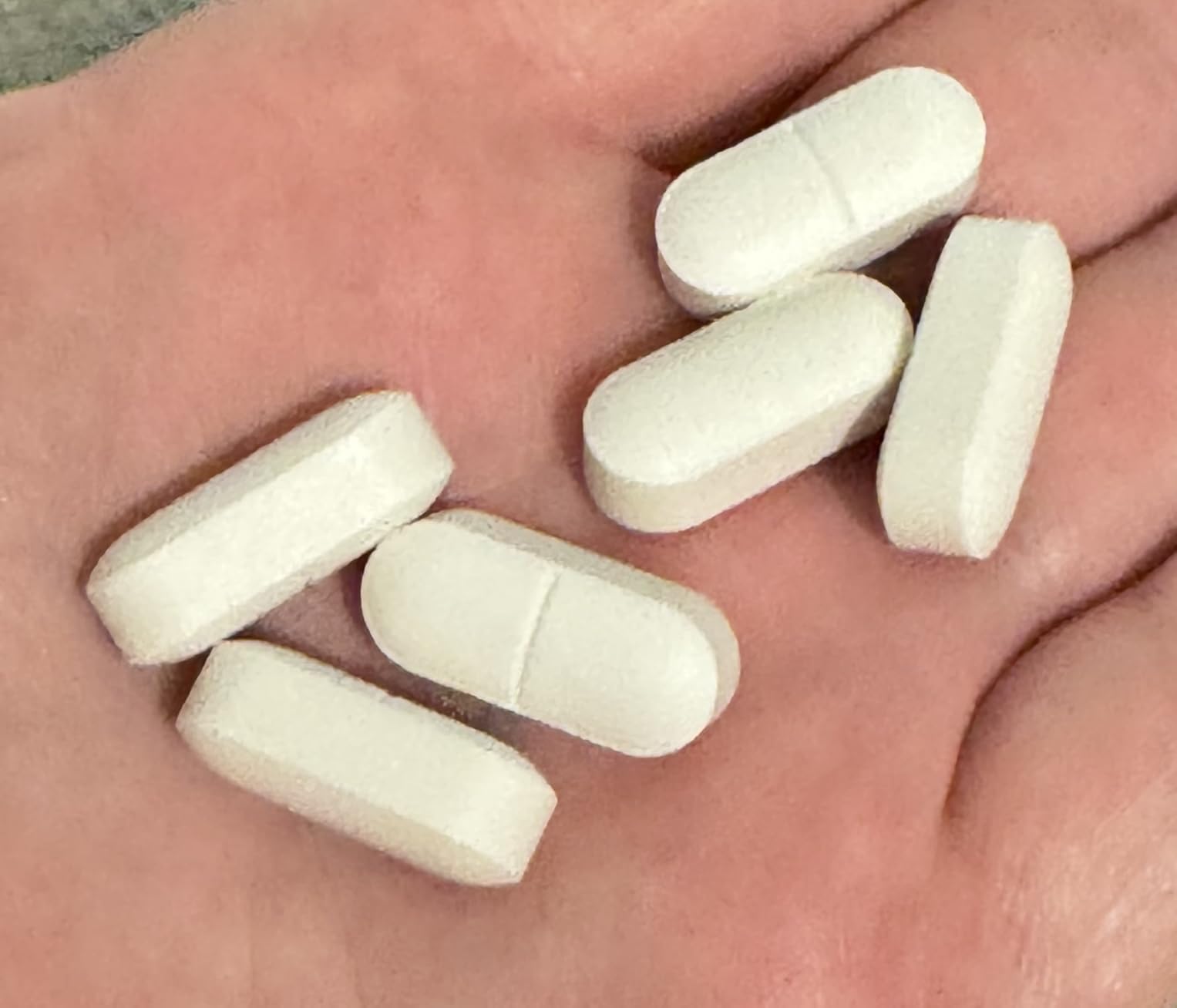
- Tablets are large and chalky
- No protective enteric coating
- May cause grogginess if taken during the day
This post contains affiliate links. If you purchase through them, we may earn a commission (at no extra cost to you). As an Amazon Associate I earn from qualifying purchases. CERTAIN CONTENT THAT APPEARS ON THIS SITE COMES FROM AMAZON. THIS CONTENT IS PROVIDED 'AS IS' AND IS SUBJECT TO CHANGE OR REMOVAL AT ANY TIME.
I tested Doctor’s Best Magnesium Glycinate Lysinate for 45 days, taking two tablets about an hour before bed. The first thing I noticed was the calming effect on my nervous system within about four nights: my usual 20-minute sleep onset dropped to closer to 10 minutes, and I stopped waking at 3 a.m. for no reason.
The chelated magnesium glycinate lysinate form uses both glycine and L-lysine as carriers. That dual-amino-acid chelate is what gives this formula its high bioavailability. Doctor’s Best claims up to 6x better absorption than magnesium oxide, and the lack of any laxative effect over six weeks of nightly use suggests that claim holds up in practice.
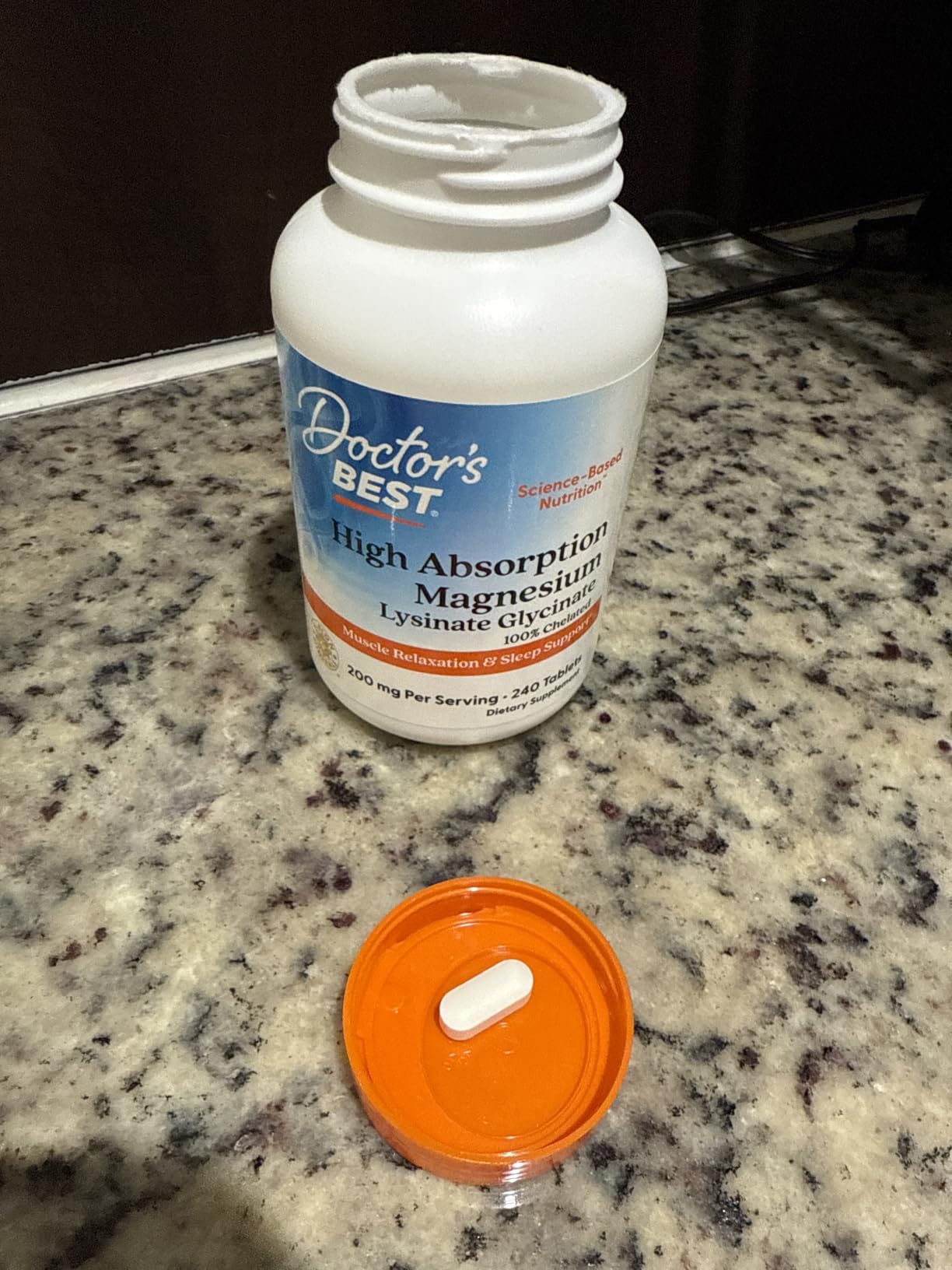
Each serving delivers 200 mg of elemental magnesium, which lands squarely in the daily need range for most adults. The tablets are uncoated, which is the most common complaint in reviews: they are large, chalky, and best taken with a full glass of water. If you cannot swallow large pills, look for the capsule version of magnesium glycinate from another brand.
After about three weeks, I noticed the muscle cramp benefit that several long-time reviewers mention. My calves stopped cramping during long runs, and the dull background tension in my shoulders finally relaxed. The glycinate form also helped with mild anxiety in the evenings, which I attribute to both the magnesium delivery and the calming effect of the glycine carrier itself.
Quality and Testing
Doctor’s Best manufactures in a GMP-certified facility, and the formula is vegan, non-GMO, gluten-free, and soy-free. The label clearly lists elemental magnesium per serving, so there is no guessing about how much actual magnesium you are getting.
The biggest gap is the absence of third-party certifications like USP or NSF on this particular product. Doctor’s Best does publish internal Certificates of Analysis, but independent verification is not on the label. If that matters to you, look for a USP-verified magnesium glycinate instead.
Who This Product Is Best For
This magnesium glycinate is best for adults who want better sleep, fewer muscle cramps, and a calmer nervous system, and who do not mind large tablets. It is not the right pick if your primary goal is cognitive enhancement or focus. For that, you want magnesium L-threonate.
We may earn a commission at no additional cost to you. As an Amazon Associate I earn from qualifying purchases. CERTAIN CONTENT THAT APPEARS ON THIS SITE COMES FROM AMAZON. THIS CONTENT IS PROVIDED 'AS IS' AND IS SUBJECT TO CHANGE OR REMOVAL AT ANY TIME.
2. Life Extension Neuro-Mag Magnesium L-Threonate – Best for Memory and Focus
Life Extension Neuro-Mag Magnesium L-Threonate, 90 Vegetarian Capsules
- Magtein patented L-threonate
- Crosses blood-brain barrier
- Vegetarian capsules
Pros
- Targets the brain specifically
- Supports working memory and recall
- Helps with mental clarity and focus
- No digestive discomfort
- Vegetarian capsules with COA per batch
Cons
- Higher price per bottle
- Only 8% elemental magnesium per dose
- Capsules run out quickly
- Some users report brain fog at high doses
This post contains affiliate links. If you purchase through them, we may earn a commission (at no extra cost to you). As an Amazon Associate I earn from qualifying purchases. CERTAIN CONTENT THAT APPEARS ON THIS SITE COMES FROM AMAZON. THIS CONTENT IS PROVIDED 'AS IS' AND IS SUBJECT TO CHANGE OR REMOVAL AT ANY TIME.
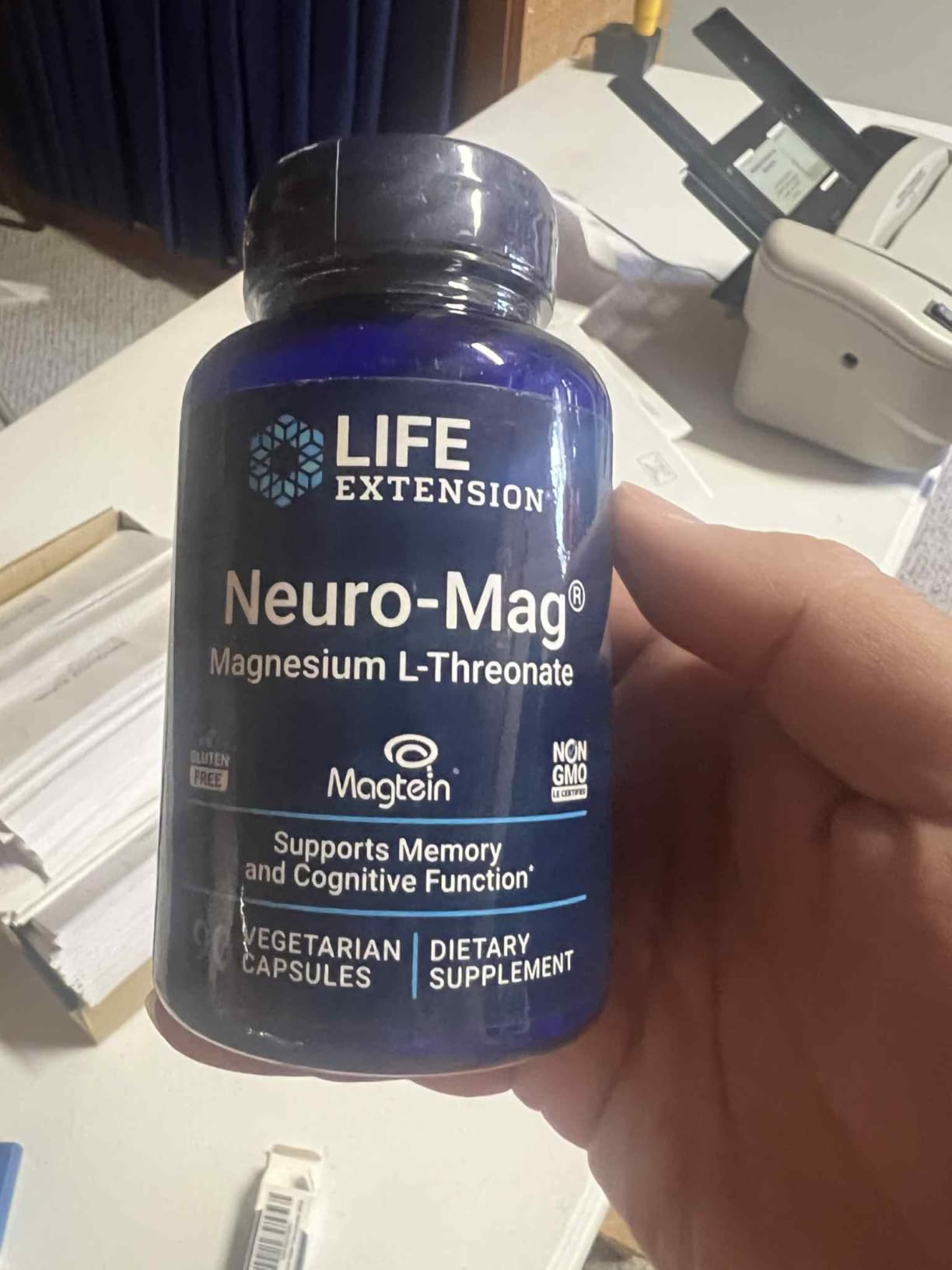
I took Life Extension Neuro-Mag Magnesium L-Threonate for eight weeks, two capsules in the morning. The cognitive effect was much subtler than the sleep effect I got from glycinate, but it built up steadily. Around week five, I noticed I was recalling names and details faster during meetings without that awful tip-of-the-tongue pause.
This formula uses the patented Magtein form of magnesium L-threonate, which is the only form with the clinical cognitive studies behind it. Life Extension has been a long-time player in the nootropic space, and they publish a Certificate of Analysis for every batch, which is a meaningful trust signal for a brain-targeted supplement.

The serving suggestion is three capsules per day, which delivers about 144 mg of elemental magnesium from 2,000 mg of Magtein compound. That is a much lower elemental dose than glycinate delivers, but the goal is different. You are not trying to raise whole-body magnesium levels. You are trying to push magnesium past the blood-brain barrier, where the L-threonate carrier does the heavy lifting.
Around week six, my afternoon focus noticeably improved. I did not feel “stimulated” the way caffeine does, but the brain fog lifted and my working memory on small tasks (remembering a phone number, tracking a multi-step conversation) felt sharper. Several r/Nootropics users describe the exact same pattern: subtle at first, then undeniable by week six to eight.
Quality and Testing
Life Extension manufactures in the USA in a GMP-certified facility and provides a Certificate of Analysis for every batch. The Magtein ingredient is the patented, studied form of L-threonate, not a generic alternative, which matters if you want the cognitive benefits the research actually measured.
The main drawback is price. Magnesium L-threonate is one of the more expensive magnesium forms per bottle, and you go through capsules quickly at three per day. The 90-count bottle lasts about a month at the studied dose, which adds up.
Who This Product Is Best For
This magnesium L-threonate is best for adults who want cognitive support, better working memory, and clearer focus, especially during aging or periods of high mental load. It is not the right pick if your primary goal is sleep onset or anxiety relief. For that, magnesium glycinate is the better choice.
We may earn a commission at no additional cost to you. As an Amazon Associate I earn from qualifying purchases. CERTAIN CONTENT THAT APPEARS ON THIS SITE COMES FROM AMAZON. THIS CONTENT IS PROVIDED 'AS IS' AND IS SUBJECT TO CHANGE OR REMOVAL AT ANY TIME.
Buying Guide: How to Choose Between Magnesium Glycinate and Threonate
Choosing between magnesium glycinate and magnesium L-threonate comes down to three things: your primary goal, your budget, and the quality of the specific bottle you buy. Let us walk through each.
Pick glycinate if: your main goal is better sleep, anxiety relief, or muscle relaxation. Glycinate delivers more elemental magnesium per dose and works faster on the calming pathways. It is also the better pick if you want to supplement magnesium broadly to correct a deficiency, because you get more elemental magnesium per capsule.
Pick threonate if: your main goal is memory, focus, or brain fog, especially as you get older. Threonate is the only form proven to raise brain magnesium levels in studies. If cognitive performance is the priority, glycinate will not deliver the same benefit.
Stack both if: you want sleep support plus cognitive support and your budget allows it. Many experienced users take threonate in the morning and glycinate at night. Just keep total elemental magnesium in a sensible range.
Cost Per Serving Comparison
Cost is one of the biggest real-world decision factors, and most comparison articles skip it. Magnesium glycinate typically runs far cheaper per serving than magnesium L-threonate because threonate is patented under the Magtein name and comes from fewer manufacturers.
Doctor’s Best Magnesium Glycinate delivers about 200 mg of elemental magnesium per two-tablet serving at a low per-bottle cost, making it one of the most affordable chelated glycinate options. Life Extension Neuro-Mag L-Threonate delivers about 144 mg of elemental magnesium per three-capsule serving at a higher per-bottle cost, because the Magtein ingredient is expensive to produce.
If you want the cheapest path to better sleep and relaxation, glycinate wins on cost. If you want the studied cognitive form and budget is not the main concern, threonate is worth the premium.
Third-Party Testing Checklist
Look for these quality markers on any magnesium bottle before you buy. The supplement industry is loosely regulated, so these signals matter.
USP Verified or NSF Certified seal on the label means an independent organization has tested the bottle for ingredient accuracy and contaminants. GMP-certified manufacturing facility (required by the FDA but worth confirming). Transparent elemental magnesium percentage listed on the supplement facts panel. For L-threonate specifically, look for the word “Magtein” on the bottle. That is the patented, studied form. A Certificate of Analysis available on the brand’s website, ideally matched to the lot number on your bottle.
Brands that publish third-party heavy metals testing (lead, mercury, cadmium, arsenic) earn extra trust. Magnesium is mined from the earth, so heavy metal screening is a real concern at lower-quality suppliers.
Magnesium Deficiency Self-Screening Checklist
Most adults in developed countries do not hit the RDA for magnesium, so a quick self-screen is worth doing. You may be deficient if you experience several of the following on a regular basis: muscle cramps or twitches, especially at night. Difficulty falling asleep or staying asleep. Anxiety, restlessness, or a wired-but-tired feeling. Eyelid twitching or facial tics. Heart palpitations or skipped beats. Migraines or tension headaches. Restless leg sensations.
If two or more of these apply to you, a magnesium supplement is worth trying. Glycinate is the safer starting point because it delivers more elemental magnesium per dose and is well tolerated.
Frequently Asked Questions
Which form of magnesium is best for sleep?
Magnesium glycinate is the best form of magnesium for sleep. It delivers both magnesium and the amino acid glycine, which activates calming GABA receptors in the brain. Most users notice better sleep onset within three to seven days of nightly use. Magnesium L-threonate can also improve sleep quality, but its main benefit is cognitive support rather than sedation.
Is magnesium threonate better than glycinate?
Neither form is universally better. Magnesium threonate is better if your primary goal is cognitive support, memory, or focus, because it crosses the blood-brain barrier and increases synaptic density. Magnesium glycinate is better if your primary goal is sleep, anxiety relief, muscle relaxation, or correcting a magnesium deficiency. The right choice depends on what you are trying to fix.
Can you take magnesium glycinate and threonate together?
Yes, you can take magnesium glycinate and magnesium L-threonate on the same day. Many experienced users stack them by taking threonate in the morning for cognition and glycinate in the evening for sleep. The two compounds use different carriers and hit different receptors. Keep total elemental magnesium under about 350 to 400 mg per day unless a clinician advises otherwise.
What are the side effects of magnesium glycinate vs threonate?
Magnesium glycinate can occasionally cause loose stools in sensitive users, especially above 400 mg of elemental magnesium per day, and some users report vivid dreams or grogginess at high doses. Magnesium L-threonate has fewer digestive side effects because the elemental dose is much smaller, but a small number of users report increased mind chatter or brain fog at higher doses. People with kidney disease should avoid both forms without medical supervision.
What is the best time to take magnesium glycinate or threonate?
Take magnesium glycinate 30 to 60 minutes before bed for sleep and anxiety benefits. Take magnesium L-threonate in the morning or early afternoon for cognitive support, because taking it late in the day can disturb sleep for sensitive users. Both can be taken with food to minimize any chance of stomach upset.
How much elemental magnesium is in glycinate vs threonate?
Magnesium glycinate delivers about 14 percent elemental magnesium by weight, so a typical 1,000 mg magnesium glycinate tablet provides about 140 mg of elemental magnesium. Magnesium L-threonate delivers only about 8 percent elemental magnesium by weight, so a typical 2,000 mg Magtein dose provides about 144 mg of elemental magnesium. Glycinate is more efficient at raising whole-body magnesium levels per capsule.
Final Verdict: Which Magnesium Should You Choose?
After comparing magnesium glycinate vs magnesium threonate head-to-head across chemistry, mechanism, benefits, side effects, dosage, and cost, the verdict is simple. Pick the form that matches your goal, because they do different jobs.
For sleep, anxiety, and muscle relaxation, magnesium glycinate is the better choice. Doctor’s Best Magnesium Glycinate Lysinate is a reliable, well-tolerated, and affordable starting point for most adults. For memory, focus, and cognitive support, magnesium L-threonate is the better choice. Life Extension Neuro-Mag uses the patented Magtein form that the cognitive studies actually measured, and it is the most credible L-threonate option on the market in 2026.
If you want both benefits, stack them: threonate in the morning, glycinate in the evening. Just keep total elemental magnesium in a sensible range and pick bottles with transparent labels and third-party testing.