
Menopause Insomnia Causes & Fixes That Actually Work 2026
Disclaimer: betterresultsbook.com contains information about products that are intended for laboratory and research use only, unless otherwise explicitly stated. This information, including any referenced scientific or clinical research, is made available for educational purposes only. Likewise, any published information relative to the dosing and administration of reference materials is made available strictly for reference and shall not be construed to encourage the self-administration or any human use of said reference materials. betterresultsbook.com makes every effort to ensure that any information it shares complies with national and international standards for clinical trial information and is committed to the timely disclosure of the design and results of all interventional clinical studies for innovative treatments publicly available or that may be made available. However, research is not considered conclusive. betterresultsbook.com makes no claims that any products referenced can cure, treat or prevent any conditions, including any conditions referenced on its website or in print materials.
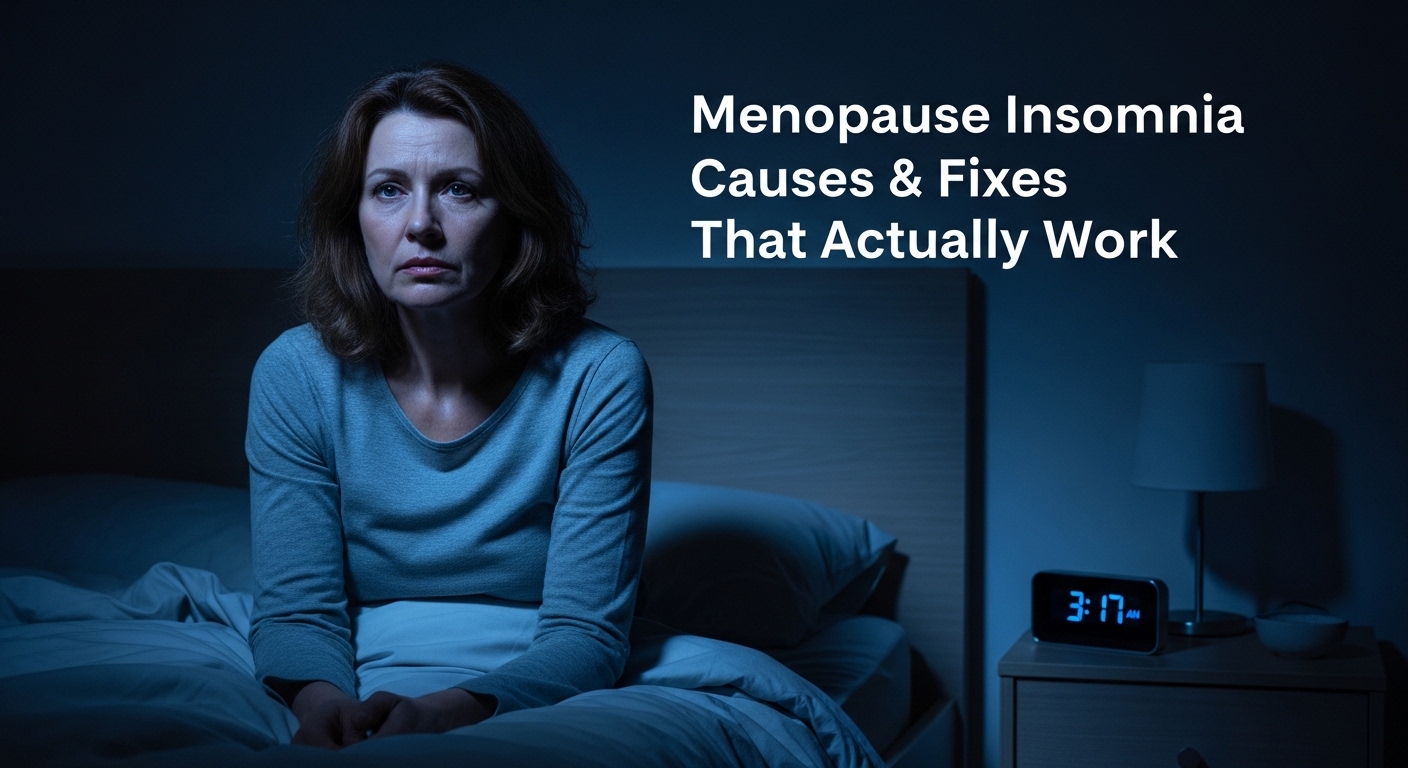
It is 2:47 AM and you are wide awake again. The ceiling fan hums overhead, but nothing brings sleep. If this sounds painfully familiar, you are not alone.
Based on our research, menopause insomnia affects 40-60% of women during perimenopause and menopause. The good news: effective treatments exist, and this sleep disruption is temporary.
I have spent weeks researching the science behind menopausal sleep problems, talking to women in online communities, and reviewing the latest treatment options. What I found is that many women suffer in silence, not realizing that targeted treatments can help.
In this guide, we cover why menopause disrupts sleep, how long symptoms typically last, and the most effective treatments available in 2026. Whether you are looking for natural remedies or medical interventions, you will find evidence-based solutions here.
What Is Menopause Insomnia?
Menopause insomnia is a sleep disorder affecting women during perimenopause and menopause, characterized by difficulty falling asleep, staying asleep, or waking up too early due to hormonal changes.
Menopause Insomnia: Sleep disruption caused by declining estrogen and progesterone levels, often accompanied by night sweats, hot flashes, and anxiety. Affects 40-60% of women during the menopausal transition.
Unlike regular insomnia, menopause-related sleep problems stem from specific hormonal changes happening in your body. This is not just difficulty sleeping. It is your hormones actively disrupting your sleep-wake cycle.
Menopause insomnia typically appears in three forms:
- Sleep onset insomnia: Difficulty falling asleep at bedtime, often due to anxiety or racing thoughts
- Sleep maintenance insomnia: Waking up multiple times during the night, frequently between 2-4 AM
- Early morning awakening: Waking up too early and being unable to fall back asleep
Many women experience a combination of all three. The pattern often shifts throughout perimenopause and postmenopause as hormone levels continue changing.
Why Does Menopause Cause Insomnia?
Declining estrogen and progesterone levels disrupt the brain chemicals and body systems that regulate sleep. Understanding these causes may help you find the right treatment approach.
1. Hormonal Changes Affecting Sleep Chemistry
Estrogen influences serotonin and other neurotransmitters that promote sleep. As estrogen levels drop, your brain produces less of these calming chemicals.
Progesterone has natural sedative effects through its interaction with GABA receptors in the brain. When progesterone declines, you lose this natural sleep-promoting hormone.
These hormonal shifts also affect melatonin production. Studies suggest menopausal women may produce less melatonin, making it harder to maintain normal circadian rhythms.
2. Night Sweats and Hot Flashes
Vasomotor symptoms affect up to 75% of menopausal women. These sudden waves of heat and sweating directly disrupt sleep.
Night sweats can drench sheets and pajamas, forcing you to wake up, change clothes, and try to fall back asleep. Some women report experiencing multiple episodes per night.
Research indicates night sweats cause 1 in 3 nighttime awakenings in midlife women. Even when you do not fully wake, these episodes fragment your sleep cycles.
3. Anxiety and Mood Changes
Hormonal fluctuations often trigger increased anxiety, particularly at night. Racing thoughts and worry make falling asleep difficult.
The relationship works both ways. Poor sleep worsens anxiety, which further disrupts sleep. This cycle can be challenging to break without intervention.
4. Other Contributing Factors
Several overlooked factors may worsen menopause insomnia:
- Nocturia: Declining estrogen affects bladder function, causing frequent nighttime urination
- Restless legs syndrome: More common during menopause and disrupts sleep onset
- Sleep apnea: Risk increases after menopause due to hormonal and weight changes
- Joint pain: Hormonal changes can increase inflammation and discomfort at night
- Midlife stress: Caring for aging parents, career pressures, and relationship changes add to sleep difficulties
What Does Menopause Insomnia Feel Like?
Menopause insomnia feels like exhaustion without the ability to sleep. Women describe lying awake despite feeling deeply tired, then struggling through days in a fog.
Common experiences include:
- The 2-3 AM awakening: Waking at almost exactly the same time every night, unable to fall back asleep
- Drenching night sweats: Waking up soaked, needing to change sheets or pajamas
- Racing thoughts: Mind will not shut off, replaying the day or worrying about tomorrow
- Feeling wired but tired: Exhausted yet unable to relax into sleep
- Lighter sleep: Waking at every small noise or movement
Real Talk: “What’s up with almost every woman I know waking up between 2 and 3 AM nightly?” This pattern is so common in menopause forums that women call it the “menopause wake-up call.” You are not imagining it.
Daytime effects often include brain fog, difficulty concentrating, irritability, and an overwhelming desire to nap. Many women describe feeling like they are operating at 50% capacity.
As one woman in a menopause community put it: “Lack of sleep is used as a torture method. That is how serious this is.” If you feel desperate, your experience is valid.
How Long Does Menopause Insomnia Last?
Menopause insomnia typically lasts 4-8 years for most women, spanning the perimenopause transition and early postmenopause. However, duration varies significantly based on individual factors.
Here is what the timeline generally looks like:
| Stage | Typical Duration | Sleep Pattern |
|---|---|---|
| Early Perimenopause | 2-4 years before final period | Sleep problems begin, often mild |
| Late Perimenopause | 1-2 years before final period | Symptoms typically peak, worst insomnia |
| Early Postmenopause | 1-3 years after final period | Gradual improvement for most women |
| Late Postmenopause | 3+ years after final period | Sleep often stabilizes, though some issues may persist |
Factors that influence how long your insomnia lasts include the severity of your vasomotor symptoms, stress levels, overall health, and whether you seek treatment.
Good News: For most women, menopause insomnia does improve. While some sleep changes may persist, the severe disruption typically eases within a few years of your final period, especially with appropriate treatment.
Women who start treatment early often report faster improvement. Waiting and hoping symptoms will resolve on their own may prolong suffering unnecessarily.
How to Treat Menopause Insomnia?
Effective treatment for menopause insomnia typically involves addressing both the underlying hormonal causes and the sleep disruption itself. The best approach depends on your symptoms, health history, and preferences.
Here are the most effective treatment options available in 2026:
- Hormone Replacement Therapy (HRT): Addresses root hormonal cause
- Cognitive Behavioral Therapy for Insomnia (CBT-I): First-line treatment for chronic insomnia
- Non-hormonal medications: Veozah, gabapentin, low-dose antidepressants
- Lifestyle modifications: Sleep hygiene, exercise, diet changes
- Supplements: Melatonin, magnesium, and other sleep aids
Treatment Comparison
| Treatment | How It Works | Best For | Considerations |
|---|---|---|---|
| HRT | Replaces declining estrogen and progesterone | Women with moderate-severe hot flashes/night sweats | Requires prescription; not suitable for all women |
| CBT-I | Retrains sleep habits and addresses anxiety | Anyone with chronic insomnia; long-term solution | Requires 6-8 weeks; available via apps or therapists |
| Non-hormonal Rx | Targets hot flashes or promotes sleep | Women who cannot take HRT | May have side effects; prescription required |
| Lifestyle Changes | Optimizes sleep environment and habits | All women; foundation of treatment | May not be enough alone for severe symptoms |
| Supplements | Supports natural sleep processes | Mild symptoms; preference for natural options | Less research evidence; effects vary |
Hormone Replacement Therapy (HRT)
HRT may help with sleep by addressing the root cause: declining estrogen and progesterone. Studies suggest women on HRT report fewer night sweats and improved sleep quality.
Estrogen helps reduce hot flashes and night sweats that disrupt sleep. Progesterone has natural sedative properties that may help you fall and stay asleep.
HRT is not appropriate for everyone. Women with a history of certain cancers, blood clots, or cardiovascular disease may need alternative options. A healthcare provider can help determine if HRT is right for you.
HRT (Hormone Replacement Therapy): Treatment that supplements declining estrogen and progesterone levels. Available as pills, patches, gels, or rings. Also called menopausal hormone therapy (MHT).
Cognitive Behavioral Therapy for Insomnia (CBT-I)
CBT-I is considered the first-line treatment for chronic insomnia by sleep specialists. It addresses the thoughts and behaviors that perpetuate sleep problems.
This approach typically involves:
- Sleep restriction therapy to increase sleep drive
- Stimulus control to strengthen the bed-sleep connection
- Cognitive restructuring to address anxious thoughts
- Relaxation techniques
Research shows CBT-I works as well as sleep medications for short-term relief and better for long-term improvement. Unlike medications, the benefits continue after treatment ends.
You can access CBT-I through trained therapists, online programs like Somryst (FDA-cleared), or apps like CBT-I Coach. Treatment typically takes 6-8 weeks.
Non-Hormonal Medications
Several prescription medications may help menopause insomnia without using hormones:
- Veozah (fezolinetant): FDA-approved in 2023 specifically for moderate-to-severe hot flashes, which may improve sleep
- Gabapentin: May reduce hot flashes and has sedating effects that help some women sleep
- Low-dose SSRIs/SNRIs: Paroxetine and venlafaxine may reduce vasomotor symptoms
- Sleep medications: Short-term options like zolpidem, though these carry dependence risks
Prescription sleep medications should typically be used short-term due to dependence concerns. Many women in forums report that sleep aids stopped working after a few weeks or caused grogginess.
Telehealth Options for Menopause Care
For women seeking specialized menopause treatment, telehealth providers offer convenient access to clinicians who understand hormonal sleep issues.
Midi Health specializes in menopause care with clinicians trained in both HRT and non-hormonal options. They accept insurance and offer virtual visits focused on symptoms like insomnia.
Evernow provides streamlined hormone therapy subscriptions with medication included in the monthly cost, though their focus is broader than sleep-specific issues.
These services can be particularly helpful if your regular doctor dismisses your symptoms as “normal aging.” Menopause specialists understand that significant sleep disruption deserves treatment.
Natural Remedies and Lifestyle Changes
Lifestyle modifications form the foundation of menopause insomnia treatment. While they may not be enough alone for severe symptoms, they can significantly improve sleep quality.
Optimize Your Sleep Environment
Temperature control is critical for women experiencing night sweats. Research and user experiences both point to specific strategies:
- Keep your bedroom below 67F (19C): This temperature range consistently helps in menopause forums
- Use moisture-wicking sheets and pajamas: Bamboo or performance fabrics help manage sweating
- Consider a cooling mattress pad: Some women find these life-changing for night sweats
- Have a fan or AC accessible: Being able to cool down quickly when you wake helps you fall back asleep
- Keep water nearby: Staying hydrated helps with hot flashes and prevents getting up
Establish a Sleep Routine
Your body craves consistency. Going to bed and waking at the same time every day strengthens your circadian rhythm.
Create a wind-down routine starting 30-60 minutes before bed. This might include dimming lights, avoiding screens, taking a warm bath, or practicing relaxation techniques.
One forum user shared: “Creating a nighttime sleep routine really helps, like making sure I have anything I need near me: water, fan, eye drops.” Small preparations prevent disruptions.
Exercise Timing Matters
Regular physical activity improves sleep quality, but timing matters during menopause. Exercise earlier in the day. Vigorous workouts close to bedtime can raise body temperature and worsen night sweats.
Aim for at least 30 minutes of moderate exercise most days. Walking, swimming, and yoga are particularly beneficial and less likely to trigger hot flashes than high-intensity workouts.
Watch What You Consume
Certain substances worsen menopause insomnia:
- Caffeine: More sensitive to its effects during menopause; stop by early afternoon
- Alcohol: May help you fall asleep but causes fragmented sleep and worsens night sweats
- Spicy foods: Can trigger hot flashes, especially near bedtime
- Large meals: Eating heavily close to bed disrupts sleep
Many women report that alcohol makes their sleep dramatically worse during menopause, even though it initially helps them relax.
Stress Reduction Techniques
Anxiety and stress amplify menopause insomnia. Relaxation techniques can help calm your nervous system:
- Deep breathing exercises: 4-7-8 breathing technique before bed
- Progressive muscle relaxation: Systematically tensing and releasing muscle groups
- Meditation or mindfulness: Apps like Calm or Headspace offer sleep-specific content
- Journaling: Write down worries before bed to clear your mind
Supplements That May Help
Several supplements may support sleep during menopause, though evidence varies. Always consult your healthcare provider before starting supplements, especially if you take other medications.
Melatonin
Melatonin production may decrease during menopause. Supplementing with 0.5-5mg before bed may help with falling asleep.
Start with a low dose (0.5-1mg) and increase if needed. Some women find melatonin stops working after a few weeks. Taking breaks can help maintain effectiveness.
Magnesium
Magnesium glycinate (200-400mg before bed) may help with sleep quality and relaxation. This form causes fewer digestive issues than other magnesium types.
Many women in menopause forums report magnesium helps them sleep better. It also supports muscle relaxation and may help with restless legs.
Other Options
- L-Theanine (100-200mg): Promotes relaxation without drowsiness; may help anxiety-related insomnia
- Valerian Root (300-600mg): May improve sleep quality; some evidence for restless legs
- Glycine (3g before bed): Amino acid that may lower body temperature and improve sleep
Important: Supplements are not FDA-regulated for quality or effectiveness. Research on most sleep supplements is limited. What works varies significantly between individuals.
When to See a Doctor?
See a healthcare provider if your insomnia significantly impacts your daily functioning, has lasted more than a few weeks, or if you experience symptoms of sleep apnea like snoring or gasping.
Also seek help if you notice:
- Severe daytime fatigue affecting work or safety (like driving)
- Mood changes like depression or severe anxiety
- Sleep problems not improving with lifestyle changes
- Interest in HRT or prescription treatments
Do not accept dismissive responses. If your provider brushes off your symptoms, consider seeking a menopause specialist or telehealth service focused on menopausal care.
Frequently Asked Questions
How do you treat menopausal insomnia?
Treatment options include hormone replacement therapy (HRT) for underlying hormonal causes, cognitive behavioral therapy for insomnia (CBT-I) for sleep habits, non-hormonal medications like Veozah or gabapentin, lifestyle changes such as keeping your bedroom cool, and supplements like melatonin and magnesium. Most women benefit from a combination of approaches.
Does HRT help you sleep better?
Research suggests HRT may improve sleep for many menopausal women, particularly those with night sweats and hot flashes. Estrogen reduces vasomotor symptoms that wake you at night, while progesterone has natural sedative properties. However, HRT is not appropriate for everyone, and results vary. Consult a healthcare provider to determine if HRT is right for you.
What is the best sleep medication for menopause?
There is no single best medication since effectiveness varies by individual. Options include Veozah (specifically for hot flashes), gabapentin (sedating and reduces hot flashes), low-dose antidepressants, and short-term sleep medications like zolpidem. CBT-I is often recommended before medication due to its lasting benefits and lack of side effects.
Will insomnia in menopause ever go away?
For most women, menopause insomnia does improve over time. Symptoms typically peak in late perimenopause and gradually ease in the years following your final period. The severe sleep disruption usually resolves within 4-8 years, though some women experience ongoing mild sleep changes. Treatment can significantly shorten this timeline and improve quality of life during the transition.
Why do I wake up at 3am during menopause?
Waking between 2-4am is extremely common during menopause. Declining progesterone reduces your natural sedation, while estrogen changes affect sleep cycles. Night sweats often peak in the early morning hours. Cortisol levels also begin rising around this time, and hormonal imbalances may cause earlier awakening. This pattern is so common that women call it the menopause wake-up call.
What is the best natural remedy for menopause insomnia?
The most effective natural approaches include keeping your bedroom below 67F, maintaining consistent sleep and wake times, exercising regularly (but not close to bedtime), avoiding alcohol and caffeine, and practicing relaxation techniques. Supplements like magnesium glycinate (200-400mg) and low-dose melatonin (0.5-3mg) may also help. Combining multiple strategies typically works better than any single remedy.
Can menopause cause severe insomnia?
Yes, menopause can cause severe insomnia in some women. Studies show 40-60% of women experience sleep difficulties during this transition, with some experiencing significant impairment. Severe insomnia may involve going days with minimal sleep, intense daytime fatigue, and mood changes. If your insomnia is severe, seek medical help. Effective treatments exist, and you do not have to suffer through it alone.
The Bottom Line
Menopause insomnia is real, common, and treatable. If you are waking at 2 AM drenched in sweat, struggling through foggy days, or feeling like sleep has become impossible, know that effective solutions exist.
The key takeaways from our research:
- 40-60% of women experience sleep problems during menopause. You are not alone
- Symptoms typically last 4-8 years but often improve in postmenopause
- Treatment works best when you address both the hormonal causes and sleep habits
- Starting treatment early may shorten the duration of symptoms
- Do not accept dismissive healthcare. Menopause specialists can help
Whether you choose HRT, CBT-I, natural remedies, or a combination, taking action is the first step toward better sleep. You deserve rest.
Disclaimer: This content is for informational purposes only and does not constitute medical advice. Always consult a licensed healthcare provider before starting any treatment for menopause symptoms. Individual results vary, and what works for one woman may not work for another.