What Is GLP-1? How It Works, Medications, Benefits & Side Effects 2026
If you’ve heard about Ozempic, Wegovy, or Mounjaro in 2026, you’ve likely wondered: what exactly is GLP-1, and why is everyone talking about it?
GLP-1 (glucagon-like peptide-1) is a natural hormone your body produces that helps control blood sugar and appetite. GLP-1 medications mimic this hormone to treat Type 2 diabetes and promote significant weight loss.
I’ve spent months researching GLP-1 science, medications, and real user experiences. In this guide, you’ll learn exactly how GLP-1 works, the complete list of available medications, their benefits and side effects, natural ways to boost your GLP-1 levels, and how to access these treatments.
What Is GLP-1?
GLP-1, or glucagon-like peptide-1, is a hormone naturally produced in your intestines after you eat.
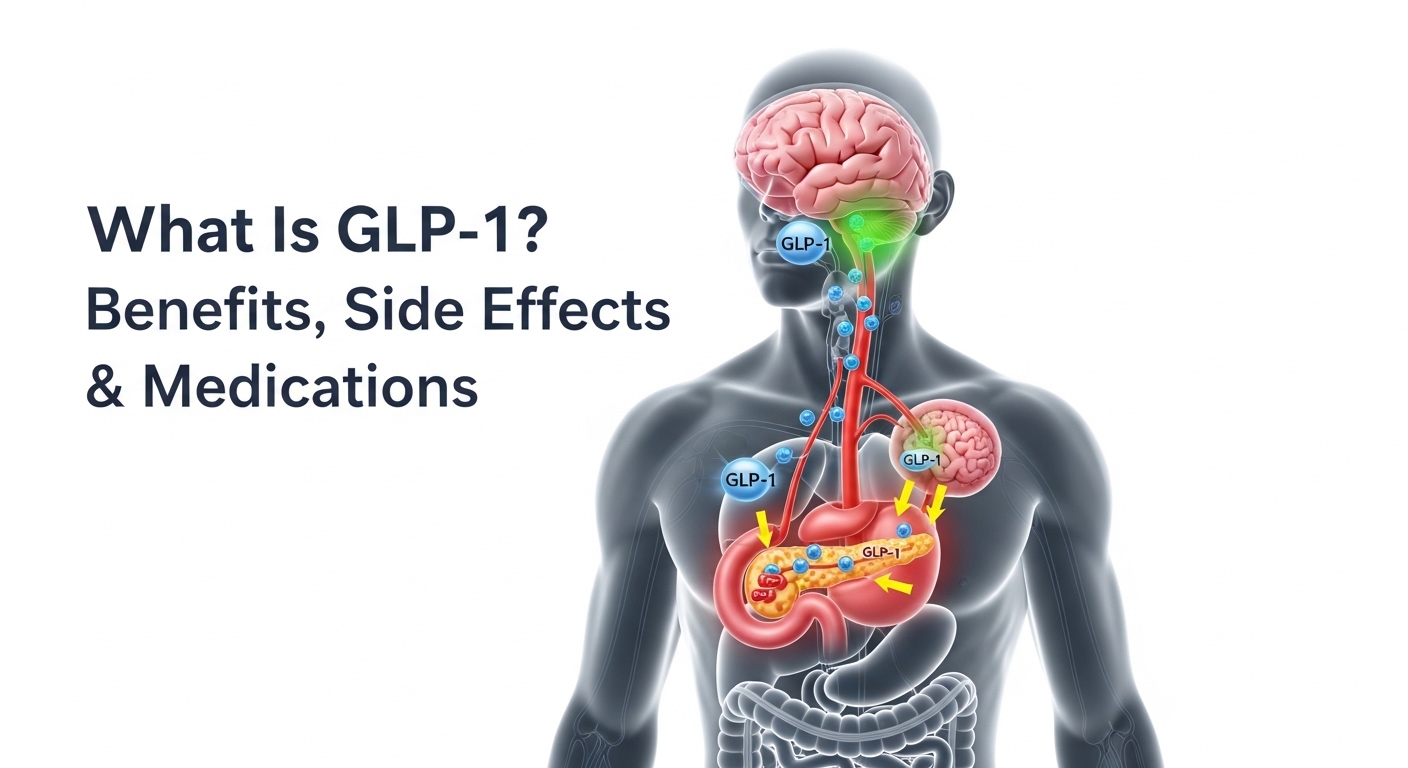
GLP-1 (glucagon-like peptide-1): A gut hormone released after eating that signals your pancreas to produce insulin, tells your brain you’re full, and slows digestion to keep you satisfied longer.
Your body releases GLP-1 within minutes of eating. This hormone belongs to a family called incretins, which play a crucial role in how your body processes food and manages blood sugar.
Here’s where it gets interesting: the natural GLP-1 your body produces breaks down very quickly, lasting only about 2-3 minutes in your bloodstream. GLP-1 medications are designed to mimic this hormone but stick around much longer, sometimes up to a week.
GLP-1 Hormone vs. GLP-1 Medications
Many people confuse the natural hormone with the medications. They’re related but different.
Natural GLP-1 is what your intestines produce every time you eat. It’s part of your body’s built-in system for managing hunger and blood sugar.
GLP-1 medications (also called GLP-1 receptor agonists or GLP-1 agonists) are synthetic drugs that copy what natural GLP-1 does. They bind to the same receptors in your body but are engineered to last much longer and have stronger effects.
Think of it this way: if natural GLP-1 is a whisper to your body, GLP-1 medications are a clear, sustained message.
How GLP-1 Works in Your Body?
GLP-1 affects your body in four main ways. Understanding these mechanisms helps explain why these medications are so effective for both diabetes and weight loss.
1. Triggers Insulin Release
When blood sugar rises after eating, GLP-1 signals your pancreas to release insulin. This is called glucose-dependent insulin secretion.
The key word is “glucose-dependent.” GLP-1 only triggers insulin when blood sugar is actually elevated. This makes it safer than some older diabetes medications that could cause dangerous low blood sugar.
2. Blocks Glucagon
GLP-1 suppresses glucagon, a hormone that tells your liver to release stored sugar into your bloodstream.
By blocking glucagon, GLP-1 prevents your blood sugar from spiking too high. It’s like having a brake pedal for blood sugar regulation.
3. Slows Stomach Emptying
GLP-1 slows down how quickly food leaves your stomach. This is called delayed gastric emptying.
When food stays in your stomach longer, several things happen. You feel full for hours after eating. Blood sugar rises more gradually instead of spiking. You naturally eat less because you’re still satisfied from your last meal.
4. Reduces Appetite in Your Brain
GLP-1 receptors exist in the hypothalamus, the brain region that controls hunger. When GLP-1 activates these receptors, it reduces appetite and food cravings.
Many users describe this as “food noise” disappearing. The constant thoughts about food, the cravings, the pull toward overeating simply quiet down.
Key Insight: GLP-1 medications work on multiple systems simultaneously, which is why they’re more effective than single-mechanism approaches to weight loss or blood sugar control.
GLP-1 Medications: A Complete List
Several GLP-1 medications are FDA-approved in 2026. They vary by active ingredient, brand name, approved uses, and how often you take them.
Semaglutide Medications
Semaglutide is currently the most well-known GLP-1 active ingredient, manufactured by Novo Nordisk.
Ozempic is FDA-approved for Type 2 diabetes. It’s a once-weekly injection that starts at 0.25mg and can be increased up to 2mg. While often used off-label for weight loss, it’s officially a diabetes medication.
Wegovy is the weight-loss version of semaglutide. It’s FDA-approved specifically for chronic weight management in adults with obesity (BMI 30+) or overweight (BMI 27+) with weight-related health conditions. The maximum dose is 2.4mg weekly.
Rybelsus is the only oral GLP-1 medication currently available. It’s FDA-approved for Type 2 diabetes and taken as a daily tablet, not an injection.
Tirzepatide Medications
Tirzepatide, made by Eli Lilly, is a dual GIP/GLP-1 agonist. It activates two hormone receptors instead of one, which may explain why it shows even greater effects in some studies.
Mounjaro is FDA-approved for Type 2 diabetes. It’s a once-weekly injection with doses ranging from 2.5mg to 15mg.
Zepbound is the same medication but FDA-approved specifically for weight loss. Clinical trials showed an average of 22.5% body weight loss at the highest dose.
Liraglutide Medications
Liraglutide was one of the earlier GLP-1 medications, also from Novo Nordisk. It requires daily injections rather than weekly.
Victoza is FDA-approved for Type 2 diabetes, taken as a daily injection up to 1.8mg.
Saxenda is the weight-loss version of liraglutide, FDA-approved for chronic weight management at doses up to 3mg daily.
Other GLP-1 Medications
Trulicity (dulaglutide) by Eli Lilly is a once-weekly injection for Type 2 diabetes. It’s been available since 2014.
Byetta and Bydureon (exenatide) by AstraZeneca were among the first GLP-1 medications. Byetta is taken twice daily, while Bydureon is weekly. These are primarily used for diabetes.
GLP-1 Medication Comparison Table
This table compares all major GLP-1 medications available in 2026:
| Medication | Generic Name | FDA-Approved For | Dosing | Manufacturer |
|---|---|---|---|---|
| Ozempic | Semaglutide | Type 2 Diabetes | Weekly injection | Novo Nordisk |
| Wegovy | Semaglutide | Weight Loss | Weekly injection | Novo Nordisk |
| Rybelsus | Semaglutide | Type 2 Diabetes | Daily oral tablet | Novo Nordisk |
| Mounjaro | Tirzepatide | Type 2 Diabetes | Weekly injection | Eli Lilly |
| Zepbound | Tirzepatide | Weight Loss | Weekly injection | Eli Lilly |
| Victoza | Liraglutide | Type 2 Diabetes | Daily injection | Novo Nordisk |
| Saxenda | Liraglutide | Weight Loss | Daily injection | Novo Nordisk |
| Trulicity | Dulaglutide | Type 2 Diabetes | Weekly injection | Eli Lilly |
| Bydureon | Exenatide | Type 2 Diabetes | Weekly injection | AstraZeneca |
Important Note: Compounded versions of semaglutide and tirzepatide are also available through some telehealth providers and compounding pharmacies. These are not FDA-approved and may not be available in all states.
Benefits of GLP-1 Medications
GLP-1 medications offer several well-documented benefits beyond their primary approved uses. Clinical research continues to uncover additional potential applications.
Significant Weight Loss
Weight loss is perhaps the most discussed benefit of GLP-1 medications in 2026.
Clinical trials for semaglutide (Wegovy) showed average weight loss of 15% of body weight over 68 weeks. For someone weighing 250 pounds, that’s about 37 pounds.
Tirzepatide (Zepbound) showed even stronger results, with participants losing an average of 22.5% of body weight at the highest dose. That same 250-pound person might lose around 56 pounds.
These results far exceed what most people achieve with diet and exercise alone, where 5-10% weight loss is considered successful.
Improved Blood Sugar Control
For people with Type 2 diabetes, GLP-1 medications can significantly lower A1C levels. Studies show average A1C reductions of 1-2 percentage points.
This improvement often means less reliance on other diabetes medications and better long-term health outcomes.
Cardiovascular Benefits
Research suggests GLP-1 medications may reduce cardiovascular risk. Several medications in this class have shown reductions in heart attack, stroke, and cardiovascular death in clinical trials.
The FDA has granted cardiovascular risk reduction indications to some GLP-1 medications based on this evidence.
Other Potential Benefits
Ongoing research is exploring GLP-1 medications for:
- Non-alcoholic fatty liver disease (NAFLD): Studies suggest improvements in liver fat
- Sleep apnea: Weight loss may reduce sleep apnea severity
- Kidney protection: Some evidence of benefits for kidney function
- Addiction: Early research is exploring effects on addictive behaviors
Side Effects and Risks of GLP-1 Medications
Like all medications, GLP-1 drugs have potential side effects. Understanding what to expect helps you make informed decisions and manage any issues that arise.
Common Side Effects
Gastrointestinal side effects are the most common complaints, especially when starting treatment or increasing doses:
- Nausea – Affects 40-50% of users initially
- Vomiting – Affects 20-30% of users
- Diarrhea – Affects 20-30% of users
- Constipation – Affects 15-25% of users
- Abdominal pain – Affects 10-20% of users
The good news: these side effects typically improve over 4-8 weeks as your body adjusts. Starting at low doses and increasing gradually helps minimize these issues.
Serious Risks
While rare, more serious risks exist and require awareness:
Pancreatitis: Inflammation of the pancreas has been reported. Seek immediate medical attention for severe abdominal pain that doesn’t go away.
Thyroid tumors: GLP-1 medications carry a black box warning about thyroid C-cell tumors based on animal studies. The risk in humans remains uncertain, but these medications are contraindicated if you have a personal or family history of medullary thyroid carcinoma.
Gallbladder problems: Rapid weight loss can increase gallstone risk. Some users have experienced gallbladder issues requiring surgery.
Hypoglycemia: When combined with insulin or other diabetes medications, low blood sugar may occur.
Who Should Not Take GLP-1 Medications?
GLP-1 medications are not appropriate for everyone. Contraindications include:
- Personal or family history of medullary thyroid carcinoma
- Multiple Endocrine Neoplasia syndrome type 2 (MEN 2)
- History of pancreatitis
- Pregnancy or breastfeeding
- Type 1 diabetes (different mechanism)
- Severe kidney disease (some medications)
Important: Always discuss your complete medical history with a healthcare provider before starting any GLP-1 medication. This includes all current medications, as interactions may occur.
Natural Ways to Boost GLP-1
You can support your body’s natural GLP-1 production through lifestyle choices. While these strategies won’t match the effects of medications, they contribute to overall metabolic health.
Dietary Strategies
Eat protein first: Starting meals with protein may stimulate greater GLP-1 release. Aim for 20-30 grams of protein at each meal.
Include soluble fiber: Foods like oats, beans, lentils, vegetables, and fruits contain soluble fiber that feeds gut bacteria and may enhance GLP-1 production.
Choose healthy fats: Olive oil, avocados, nuts, and fatty fish may support GLP-1 release. These foods also slow digestion naturally.
Eat slowly and mindfully: Taking time to eat allows natural GLP-1 release to occur and register in your brain, helping you feel satisfied with less food.
Lifestyle Factors
Exercise regularly: Both aerobic exercise and resistance training may increase GLP-1 levels. Even moderate activity like walking helps.
Get quality sleep: Poor sleep disrupts hormone regulation, including GLP-1. Aim for 7-9 hours of quality sleep nightly.
Manage stress: Chronic stress affects gut hormones negatively. Stress management techniques may support healthy GLP-1 function.
Support gut health: Probiotics and fermented foods may enhance gut bacteria that influence GLP-1 production.
What Research Shows
Studies on natural GLP-1 enhancement show modest but real effects. For example, one study found that eating protein before carbohydrates increased GLP-1 levels by 40% compared to eating carbohydrates first.
However, these natural strategies provide nowhere near the GLP-1 boost that medications deliver. Think of them as supportive measures, not alternatives to medical treatment when indicated.
How to Get GLP-1 Medications?
Getting a GLP-1 medication requires a prescription. Here’s what the process typically involves.
Step 1: Determine Eligibility
For diabetes medications like Ozempic or Mounjaro, you generally need a Type 2 diabetes diagnosis.
For weight-loss medications like Wegovy or Zepbound, you typically need:
- BMI of 30 or higher (obesity), OR
- BMI of 27 or higher with a weight-related condition (high blood pressure, Type 2 diabetes, high cholesterol, sleep apnea)
Step 2: Consult a Healthcare Provider
You can get a prescription from several sources:
Primary care physician: Your regular doctor can prescribe GLP-1 medications if you meet criteria.
Endocrinologist: Specialists in hormone and metabolic conditions often manage GLP-1 prescriptions for complex cases.
Weight management specialists: Doctors specializing in obesity medicine have deep experience with these medications.
Telehealth providers: Several telehealth platforms now offer GLP-1 prescriptions. These may provide brand-name medications or compounded versions, depending on the provider.
Step 3: Complete Required Evaluations
Most providers require lab work before prescribing. This may include blood glucose levels, A1C, thyroid function, kidney function, and lipid panels.
You’ll also discuss your medical history, current medications, and treatment goals.
Step 4: Start Treatment and Follow Up
GLP-1 medications typically start at low doses and gradually increase. This titration process minimizes side effects and helps your body adjust.
Regular follow-up appointments monitor your progress, manage side effects, and adjust treatment as needed.
Cost and Insurance Coverage for GLP-1
Cost is a significant concern for many people considering GLP-1 medications. Prices vary widely depending on the medication, your insurance, and how you obtain it.
Retail Prices
Without insurance, GLP-1 medications are expensive:
- Ozempic: Approximately $900-1,000 per month
- Wegovy: Approximately $1,300-1,700 per month
- Mounjaro/Zepbound: Approximately $1,000-1,200 per month
- Saxenda: Approximately $1,300-1,500 per month
Insurance Coverage
Insurance coverage varies significantly:
Diabetes medications (Ozempic, Mounjaro, Victoza, Trulicity) are more commonly covered since they treat a recognized medical condition.
Weight-loss medications (Wegovy, Zepbound, Saxenda) face more coverage barriers. Many insurers exclude weight-loss drugs, though this is slowly changing.
Prior authorization is typically required. Your provider must document medical necessity, which can take time.
Ways to Reduce Costs
Manufacturer savings programs: Novo Nordisk and Eli Lilly offer savings cards for eligible patients that can significantly reduce out-of-pocket costs.
Compounded medications: Some telehealth providers offer compounded semaglutide at lower prices ($200-400 per month). However, these are not FDA-approved.
Appeal insurance denials: If denied, work with your provider to appeal. Documentation of failed prior attempts at weight loss and medical necessity can help.
Shop pharmacies: Prices vary between pharmacies. Compare prices using tools like GoodRx.
Disclaimer: Compounded medications are not FDA-approved and may not be available in all states. Quality and consistency may vary between compounding pharmacies.
Frequently Asked Questions
Is GLP-1 the same as Ozempic?
No, GLP-1 is a natural hormone your body produces, while Ozempic is a brand-name medication (semaglutide) that mimics GLP-1. Think of GLP-1 as the natural substance and Ozempic as a drug designed to copy its effects. Other GLP-1 medications include Wegovy, Mounjaro, Zepbound, and Saxenda.
What GLP-1 medication is best for weight loss?
Based on clinical trial data, tirzepatide (Zepbound/Mounjaro) shows the strongest weight loss results, with participants losing an average of 22.5% of body weight. Semaglutide (Wegovy) is also highly effective, with average weight loss of 15%. The best choice depends on your individual health needs, insurance coverage, and doctor’s recommendation.
What does GLP-1 do to your body?
GLP-1 affects your body in four main ways: 1) Triggers insulin release from your pancreas when blood sugar is high, 2) Blocks glucagon to prevent excess sugar release from your liver, 3) Slows stomach emptying so you feel full longer, and 4) Acts on appetite centers in your brain to reduce hunger and cravings.
How can I increase my GLP-1 naturally?
You can support natural GLP-1 production by eating protein first at meals, consuming soluble fiber (oats, beans, vegetables), including healthy fats (olive oil, avocados, nuts), exercising regularly, getting 7-9 hours of quality sleep, managing stress, and including probiotics in your diet. However, these strategies won’t match the effects of GLP-1 medications.
What are the main side effects of GLP-1 medications?
The most common side effects are gastrointestinal: nausea (40-50% of users), vomiting, diarrhea, and constipation. These typically improve over 4-8 weeks as your body adjusts. More serious but rare risks include pancreatitis and gallbladder problems. Starting at low doses and increasing gradually helps minimize side effects.
Who should not take GLP-1 medications?
GLP-1 medications are not appropriate for people with a personal or family history of medullary thyroid carcinoma, Multiple Endocrine Neoplasia syndrome type 2 (MEN 2), history of pancreatitis, or who are pregnant or breastfeeding. People with Type 1 diabetes or severe kidney disease may also be ineligible depending on the medication.
How much weight can you lose on GLP-1 medications?
Clinical trials show average weight loss of 15-22.5% of body weight over 12-18 months. For a 250-pound person, that could mean losing 37-56 pounds. Individual results vary based on the specific medication, dosage, diet, exercise, and other factors. Some people lose more, some less.
How much do GLP-1 medications cost without insurance?
Without insurance, GLP-1 medications typically cost $900-1,700 per month. Ozempic and Mounjaro are around $900-1,200 monthly, while Wegovy and Zepbound can exceed $1,300. Manufacturer savings programs, insurance appeals, and compounded versions (which are not FDA-approved) may reduce costs for some patients.
The Bottom Line on GLP-1
GLP-1 is a natural hormone that plays a crucial role in blood sugar regulation and appetite control. GLP-1 medications like Ozempic, Wegovy, Mounjaro, and Zepbound mimic this hormone to treat Type 2 diabetes and promote significant weight loss.
These medications represent a major advancement in treating obesity and diabetes. Clinical trials show weight loss of 15-22.5% of body weight, far exceeding what most people achieve through diet and exercise alone.
However, GLP-1 medications aren’t without considerations. Side effects (especially GI issues), high costs, and the need for ongoing treatment require careful discussion with a healthcare provider.
If you’re considering a GLP-1 medication, consult with your doctor about whether you’re a good candidate, which medication might work best for you, and how to manage potential side effects.
This article is for informational purposes only and does not constitute medical advice. Always consult a licensed healthcare provider before starting any medication, including GLP-1 drugs. Individual results vary, and what works for one person may not work for another.
Disclaimer: betterresultsbook.com contains information about products that are intended for laboratory and research use only, unless otherwise explicitly stated. This information, including any referenced scientific or clinical research, is made available for educational purposes only. Likewise, any published information relative to the dosing and administration of reference materials is made available strictly for reference and shall not be construed to encourage the self-administration or any human use of said reference materials. betterresultsbook.com makes every effort to ensure that any information it shares complies with national and international standards for clinical trial information and is committed to the timely disclosure of the design and results of all interventional clinical studies for innovative treatments publicly available or that may be made available. However, research is not considered conclusive. betterresultsbook.com makes no claims that any products referenced can cure, treat or prevent any conditions, including any conditions referenced on its website or in print materials.