Why Am I Always Hungry? Tips for 2026 | aquamarinepower

Disclaimer: betterresultsbook.com contains information about products that are intended for laboratory and research use only, unless otherwise explicitly stated. This information, including any referenced scientific or clinical research, is made available for educational purposes only. Likewise, any published information relative to the dosing and administration of reference materials is made available strictly for reference and shall not be construed to encourage the self-administration or any human use of said reference materials. betterresultsbook.com makes every effort to ensure that any information it shares complies with national and international standards for clinical trial information and is committed to the timely disclosure of the design and results of all interventional clinical studies for innovative treatments publicly available or that may be made available. However, research is not considered conclusive. betterresultsbook.com makes no claims that any products referenced can cure, treat or prevent any conditions, including any conditions referenced on its website or in print materials.
Ever find yourself staring into the refrigerator an hour after eating a full meal, wondering why you’re already thinking about your next snack? You’re not alone, and there’s usually a reason behind that relentless hunger.
Constant hunger, medically called polyphagia, is typically caused by dietary deficiencies (not enough protein, fiber, or healthy fats), lifestyle factors (poor sleep, stress, eating too fast), or underlying medical conditions (diabetes, thyroid issues).
After researching the science behind appetite regulation and reviewing what forum users report as their biggest frustrations, I’ve identified 14 reasons you might always feel hungry. More importantly, I’ll share specific, actionable solutions for each one, including the often-overlooked issue of leptin resistance that rarely gets discussed.
Key Takeaways
- Protein target: Aim for 25-30g of protein per meal to reduce hunger hormones
- Sleep matters: Less than 7 hours increases ghrelin (hunger hormone) by up to 15%
- Fiber goal: Women need 25g, men need 38g daily for lasting fullness
- Water test: Drink a glass of water and wait 15 minutes; thirst often mimics hunger
- Warning sign: Extreme hunger with excessive thirst and frequent urination may indicate diabetes
- Slow down: It takes 20 minutes for your brain to register fullness
1. You’re Not Eating Enough Protein
Protein is the most satiating macronutrient, and not getting enough may be the number one reason you’re always hungry.
Research suggests that protein reduces levels of ghrelin (the hunger hormone) while boosting peptide YY, a hormone that signals fullness. In one study, participants who increased their protein intake from 15% to 30% of calories reported significantly less hunger and ate 441 fewer calories per day without trying.
The target most nutrition experts recommend is 25-30 grams of protein per meal. To put that in perspective, a palm-sized portion of chicken breast contains about 30 grams, while a cup of Greek yogurt has around 17 grams.
Pro Tip: Front-load your protein by eating it first at meals. Studies suggest this helps you feel fuller faster and may reduce overall calorie intake.
2. Too Many Refined Carbohydrates
Refined carbs like white bread, pastries, and sugary cereals cause rapid spikes in blood sugar followed by crashes, which trigger hunger signals even when your stomach isn’t empty.
When blood sugar drops quickly after a spike, your body releases ghrelin and sends urgent hunger signals to your brain. This explains why you might feel starving just two hours after eating a bagel or bowl of sweetened cereal.
The fix is swapping refined carbs for complex ones. Instead of white rice, try quinoa or brown rice. Replace white bread with whole grain options, and choose steel-cut oats over instant oatmeal.
3. Your Diet Lacks Fiber
Fiber slows digestion and keeps food in your stomach longer, promoting a steady feeling of fullness throughout the day.
High-fiber foods also stimulate the release of appetite-suppressing hormones. Research published in the Journal of the American College of Nutrition found that adding just 14 grams of fiber per day led to a 10% reduction in calorie intake.
The daily fiber target is 25 grams for women and 38 grams for men. Most Americans get only about 15 grams. Good sources include lentils (15g per cup), raspberries (8g per cup), and chia seeds (10g per ounce).
4. Not Enough Healthy Fats
Fat takes longer to digest than protein or carbs, and it triggers the release of fullness hormones like cholecystokinin (CCK).
If you’ve been following a very low-fat diet and find yourself constantly hungry, this might be your missing link. Research suggests that meals containing healthy fats keep you satisfied significantly longer than fat-free alternatives.
Focus on monounsaturated and polyunsaturated fats from sources like avocados, olive oil, nuts, and fatty fish. Adding a tablespoon of olive oil to your salad or a quarter of an avocado to your lunch can make a noticeable difference in how long you stay full.
5. You Might Be Dehydrated
Your body can confuse thirst signals with hunger signals because both are regulated by the same part of the brain, the hypothalamus.
Before reaching for a snack, try drinking a full glass of water and waiting 15 minutes. Many people find their “hunger” disappears. One study found that people who drank two cups of water before meals ate 75-90 fewer calories.
A good baseline is eight 8-ounce glasses of water daily, though you may need more if you exercise or live in a hot climate. Signs you’re not drinking enough include dark yellow urine, dry mouth, and fatigue alongside hunger.
6. Poor Sleep Quality
Sleep deprivation may be one of the most powerful hunger triggers, directly affecting the hormones that control appetite.
When you don’t get enough sleep, ghrelin (the hunger hormone) increases while leptin (the fullness hormone) decreases. Research from the University of Chicago found that just four nights of poor sleep increased ghrelin by 28% and decreased leptin by 18%.
This hormonal shift doesn’t just make you hungrier; it specifically increases cravings for high-calorie, high-carb foods. That’s why you might find yourself reaching for donuts instead of salads when you’re tired.
The target is 7-9 hours of quality sleep per night. If you struggle with sleep, consider limiting caffeine after 2 PM, keeping your bedroom cool and dark, and maintaining a consistent sleep schedule even on weekends.
7. Distracted Eating
Eating while watching TV, scrolling your phone, or working at your desk prevents your brain from fully registering what you’ve eaten.
Research published in the American Journal of Clinical Nutrition found that distracted eaters consumed 25% more calories at subsequent meals because they had weaker memories of what they’d eaten earlier.
Try eating at least one meal per day without screens or distractions. Focus on the taste, texture, and smell of your food. This mindful eating practice helps your brain properly register satisfaction signals.
8. Intense Exercise Without Proper Fueling
Regular intense exercise increases your calorie needs, and if you’re not eating enough to match, your body will send persistent hunger signals.
This is especially common among people who exercise to lose weight and deliberately restrict calories. While a moderate calorie deficit is fine, combining intense workouts with severe restriction can backfire, leaving you ravenously hungry.
Timing matters too. Eating a combination of protein and carbs within two hours after exercise helps replenish glycogen stores and reduces excessive hunger later. A banana with peanut butter or Greek yogurt with berries works well.
9. You’re Eating Too Fast
It takes approximately 20 minutes for your stomach to communicate fullness to your brain. If you finish a meal in 10 minutes, you’ll likely eat past the point of satisfaction before realizing it.
Fast eaters are significantly more likely to overeat and feel hungry again soon after meals. One study found that slow eaters consumed 88 fewer calories per meal than fast eaters.
Try putting your fork down between bites, chewing each bite thoroughly, or setting a 20-minute timer for meals. Some people find it helpful to use smaller utensils or chopsticks to naturally slow their pace.
10. Chronic Stress and Cortisol
When you’re stressed, your body releases cortisol, a hormone that can increase appetite and cravings, especially for sugary, fatty comfort foods.
This made evolutionary sense: stress usually meant danger, and eating more helped build energy reserves for fight or flight. But chronic modern stress, such as work deadlines and financial worries, keeps cortisol elevated without the physical activity that would naturally burn off those extra calories.
If you notice you’re hungriest during stressful periods, the solution isn’t necessarily eating more. Instead, addressing the stress directly through exercise, meditation, deep breathing, or other stress-management techniques can help normalize your appetite.
11. Boredom or Emotional Eating
Sometimes what feels like hunger is actually boredom, loneliness, sadness, or habit. Emotional hunger differs from physical hunger in several key ways.
Physical hunger builds gradually and can be satisfied by various foods. Emotional hunger comes on suddenly, often craves specific comfort foods, and persists even after you’re physically full.
To identify emotional eating, ask yourself: Am I physically hungry, or am I using food to feel better about something? Would an apple satisfy this craving, or only chips and ice cream? If it’s emotional, try addressing the underlying feeling first, whether that’s calling a friend, going for a walk, or simply acknowledging the emotion.
12. Diabetes or Blood Sugar Issues
Persistent, excessive hunger (polyphagia) is one of the classic symptoms of diabetes, particularly when accompanied by increased thirst and frequent urination.
In diabetes, your cells can’t properly use glucose for energy because of insufficient insulin or insulin resistance. Your body interprets this as starvation, even when blood sugar is actually high, and sends powerful hunger signals.
If you experience extreme hunger along with unexplained weight loss, fatigue, blurred vision, slow-healing wounds, or frequent infections, it’s important to see a healthcare provider for blood glucose testing. Type 2 diabetes affects approximately 37 million Americans, and many don’t know they have it.
Warning: If you’re experiencing extreme hunger with excessive thirst, frequent urination, and unexplained weight loss, contact your doctor promptly. These are classic diabetes warning signs.
13. Thyroid Problems
An overactive thyroid (hyperthyroidism) speeds up your metabolism, which can make you feel constantly hungry despite eating more than usual.
Hyperthyroidism affects about 1% of Americans and is more common in women. Other symptoms to watch for include unexplained weight loss, rapid heartbeat, anxiety, tremors, increased sweating, and difficulty sleeping.
If you’re eating significantly more but losing weight, or if constant hunger comes with other thyroid-related symptoms, a simple blood test can check your thyroid function. Treatment is typically very effective once the condition is diagnosed.
14. Medications That Increase Appetite
Several common medications can increase hunger as a side effect, and you may not have connected the dots.
Medications known to stimulate appetite include:
- Corticosteroids (like prednisone)
- Some antidepressants (especially tricyclics and mirtazapine)
- Antihistamines (like cyproheptadine)
- Some antipsychotic medications
- Certain diabetes medications (insulin, sulfonylureas)
- Some anti-seizure medications
If you started feeling constantly hungry after beginning a new medication, talk to your doctor. There may be alternative medications that don’t affect appetite as strongly, or strategies to manage medication-related hunger.
Leptin Resistance: The Hidden Hunger Culprit
Leptin is a hormone produced by fat cells that tells your brain you have enough energy stored and don’t need to eat. When this system works properly, you feel satisfied after meals and don’t think about food constantly.
However, in leptin resistance, your brain doesn’t respond properly to leptin signals, even when leptin levels are actually high. This means your brain thinks you’re starving when you’re not, driving persistent hunger and cravings.
Leptin resistance is closely linked to obesity, chronic inflammation, and high-sugar diets. Research suggests that reducing processed foods, getting adequate sleep, exercising regularly, and managing inflammation may help restore leptin sensitivity over time.
This is a topic that rarely gets covered in mainstream articles, but I’ve seen it mentioned repeatedly in weight loss forums as a frustrating barrier. If you’ve tried everything else and still feel hungry all the time, leptin resistance may be worth discussing with your healthcare provider.
Hormonal Hunger: Special Considerations for Women
Women’s hunger patterns can fluctuate significantly throughout the menstrual cycle due to changing hormone levels.
Many women notice increased hunger during the luteal phase (the week or two before their period) when progesterone is high. Research confirms this is biological: metabolic rate increases during this phase, and cravings for carbohydrates and comfort foods are common.
During perimenopause and menopause, declining estrogen can also affect hunger and body composition. Some women find their hunger patterns become more unpredictable, or that they feel hungrier overall.
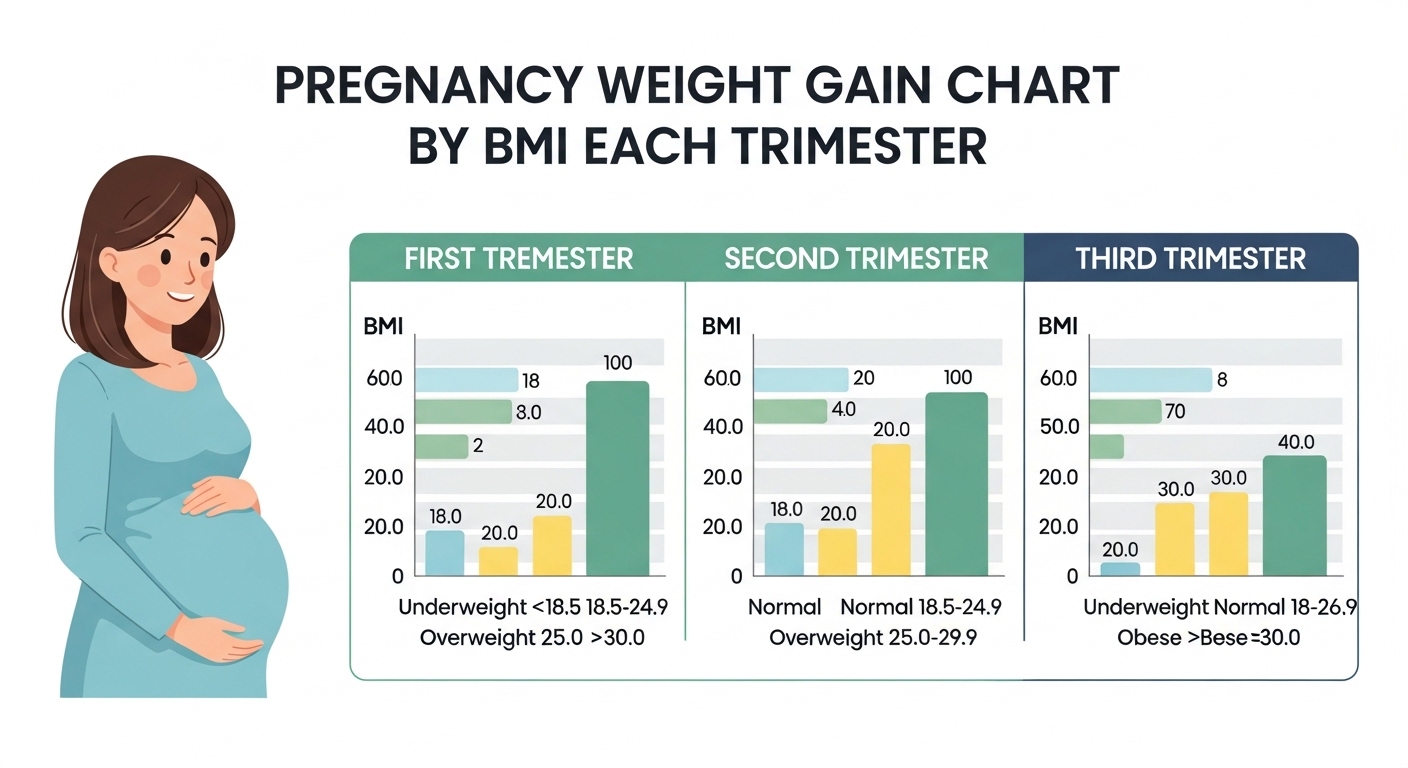
If you’re pregnant, increased hunger is completely normal and expected. Your body needs additional calories to support fetal development, typically an extra 300-500 calories per day during the second and third trimesters.
Understanding that hormonal hunger is real and biological can help you plan accordingly, such as having protein-rich snacks available during PMS or tracking your cycle to anticipate higher-hunger days.
When to See a Doctor?
While occasional hunger is normal, certain patterns warrant medical evaluation. See a healthcare provider if you experience:
- Extreme hunger with increased thirst and urination: Classic signs of diabetes
- Hunger with unexplained weight loss: May indicate hyperthyroidism, diabetes, or other conditions
- Sudden changes in appetite: Especially if accompanied by other new symptoms
- Hunger that persists despite eating adequate, balanced meals: Could signal hormonal imbalances
- Hunger accompanied by fatigue, mood changes, or feeling unwell: May indicate underlying medical conditions
- Insatiable hunger that interferes with daily life: Known as polyphagia, this needs evaluation
Your doctor may order blood tests to check blood glucose, thyroid function, and other markers. Keeping a food diary for a week before your appointment can provide helpful context for your healthcare provider.
Frequently Asked Questions
Why do I feel hungry all the time?
Constant hunger may be caused by not eating enough protein, fiber, or healthy fats; poor sleep; chronic stress; dehydration; or medical conditions like diabetes or thyroid problems. Your body uses hunger signals to communicate various needs, and the cause determines the solution. Start by evaluating your diet, sleep, and stress levels before investigating medical causes.
How can I stop constant hunger?
To reduce constant hunger, aim for 25-30 grams of protein per meal, get 7-9 hours of sleep, drink water before meals, eat slowly (take at least 20 minutes), include fiber-rich foods, manage stress, and limit refined carbs. If these changes don’t help, consult a healthcare provider to rule out medical conditions like diabetes or thyroid issues.
What illness causes frequent hunger?
Several medical conditions can cause increased hunger, including diabetes (especially uncontrolled), hyperthyroidism, hypoglycemia (low blood sugar), and certain medications. Less commonly, conditions affecting the hypothalamus or psychological conditions like atypical depression can increase appetite. If you have persistent unusual hunger along with other symptoms, see a doctor for evaluation.
Is being hungry every 3 hours normal?
Yes, feeling hungry every 3-4 hours is generally normal and healthy for most people. This pattern typically indicates your metabolism is working properly. However, if you feel extreme hunger within 1-2 hours of eating a balanced meal, or if hunger is accompanied by other symptoms, it may warrant investigation into your diet composition or potential medical causes.
What am I lacking if I’m always hungry?
Constant hunger often indicates deficiencies in protein, fiber, or healthy fats. These nutrients take longer to digest and help regulate hunger hormones. You may also be lacking adequate sleep, water, or could have a nutrient absorption issue. Evaluate whether you’re getting 25-30g protein per meal, 25-38g fiber daily, and 7-9 hours of sleep.
Does always hungry mean high metabolism?
Not necessarily. While a fast metabolism can increase hunger, constant hunger more often results from dietary factors (low protein, fiber, or fat), poor sleep, stress, or medical conditions. A truly high metabolism would typically show other signs like difficulty gaining weight despite eating large amounts. If you’re always hungry but not losing weight, metabolism probably isn’t the cause.
The Bottom Line
Constant hunger usually isn’t random. It’s your body communicating a specific need, whether that’s more protein, better sleep, or attention to a potential medical issue.
Start with the basics: ensure you’re getting 25-30 grams of protein per meal, 25-38 grams of fiber daily, adequate healthy fats, enough water, and 7-9 hours of sleep. These foundational changes resolve hunger issues for most people.
If dietary and lifestyle adjustments don’t help after a few weeks, or if your hunger is accompanied by other symptoms like excessive thirst, unexplained weight changes, or fatigue, see a healthcare provider. Conditions like diabetes and thyroid disorders are highly treatable once diagnosed.
Disclaimer: This content is for informational purposes only and does not constitute medical advice. Always consult a licensed healthcare provider before making changes to your diet or starting any treatment program, especially if you have existing health conditions or are taking medications.