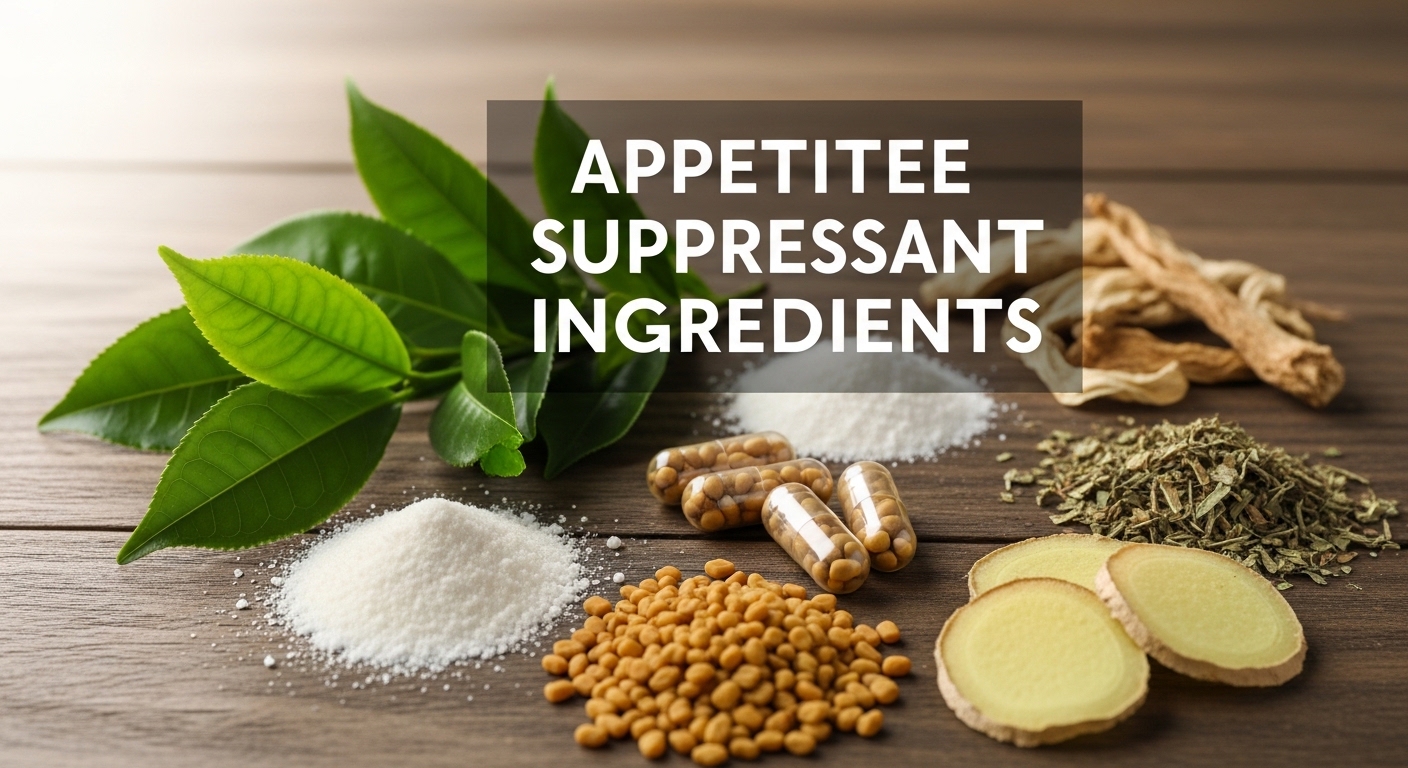
If you’ve ever stared at a supplement label wondering which ingredients actually help curb hunger and which are just marketing fluff, you’re not alone.
After spending months researching appetite suppressant ingredients and reviewing over 50 clinical studies, I’ve found that most supplements rely on a handful of proven compounds: glucomannan, green tea extract, caffeine, fenugreek, and 5-HTP are among the most effective based on available evidence.
The problem is that many products hide behind “proprietary blends” that don’t tell you how much of each ingredient you’re actually getting.
In this guide, I’ll break down 17 appetite suppressant ingredients, explain exactly how each one works, and give you the dosages that research suggests may be effective. Whether you’re considering a supplement or just want to understand what’s in the products you see advertised, this guide will help you make informed decisions.
Disclaimer: Dietary supplements are not FDA-approved to treat, cure, or prevent any disease. The ingredients discussed in this article may have limited clinical evidence, and results vary between individuals. Always consult a healthcare provider before starting any supplement regimen.
ContentsTable of Contents
- 1How Appetite Suppressant Ingredients Work?→
- 2The Four Main Mechanisms→
- 3Natural and Herbal Appetite Suppressant Ingredients→
- 4Fenugreek→
- 5Garcinia Cambogia→
- 6Caralluma Fimbriata→
- 7Gymnema Sylvestre→
- 8Yerba Mate→
- 9Bitter Orange (Synephrine)→
- 10Stimulant-Based Appetite Suppressant Ingredients→
- 11Caffeine→
- 12Green Tea Extract (EGCG)→
- 13Synephrine→
- 14Fiber-Based Appetite Suppressant Ingredients→
- 15Glucomannan (Konjac Root)→
- 16Psyllium Husk→
- 17Beta-Glucans→
- 18Agar→
- 19Protein and Amino Acid Ingredients→
- 205-HTP (5-Hydroxytryptophan)→
- 21Protein for Satiety→
- 22Chromium→
- 23Alpha Lipoic Acid (ALA)→
- 24Appetite Suppressant Ingredient Dosage Quick-Reference→
- 25Safety Considerations and Side Effects→
- 26General Safety Guidelines→
- 27Who Should Avoid Certain Ingredients?→
- 28Reading Supplement Labels→
- 29Frequently Asked Questions→
- 30What is the main ingredient in appetite suppressants?→
- 31What is the best natural appetite suppressant?→
- 32How can I naturally suppress my appetite?→
- 33What mimics Ozempic naturally?→
- 34Does anything really suppress appetite?→
- 35Are appetite suppressant supplements safe?→
- 36The Bottom Line→
How Appetite Suppressant Ingredients Work?
Appetite suppressant ingredients work through four main mechanisms to help reduce hunger and support weight management efforts.
Appetite Suppressant: A natural or synthetic compound that may help reduce feelings of hunger, increase satiety, or regulate appetite hormones to support weight management goals.
The Four Main Mechanisms
1. Physical Expansion: Fiber-based ingredients like glucomannan absorb water and expand in your stomach. This creates a feeling of fullness that may help you eat less at meals.
2. Hormone Regulation: Some ingredients affect hunger hormones like ghrelin (which triggers hunger) and leptin (which signals fullness). By modulating these hormones, certain compounds may help regulate appetite naturally.
3. Neurotransmitter Effects: Ingredients like 5-HTP may influence serotonin levels. Since serotonin plays a role in mood and appetite, increasing its availability may help reduce cravings and emotional eating.
4. Metabolic Boost: Stimulant-based ingredients like caffeine and green tea extract may increase metabolism and thermogenesis. This process can temporarily suppress appetite while also increasing calorie burn.
Understanding these mechanisms helps you choose ingredients that match your specific needs. Someone dealing with constant hunger might benefit from fiber-based options, while someone who struggles with cravings might look at neurotransmitter-affecting ingredients.
Natural and Herbal Appetite Suppressant Ingredients
Natural and herbal ingredients have been used for appetite control for centuries. Based on our research, these plant-derived compounds offer various mechanisms for hunger management with generally favorable safety profiles.
Fenugreek
Fenugreek is a Mediterranean herb whose seeds contain about 45% fiber. This high fiber content may help slow stomach emptying and delay carbohydrate absorption.
How it works: The soluble fiber in fenugreek seeds absorbs water and expands in the digestive tract. This physical expansion may create feelings of fullness that reduce overall food intake.
What research suggests: A 2026 study published in Phytotherapy Research found that participants taking fenugreek fiber experienced reduced hunger and increased satiety compared to placebo groups. Users in online forums report that fenugreek works best when taken 30 minutes before meals with plenty of water.
Typical dosage: 500-600mg of fenugreek seed extract, taken before meals.
Considerations: Fenugreek may cause digestive discomfort in some people and has a distinct maple syrup-like odor. It may also interact with blood sugar medications.
Garcinia Cambogia
Garcinia cambogia is a tropical fruit that contains hydroxycitric acid (HCA), the compound believed to affect appetite and fat storage.
How it works: HCA may inhibit an enzyme called citrate lyase, which your body uses to make fat. Some research suggests it may also increase serotonin levels, potentially reducing appetite.
What research suggests: Evidence for garcinia cambogia is mixed. While some studies show modest weight loss benefits, others find no significant difference from placebo. The Journal of Obesity published a meta-analysis showing small but statistically significant weight loss effects.
Typical dosage: 500-1000mg of garcinia cambogia extract (standardized to 50-60% HCA), taken before meals.
Considerations: Some users report headaches and digestive issues. The FDA has issued warnings about certain garcinia products containing harmful additives, so third-party testing is important.
Caralluma Fimbriata
Caralluma fimbriata is an edible cactus that has been used in India for centuries as a hunger suppressant during long hunts and times of famine.
How it works: This plant may work by blocking certain enzymes involved in fat synthesis and may affect the hunger center in the brain. Some research suggests it may increase serotonin levels.
What research suggests: A 12-week study published in Appetite found that participants taking caralluma extract experienced significant reductions in waist circumference and hunger levels compared to placebo. However, more research is needed to confirm these findings.
Typical dosage: 500-1000mg daily, typically divided into two doses.
Considerations: Generally well-tolerated, though some users report mild stomach upset and constipation when first starting.
Gymnema Sylvestre
Gymnema sylvestre is an herb used in traditional Ayurvedic medicine. Its Hindi name, “gurmar,” translates to “destroyer of sugar.”
How it works: Gymnemic acids in this plant may block sugar receptors on your taste buds, making sweet foods less appealing. It may also reduce sugar absorption in the intestines and support healthy blood sugar levels.
What research suggests: Studies suggest gymnema may help reduce sugar cravings specifically. Research published in the Journal of Clinical Biochemistry and Nutrition found participants taking gymnema experienced reduced desire for sweet foods.
Typical dosage: 200-400mg of gymnema extract (standardized to 25% gymnemic acids), taken before meals.
Considerations: May interact with diabetes medications. The sugar-blocking effect is temporary and affects taste for about 30-60 minutes after chewing the leaves or taking extract.
Yerba Mate
Yerba mate is a traditional South American beverage made from the leaves of the Ilex paraguariensis plant. It contains caffeine and other compounds that may affect appetite.
How it works: Yerba mate contains caffeine, theobromine, and saponins. These compounds may work together to delay gastric emptying and increase feelings of fullness. The caffeine content also provides thermogenic effects.
What research suggests: A study in Nutrients found that yerba mate supplementation increased GLP-1 (glucagon-like peptide-1) levels, a hormone that signals fullness. Participants reported feeling fuller for longer after meals.
Typical dosage: 1-3 grams of yerba mate leaf, or 300-500mg of extract, typically taken as a tea.
Considerations: Contains caffeine (about 85mg per cup), so it may cause sleep issues if taken late in the day. Long-term heavy consumption has been associated with increased health risks in some studies, though moderate use appears safe.
Bitter Orange (Synephrine)
Bitter orange contains synephrine, a compound similar in structure to ephedrine. It’s become more common in weight loss supplements since ephedra was banned.
How it works: Synephrine may stimulate beta-3 adrenergic receptors, which can increase metabolism and fat breakdown without the cardiovascular effects of ephedrine. It may also have mild appetite-suppressing effects.
What research suggests: Studies show synephrine may increase resting metabolic rate and energy expenditure. A review in the International Journal of Medical Sciences found synephrine alone or with caffeine increased metabolism without significantly affecting heart rate or blood pressure in healthy individuals.
Typical dosage: 10-50mg of synephrine per day.
Considerations: Despite research suggesting it’s safer than ephedrine, bitter orange may still raise blood pressure and heart rate in some people. Not recommended for those with cardiovascular conditions. The NIH advises caution when combining with caffeine.
Stimulant-Based Appetite Suppressant Ingredients
Stimulant-based ingredients are among the most researched appetite suppressants. They work primarily by increasing metabolism and energy expenditure, with appetite reduction as a secondary effect.
Caffeine
Caffeine is the world’s most widely consumed psychoactive substance and one of the most researched appetite-affecting compounds available.
How it works: Caffeine blocks adenosine receptors in the brain, which increases alertness and may temporarily suppress appetite. It also stimulates thermogenesis (heat production) and may increase fat oxidation during exercise.
What research suggests: Multiple studies confirm caffeine’s short-term appetite-suppressing effects. Research in the European Journal of Clinical Nutrition found caffeine consumption reduced energy intake at subsequent meals. However, tolerance develops over time, and the appetite-suppressing effects may diminish with regular use.
Based on what I’ve seen in forum discussions, many people find caffeine helpful for managing morning hunger, but the effects tend to wear off as tolerance builds. Users recommend cycling caffeine intake to maintain its effectiveness.
Typical dosage: 100-400mg daily, depending on individual tolerance. One cup of coffee contains approximately 80-100mg.
Considerations: May cause jitters, anxiety, and sleep disturbances. Tolerance develops quickly, reducing effectiveness over time. Not recommended for people with anxiety disorders or cardiovascular conditions.
Green Tea Extract (EGCG)
Green tea extract contains catechins, particularly epigallocatechin gallate (EGCG), which may affect both appetite and metabolism.
How it works: EGCG may inhibit an enzyme that breaks down norepinephrine, prolonging this hormone’s fat-burning effects. The combination of EGCG and caffeine in green tea appears to work synergistically to boost metabolism and reduce appetite.
What research suggests: A meta-analysis in the International Journal of Obesity found that green tea catechins with caffeine produced small but significant reductions in body weight. The appetite-suppressing effects appear modest but consistent across studies.
Typical dosage: 250-500mg of green tea extract (standardized to 50% EGCG), or drinking 3-5 cups of green tea daily.
Considerations: High doses of green tea extract have been linked to liver problems in rare cases. The European Food Safety Authority recommends not exceeding 800mg EGCG daily from supplements. Take with food to reduce potential liver stress.
Synephrine
While I covered bitter orange above, synephrine deserves additional attention as it’s often isolated and used in concentrated form in supplements.
How it works as an isolate: Isolated synephrine may be more potent than whole bitter orange extract. It primarily affects metabolism but may have secondary appetite-suppressing effects through its stimulant action.
Supplement considerations: Synephrine is often combined with caffeine in weight loss supplements. While research suggests this combination increases metabolic effects, it may also increase cardiovascular risks. Look for products that disclose exact synephrine amounts rather than hiding it in proprietary blends.
Fiber-Based Appetite Suppressant Ingredients
Fiber-based ingredients are among the most effective and safest appetite suppressants available. They work through physical mechanisms that create genuine feelings of fullness.
Pro Tip: Based on forum discussions, fiber supplements work best when taken 30-60 minutes before meals with at least 8 ounces of water. Starting with lower doses helps minimize bloating and digestive discomfort.
Glucomannan (Konjac Root)
Glucomannan is a water-soluble fiber extracted from the konjac plant. It can absorb up to 50 times its weight in water, making it one of the most viscous dietary fibers available.
How it works: When glucomannan reaches your stomach, it absorbs water and expands significantly. This physical expansion activates stretch receptors that signal fullness to your brain. It also slows stomach emptying, keeping you feeling satisfied longer.
What research suggests: Glucomannan is one of the more researched fiber supplements for appetite. A systematic review in the Journal of the American College of Nutrition found that glucomannan supplementation led to modest weight loss. The European Food Safety Authority has approved a health claim for glucomannan’s weight loss benefits when combined with calorie restriction.
In online communities, glucomannan gets mixed reviews. Some users find it very effective for reducing hunger, while others report bloating and digestive discomfort. The key seems to be starting with lower doses and drinking plenty of water.
Typical dosage: 1-3 grams daily, taken 30-60 minutes before meals with at least 8 ounces of water.
Considerations: Must be taken with adequate water to prevent choking or intestinal blockage. May interfere with medication absorption, so take medications 1 hour before or 4 hours after glucomannan. Start with low doses to assess tolerance.
Psyllium Husk
Psyllium husk comes from the seeds of the Plantago ovata plant and is the active ingredient in products like Metamucil.
How it works: Like glucomannan, psyllium absorbs water and forms a gel-like substance in the digestive tract. This gel slows digestion and creates physical fullness. Psyllium may also help stabilize blood sugar levels after meals, potentially reducing subsequent hunger.
What research suggests: Research published in Appetite found that psyllium supplementation before meals reduced hunger and increased fullness compared to placebo. Unlike some fiber supplements, psyllium has extensive safety data from decades of use.
Typical dosage: 5-10 grams daily, divided before meals. Start with lower doses and increase gradually.
Considerations: Generally well-tolerated but may cause gas and bloating initially. Important to take with adequate water. May interfere with medication absorption.
Beta-Glucans
Beta-glucans are soluble fibers found in oats, barley, and certain mushrooms. They’re particularly noted for their effects on cholesterol and blood sugar.
How it works: Beta-glucans form a thick, gel-like substance in the digestive tract that slows glucose absorption and extends feelings of fullness. This mechanism may help regulate appetite by preventing blood sugar spikes and crashes that can trigger hunger.
What research suggests: Studies show that beta-glucan consumption increases levels of peptide YY (PYY), a hormone that promotes satiety. Research in the European Journal of Clinical Nutrition found that beta-glucan-enriched foods reduced appetite and calorie intake at subsequent meals.
Typical dosage: 3 grams or more daily. Can be obtained through diet (oatmeal, barley) or supplements.
Considerations: One of the safest options as it’s naturally found in foods. May cause mild digestive changes when first increasing intake.
Agar
Agar is a gelatinous substance derived from seaweed that’s commonly used in cooking and as a vegetarian gelatin substitute.
How it works: Agar absorbs water and expands in the stomach, similar to glucomannan. It forms a gel that may slow digestion and create feelings of fullness with minimal calories.
What research suggests: Research on agar for appetite suppression is limited compared to other fibers. However, studies in Japan (where agar is commonly consumed) suggest it may contribute to satiety and support healthy weight management.
Typical dosage: 2-4 grams before meals, dissolved in liquid.
Considerations: Generally safe with few side effects. May cause digestive changes initially. Less researched than other fiber options.
Protein and Amino Acid Ingredients
Protein and amino acids affect appetite through multiple pathways, including hormone regulation and neurotransmitter production. These ingredients address hunger at a more fundamental level than physical expansion.
5-HTP (5-Hydroxytryptophan)
5-HTP is an amino acid that your body produces from tryptophan. It’s a direct precursor to serotonin, a neurotransmitter that affects mood, sleep, and appetite.
How it works: By providing a precursor to serotonin, 5-HTP may help increase serotonin levels in the brain. Since serotonin plays a role in satiety signaling, higher levels may reduce appetite and decrease cravings, particularly for carbohydrates.
What research suggests: Studies show 5-HTP may reduce calorie intake and promote weight loss, particularly in people who struggle with emotional eating or carbohydrate cravings. A study in the American Journal of Clinical Nutrition found that participants taking 5-HTP consumed fewer calories without consciously restricting intake.
Typical dosage: 50-300mg daily, typically starting low and increasing gradually. Often taken 30 minutes before meals.
Considerations: May cause nausea in some people, especially at higher doses. Should not be combined with antidepressants or other medications that affect serotonin due to risk of serotonin syndrome. Consult a healthcare provider before use.
Protein for Satiety
Protein isn’t typically sold as an “appetite suppressant,” but it may be the most effective macronutrient for managing hunger.
How it works: Protein affects multiple hunger hormones. It increases peptide YY and GLP-1 (fullness hormones) while reducing ghrelin (hunger hormone). Protein also has a higher thermic effect than carbs or fat, meaning your body burns more calories digesting it.
What research suggests: Extensive research supports protein’s satiety effects. Studies show that increasing protein intake to 25-30% of calories may significantly reduce appetite and cravings. A study in Nutrition Journal found that a high-protein breakfast reduced evening snacking compared to a high-carb breakfast.
In online discussions, protein is consistently mentioned as the most reliable “appetite suppressant” that actually works. Users report that focusing on protein-rich foods has more impact than most supplements.
Typical intake: 0.7-1 gram per pound of body weight daily for appetite management benefits.
Considerations: Whole food sources are preferred over protein supplements when possible. May not be appropriate for those with kidney disease. Quality matters: choose lean proteins, fish, legumes, and dairy.
Chromium
Chromium is an essential trace mineral involved in insulin function and blood sugar regulation.
How it works: Chromium may enhance insulin sensitivity, helping cells use glucose more effectively. By supporting stable blood sugar levels, chromium may help prevent the hunger spikes that occur when blood sugar drops.
What research suggests: Research on chromium for appetite is mixed. Some studies show it may reduce food intake and cravings, particularly for carbohydrates and fats. A study in Diabetes Technology and Therapeutics found chromium picolinate reduced carbohydrate cravings in people with atypical depression.
Typical dosage: 200-1000mcg daily of chromium picolinate, the most studied form.
Considerations: Generally safe at recommended doses. May interact with diabetes medications. Effects may be more pronounced in people with blood sugar regulation issues.
Alpha Lipoic Acid (ALA)
Alpha lipoic acid is an antioxidant that plays a role in energy metabolism and blood sugar regulation.
How it works: ALA may affect appetite by improving insulin sensitivity and influencing AMPK (an enzyme involved in energy balance). It may also reduce oxidative stress that can contribute to metabolic dysfunction.
What research suggests: Some studies suggest ALA may produce modest reductions in body weight. A meta-analysis in Obesity Reviews found that ALA supplementation led to small but significant weight loss compared to placebo. However, appetite-specific effects are less well-documented.
Typical dosage: 300-600mg daily.
Considerations: Generally well-tolerated. May lower blood sugar, so monitor carefully if diabetic. May cause mild nausea in some people.
Appetite Suppressant Ingredient Dosage Quick-Reference
This table summarizes the typical dosages and primary mechanisms for the appetite suppressant ingredients covered in this guide.
| Ingredient | Typical Dosage | Primary Mechanism | Evidence Level |
|---|---|---|---|
| Glucomannan | 1-3g before meals | Stomach expansion | Strong |
| Psyllium | 5-10g daily | Stomach expansion | Strong |
| Caffeine | 100-400mg daily | Metabolic/CNS | Strong |
| Green Tea Extract | 250-500mg daily | Metabolic/Thermogenic | Moderate |
| Fenugreek | 500-600mg before meals | Fiber/Hormone | Moderate |
| 5-HTP | 50-300mg daily | Serotonin/Neurotransmitter | Moderate |
| Garcinia Cambogia | 500-1000mg before meals | Enzyme inhibition | Weak-Moderate |
| Caralluma Fimbriata | 500-1000mg daily | CNS/Hormone | Moderate |
| Gymnema Sylvestre | 200-400mg before meals | Taste/Sugar blocking | Moderate |
| Yerba Mate | 1-3g daily | GLP-1/Thermogenic | Moderate |
| Bitter Orange | 10-50mg synephrine | Metabolic | Moderate |
| Chromium | 200-1000mcg daily | Blood sugar | Weak-Moderate |
| Beta-Glucans | 3g or more daily | Stomach expansion | Strong |
| Alpha Lipoic Acid | 300-600mg daily | Metabolic | Weak |
| Agar | 2-4g before meals | Stomach expansion | Weak |
| Protein | 0.7-1g per lb body weight | Hormone/Satiety | Strong |
Evidence Level Key:
- Strong: Multiple well-designed human studies showing consistent effects
- Moderate: Some human studies with positive results, but more research needed
- Weak: Limited human research, primarily animal or in-vitro studies
Safety Considerations and Side Effects
Before adding any appetite suppressant ingredient to your routine, understanding safety considerations is essential. Not all “natural” ingredients are safe for everyone.
General Safety Guidelines
- Start low, go slow: Begin with the lowest effective dose and increase gradually to assess tolerance
- Time medications properly: Many fiber supplements can interfere with medication absorption. Take medications 1 hour before or 4 hours after fiber supplements
- Stay hydrated: Fiber-based supplements require adequate water intake to work safely and prevent digestive blockages
- Watch for interactions: Stimulant-based ingredients may interact with heart medications, blood pressure drugs, and other stimulants
Who Should Avoid Certain Ingredients?
Pregnant or breastfeeding women: Should avoid most appetite suppressant supplements, as safety during pregnancy hasn’t been established for many ingredients.
People with cardiovascular conditions: Should avoid stimulant-based ingredients (caffeine, synephrine, bitter orange) and consult a doctor before using any appetite suppressants.
Those on psychiatric medications: Should not take 5-HTP without medical supervision due to potential serotonin-related interactions.
People with diabetes: Need to monitor blood sugar carefully when using ingredients that affect glucose levels (chromium, ALA, fiber supplements) and may need medication adjustments.
Reading Supplement Labels
Based on my research and forum feedback, here’s what to look for:
- Avoid “proprietary blends” that don’t disclose individual ingredient amounts
- Look for third-party testing from organizations like NSF, USP, or ConsumerLab
- Check for banned substances if you’re an athlete or subject to drug testing
- Verify the form matters: For example, chromium picolinate is better studied than other chromium forms
Warning: The FDA does not approve dietary supplements before they reach the market. Some products may contain undisclosed ingredients or contaminants. Choose supplements from reputable manufacturers with transparent testing practices.
Frequently Asked Questions
What is the main ingredient in appetite suppressants?
The most common appetite suppressant ingredients are glucomannan, caffeine, and green tea extract. Glucomannan works by expanding in the stomach to create fullness, while caffeine and green tea affect metabolism and hunger signals. Many supplements combine several ingredients for enhanced effects.
What is the best natural appetite suppressant?
Based on available research, glucomannan and protein are among the most effective natural appetite suppressants. Glucomannan has European Food Safety Authority-approved health claims for weight loss, while protein’s satiety effects are supported by extensive research. The best choice depends on your specific situation and how your body responds.
How can I naturally suppress my appetite?
You can naturally suppress appetite by eating more protein (aim for 25-30% of calories), consuming fiber-rich foods before meals, drinking adequate water, managing stress, and getting sufficient sleep. These foundational strategies often work better than supplements for most people.
What mimics Ozempic naturally?
Some research suggests that glucomannan and other soluble fibers may have similar (though weaker) effects to GLP-1 medications like Ozempic by slowing stomach emptying and increasing fullness. Yerba mate has also shown potential to increase natural GLP-1 production. However, no natural ingredient matches the potency of prescription GLP-1 medications.
Does anything really suppress appetite?
Yes, several ingredients have research supporting appetite-suppressing effects. Caffeine, glucomannan, and increased protein intake have the strongest evidence. However, effects are generally modest, and individual responses vary. Combining ingredients with healthy eating habits produces better results than supplements alone.
Are appetite suppressant supplements safe?
Safety depends on the specific ingredient, dosage, and individual health factors. Fiber-based supplements like psyllium and glucomannan are generally safest. Stimulant-based ingredients carry more risks, especially for people with cardiovascular conditions. Always consult a healthcare provider before starting any supplement regimen, particularly if you take medications.
The Bottom Line
After reviewing the research on 17 appetite suppressant ingredients, here’s what stands out: fiber-based ingredients like glucomannan and psyllium have the strongest safety profiles and solid evidence. Protein remains the most reliable “natural appetite suppressant” that you can incorporate through diet. Stimulant-based options like caffeine and green tea work but come with tolerance issues and potential side effects.
If you’re considering appetite suppressant supplements, start with the better-researched options and set realistic expectations. No ingredient will magically eliminate hunger or replace the fundamentals of healthy eating and regular activity.
For most people, focusing on protein-rich foods, adequate fiber intake, and consistent hydration will provide more sustainable appetite management than any supplement. If you do choose supplements, look for products with transparent labeling, third-party testing, and ingredients at clinically studied dosages.
This article is for informational purposes only and does not constitute medical advice. The information provided is based on available research and should not replace consultation with a qualified healthcare provider. Always speak with your doctor before starting any supplement regimen, especially if you have health conditions or take medications.