Starting semaglutide can feel like navigating a dietary minefield. I remember the first time a reader reached out after eating a greasy burger on Ozempic and spending the rest of the evening feeling miserable.
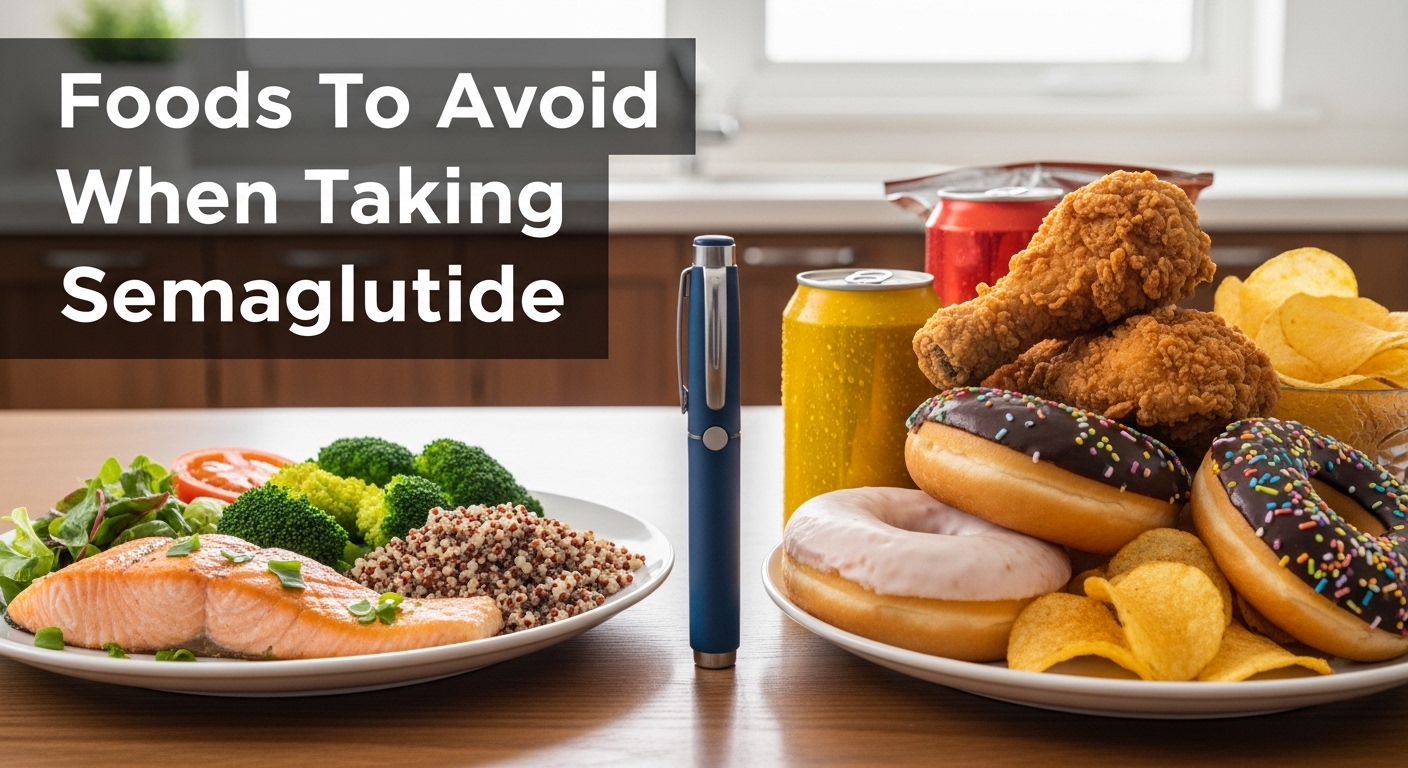
Foods to avoid when taking semaglutide include fried and high-fat foods, sugary foods and drinks, refined carbohydrates, alcohol, and spicy foods. These foods can worsen gastrointestinal side effects like nausea and bloating while counteracting the medication’s benefits.
In this guide, I’ll walk you through exactly which foods to skip, what to eat instead, and practical tips based on both clinical research and real experiences from people taking semaglutide in 2026.
ContentsTable of Contents
- 1How Semaglutide Affects Your Digestion?→
- 2Foods to Avoid When Taking Semaglutide→
- 31. Fried and High-Fat Foods→
- 42. Sugary Foods and Drinks→
- 53. Refined Carbohydrates→
- 64. Alcohol→
- 75. Spicy and Acidic Foods→
- 86. Starchy Vegetables→
- 9Best Foods to Eat on Semaglutide→
- 10Lean Proteins→
- 11Low-Glycemic Vegetables→
- 12Fiber-Rich Foods→
- 13Low-Fat Dairy→
- 14Quick Reference: Foods to Avoid vs Foods to Eat→
- 15Tips for Managing Your Diet on Semaglutide→
- 16Eat Smaller, More Frequent Meals→
- 17Prioritize Hydration→
- 18Eat Slowly and Mindfully→
- 19Plan for Social Situations→
- 20What to Do If You Eat a Trigger Food?→
- 21Frequently Asked Questions→
- 22Can I drink coffee while taking semaglutide?→
- 23Can I drink alcohol while taking semaglutide?→
- 24Can I eat cheese on semaglutide?→
- 25What happens if I eat fried food on semaglutide?→
- 26What is the best diet while taking semaglutide?→
- 27How do I avoid nausea on semaglutide?→
- 28How long do food-related side effects last on semaglutide?→
- 29The Bottom Line→
How Semaglutide Affects Your Digestion?
Semaglutide is a GLP-1 receptor agonist that mimics a natural hormone in your body. Understanding how it works helps explain why certain foods become problematic.
Gastric Emptying: The process of food moving from your stomach to your small intestine. Semaglutide significantly slows this process.
When you take semaglutide, food stays in your stomach much longer than usual. This delayed gastric emptying is actually part of how the medication helps with weight loss and blood sugar control.
The problem? Foods that already take a long time to digest, like fatty or fried foods, can sit in your stomach for hours. This leads to that uncomfortable fullness, nausea, and bloating that many users report.
Your body is also more sensitive to blood sugar fluctuations on semaglutide. High-glycemic foods that spike blood sugar can counteract the medication’s benefits and trigger additional side effects.
Foods to Avoid When Taking Semaglutide
Based on clinical research and user experiences, these are the main food categories to limit or avoid while on semaglutide:
- Fried and greasy foods (french fries, fried chicken, pizza)
- Sugary foods and drinks (soda, candy, pastries, juice)
- Refined carbohydrates (white bread, white rice, crackers)
- Alcohol (beer, wine, liquor)
- Spicy and acidic foods (hot sauce, citrus, tomato sauce)
- High-fat dairy (ice cream, butter, cream)
- Fatty cuts of meat (bacon, sausage, ribs)
1. Fried and High-Fat Foods
Fried foods are the number one culprit for GI distress on semaglutide. Research suggests that high-fat meals take significantly longer to digest, and when combined with semaglutide’s slowed gastric emptying, the discomfort can be intense.
Foods to avoid:
- French fries and onion rings
- Fried chicken or fish
- Pizza with extra cheese
- Cheeseburgers
- Donuts and fried pastries
- Chips and other fried snacks
Many semaglutide users report that even looking at fried food makes them feel queasy. This natural food aversion is actually your body protecting itself from foods it can no longer process comfortably.
2. Sugary Foods and Drinks
Semaglutide helps regulate blood sugar levels. Consuming high-sugar foods can counteract this benefit and cause blood sugar spikes followed by crashes, which may worsen side effects.
Foods to avoid:
- Soda and sweetened beverages
- Candy and chocolate bars
- Cakes, cookies, and pastries
- Fruit juices (even 100% juice)
- Ice cream and frozen desserts
- Sweetened cereals
- Energy drinks
The rapid blood sugar fluctuations from sugary foods may increase feelings of nausea and can interfere with the weight loss benefits you’re seeking from semaglutide.
3. Refined Carbohydrates
Refined carbs act similarly to sugar in your body. They’re quickly converted to glucose, causing blood sugar spikes that work against semaglutide’s mechanism.
Foods to avoid:
- White bread and bagels
- White rice and instant rice
- Regular pasta
- Crackers and pretzels
- Most packaged snack foods
- Instant noodles
These foods also lack fiber, which means they provide little nutritional value while potentially triggering digestive discomfort.
4. Alcohol
Alcohol and semaglutide are a problematic combination for several reasons. Research indicates that alcohol can irritate the stomach lining, worsen nausea, and cause dangerous blood sugar fluctuations.
Why alcohol is particularly risky:
- Increased risk of hypoglycemia (low blood sugar)
- Stomach irritation that worsens GI side effects
- Reduced inhibitions leading to poor food choices
- Many users report alcohol tolerance decreases significantly
If you do choose to drink, many healthcare providers suggest limiting intake and never drinking on an empty stomach. However, complete avoidance is the safest approach, especially in the first few months.
5. Spicy and Acidic Foods
Spicy foods can irritate an already sensitive digestive system, while acidic foods may worsen acid reflux symptoms that some semaglutide users experience.
Foods to limit:
- Hot sauce and chili peppers
- Heavily spiced dishes
- Citrus fruits (oranges, lemons, grapefruit)
- Tomato-based sauces
- Vinegar-based dressings
- Coffee (for some individuals)
Some people tolerate mild spices better than others. You may need to experiment to find your personal tolerance level.
6. Starchy Vegetables
While vegetables are generally encouraged, some starchy varieties can cause digestive issues similar to refined carbs.
Vegetables to moderate:
- Potatoes (especially white potatoes)
- Corn
- Parsnips
- Rutabaga
- Butternut squash (in large portions)
These foods aren’t completely off-limits, but portion control is important. A small serving may be tolerated better than a large portion.
Best Foods to Eat on Semaglutide
The best diet while taking semaglutide focuses on lean proteins, fiber-rich foods, low-glycemic vegetables, and whole grains. These foods support weight loss, stabilize blood sugar, and minimize side effects.
Lean Proteins
Protein is especially important on semaglutide to help maintain muscle mass during weight loss. Research suggests aiming for 1.2 to 1.5 grams of protein per kilogram of body weight daily.
Best protein choices:
- Chicken breast (skinless)
- Turkey
- Fish (salmon, cod, tilapia)
- Eggs and egg whites
- Tofu and tempeh
- Beans and lentils
- Greek yogurt (low-fat)
- Cottage cheese (low-fat)
Prioritize protein at every meal. Many users find that protein-rich foods are easier to digest and keep them feeling satisfied longer.
Low-Glycemic Vegetables
Non-starchy vegetables provide fiber, vitamins, and minerals with minimal impact on blood sugar.
Best vegetable choices:
- Leafy greens (spinach, kale, arugula)
- Broccoli and cauliflower
- Zucchini and summer squash
- Cucumbers
- Bell peppers
- Asparagus
- Green beans
- Mushrooms
These vegetables are typically well-tolerated and provide important nutrients while keeping calorie intake low.
Fiber-Rich Foods
Fiber supports healthy digestion and may help with constipation, a common side effect of semaglutide. Prebiotic fibers also support gut health.
Good fiber sources:
- Legumes (lentils, chickpeas, black beans)
- Whole grains (quinoa, brown rice, oats)
- Chia seeds and flaxseeds
- Berries
- Apples (with skin)
Increase fiber intake gradually to avoid additional bloating. Drinking plenty of water alongside fiber-rich foods is essential.
Low-Fat Dairy
Yes, you can eat dairy on semaglutide, but opting for low-fat versions helps avoid the digestive issues that come with high-fat foods.
Good dairy choices:
- Greek yogurt (non-fat or low-fat)
- Cottage cheese (low-fat)
- Low-fat milk
- Part-skim mozzarella
Quick Reference: Foods to Avoid vs Foods to Eat
| Category | Avoid | Choose Instead |
|---|---|---|
| Proteins | Bacon, sausage, fried chicken, fatty steaks | Chicken breast, fish, turkey, tofu, eggs |
| Carbs | White bread, white rice, pasta, crackers | Quinoa, brown rice, oats, whole grain bread |
| Vegetables | Large portions of potatoes, corn | Leafy greens, broccoli, zucchini, peppers |
| Dairy | Ice cream, heavy cream, full-fat cheese | Greek yogurt, cottage cheese, low-fat milk |
| Drinks | Soda, juice, alcohol, energy drinks | Water, herbal tea, sparkling water |
| Snacks | Chips, candy, cookies, donuts | Nuts (small portion), berries, vegetables |
Tips for Managing Your Diet on Semaglutide
After talking with dozens of semaglutide users and reviewing the research, here are the practical strategies that work best:
Eat Smaller, More Frequent Meals
Large meals are a recipe for discomfort on semaglutide. Your stomach simply can’t handle the same portions as before.
- Aim for 4-5 small meals instead of 3 large ones
- Stop eating when you feel satisfied, not full
- Use smaller plates to naturally reduce portions
Prioritize Hydration
Many semaglutide side effects, including constipation and nausea, improve with proper hydration.
- Aim for at least 64 ounces of water daily
- Sip water throughout the day rather than large amounts at once
- Herbal teas count toward your fluid intake
- Limit caffeine if it worsens symptoms
Eat Slowly and Mindfully
Rushing through meals can lead to overeating before your body registers fullness.
- Put your fork down between bites
- Chew thoroughly before swallowing
- Take at least 20 minutes per meal
Plan for Social Situations
Eating out and social events can be challenging on semaglutide. Here’s what works:
- Look at menus ahead of time and choose protein-forward options
- Ask for sauces and dressings on the side
- Share entrees or take half home
- Don’t feel pressured to drink alcohol
What to Do If You Eat a Trigger Food?
It happens to everyone. You eat something that doesn’t agree with you, and now you’re paying the price. Here’s how to manage:
Immediate relief tips:
- Stop eating immediately when symptoms start
- Sip small amounts of cold water or ginger tea
- Avoid lying down flat; sit upright or recline slightly
- Take a gentle walk if nausea is mild
- Wait for symptoms to pass before eating again
Symptoms usually resolve within a few hours. If nausea is severe or vomiting persists, contact your healthcare provider.
Use these experiences as learning opportunities. Keep a food journal to track which specific foods trigger your symptoms so you can avoid them in the future.
Frequently Asked Questions
Can I drink coffee while taking semaglutide?
Yes, you can generally drink coffee on semaglutide. There are no direct medication interactions. However, if you experience diarrhea or acid reflux, you may want to limit caffeine as it can worsen these symptoms. Many users continue their coffee habit without issues.
Can I drink alcohol while taking semaglutide?
It’s best to limit or avoid alcohol while on semaglutide. Alcohol can irritate the stomach, worsen nausea, and cause blood sugar fluctuations that may increase hypoglycemia risk. Many users report their alcohol tolerance decreases significantly on the medication.
Can I eat cheese on semaglutide?
Yes, but choose low-fat options. Greek yogurt, cottage cheese, and part-skim mozzarella are good choices. Full-fat cheeses may cause digestive discomfort due to their high fat content. Start with small portions to test your tolerance.
What happens if I eat fried food on semaglutide?
Eating fried food on semaglutide often leads to significant nausea, bloating, and stomach discomfort. Because semaglutide slows gastric emptying, high-fat fried foods can sit in your stomach for extended periods, causing hours of discomfort.
What is the best diet while taking semaglutide?
The best diet focuses on lean proteins (chicken, fish, tofu), low-glycemic vegetables (leafy greens, broccoli), fiber-rich foods (legumes, whole grains), and low-fat dairy. Eat smaller, more frequent meals and prioritize protein to maintain muscle mass during weight loss.
How do I avoid nausea on semaglutide?
To minimize nausea, eat smaller meals, avoid fatty and fried foods, stay hydrated, and eat slowly. Starting at a lower dose and gradually increasing can also help. Ginger tea and cold beverages may provide relief when nausea occurs.
How long do food-related side effects last on semaglutide?
Most users report that food-related side effects improve significantly after 4-8 weeks as the body adjusts to the medication. However, trigger foods like fried items and alcohol may continue to cause issues throughout treatment.
The Bottom Line
Managing your diet on semaglutide doesn’t have to be complicated. The key is avoiding foods that worsen gastrointestinal side effects while choosing nutrient-dense options that support your weight loss goals.
Focus on lean proteins, vegetables, and whole grains. Avoid fried foods, sugary drinks, refined carbs, and alcohol. Eat smaller portions, stay hydrated, and listen to your body.
Most importantly, remember that food intolerances typically improve over the first few weeks as your body adjusts to the medication. Keep a food journal, learn your personal triggers, and work with your healthcare provider to optimize your results.
This article is for informational purposes only and does not constitute medical advice. Always consult your healthcare provider before making changes to your diet or medication regimen. Individual responses to semaglutide vary, and your provider can offer personalized guidance based on your specific health needs.