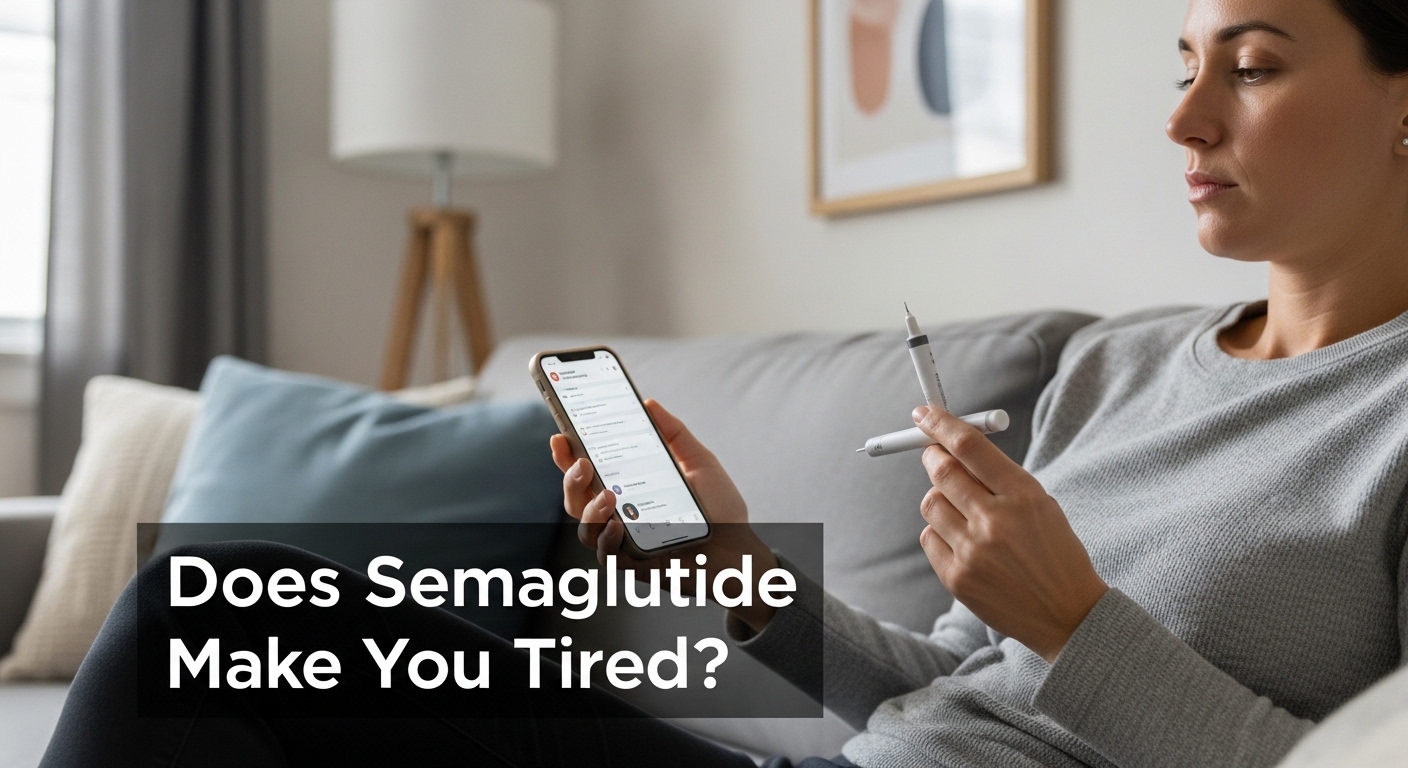
If you started semaglutide and suddenly feel like you need a nap every afternoon, you are not alone. This is one of the most common concerns I hear from people starting GLP-1 medications for weight loss.
Yes, semaglutide can make you tired. Clinical trials show fatigue affects up to 11% of Wegovy users, though this side effect is typically temporary and improves within 1-4 weeks as your body adjusts to the medication.
After researching clinical data and reading hundreds of user experiences, I can tell you the good news: semaglutide fatigue usually resolves on its own. This guide covers why it happens, how long it lasts, and practical strategies to boost your energy while taking Ozempic, Wegovy, or Rybelsus.
Key Takeaways:
- Fatigue is a documented side effect in clinical trials (11% for Wegovy, less than 0.5% for Ozempic)
- Most tiredness resolves within 1-4 weeks of starting or increasing dose
- Causes include reduced calorie intake, blood sugar changes, and dehydration
- Simple strategies like staying hydrated and eating enough protein can help significantly
ContentsTable of Contents
- 1Can Semaglutide Make You Tired?→
- 2Why Does Semaglutide Cause Fatigue?→
- 31. Reduced Calorie Intake→
- 42. Blood Sugar Fluctuations→
- 53. Dehydration from GI Side Effects→
- 64. Metabolic Changes and Adaptation→
- 75. Sleep Pattern Disruptions→
- 86. Compounding Factors→
- 9How Long Does Semaglutide Fatigue Last?→
- 10How to Combat Semaglutide Fatigue: 6 Tips→
- 111. Stay Hydrated→
- 122. Eat Enough Protein and Calories→
- 133. Prioritize Quality Sleep→
- 144. Engage in Light Exercise→
- 155. Consider Injection Timing→
- 166. Talk to Your Provider About Dose Adjustments→
- 17When to See a Doctor About Fatigue?→
- 18Getting Support for Managing Side Effects→
- 19Ro Body Program→
- 20Pros→
- 21Cons→
- 22Midi Health→
- 23Pros→
- 24Cons→
- 25Frequently Asked Questions→
- 26How long does fatigue last on semaglutide?→
- 27Why am I so exhausted on Ozempic?→
- 28Does semaglutide decrease energy?→
- 29Can semaglutide cause extreme fatigue?→
- 30How to fight Ozempic fatigue?→
- 31Is it better to take semaglutide at night?→
- 32Does semaglutide fatigue go away?→
- 33At what point is fatigue concerning?→
- 34The Bottom Line→
Can Semaglutide Make You Tired?
Yes, semaglutide can cause fatigue and tiredness as a side effect. Clinical trial data confirms this, though the rates vary depending on which semaglutide medication you take.
According to FDA prescribing information, fatigue rates differ by brand:
| Semaglutide Brand | Fatigue Rate in Clinical Trials | Primary Use |
|---|---|---|
| Wegovy | 11% | Weight loss |
| Ozempic | Less than 0.5% | Type 2 diabetes (weight loss off-label) |
| Rybelsus | Less than 1% | Type 2 diabetes (oral form) |
The higher fatigue rate in Wegovy trials may relate to the higher doses used for weight loss compared to diabetes treatment. Research suggests the tiredness is typically most noticeable when first starting the medication or after a dose increase.
Based on our research, fatigue from semaglutide tends to be temporary for most users. Your body needs time to adapt to the metabolic changes the medication creates.
Why Does Semaglutide Cause Fatigue?
Understanding why semaglutide makes you tired can help you address the root causes. Several factors contribute to fatigue while taking this GLP-1 receptor agonist.
1. Reduced Calorie Intake
Semaglutide works by suppressing appetite and slowing digestion, which means you naturally eat less. When your body suddenly receives fewer calories, energy levels may drop until it adapts to using stored fat for fuel.
Many users on Reddit report realizing their fatigue was from not eating enough rather than the medication itself. One user noted feeling dramatically better after ensuring they ate at least 1,200 calories daily with adequate protein.
2. Blood Sugar Fluctuations
Semaglutide affects how your body regulates blood sugar by enhancing insulin release and reducing glucagon secretion. These changes can cause temporary dips in blood glucose that leave you feeling sluggish or tired.
This effect is usually more pronounced in the first few weeks as your body adjusts to the new metabolic patterns.
3. Dehydration from GI Side Effects
Gastrointestinal side effects like nausea, vomiting, and diarrhea are common with semaglutide, especially early in treatment. These can lead to fluid loss and dehydration, which directly causes fatigue.
Research suggests staying well-hydrated may help reduce both GI symptoms and tiredness.
4. Metabolic Changes and Adaptation
Your body undergoes significant metabolic shifts when starting semaglutide. As a GLP-1 receptor agonist, it affects multiple systems including digestion speed, appetite signaling, and energy metabolism.
This adaptation period requires energy itself, which may contribute to feelings of tiredness during the first weeks of treatment.
5. Sleep Pattern Disruptions
Some users report changes in sleep quality when starting semaglutide. Eating less or eating at different times can affect sleep patterns, and some people experience vivid dreams or lighter sleep initially.
6. Compounding Factors
Fatigue may be worse if you combine semaglutide with other factors like:
- Intense exercise: Your body needs adequate fuel for workouts
- Other medications: Some drug interactions can increase tiredness
- Stress or poor sleep: These amplify fatigue from any source
- Hormonal changes: Women in perimenopause or menopause may experience more pronounced fatigue
Important: If you take semaglutide for type 2 diabetes alongside insulin or sulfonylureas, low blood sugar (hypoglycemia) can cause fatigue. Contact your healthcare provider if you experience symptoms like shakiness, confusion, or sweating along with tiredness.
How Long Does Semaglutide Fatigue Last?
Semaglutide fatigue typically lasts 1-4 weeks when starting the medication or increasing your dose. Clinical studies suggest most people feel their energy return to normal by 12 weeks of consistent use.
Here is what you can expect over time:
- Week 1-2: Fatigue may be most noticeable as your body begins adjusting
- Week 2-4: Many users report energy levels starting to improve
- Week 4-8: Most people feel significantly better as adaptation continues
- Week 12+: Fatigue typically resolves for the majority of users
Pro Tip: Fatigue may return temporarily each time your dose increases. Many users find scheduling dose increases for Friday allows them to rest over the weekend if needed.
Keep in mind that individual experiences vary. Some people never experience fatigue at all, while others find it persists longer. If tiredness continues beyond 12 weeks, it may be worth discussing with your healthcare provider.
How to Combat Semaglutide Fatigue: 6 Tips
Based on clinical recommendations and real user experiences, these strategies may help boost your energy while taking semaglutide.
1. Stay Hydrated
Dehydration worsens fatigue significantly. Aim for at least 64 ounces of water daily, and increase intake if you experience GI side effects like nausea or diarrhea.
Consider setting reminders to drink water throughout the day since appetite suppression can also reduce thirst signals.
2. Eat Enough Protein and Calories
Do not let appetite suppression lead to extreme calorie restriction. Research suggests eating at least 1,200-1,500 calories daily with emphasis on protein-rich foods.
Aim for 0.8-1 gram of protein per pound of your goal body weight. Good sources include:
- Lean meats and poultry
- Fish and seafood
- Greek yogurt and cottage cheese
- Eggs and egg whites
- Legumes and tofu
Many forum users report that increasing protein intake dramatically improved their energy levels within days.
3. Prioritize Quality Sleep
Sleep is when your body recovers and adapts to metabolic changes. Aim for 7-9 hours per night and maintain consistent sleep and wake times.
If semaglutide affects your sleep quality, try eating your last meal at least 3 hours before bed to reduce nighttime digestive activity.
4. Engage in Light Exercise
While it may seem counterintuitive when tired, light physical activity can actually boost energy levels. Start with 15-20 minute walks and gradually increase as you feel better.
Avoid intense workouts during the first few weeks if you are experiencing significant fatigue. Listen to your body and adjust accordingly.
5. Consider Injection Timing
Some users find that when they take their injection affects tiredness. If you experience fatigue primarily on injection day, try scheduling your shot in the evening so you can sleep through the initial effects.
Alternatively, taking your injection on a Friday allows for weekend recovery time.
6. Talk to Your Provider About Dose Adjustments
If fatigue significantly impacts your quality of life, your healthcare provider may recommend:
- Slower titration: Increasing doses more gradually
- Lower maintenance dose: Some patients do well on lower doses
- Microdosing: Some providers offer smaller, more frequent doses
Never adjust your dose without consulting your prescriber first.
When to See a Doctor About Fatigue?
While some tiredness is normal when starting semaglutide, certain symptoms warrant medical attention. Contact your healthcare provider if you experience:
- Severe fatigue that prevents normal daily activities
- Fatigue lasting beyond 12 weeks with no improvement
- Signs of hypoglycemia: shakiness, confusion, sweating, fast heartbeat
- Fatigue with mood changes: depression, anxiety, or persistent irritability
- Extreme weakness or difficulty staying awake
- Fatigue combined with severe nausea, vomiting, or inability to eat
Reassurance: For most people, semaglutide fatigue is temporary and manageable. If your tiredness feels extreme or persistent, your provider can help determine whether it is related to the medication, dosing, or another underlying factor.
Getting Support for Managing Side Effects
Working with a healthcare provider who specializes in GLP-1 medications can make a significant difference in managing side effects like fatigue. These providers understand dosing strategies and can offer personalized guidance.
If you are experiencing ongoing fatigue, telehealth programs that offer semaglutide treatment may provide support through:
- Dose adjustment consultations
- Slower titration schedules
- Educational resources on managing side effects
- Ongoing monitoring and check-ins
Full-service digital health clinic offering GLP-1 medications with insurance support.
The program includes provider consultations and educational resources on managing side effects like fatigue.
Pros
- Insurance concierge support
- Comprehensive side effect guidance
- PharmD-reviewed content
- Ongoing care and monitoring
Cons
- Medication cost not included in membership
- Brand-name medications can be expensive without insurance
This post contains affiliate links. If you purchase through them, we may earn a commission (at no extra cost to you).
Telehealth platform specializing in women's midlife health with personalized weight loss treatments.
Offers microdosing and slower titration options to minimize fatigue and other side effects.
Pros
- Microdosing options available
- Slower titration schedules
- Specialists in managing GLP-1 side effects
- Personalized treatment plans
Cons
- Focused on women's health specifically
- Compounded medications not FDA-approved
This post contains affiliate links. If you purchase through them, we may earn a commission (at no extra cost to you).
Disclaimer: Compounded medications are not FDA-approved and may not be available in all states.
Frequently Asked Questions
How long does fatigue last on semaglutide?
Semaglutide fatigue typically lasts 1-4 weeks when starting the medication or after dose increases. Most users find their energy levels return to normal by 12 weeks of consistent use as their body fully adapts to the medication.
Why am I so exhausted on Ozempic?
Exhaustion on Ozempic may result from reduced calorie intake, blood sugar fluctuations, dehydration from GI side effects, or your body adapting to the medication. Many users report that eating enough protein and staying hydrated significantly improves their energy levels.
Does semaglutide decrease energy?
Semaglutide can temporarily decrease energy levels, particularly during the first few weeks of treatment. This is related to metabolic changes, reduced food intake, and your body adjusting to the medication. Energy typically improves as your body adapts.
Can semaglutide cause extreme fatigue?
While moderate fatigue is common, extreme fatigue is less typical and may indicate you are not eating enough, are dehydrated, or have low blood sugar. If you experience severe tiredness that prevents normal activities, contact your healthcare provider.
How to fight Ozempic fatigue?
Combat Ozempic fatigue by staying well-hydrated, eating adequate protein and calories, prioritizing quality sleep, engaging in light exercise, and considering injection timing. If fatigue persists, talk to your provider about dose adjustments.
Is it better to take semaglutide at night?
Some users find taking semaglutide at night allows them to sleep through initial side effects like fatigue. However, timing does not affect the medication’s effectiveness. Choose a time that works best for your schedule and symptoms.
Does semaglutide fatigue go away?
Yes, semaglutide fatigue typically goes away for most users. Clinical data shows fatigue is usually temporary, with most people reporting improved energy within 4-12 weeks of consistent use. Fatigue may briefly return with dose increases.
At what point is fatigue concerning?
Fatigue is concerning if it persists beyond 12 weeks, prevents normal daily activities, is accompanied by symptoms of low blood sugar, or occurs alongside mood changes like depression. Contact your healthcare provider if you experience these warning signs.
The Bottom Line
Semaglutide can cause fatigue, but for most people, it is a temporary side effect that improves as your body adjusts to the medication. Clinical trials show fatigue affects approximately 11% of Wegovy users and less than 0.5% of Ozempic users.
The tiredness typically results from reduced calorie intake, blood sugar fluctuations, and metabolic adaptation. Simple strategies like staying hydrated, eating enough protein, and getting quality sleep can significantly improve energy levels.
Most users find their fatigue resolves within 1-4 weeks, with energy fully returning by 12 weeks of consistent use. If tiredness persists or significantly impacts your daily life, talk to your healthcare provider about adjusting your treatment plan.
Remember that weight loss medications work differently for everyone. The temporary discomfort of fatigue is often a worthwhile tradeoff for the long-term health benefits that semaglutide can provide when used as directed.
This review is for informational purposes only and does not constitute medical advice. Always consult a licensed healthcare provider before starting any weight-loss medication.