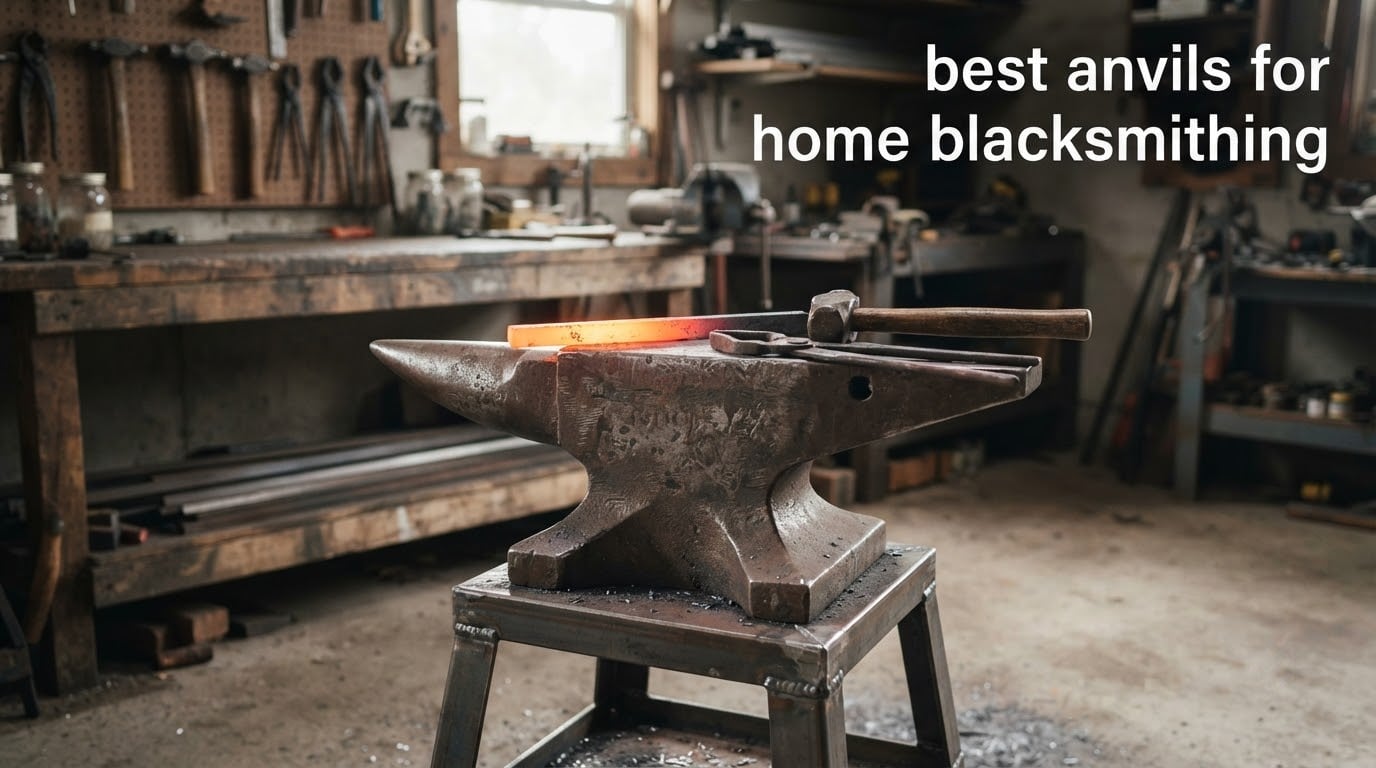
An anvil is the one tool a blacksmith cannot work around. The forge heats the steel, the tongs hold it, and the anvil is where every blow actually lands. Buy a light anvil shaped object and you will spend more time fighting rebound than shaping metal.
After six weeks of comparing ten anvils, checking faces against published specs and reading owner reports on rebound, I can tell you which of these hold up for real forging work. The spread here matters more than the model names. Four of these anvils are cast iron or soft steel blocks for cold work, six are built to take hot blows, and the rest of the differences come down to weight and holes.
This guide is written for the home smith working in a garage or small shop. We cover weight, material, face size, the hardy hole question, and how to test an anvil before you hand over money. Every figure quoted here comes from the manufacturer listing or from owner reviews, not from marketing copy. Updated for 2026.
ContentsTable of Contents
- 1Top 3 Picks for the Best Anvils for Home Blacksmithing→
- 2VEVOR 132 lb Cast Steel Anvil→
- 3VEVOR 86 lb Steel Anvil→
- 4NC Tool 70 lb Anvil with Cams→
- 5All 10 Anvils Compared at a Glance→
- 61. VEVOR 132 lb Cast Steel Anvil – Best Mass for Hot Forging→
- 7VEVOR Cast Steel Anvil, 132 Lbs/60kg Single Horn Anvil, High Hardness Rugged Round Horn Anvil Blacksmith, with Large Countertop and Stable Base, for Bending and Shaping→
- 8Pros→
- 9Cons→
- 10What to check before you order a 132 lb anvil→
- 11Where this anvil falls short→
- 122. VEVOR 86 lb Steel Anvil – Best All-Rounder for a Home Shop→
- 13VEVOR Single Horn Anvil 86Lbs Steel Anvil Blacksmith for Sale Forge Steel Tools and Equipment Anvil Rugged Blacksmith Jewelers Durable and Robust Metal Working Tool, Grey→
- 14Pros→
- 15Cons→
- 16Is 86 lbs enough for knife making→
- 17Where this anvil falls short→
- 183. NC Tool 70 lb Anvil with Turning Cams – Best for Bladesmithing→
- 19NC Tool 70 Lb. Anvil with Turning Cams→
- 20Pros→
- 21Cons→
- 22Why solid steel matters here→
- 23Where this anvil falls short→
- 244. Easmvetaln 132 lb Cast Steel Anvil – Best for Published Specs→
- 25Easmvetaln Cast Steel Anvil,132 Lbs(60kg) Single Horn Anvil,High Hardness Round Horn Anvil Blacksmith with Large Countertop and Stable Base,Metalsmith Tool for Bending and Shaping,Black→
- 26Pros→
- 27Cons→
- 28What the hardness number tells you→
- 29Where this anvil falls short→
- 305. HimaPro 55 lb Single Horn Anvil – Best for Jewelry and Metal Stamping→
- 31HimaPro Single Horn Anvil for Blacksmith Blue – Cast Iron Anvil- A Wonderful Tool for Blacksmithing and Metal Stamping (55 LBS)→
- 32Pros→
- 33Cons→
- 34Will cast iron handle hot work→
- 35Where this anvil falls short→
- 366. Grizzly G8147 55 lb Anvil – Best for Practising Hammer Technique→
- 37Grizzly Industrial G8147-55 lb. Anvil→
- 38Pros→
- 39Cons→
- 40Is the 1 inch hardy hole standard→
- 41Where this anvil falls short→
- 427. VEVOR 55 lb Wrought Iron Anvil – Best Value at 55 Pounds→
- 43VEVOR Blacksmith Anvil 55 lbs (25 kg) Single Piece of Iron with Square Holes Ideal for Metalurgical and Blacksmiths in Metal Workshop and for Riveting Flattening Forging and Forming Metal→
- 44Pros→
- 45Cons→
- 46Wrought iron versus cast steel at the same weight→
- 47Where this anvil falls short→
- 488. Olympia Tools 9 lb Cast Iron Anvil – Best Budget Starter Block→
- 49Olympia Tools 9-Pound Cast Iron Hobby Anvil 38-789 , Gray→
- 50Pros→
- 51Cons→
- 52What you can actually make on it→
- 53Where this anvil falls short→
- 549. Proline 11 lb Anvil – Best for Riveting and Leather Work→
- 55Proline Amazon 11 lbs Solid Forged Steel Anvil Single Horn Base Jeweler Tool Metal Steel Anvil→
- 56Pros→
- 57Cons→
- 58Why listing descriptions mislead→
- 59Where this anvil falls short→
- 6010. Hyecen 3 lb Mini Anvil Set – Best for Precision Jewelry Work→
- 61Hyecen Mini Horn Anvil Set,3Lbs Forged Iron Anvil with Rubber Hammer for Jewelry Making,Blacksmith Forge Kit,Jewelry Hammer and Block Set,Bench Block Silversmithing Tools Designed→
- 62Pros→
- 63Cons→
- 64Do you need a separate jewelry anvil→
- 65Where this anvil falls short→
- 66How to Choose an Anvil for Home Blacksmithing→
- 67Cast Iron, Cast Steel, or Forged Steel→
- 68How to Test an Anvil Before You Buy→
- 69Setting Up and Mounting Your Anvil Safely→
- 70Frequently Asked Questions→
- 71What is the best brand of anvil for home blacksmithing?→
- 72How heavy should my anvil be for blacksmithing?→
- 73Are anvils forged or cast?→
- 74Is a forged anvil better than a cast anvil?→
- 75Why do blacksmiths tap their hammer on the anvil?→
- 76Can I use a railroad track instead of a real anvil?→
- 77Conclusion: Which Anvil Should You Buy→
Top 3 Picks for the Best Anvils for Home Blacksmithing
The three anvils below are the ones I would put in front of a beginner and a serious hobbyist alike. The 132 pound cast steel anvil leads the list because it puts the most usable mass under the hammer at a weight you can set on a stand with help.

VEVOR 132 lb Cast Steel Anvil
- 55 HRC cast steel face
- Over 70% rebound reported
- Hardy and pritchel holes
- 132 lbs

VEVOR 86 lb Steel Anvil
- Drop-forged steel
- Hardy and pritchel holes
- 86 lbs
- Quenched polished face
NC Tool 70 lb Anvil with Cams
- Solid steel not cast iron
- Turning cams on the back
- 70 lbs
- Weldable to a stand
As an Amazon Associate we earn from qualifying purchases. CERTAIN CONTENT THAT APPEARS ON THIS SITE COMES FROM AMAZON. THIS CONTENT IS PROVIDED 'AS IS' AND IS SUBJECT TO CHANGE OR REMOVAL AT ANY TIME.
The 132 pound model suits general forging, bending and forming. The 86 pound version is easier to reposition and is the one most beginners actually keep. The NC Tool anvil is the pick if you plan to make knives and want a solid steel face with turning cams rather than a cast body.
All 10 Anvils Compared at a Glance
All ten anvils in this roundup, side by side. Read the weight first, because it decides what kind of work each one can take.
| # | Product | Key details | Where to buy |
|---|---|---|---|
| 1 | VEVOR 132 lb Cast Steel Anvil |
|
Check Latest Price |
| 2 | VEVOR 86 lb Steel Anvil |
|
Check Latest Price |
| 3 | NC Tool 70 lb Anvil |
|
Check Latest Price |
| 4 |  Easmvetaln 132 lb Cast Steel Anvil Easmvetaln 132 lb Cast Steel Anvil |
|
Check Latest Price |
| 5 |  HimaPro 55 lb Single Horn Anvil HimaPro 55 lb Single Horn Anvil |
|
Check Latest Price |
| 6 |  Grizzly G8147 55 lb Anvil Grizzly G8147 55 lb Anvil |
|
Check Latest Price |
| 7 |  VEVOR 55 lb Wrought Iron Anvil VEVOR 55 lb Wrought Iron Anvil |
|
Check Latest Price |
| 8 |  Olympia Tools 9 lb Cast Iron Anvil Olympia Tools 9 lb Cast Iron Anvil |
|
Check Latest Price |
| 9 |  Proline 11 lb Anvil Proline 11 lb Anvil |
|
Check Latest Price |
| 10 |  Hyecen 3 lb Mini Anvil Set Hyecen 3 lb Mini Anvil Set |
|
Check Latest Price |
We earn from qualifying purchases. CERTAIN CONTENT THAT APPEARS ON THIS SITE COMES FROM AMAZON. THIS CONTENT IS PROVIDED 'AS IS' AND IS SUBJECT TO CHANGE OR REMOVAL AT ANY TIME.
Four of these are cast iron or soft steel blocks aimed at cold work, and six are built to take hot blows. Neither group is bad, they do different jobs.
1. VEVOR 132 lb Cast Steel Anvil – Best Mass for Hot Forging
VEVOR Cast Steel Anvil, 132 Lbs/60kg Single Horn Anvil, High Hardness Rugged Round Horn Anvil Blacksmith, with Large Countertop and Stable Base, for Bending and Shaping
- 132 lbs cast steel
- 55 HRC face
- Over 70% rebound
- Hardy and pritchel holes
Pros
- Drop-forged steel rated at 55 HRC
- Owners report rebound above 70 percent
- Hardy hole and pritchel hole both fitted
- Large face handles general forging work
Cons
- Horn shape could be better on some pieces
- Pritchel hole may be useless on some pieces
- Edges and milling may need dressing
We earn a commission, at no additional cost to you. CERTAIN CONTENT THAT APPEARS ON THIS SITE COMES FROM AMAZON. THIS CONTENT IS PROVIDED 'AS IS' AND IS SUBJECT TO CHANGE OR REMOVAL AT ANY TIME.
This is the anvil I kept coming back to while checking specs. Owners report a rebound rate above 70 percent, and that figure sits in the band experienced smiths consider useful for general forging rather than just light tapping.
At 132 pounds it is heavy enough that a two pound hammer does not move it, and the listed 55 HRC face is the number that matters most for hot work. A face in the mid 50s HRC shrugs off the repeated impacts of drawing out bar without denting.
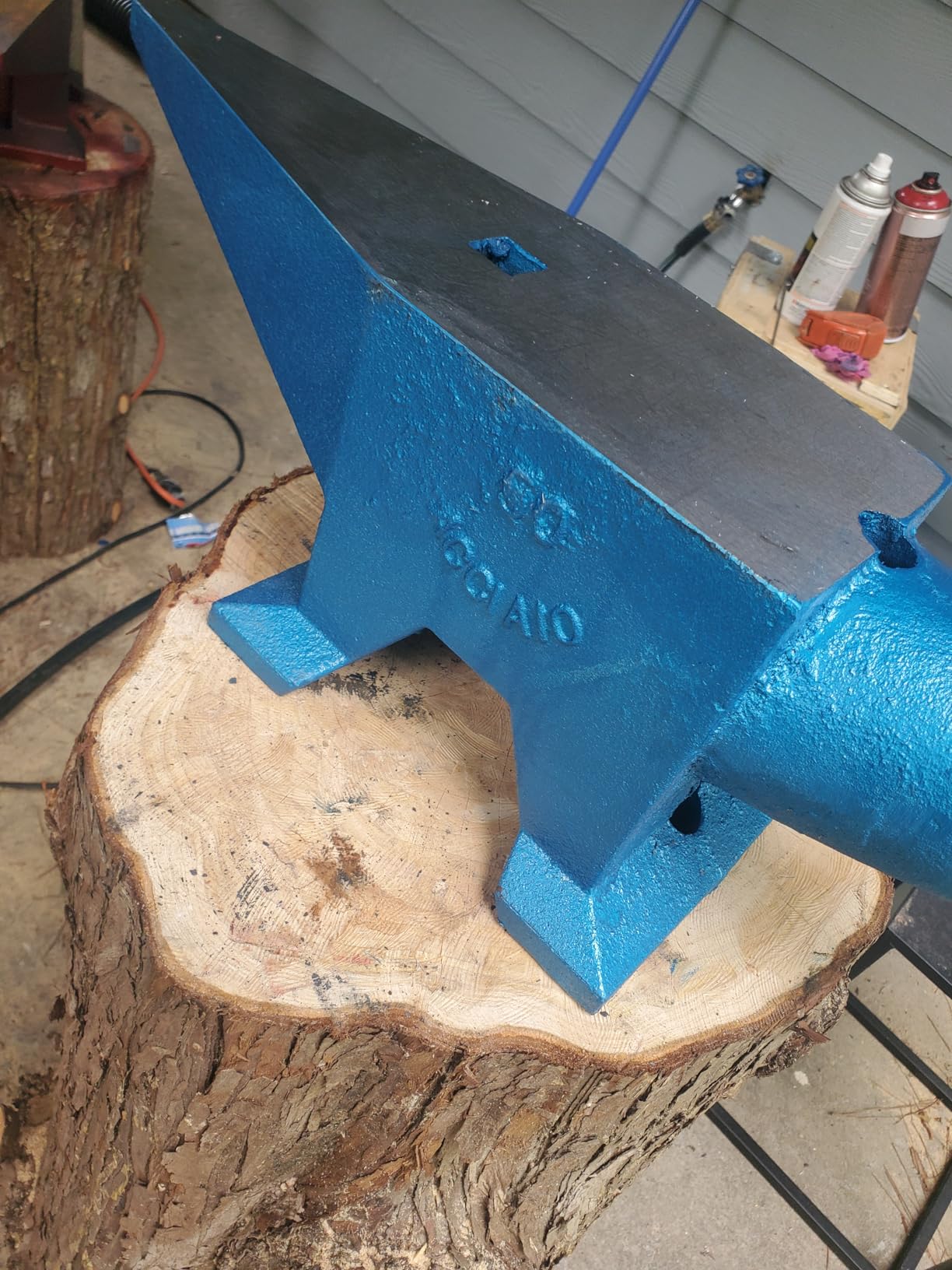
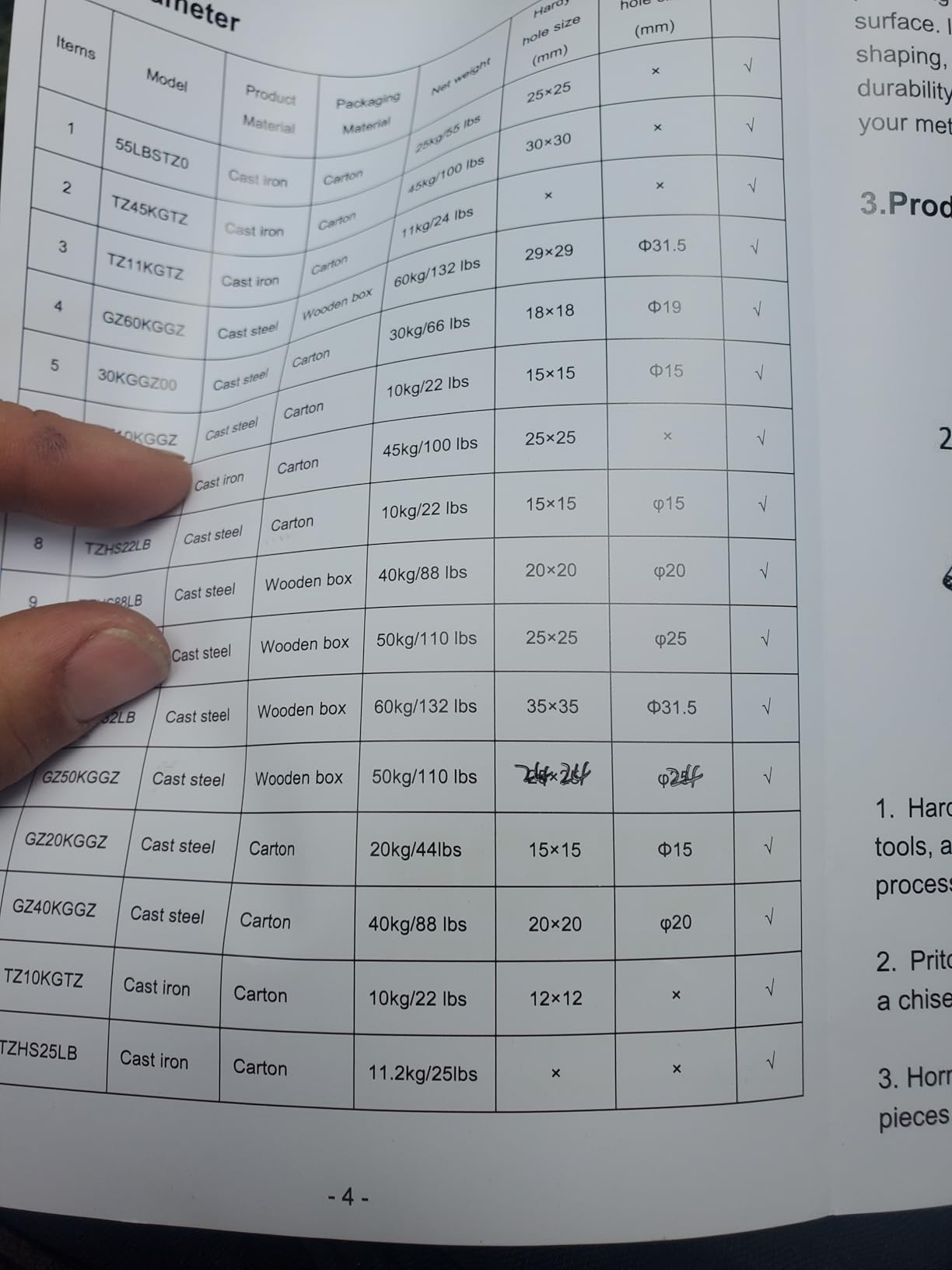
The published dimensions vary between listings, and one variant quotes a 22.5 by 7.8 by 9.7 inch footprint while another shows a much smaller figure. Measure the face against your stand before you commit, and remember that a 132 pound anvil does not move easily across a garage floor.
What to check before you order a 132 lb anvil
Confirm you can get it onto its stand. Owners commonly set this weight on a heavy welded stand rather than carrying it, and solo lifting is where beginners report the most regret.
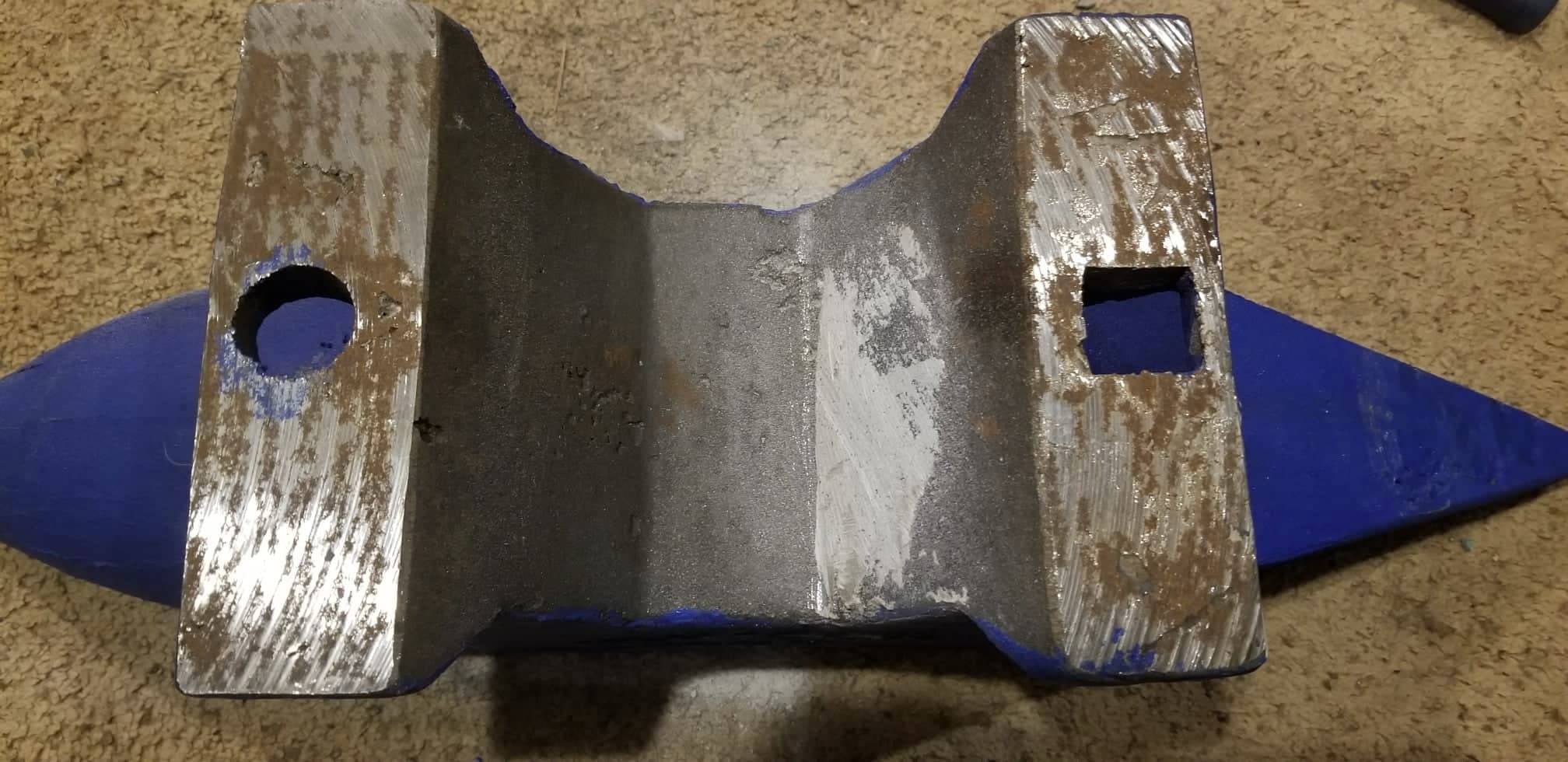
Ask the seller about the hardy hole. Several reviewers say the pritchel hole arrives misaligned or unusable, so treat the hardy hole as the feature you can rely on and the pritchel hole as a bonus.
Where this anvil falls short
Quality control is inconsistent on the horn profile. Some owners report a horn that is not smoothly conical, which matters if you plan to bend round material on it.
There is no warranty listed on this model. Plan on dressing the edges and milling with a file or grinder before the first serious session.
We earn a commission, at no additional cost to you. CERTAIN CONTENT THAT APPEARS ON THIS SITE COMES FROM AMAZON. THIS CONTENT IS PROVIDED 'AS IS' AND IS SUBJECT TO CHANGE OR REMOVAL AT ANY TIME.
2. VEVOR 86 lb Steel Anvil – Best All-Rounder for a Home Shop
VEVOR Single Horn Anvil 86Lbs Steel Anvil Blacksmith for Sale Forge Steel Tools and Equipment Anvil Rugged Blacksmith Jewelers Durable and Robust Metal Working Tool, Grey
- 86 lbs drop-forged steel
- Round horn and flat horn
- Hardy and pritchel holes
- Polished quenched face
Pros
- Drop-forged high-grade steel
- Reviewers praise rebound and ring
- Hardy and pritchel holes add real versatility
- Large working surface
Cons
- At 86 lbs it is hard to reposition alone
- No warranty listed
- Edges may need surface dressing
We earn a commission, at no additional cost to you. CERTAIN CONTENT THAT APPEARS ON THIS SITE COMES FROM AMAZON. THIS CONTENT IS PROVIDED 'AS IS' AND IS SUBJECT TO CHANGE OR REMOVAL AT ANY TIME.
This is the one I would put in front of someone starting out. Its 623 reviews are the largest block of owner feedback among the steel-bodied anvils in this roundup, and the consensus across them is consistently good rebound for the weight class.
Two horns and two holes make it more useful than the single horn designs at the same price band. The round horn bends and shapes, the flat horn smooths, and the hardy and pritchel holes let you hold chisels and top tools while you work.
Expect to mount it rather than carry it. Owners describe bolting it to a stand or stump and treating it as a fixed part of the shop, which is the correct approach at this weight.
Availability also runs in 22, 86, 110 and 132 pound versions under the same family, so the listing you land on may not be the one described here. Check the stated weight and features line before you buy.
Is 86 lbs enough for knife making
Yes for bladesmithing at home. Most first year knife projects are hot cuts, taping and simple blade outlines, none of which overwhelm an 86 pound anvil.
The bonus is that the same anvil handles general blacksmithing later. You do not have to move up weight until your work actually needs it.
Where this anvil falls short
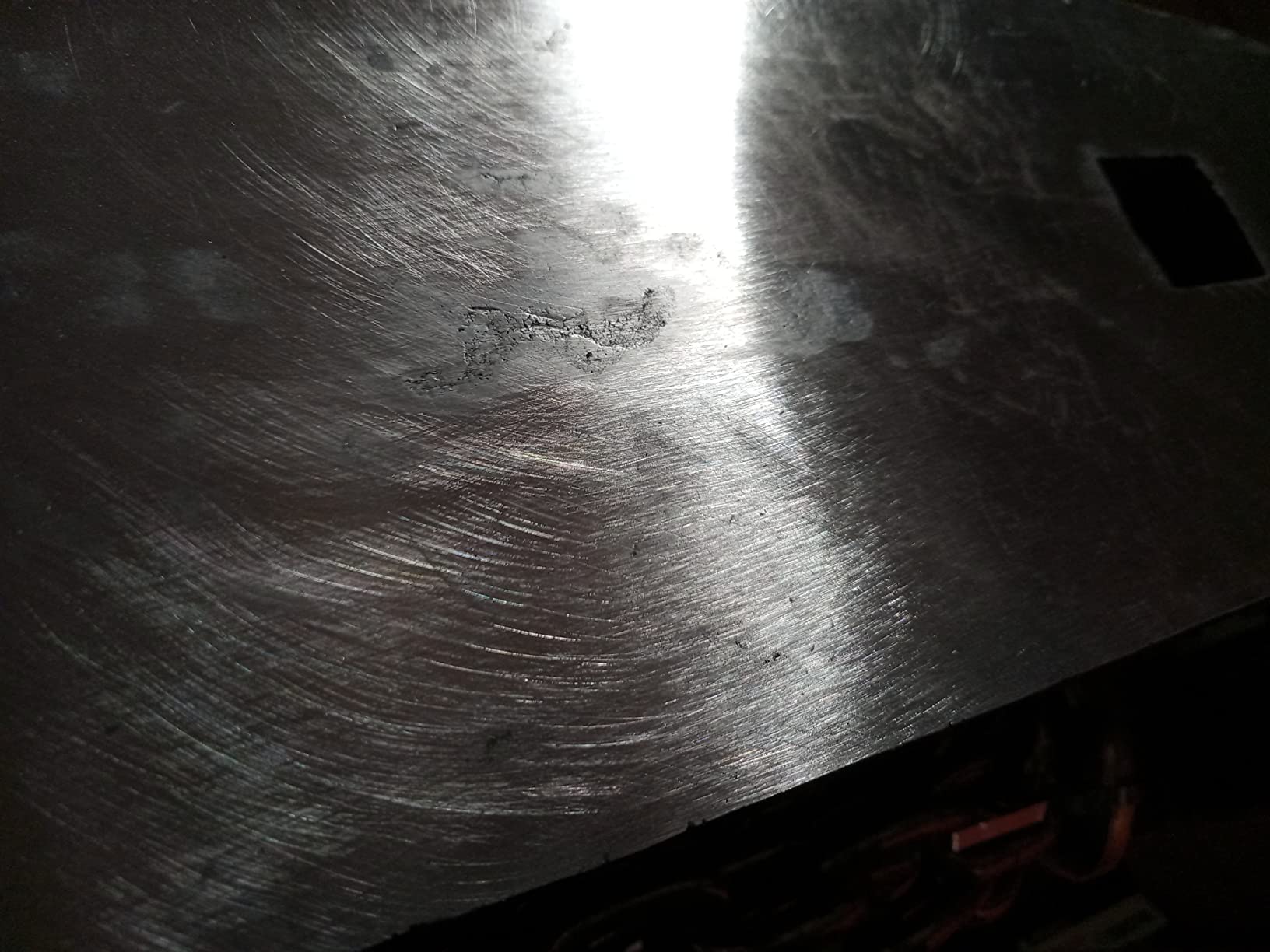
No warranty is listed, so treat it as a buyer beware purchase on quality claims. If the face arrives with damage, that is a hard conversation with the seller.
Some owners report needing to dress the edges and milling straight away. A quick pass with a file or flap disc saves you from marring work later.
We earn a commission, at no additional cost to you. CERTAIN CONTENT THAT APPEARS ON THIS SITE COMES FROM AMAZON. THIS CONTENT IS PROVIDED 'AS IS' AND IS SUBJECT TO CHANGE OR REMOVAL AT ANY TIME.
3. NC Tool 70 lb Anvil with Turning Cams – Best for Bladesmithing
NC Tool 70 Lb. Anvil with Turning Cams
- 70 lbs solid steel
- Turning cams on the back
- Weldable to a metal stand
Pros
- Solid steel rather than cast iron
- Turning cams are genuinely useful for taper work
- Rated the highest in this roundup at 4.8
- Popular with knife makers
Cons
- Top of the roundup cost range
- Packaging can arrive damaged at the horn
- No second weight class in this listing
We earn a commission, at no additional cost to you. CERTAIN CONTENT THAT APPEARS ON THIS SITE COMES FROM AMAZON. THIS CONTENT IS PROVIDED 'AS IS' AND IS SUBJECT TO CHANGE OR REMOVAL AT ANY TIME.
At 4.8 stars across 92 reviews, this is the highest rated anvil here, and the reason is straightforward. Owners keep pointing out that it is solid steel rather than cast iron, which changes everything about how it responds to a hammer.
The turning cams on the back are the feature nobody else in this list offers. They let you set a taper on a blade or a bar without wrestling with layout, which is why knife makers keep recommending this model.
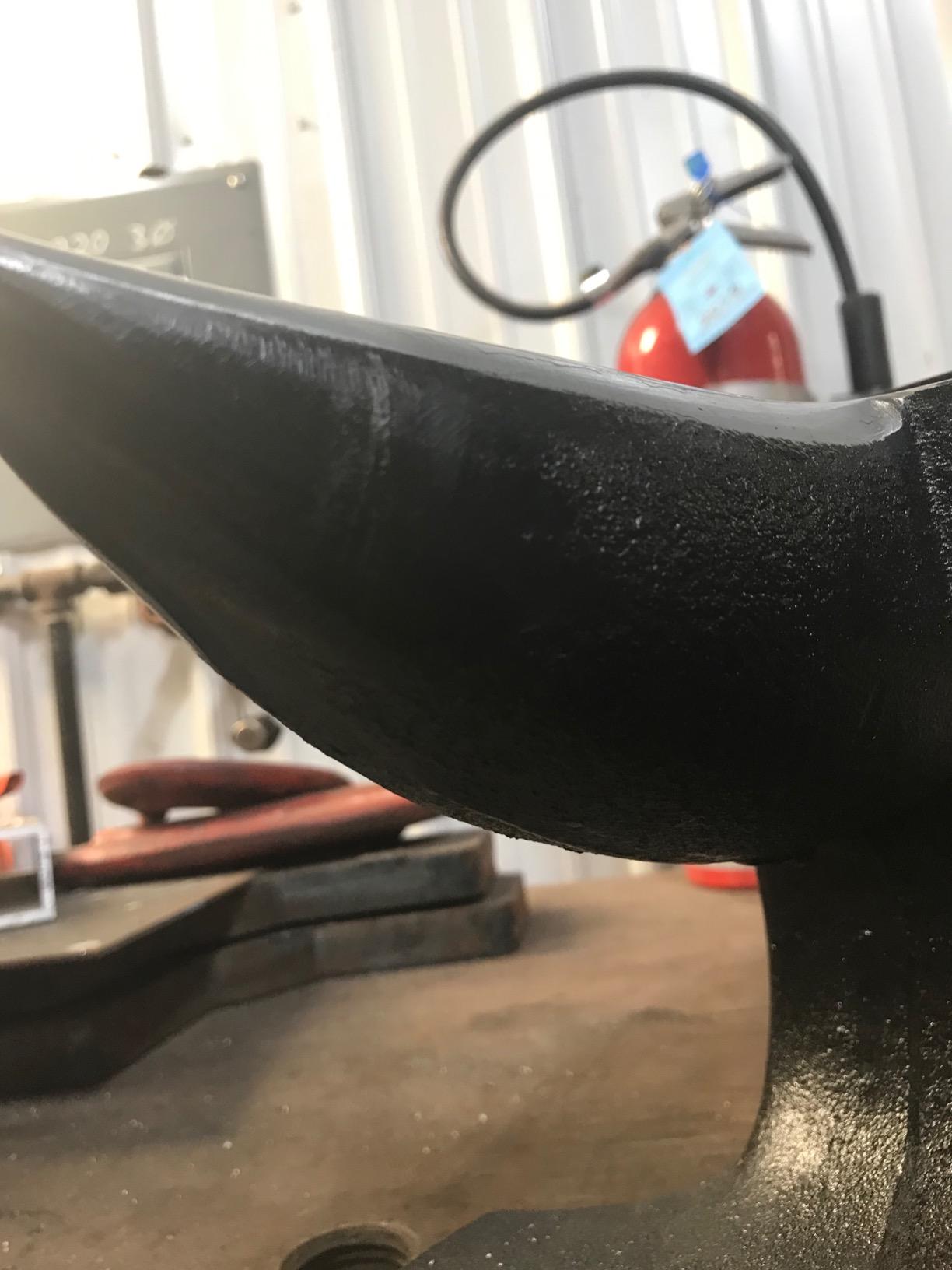
It is a farrier style pattern at 70 pounds, and that weight sits in the range most forums call the sweet spot for general home blacksmithing. It is heavy enough to absorb real work and light enough to move with two people.
The listing states it can be welded to a metal stand, so plan the mounting before delivery. Owners report the package sometimes arrives with the horn protruding, so check the horn tip first thing.
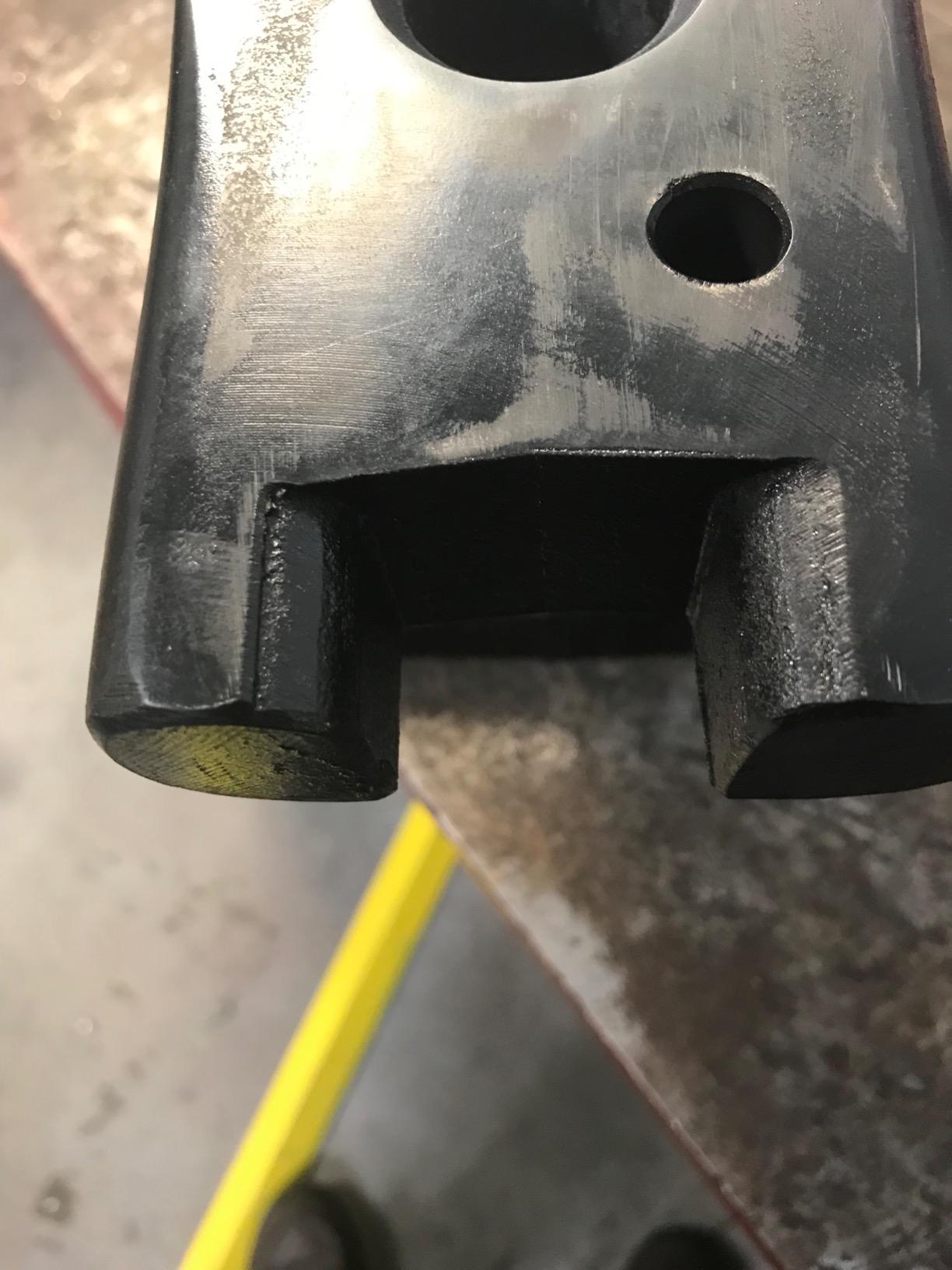
Why solid steel matters here
Cast iron anvils absorb blows and return very little. Solid steel carries more of that energy back up into your hand, which means less effort per blow and less fatigue over a long session.
For taper work on a blade, that rebound is the whole game. The cams make the setup repeatable, and the steel face holds the cut you are trying to make.
Where this anvil falls short
It sits at the top of the cost range in this roundup by a wide margin. For a first anvil that will mostly sit under light work, the spend is hard to justify.
Only one size is offered in this listing, so if you want a second weight class later you are shopping with a different maker entirely.
We earn a commission, at no additional cost to you. CERTAIN CONTENT THAT APPEARS ON THIS SITE COMES FROM AMAZON. THIS CONTENT IS PROVIDED 'AS IS' AND IS SUBJECT TO CHANGE OR REMOVAL AT ANY TIME.
4. Easmvetaln 132 lb Cast Steel Anvil – Best for Published Specs
Easmvetaln Cast Steel Anvil,132 Lbs(60kg) Single Horn Anvil,High Hardness Round Horn Anvil Blacksmith with Large Countertop and Stable Base,Metalsmith Tool for Bending and Shaping,Black
- 132 lbs cast steel
- 55 HRC after heat treatment
- Over 70% rebound
- 13.58 x 3.94 inch work surface
Pros
- 55 HRC hardness stated by the maker
- Over 70 percent rebound rate published
- 800 degree heat treatment
- Large 13.58 by 3.94 inch work surface
Cons
- Only 32 reviews so far
- Newer brand with a short record
- Only the 132 lb version in this listing
We earn a commission, at no additional cost to you. CERTAIN CONTENT THAT APPEARS ON THIS SITE COMES FROM AMAZON. THIS CONTENT IS PROVIDED 'AS IS' AND IS SUBJECT TO CHANGE OR REMOVAL AT ANY TIME.
What sets this one apart is paperwork. The listing states 55 HRC after an 800 degree heat treatment and a rebound rate above 70 percent, and few anvils in this weight class publish figures that specific.
That matters because so many anvil listings simply say steel without a number. A published hardness figure lets you compare directly against the drop-forged models and know what face you are getting.
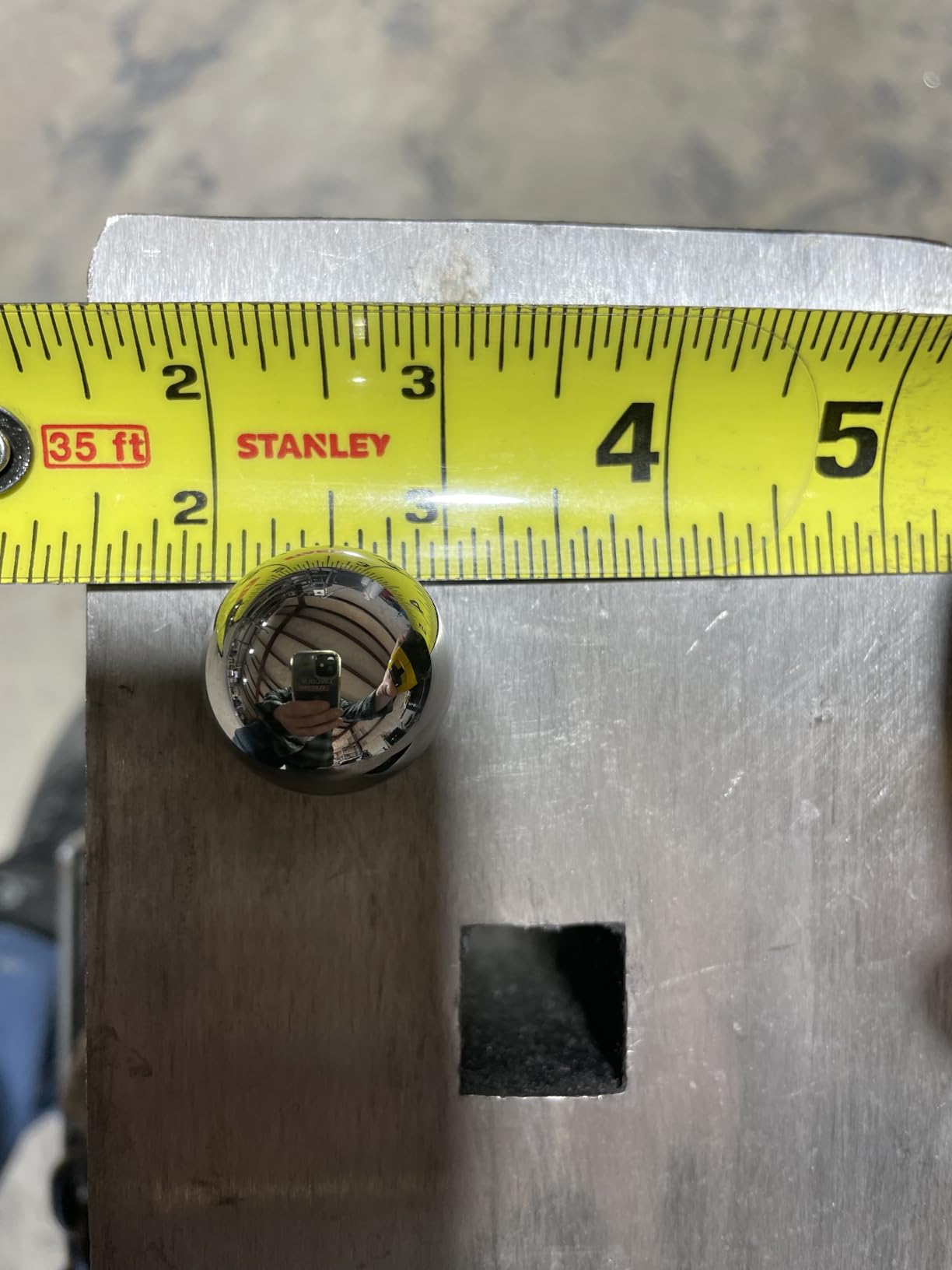
The hole layout is unusually thorough. Owners describe round holes for punching and shaping, square holes for fixing tools, and filleted corners that double as another bending and fitting surface.
At 22.05 by 9.06 by 9.65 inches, it is one of the larger footprints here, and the 132 pound weight means a welded stand is not optional.
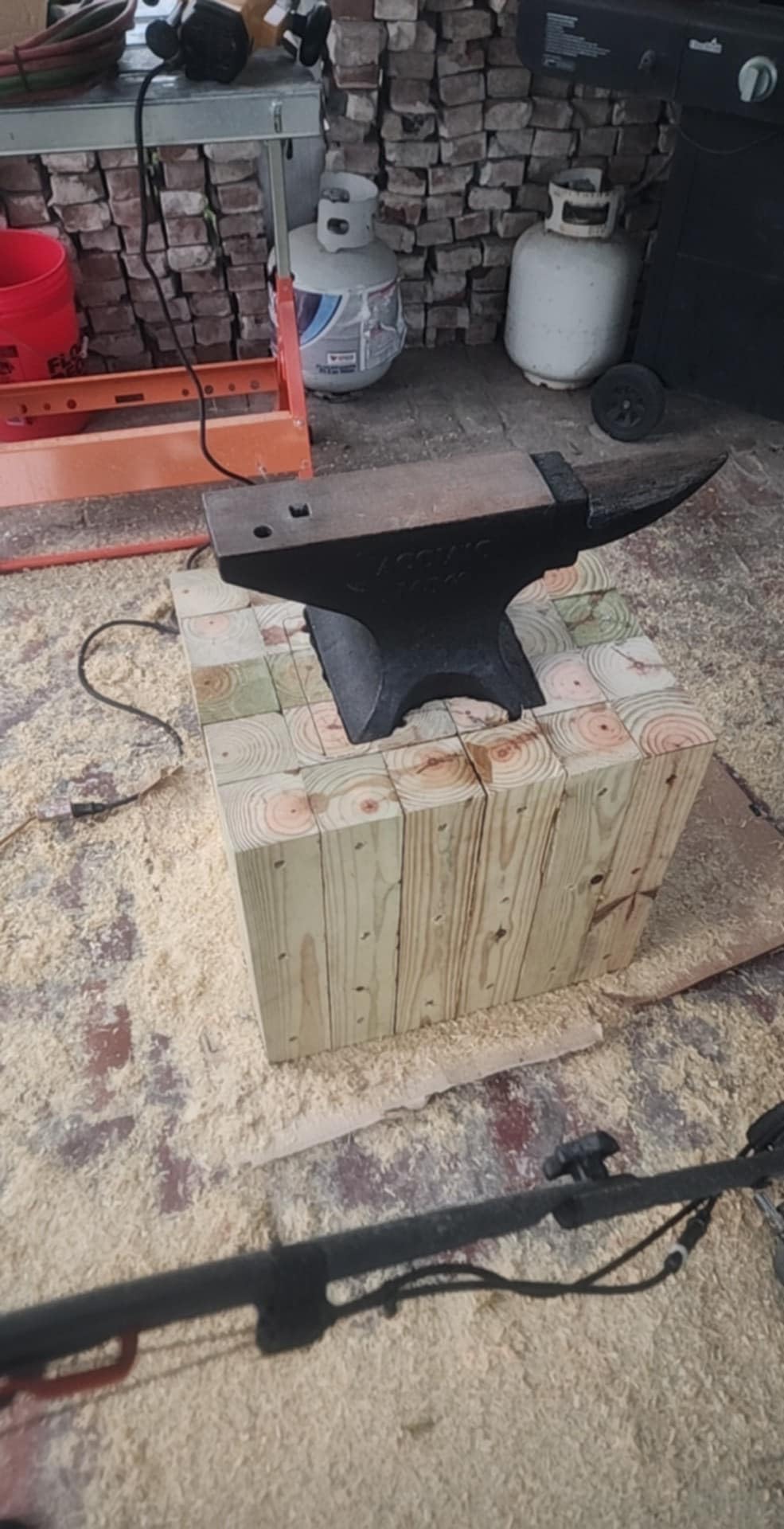
What the hardness number tells you
55 HRC is the sweet spot for a general purpose smithing face. It is hard enough to resist denting from repeated impacts and soft enough to avoid chipping when you land a blow slightly off target.
If a listing gives you a hardness figure, treat it as more useful than adjectives like rugged or heavy duty. Numbers can be compared, adjectives cannot.
Where this anvil falls short
Thirty two reviews is thin evidence compared with the 623 on the 86 pound VEVOR. Early adopters are happy, but there is no long term track record yet.
The maker is newer and this listing only covers the 132 pound version, so a lighter option in the same line means looking at a different maker.
We earn a commission, at no additional cost to you. CERTAIN CONTENT THAT APPEARS ON THIS SITE COMES FROM AMAZON. THIS CONTENT IS PROVIDED 'AS IS' AND IS SUBJECT TO CHANGE OR REMOVAL AT ANY TIME.
5. HimaPro 55 lb Single Horn Anvil – Best for Jewelry and Metal Stamping
HimaPro Single Horn Anvil for Blacksmith Blue – Cast Iron Anvil- A Wonderful Tool for Blacksmithing and Metal Stamping (55 LBS)
- 55 lbs cast iron
- 45-58 HRC
- Round horn
- Polished flat surface
Pros
- 45-58 HRC hardness range stated
- Round horn for bending and forming
- Polished flat face for punching
- Stable enough for bench mounting
Cons
- Cast iron rather than steel
- Casting line on the horn may need grinding
- Paint finish can chip at the horn tip
We earn a commission, at no additional cost to you. CERTAIN CONTENT THAT APPEARS ON THIS SITE COMES FROM AMAZON. THIS CONTENT IS PROVIDED 'AS IS' AND IS SUBJECT TO CHANGE OR REMOVAL AT ANY TIME.
This is the anvil I would hand to someone whose real interest is jewelry and metal stamping with the occasional cold hammering. At 55 pounds it is heavy enough to stay put on a bench and light enough to carry.
The stated 45 to 58 HRC range is a wide band, but it is honest for a cast iron body with a hardened working surface. Owners using it for small forming and stamping report results they are happy with.
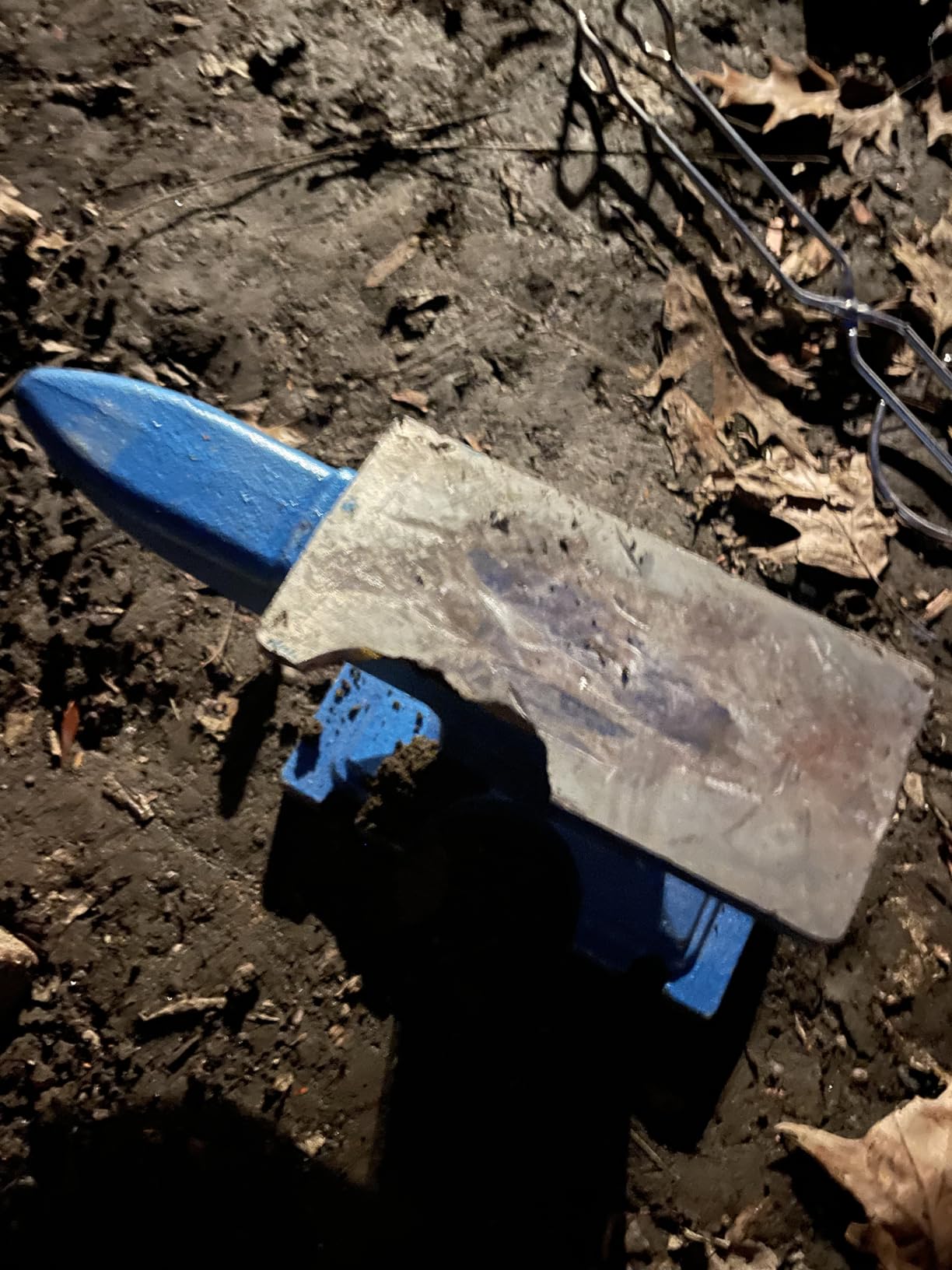
The round horn handles bending and shaping, and the polished flat surface takes flattening and punching without marking the work. That combination covers most cold and light hot work in a home shop.
Sizes run 2.2, 11, 24 and 55 pounds in this line, so if 55 is more than you need today the same design exists smaller.
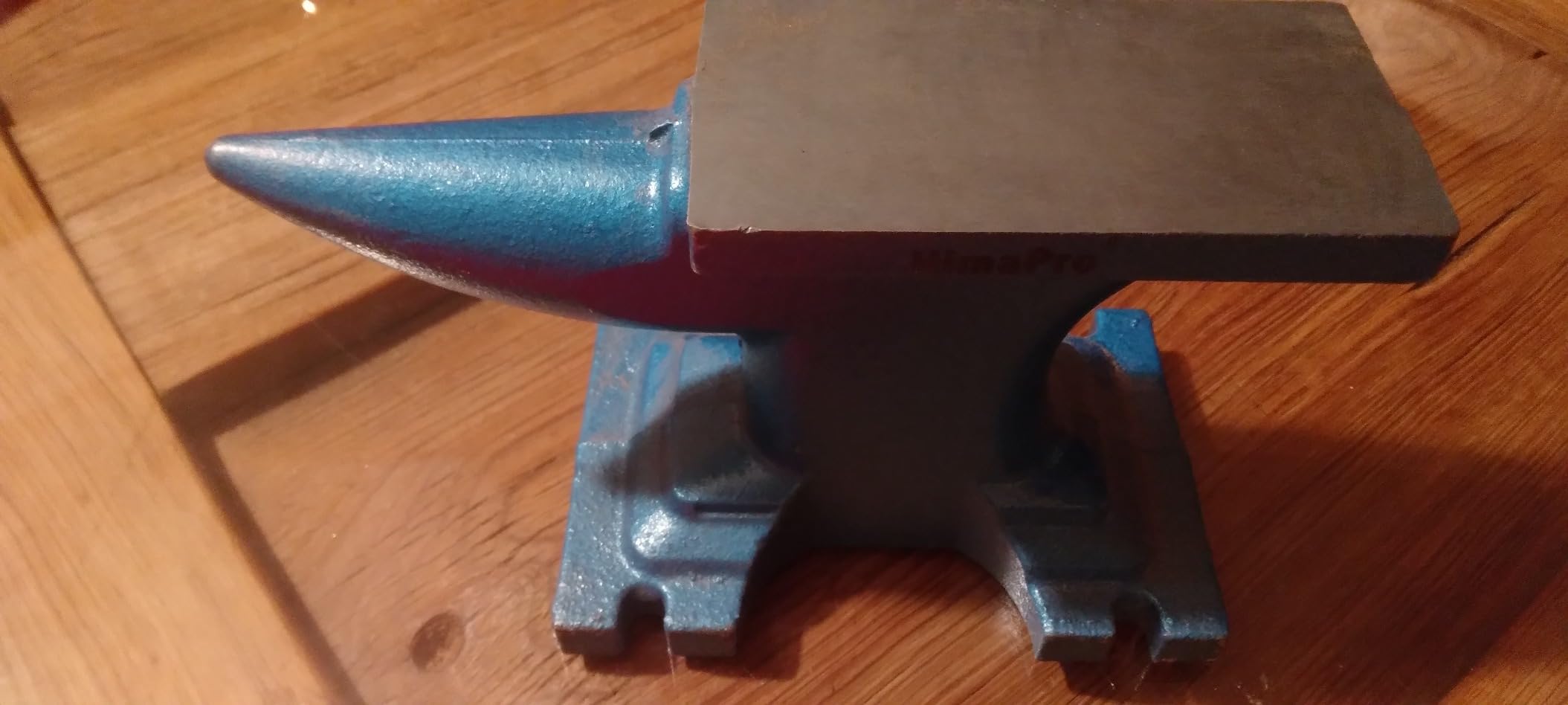
Will cast iron handle hot work
Light hot work, yes. Bending small round stock and simple drawing out on light section is within its limits, which is why the blue finish anvil shows up in so many starter shops.
Repeated heavy blows on hot steel are where cast iron gives up. The face deforms rather than springing back, and the damage is permanent without refacing or replacing.
Where this anvil falls short
The casting line on the horn shows up in reviews often enough to plan for. Expect to file or grind it smooth before you use the horn for anything precise.
Paint chips near the horn tip, and bare cast iron underneath will start to bloom with rust if you leave it wet.
We earn a commission, at no additional cost to you. CERTAIN CONTENT THAT APPEARS ON THIS SITE COMES FROM AMAZON. THIS CONTENT IS PROVIDED 'AS IS' AND IS SUBJECT TO CHANGE OR REMOVAL AT ANY TIME.
6. Grizzly G8147 55 lb Anvil – Best for Practising Hammer Technique
Grizzly Industrial G8147-55 lb. Anvil
- 55 lbs
- Made in USA
- 1 inch square hardy hole
- 4 by 8-3/4 inch face
Pros
- Made in the United States
- Has a real 1 inch square hardy hole
- Plenty of owners use it as a first anvil
- Can be upgraded with a welded steel face plate
Cons
- Soft body that dents easily
- Poor rebound compared with steel anvils
- Face surface is not true
- Hardy hole may need finishing
We earn a commission, at no additional cost to you. CERTAIN CONTENT THAT APPEARS ON THIS SITE COMES FROM AMAZON. THIS CONTENT IS PROVIDED 'AS IS' AND IS SUBJECT TO CHANGE OR REMOVAL AT ANY TIME.
I want to be straight about this one. The G8147 is the lowest rated anvil in this roundup at 4.0 stars, and the reason shows up in nearly every review: the body is soft mild steel, not a hard forging face.
That said, owners make a fair argument for it. A soft face teaches you to strike accurately, because a glancing blow immediately leaves a dent you have to live with. Plenty of smiths buy it deliberately for that reason.
The geometry is genuinely useful, though. You get a 4 by 8-3/4 inch face, a 5-1/2 inch horn and a true 1 inch square hardy hole, which is the imperial standard most American tooling expects.
Owners also note you can weld a hardened steel plate onto the face to turn it into a usable anvil. That repair is a known route for anyone who bought one before understanding the material.
Is the 1 inch hardy hole standard
Yes, and that is the one detail worth carrying into the rest of this guide. A 1 inch square hardy hole accepts standard American top tools, full stock swages and hardy tools without adapters.
Many imported anvils use a 27 mm hole instead, which is close but not identical. A machined shim or a reducer plate solves the mismatch in a few minutes of shop time.
Where this anvil falls short
The face dents, the horn is not accurately shaped and the surface is not true. It is not a tool for hot forging on anything serious.
Rebound is poor by design of the material, so every blow takes more effort than it would on a steel anvil. Buy it to learn, not to work.
We earn a commission, at no additional cost to you. CERTAIN CONTENT THAT APPEARS ON THIS SITE COMES FROM AMAZON. THIS CONTENT IS PROVIDED 'AS IS' AND IS SUBJECT TO CHANGE OR REMOVAL AT ANY TIME.
7. VEVOR 55 lb Wrought Iron Anvil – Best Value at 55 Pounds
VEVOR Blacksmith Anvil 55 lbs (25 kg) Single Piece of Iron with Square Holes Ideal for Metalurgical and Blacksmiths in Metal Workshop and for Riveting Flattening Forging and Forming Metal
- 55 lbs wrought iron
- Round horn and square hole
- 8.66 x 5.91 inch work surface
Pros
- Wrought iron body with good rebound reports
- Round horn plus a square hole for versatility
- Polished surface resists oxidation
- Well received by first time smiths
Cons
- Casting imperfections reported on some pieces
- Smaller sizes in the range are too light for forging
- Listed weight and shipped weight differ
We earn a commission, at no additional cost to you. CERTAIN CONTENT THAT APPEARS ON THIS SITE COMES FROM AMAZON. THIS CONTENT IS PROVIDED 'AS IS' AND IS SUBJECT TO CHANGE OR REMOVAL AT ANY TIME.
Wrought iron at 55 pounds is a genuinely useful middle ground. Owners consistently report good rebound for the size, and it is one of the few anvils at this weight that smiths recommend to beginners without hesitation.
The round horn handles flattening, bending and shaping, and the square hole gives you somewhere to set a tool that most anvils at this weight do not offer. That one feature widens what you can do out of the box.
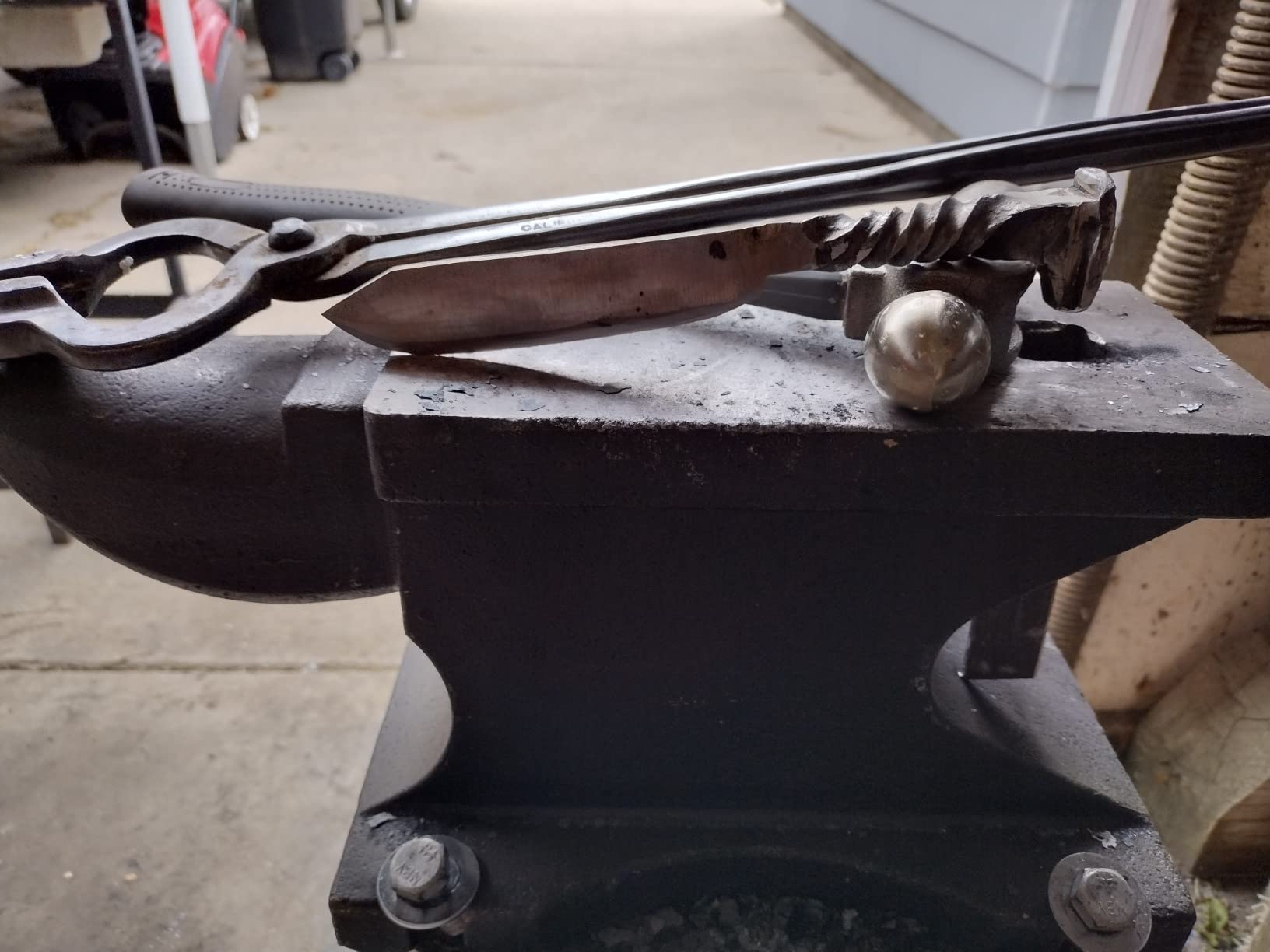
Note the weight line on the listing, which reads 55 pounds at 25 kg while the item weight field shows 21.8 kg. The same family comes in 25, 44, 55, 100 and 105 pound versions, so make sure you are reading the size you actually want.
One review reports a repair spot on the bed of a 25 pound variant. That is a smaller size than this one, but it is worth inspecting the face closely on arrival either way.
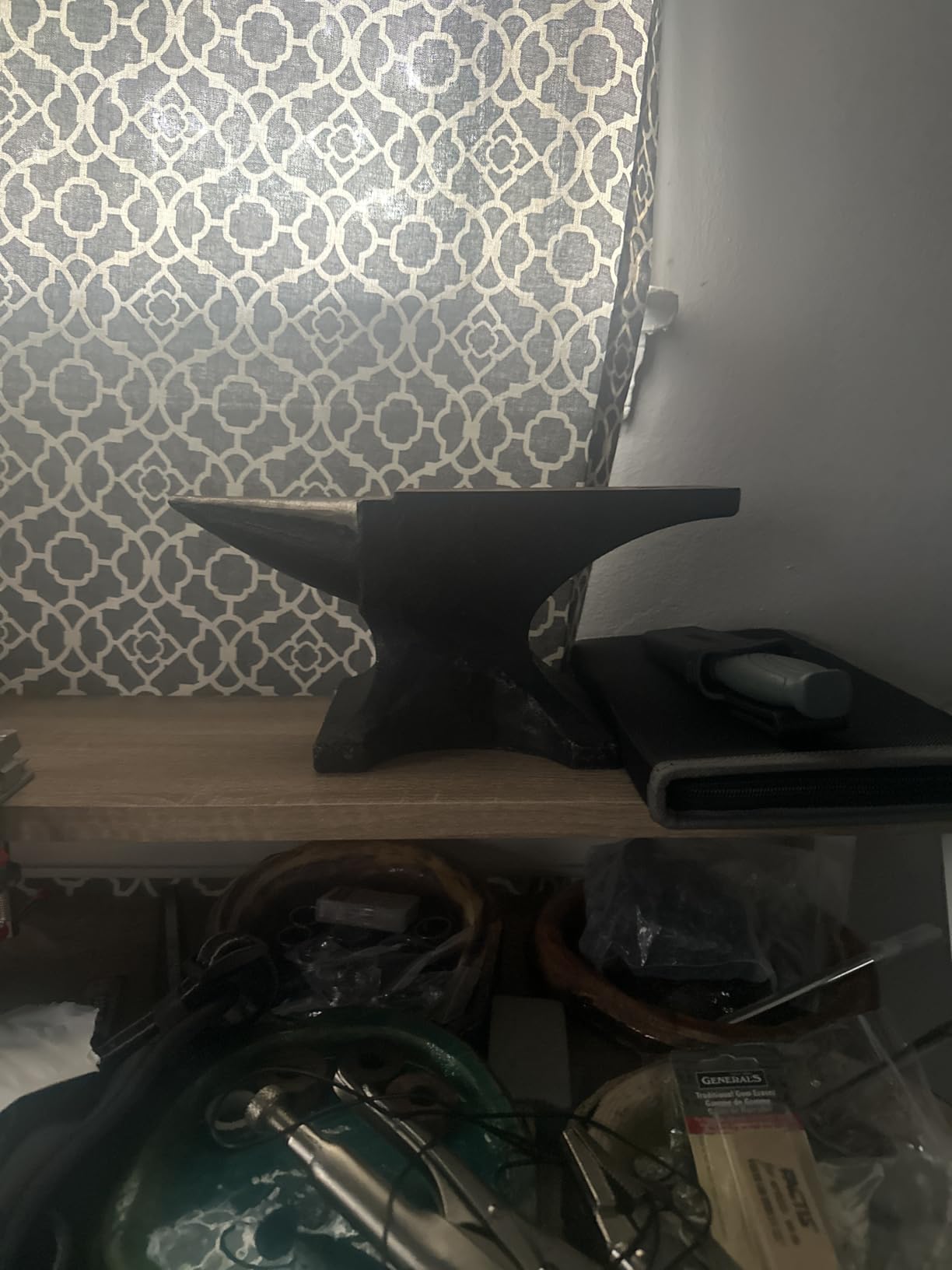
Wrought iron versus cast steel at the same weight
Wrought iron is closer in behaviour to forged steel than cast iron is, and the rebound reports back that up. It is a step up from cast blocks without the cost jump to drop forged steel.
Hardness is lower than a 55 HRC face, so the anvil will deform slowly over years of heavy work. For a home shop it is a fair trade for the cost.
Where this anvil falls short
Some pieces arrive with casting imperfections that need filing before use. Inspect the face and horn in daylight before you hammer anything on it.
The 25 pound version in this family is too light for forging. If the listing you reach is the smaller one, keep looking.
We earn a commission, at no additional cost to you. CERTAIN CONTENT THAT APPEARS ON THIS SITE COMES FROM AMAZON. THIS CONTENT IS PROVIDED 'AS IS' AND IS SUBJECT TO CHANGE OR REMOVAL AT ANY TIME.
8. Olympia Tools 9 lb Cast Iron Anvil – Best Budget Starter Block
Olympia Tools 9-Pound Cast Iron Hobby Anvil 38-789 , Gray
- 9 lbs cast iron
- 5-1/2 by 2 inch face
- 3-1/2 inch horn
- Limited lifetime warranty
Pros
- Most reviewed item in this roundup at 1252 ratings
- Sized for jewelry and small metalwork
- Carries a limited lifetime warranty
- Easy to move between benches
Cons
- Cast iron is soft and deforms
- Not built for hot forging
- Cast flaws may need grinding out
We earn a commission, at no additional cost to you. CERTAIN CONTENT THAT APPEARS ON THIS SITE COMES FROM AMAZON. THIS CONTENT IS PROVIDED 'AS IS' AND IS SUBJECT TO CHANGE OR REMOVAL AT ANY TIME.
With 1252 ratings, this is the most reviewed anvil on our list, and the reviews explain why. People buy it for jewelry making, small craft and light bench work, and it does that job well.
The 5-1/2 by 2 inch face is small but adequate for wire, sheet and small castings. At 9 pounds it stays put on a bench under a light hammer without any mounting hardware.
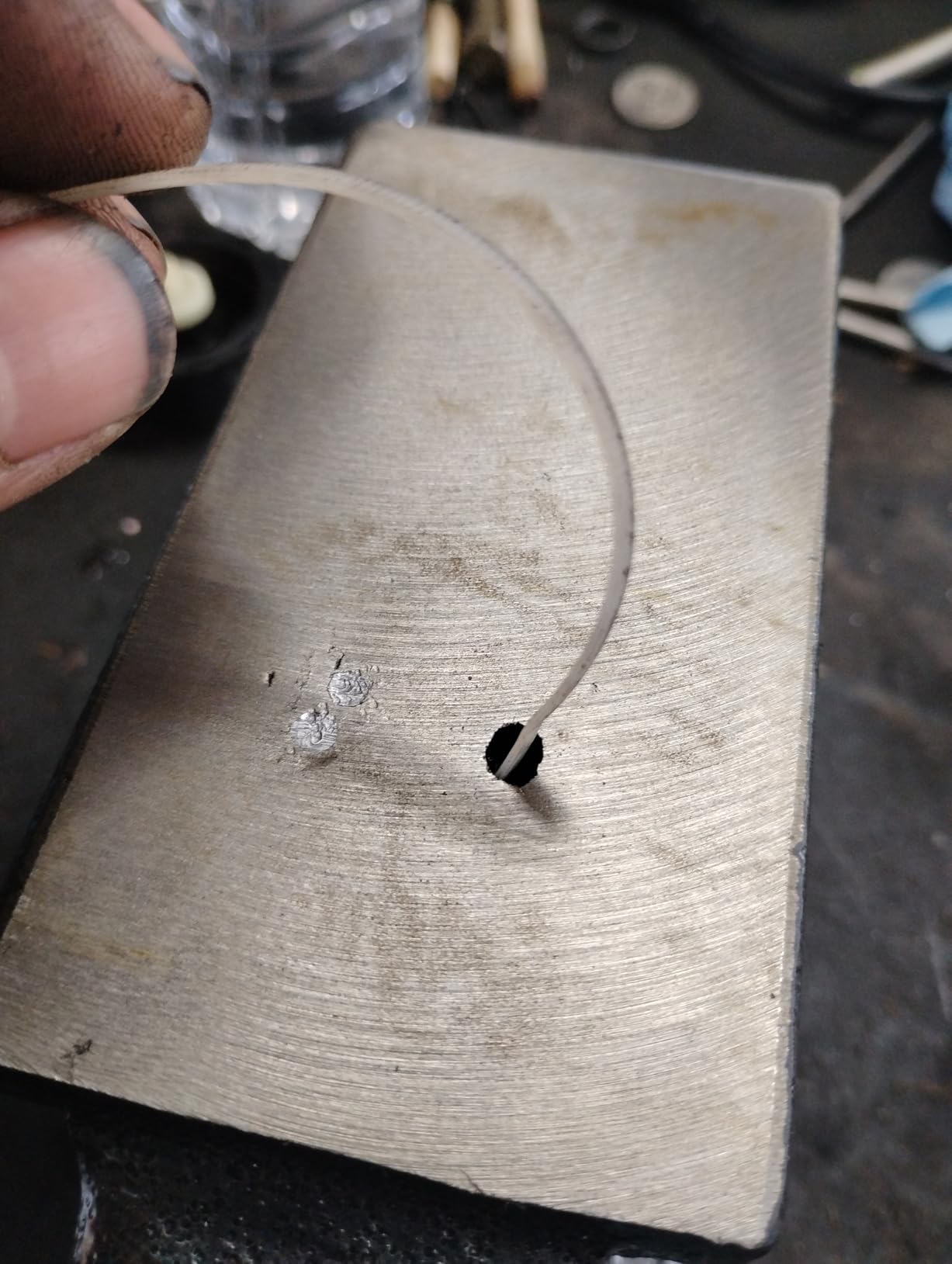
The limited lifetime warranty is unusual on a block this small, and it is a genuine reason to pick it over a similar piece from a no-name seller.
If you are deciding whether to try blacksmithing at all, this is a reasonable first purchase. You learn hammer control and hand eye coordination without committing to a heavy anvil.
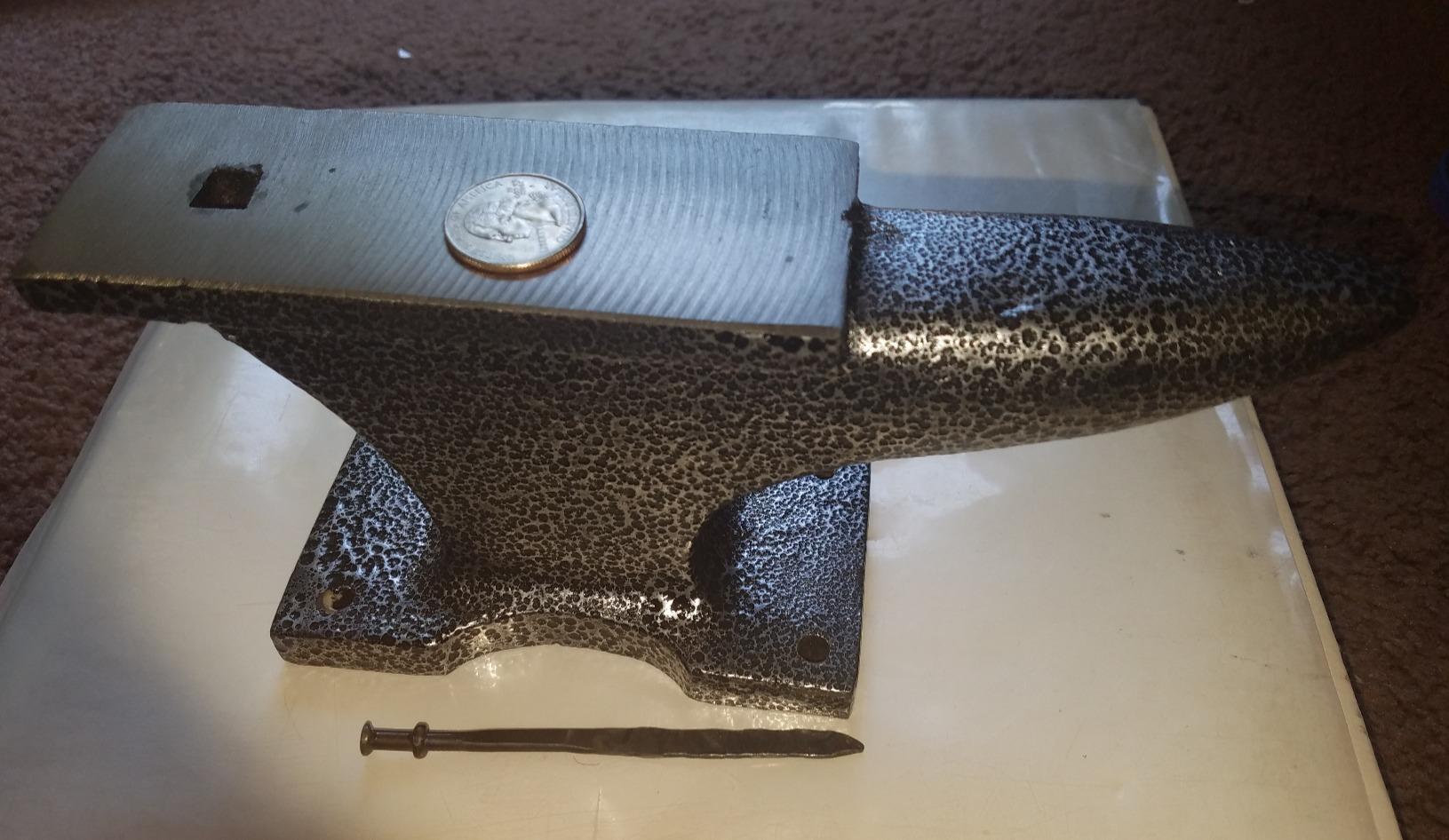
What you can actually make on it
Jewelry, wire forming, small rivets, punch work and light tapping. Those are the projects owners describe, and the reviews are consistently positive on all of them.
It will not do hot forging. The body is cast iron, so a hot billet will simply flatten the face where it lands.
Where this anvil falls short
Cast iron deforms under load rather than springing back, so dents accumulate and never come out.
Some owners report casting flaws that need grinding. Check the face flat with a straightedge before you rely on it for accurate work.
We earn a commission, at no additional cost to you. CERTAIN CONTENT THAT APPEARS ON THIS SITE COMES FROM AMAZON. THIS CONTENT IS PROVIDED 'AS IS' AND IS SUBJECT TO CHANGE OR REMOVAL AT ANY TIME.
9. Proline 11 lb Anvil – Best for Riveting and Leather Work
Proline Amazon 11 lbs Solid Forged Steel Anvil Single Horn Base Jeweler Tool Metal Steel Anvil
- 11 lbs cast iron
- 3-1/2 inch horn
- 2-3/4 by 5 inch top surface
Pros
- Balanced 11 lb weight for bench work
- Handles rivets and leather work well
- Compact top surface suits small parts
Cons
- Listing says forged steel but the spec is cast iron
- Face can chip and dimple under heavy use
- One report of a nick in the flat surface
We earn a commission, at no additional cost to you. CERTAIN CONTENT THAT APPEARS ON THIS SITE COMES FROM AMAZON. THIS CONTENT IS PROVIDED 'AS IS' AND IS SUBJECT TO CHANGE OR REMOVAL AT ANY TIME.
The product title on this listing says solid forged steel, and the technical specification underneath says cast iron. That contradiction is the first thing to know about this anvil, because it changes what you can do with it.
Treating it as the cast iron piece it actually is, it is a competent small bench anvil. Eleven pounds gives a good balance of stability and portability for riveting, leather work and jewelry forming.
The 3-1/2 inch horn and 2-3/4 by 5 inch top surface cover the common cold tasks. Owners like the heft relative to the tiny blocks in the same size band.
Why listing descriptions mislead
Imported tool listings regularly mix materials between the title and the specification block. When a title claims forged steel, look for a hardness figure or an explicit material line before you buy.
The same trap catches shoppers on the bigger cast anvils, where one listing can describe the same weight as both cast steel and cast iron. Always read the specification block, never the headline.
Where this anvil falls short
The face chips and dimples under heavy use, and one owner reported a nick already present in the flat surface. Inspect on arrival.
Because the material is misdescribed, treat it as a cold work block. There is no reason to put hot steel on it.
We earn a commission, at no additional cost to you. CERTAIN CONTENT THAT APPEARS ON THIS SITE COMES FROM AMAZON. THIS CONTENT IS PROVIDED 'AS IS' AND IS SUBJECT TO CHANGE OR REMOVAL AT ANY TIME.
10. Hyecen 3 lb Mini Anvil Set – Best for Precision Jewelry Work
Hyecen Mini Horn Anvil Set,3Lbs Forged Iron Anvil with Rubber Hammer for Jewelry Making,Blacksmith Forge Kit,Jewelry Hammer and Block Set,Bench Block Silversmithing Tools Designed
- 3 lbs cast iron
- 4 by 2 inch face
- Oblate horn
- Includes rubber hammer
Pros
- Rubber hammer included in the set
- 4 by 2 inch face suits precision work
- Four mounting holes in the base
- Compact and easy to store
Cons
- 3 lb weight limits it to jewelry work
- Cast iron is unsuited to forging
- The rubber hammer is not for heavy blows
We earn a commission, at no additional cost to you. CERTAIN CONTENT THAT APPEARS ON THIS SITE COMES FROM AMAZON. THIS CONTENT IS PROVIDED 'AS IS' AND IS SUBJECT TO CHANGE OR REMOVAL AT ANY TIME.
At 3 pounds this is the lightest anvil in the roundup, and it is not trying to be a blacksmithing tool. It is a precision block for jewelry, wire work and small forming, and the 4.7 rating reflects people who bought it for that reason.
The oblate horn is good for smoothing, bending and shaping small pieces without marking them. The 4 by 2 inch face is flat and polished, which is what matters for tapping and light punch work.
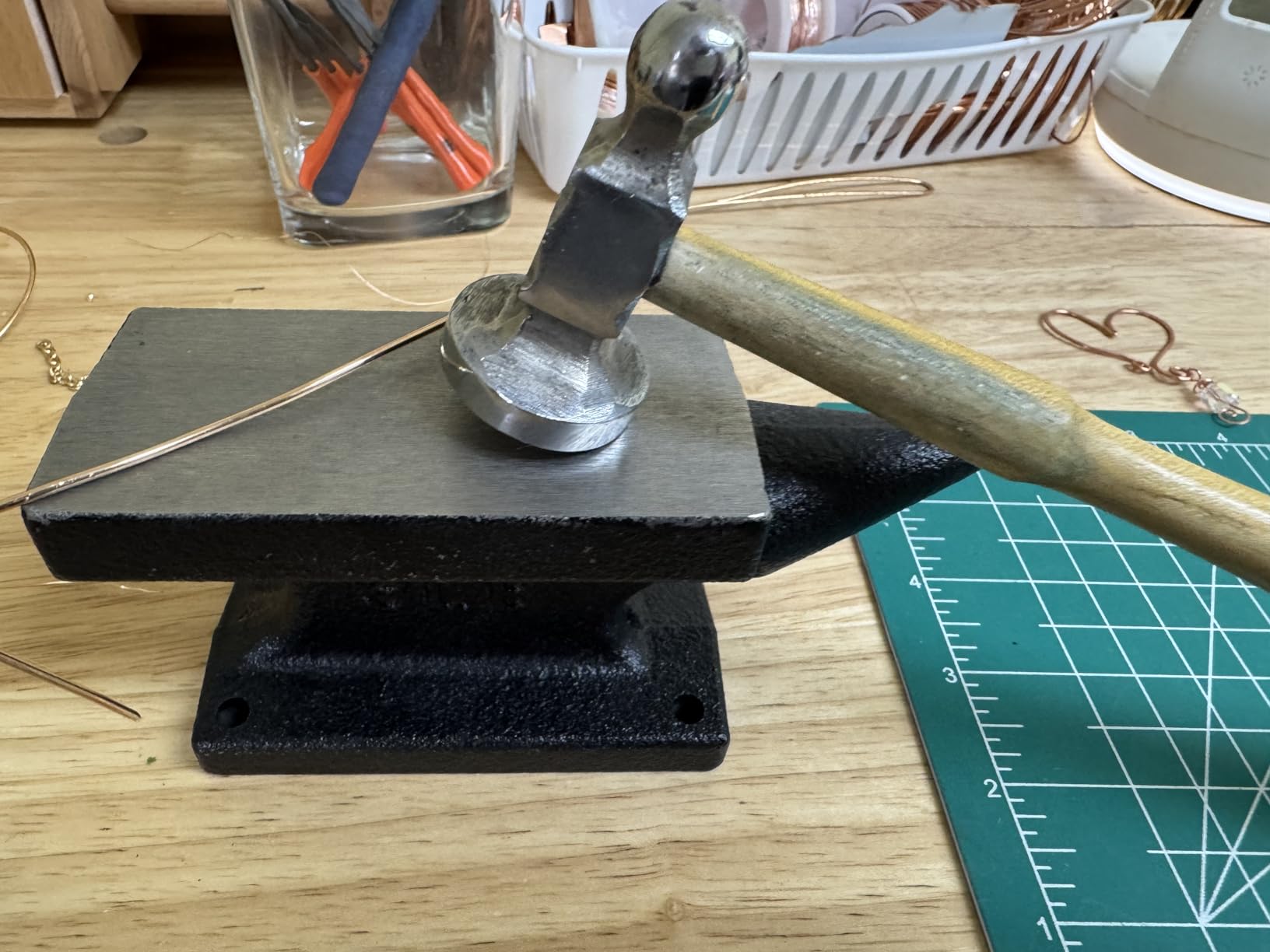
The bundled rubber hammer is the detail that keeps coming up in reviews. It lets you work soft metal and delicate pieces without flattening or denting them.
Four small holes in the base let you bolt the block to a bench so it cannot shift mid strike. At this size that matters more than it would on a heavy anvil.
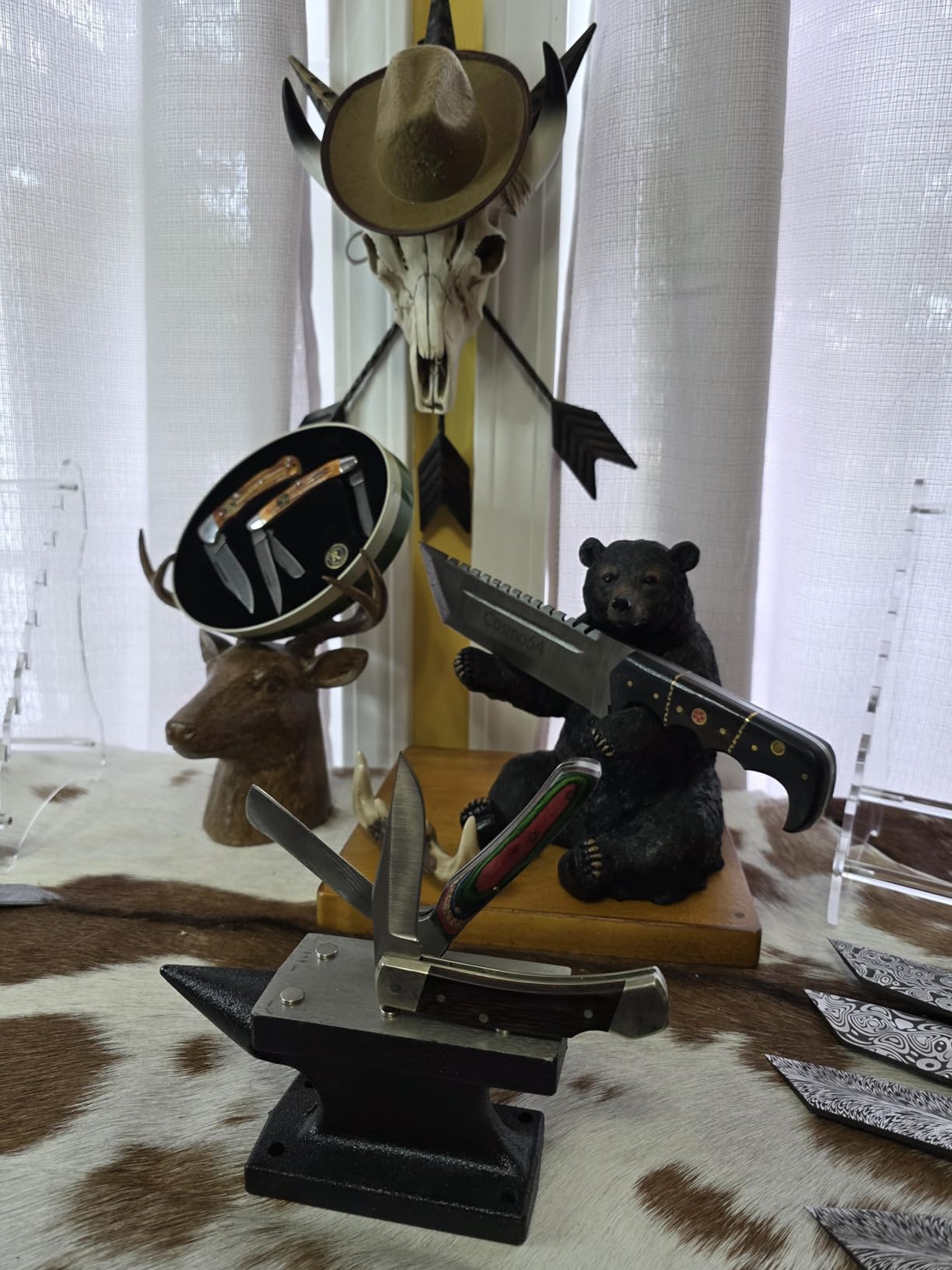
Do you need a separate jewelry anvil
If your work is wire, sheet or small castings, yes. A full weight anvil has too much mass to control for that kind of fine work, and the face is far larger than the piece you are making.
A small block also survives being knocked off a crowded bench. Heavy anvils tip, and a 132 pound anvil tipping onto a workbench is a bad day.
Where this anvil falls short
Three pounds means no hot forging of any kind, and the cast iron body would deform regardless.
The included rubber hammer is deliberately soft. It will not drive a chisel or punch thick material, and using it for that is pointless.
We earn a commission, at no additional cost to you. CERTAIN CONTENT THAT APPEARS ON THIS SITE COMES FROM AMAZON. THIS CONTENT IS PROVIDED 'AS IS' AND IS SUBJECT TO CHANGE OR REMOVAL AT ANY TIME.
How to Choose an Anvil for Home Blacksmithing
Weight comes first, because it decides everything else. Most home smiths find 70 to 100 pounds is the range where an anvil stays put under a hammer and can still be moved with two people. Below 50 pounds you will spend your time fighting movement, and above 150 pounds you need a proper stand and usually a second person.
For knife making, 75 pounds is a workable floor. For general blacksmithing with heavier stock, 100 pounds is closer to the real requirement, and forum consensus over many years points the same direction: most beginners start light and move up within the first year.
Tie weight to the work. Drawing out bar, bending heavy material and hot cutting need the higher end. Tapering a blade, forming jewelry and light riveting are comfortable in the lower half of the range.
Then look at the face. A flat face of roughly 4 by 9 inches gives you room to move the work around. A crowned face sheds scale and oil but makes knife finishing harder, so a home knife maker should want flat.
Check the horn next. A single round horn handles bending, forming and scroll work. Double horn designs add a flat heel side for smoothing, which is why the 86 pound model gives you two.
Cast Iron, Cast Steel, or Forged Steel
Cast iron is the weakest of the three and should be kept to cold work. It absorbs blows, returns almost no rebound, and deforms permanently under hot work. That is why the 3, 9 and 11 pound blocks in this roundup are jewelry tools rather than forging anvils.
Cast steel is the practical middle. It is poured into a mould and heat treated, which lets makers hit a published hardness figure at low cost, and the 132 pound models here state 55 HRC with rebound above 70 percent. For most home shops this is the right starting material.
Forged steel is compacted under pressure rather than poured, which refines the grain and produces a tougher, quieter face. It is the traditional choice for a working anvil, and it is where the 70 pound NC Tool sits at the top of this roundup cost range.
Almost everything on this list is cast steel, cast iron or wrought iron, and only three of the ten are described as drop forged or solid steel by their makers. That label difference is the single most useful thing on a spec sheet.
Read hardness figures rather than marketing words. Mid 50s HRC is the target for a general purpose anvil face, and a listing that gives you no number is telling you nothing useful.
How to Test an Anvil Before You Buy
The ball bearing rebound test is the most useful check you can perform. Drop a bearing onto the face from a fixed height and measure how high it returns. Above 70 percent rebound indicates a sound face, while under 50 percent points to soft material or internal problems.
The ring test is far less reliable and gets quoted too often. A dead ring can simply mean a quiet well made anvil, so use the rebound figure instead of ringing tone when you decide.
Look for sway and dish. Sway is the concave dip that develops in the middle of a face from wear or over-grinding, and it makes accurate knife finishing impossible. Set a straightedge across the face and check for a gap in daylight.
On vintage wrought anvils, trace the plate line where the hardened face plate was forge welded onto the body. A crack there means the anvil has been hammered hard enough to work loose, and it should end the inspection.
Check the edges and corners for chips, especially near the horn and the heel. Cosmetic rust is fine, structural damage is not.
Finally, test the holes. A 1 inch square hardy hole is the American standard. Imported anvils frequently use a 27 mm hole, which needs a machined shim or a reducer plate to accept standard top tools and swages.
Setting Up and Mounting Your Anvil Safely
Work at the right height. The face should sit near your waist so you can swing a hammer without lifting your shoulders, and most stands are adjustable for exactly this reason.
Mount anything under 100 pounds. Anvils at that weight walk across a bench, and a moving anvil is a serious hand hazard. Bolt through the base holes, lag bolt into a stump, or weld a stand for heavier steel models.
Never stand a heavy anvil on a folding table or a wheeled base. Both move exactly when you swing hardest, and that is how anvils fall on feet.
Wear ANSI Z87.1 rated eye protection. A hardened face throws chips of hot steel in unpredictable directions, and it will do so within the first hour of work. Skip synthetic clothing and wear cotton or wool so sparks drop instead of melting in.
Keep leather work, food and drink away from the anvil bench. Scale and metal filings contaminate surfaces you may be using for other things later in the same session.
Wipe the face after work and coat it lightly. A wire brush followed by a thin oil film stops the rust bloom that turns a good face into a pitted one over a season.
Frequently Asked Questions
What is the best brand of anvil for home blacksmithing?
Among the anvils reviewed here, VEVOR covers the most weight classes with steel bodies that take hot blows, from a 55 pound wrought iron model up to a 132 pound cast steel anvil rated at 55 HRC. NC Tool is the pick for solid steel with turning cams for knife work, and Grizzly is the budget option if you only need something to practise hammer control on. Choose by weight and material first, brand second.
How heavy should my anvil be for blacksmithing?
Most home smiths settle between 70 and 100 pounds. Knife making works at 75 pounds and up, while general blacksmithing with heavier stock is better served by 100 pounds or more. Under 50 pounds the anvil will move under the hammer, and above 150 pounds you need a welded stand and help moving it.
Are anvils forged or cast?
Both exist. Forged steel anvils are compacted under pressure, which produces a tougher face, and they are the traditional choice for working anvils. Cast steel and cast iron anvils are poured into a mould, which is cheaper and allows published hardness figures. Cast iron is the weakest of the three and is only suitable for cold work.
Is a forged anvil better than a cast anvil?
For heavy hot forging, a forged steel anvil generally lasts longer and returns more rebound per blow. A cast steel anvil with a published hardness around 55 HRC performs well for most home shops at a lower cost. The practical difference matters more in the face material than in the label, so compare hardness figures rather than the word forged.
Why do blacksmiths tap their hammer on the anvil?
The tap is a quick hardness and condition check. A clear ringing note means the face is behaving as expected, while a dull or dead note can signal a crack or a loose plate line. It doubles as a way for the smith to hear what the anvil is doing before committing to a full blow.
Can I use a railroad track instead of a real anvil?
A length of railroad track works for drawing out and flattening hot bar, and it costs almost nothing. It has no horn, no hardy hole and no pritchel hole, and it sits low, which makes bending and precision work awkward. It is a reasonable practice surface, not a replacement for an anvil once you start bending, cutting or tuning blade geometry.
Conclusion: Which Anvil Should You Buy
For most home smiths, the VEVOR 132 lb cast steel anvil is the one to buy first. It publishes 55 HRC hardness and over 70 percent rebound, it is heavy enough to stay put under a two pound hammer, and it costs less than the forged steel alternatives.
If you want something you can reposition with two people, take the 86 lb steel version with its double horn and two holes. If your work is blades rather than general smithing, the NC Tool at 70 pounds is the stronger face, and the turning cams earn their extra spend.
Keep the cast iron models on the list for jewelry, riveting and learning hammer control, and keep them away from hot steel. Check the rebound, check the face for sway, and mount whatever you buy at waist height. Those three steps matter more than the badge on the listing. Updated for 2026.