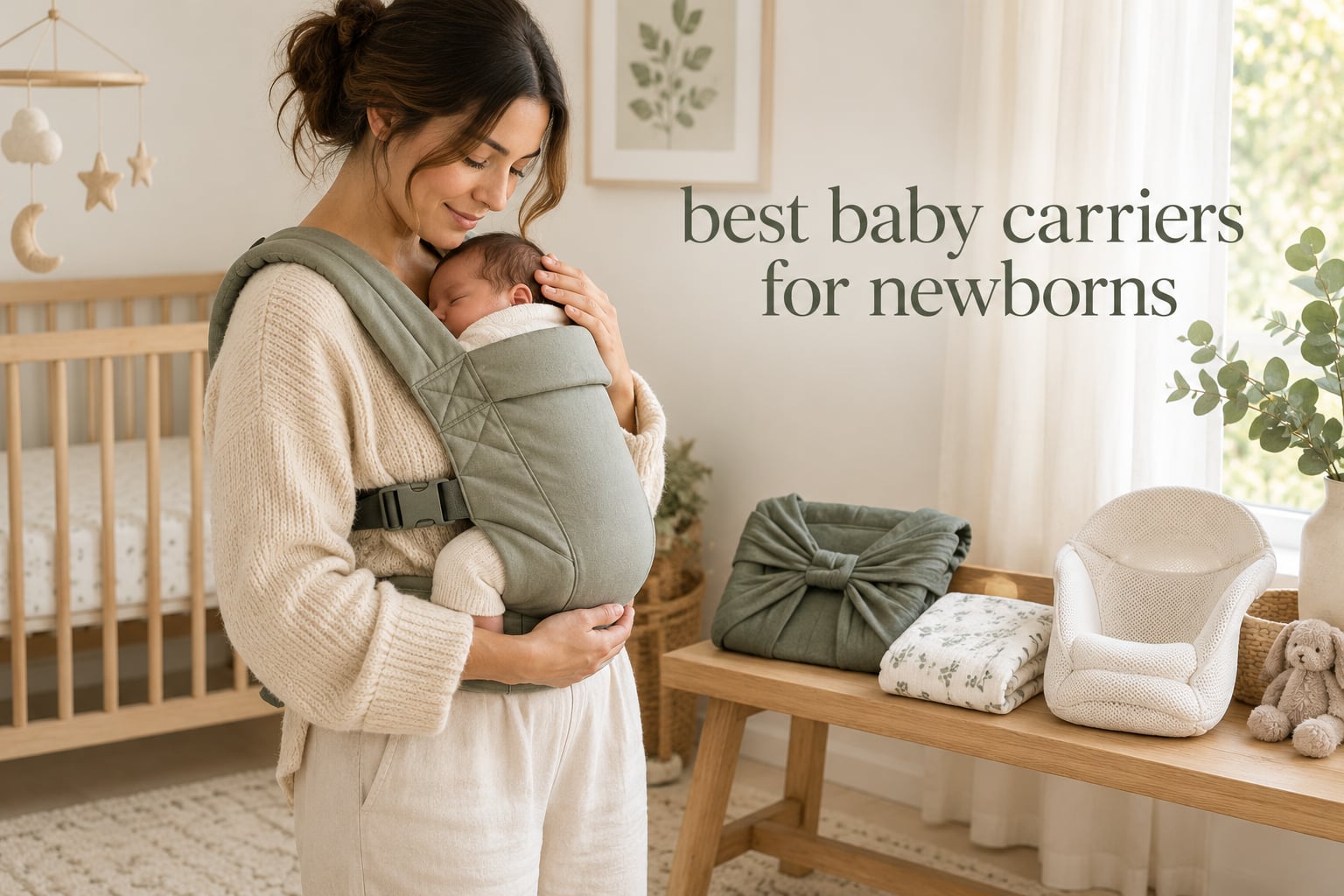
The best baby carriers for newborns are the Boba Baby Wrap for a close, all-in-one wrap, and the Ergobaby Embrace if you want a buckle carrier that goes on in seconds. Both are rated from 7 lb, hold a newborn in an M-shape seat with the knees higher than the bottom, and need no separate insert.
That last detail is where most buying guides go quiet. Nearly every structured carrier on the market prints a 7 lb minimum on the box, but plenty of them are still visibly too roomy for a 5 or 6 lb baby in the first two weeks of life. The honest answer is that the printed rating and the real newborn floor are not always the same number, and we will get into exactly where the gap is below.
We spent weeks comparing eight carriers that are all genuinely newborn-rated, weighing the things that actually decide whether a carrier gets used at 2am: head and neck support, seat width, how hot it gets, and how fast you can get it on and off one-handed. Every pick below states its weight range in pounds, and every one carries a documented drawback.
ContentsTable of Contents
- 1Top 3 Newborn Baby Carriers in 2026→
- 2Boba Baby Wrap→
- 3Ergobaby Embrace→
- 4FRUITEAM 6-in-1→
- 5Best Baby Carriers for Newborns in 2026: Quick Comparison→
- 61. Boba Baby Wrap: The Best Baby Carrier for Newborns Overall→
- 7Boba Baby Wrap Carrier – Stretch Cotton Newborn Sling, Grey→
- 8Pros→
- 9Cons→
- 10Is the Boba Wrap worth the learning curve?→
- 11Is the Boba Wrap too hot in summer?→
- 122. Ergobaby Embrace: Best Buckle Carrier for a Newborn→
- 13Ergobaby Embrace Newborn Baby Carrier for Infants 0-12 Months→
- 14Pros→
- 15Cons→
- 16Does the Embrace fit a very small newborn?→
- 17Do you need a second carrier once your baby outgrows it?→
- 183. FRUITEAM 6-in-1: Best Newborn Carrier for Hot Climates→
- 19FRUITEAM Head Support Baby Carrier Newborn to Toddler, Safety-Certified→
- 20Pros→
- 21Cons→
- 22Is the FRUITEAM carrier good for a small newborn?→
- 23Will the waist belt fit a larger body?→
- 244. MOMTORY 6-in-1: Best Newborn Carrier for Versatility→
- 25MOMTORY Safety-Certified 6-in-1 Baby Carrier Newborn to Toddler, Black→
- 26Pros→
- 27Cons→
- 28Can one carrier cover newborn through toddler?→
- 29Is it safe for a newborn with no head control?→
- 305. BabyBjorn Baby Carrier Mini: Best for the First Six Months→
- 31BabyBjörn Baby Carrier Mini, Light Beige, 3D Jersey | Newborn Carrier, Ergonomic, Easy-to-Use→
- 32Pros→
- 33Cons→
- 34Is the Mini too small for a newborn?→
- 35Does the Mini stay cool in hot weather?→
- 366. Boba Bliss: Best Newborn Carrier for Buckle Ease→
- 37Boba Bliss Pre-Wrapped Baby Wrap Carrier, Newborn Sling, Black→
- 38Pros→
- 39Cons→
- 40Is the Boba Bliss easier than a stretch wrap?→
- 41Will it last past the newborn stage?→
- 427. Momcozy Baby Wrap: Best Budget Newborn Wrap→
- 43Momcozy Baby Wrap Carrier, Easy-On 2-Piece Design, Newborn to 33 lb→
- 44Pros→
- 45Cons→
- 46Is a polyester wrap as comfortable as cotton?→
- 47Is this wrap good for newborn head support?→
- 488. GROWNSY Newborn Carrier: Best for Newborn Lumbar Support→
- 49GROWNSY Newborn Carrier, Ergonomic, Cozy Baby Carrier, Cream→
- 50Pros→
- 51Cons→
- 52Does the EVA waist cushion really help back pain?→
- 53When should I move to a different carrier?→
- 54Can I Put a 1-Week-Old in a Baby Carrier? The Real Weight Floor→
- 55How to Choose a Newborn Baby Carrier→
- 56Babywearing Safety: The TICKS Rule and Hip Position→
- 57When Not to Use a Baby Carrier→
- 58Frequently Asked Questions→
- 59Which carrier is best for a newborn?→
- 60Can I put my 1 week old in a baby carrier?→
- 61What is the safest baby carrier for a newborn?→
- 62What baby carrier does a pediatrician recommend?→
- 63Do I need a newborn insert?→
- 64What are the downsides of using a baby carrier?→
- 65Does babywearing help prevent a flat head?→
- 66Do I need more than one baby carrier?→
- 67The Bottom Line: Which Newborn Carrier Should You Buy?→
Top 3 Newborn Baby Carriers in 2026
Three of these eight earned a badge for being the strongest option in a specific situation rather than simply the most expensive. Here is the short version before the full write-ups.

Boba Baby Wrap
- Stretch cotton
- 7-35 lbs
- Hip-Healthy certified
- No hardware to lose
Ergobaby Embrace
- Newborn-ready from birth
- Adjustable bucket seat
- IHDI hip-healthy
- Petite to 4XL

FRUITEAM 6-in-1
- Linen with 3D air-mesh
- 7-33 lbs
- Detachable hip seat
- Six carry positions
As an Amazon Associate we earn from qualifying purchases. CERTAIN CONTENT THAT APPEARS ON THIS SITE COMES FROM AMAZON. THIS CONTENT IS PROVIDED 'AS IS' AND IS SUBJECT TO CHANGE OR REMOVAL AT ANY TIME.
Best Baby Carriers for Newborns in 2026: Quick Comparison
If you want the category-labelled version first, here it is. These are the same eight carriers reviewed in detail below, sorted by the job each one does best.
Best overall: Boba Baby Wrap. Why it’s great: a 95% cotton, 5% spandex four-way stretch blend rated 7-35 lbs, IHDI hip-healthy, and no buckles or rings to fiddle with once it is on.
Best buckle carrier: Ergobaby Embrace. Why it’s great: a patented adjustable bucket seat with head and neck padding, purpose-built for 0-12 months rather than adapted from an adult carrier.
Best for hot weather: FRUITEAM 6-in-1. Why it’s great: natural linen with a roll-down 3D air-mesh front panel, rated 7-33 lbs from birth to 36 months.
Best buckle-plus-wrap hybrid: Boba Bliss. Why it’s great: pre-wrapped with three buckles, so no knots, rated 7-35 lbs.
Best budget easy-on wrap: Momcozy Baby Wrap. Why it’s great: a two-piece construction rated newborn to 33 lb with adjustable XXS-XXL sizing, so it still fits after delivery.
Best for the shortest newborn window: BabyBjorn Baby Carrier Mini. Why it’s great: purpose-made for 7-24 lbs with soft 3D jersey and padded head support.
Best for lumbar support: GROWNSY Newborn Carrier. Why it’s great: a foldable head and neck pad plus integrated EVA waist cushioning to take load off your lower back.
Best for maximum carry positions: MOMTORY 6-in-1. Why it’s great: six carry modes plus a usable hip seat, with pocket storage and an integrated drool bib.
Three quick safety rules before you buy anything: keep your baby close enough to kiss, keep their chin off their chest so the airway stays open, and check that the knees sit higher than the bottom in an M-shape before every single wear.
| # | Product | Key details | Where to buy |
|---|---|---|---|
| 1 | Boba Baby Wrap |
|
Check Latest Price |
| 2 | Ergobaby Embrace |
|
Check Latest Price |
| 3 | FRUITEAM 6-in-1 |
|
Check Latest Price |
| 4 |  MOMTORY 6-in-1 MOMTORY 6-in-1 |
|
Check Latest Price |
| 5 |  BabyBjorn Baby Carrier Mini BabyBjorn Baby Carrier Mini |
|
Check Latest Price |
| 6 |  Boba Bliss Boba Bliss |
|
Check Latest Price |
| 7 |  Momcozy Baby Wrap Momcozy Baby Wrap |
|
Check Latest Price |
| 8 |  GROWNSY Newborn Carrier GROWNSY Newborn Carrier |
|
Check Latest Price |
We earn from qualifying purchases. CERTAIN CONTENT THAT APPEARS ON THIS SITE COMES FROM AMAZON. THIS CONTENT IS PROVIDED 'AS IS' AND IS SUBJECT TO CHANGE OR REMOVAL AT ANY TIME.
1. Boba Baby Wrap: The Best Baby Carrier for Newborns Overall
Boba Baby Wrap Carrier – Stretch Cotton Newborn Sling, Grey
- 7-35 lbs
- 95% cotton 5% spandex
- Machine washable
- Hip-Healthy IHDI
Pros
- Extremely soft and forgiving stretch that survives repeated washing
- Babies commonly settle and sleep in it
- One size spans petite to plus-size wearers
- No buckles or rings to lose
- Free hands for chores and walks
Cons
- Long fabric trails on the floor for shorter wearers
- Runs warm and can overheat in hot weather
- Steep learning curve to tie and re-adjust
- Newborn head support needs a careful hand
We earn a commission, at no additional cost to you. CERTAIN CONTENT THAT APPEARS ON THIS SITE COMES FROM AMAZON. THIS CONTENT IS PROVIDED 'AS IS' AND IS SUBJECT TO CHANGE OR REMOVAL AT ANY TIME.
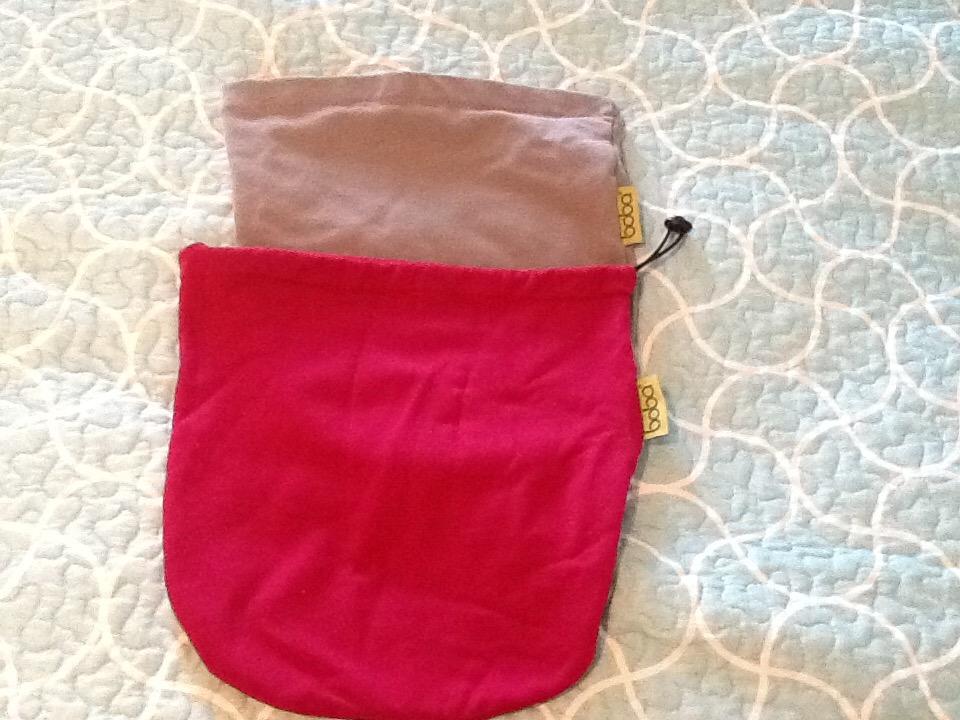
With 26k+ reviews behind it, the Boba Baby Wrap is the single most-proven pick in this roundup, and for a newborn stage it is hard to argue with. The fabric is a 95% cotton and 5% spandex four-way stretch blend rated from 7 to 35 lbs, and the reason it has stayed popular for so long is that it holds its shape after months of washing instead of going slack like cheaper knits.
What convinced our team was how little hardware is involved. There are no buckles, no rings, and no rigid panel that can dig into a small chest, so there is no way to create a pinch point by adjusting it wrong. The wrap conforms to the baby instead of the other way around, and the weight settles across hips and shoulders rather than concentrating in one spot.
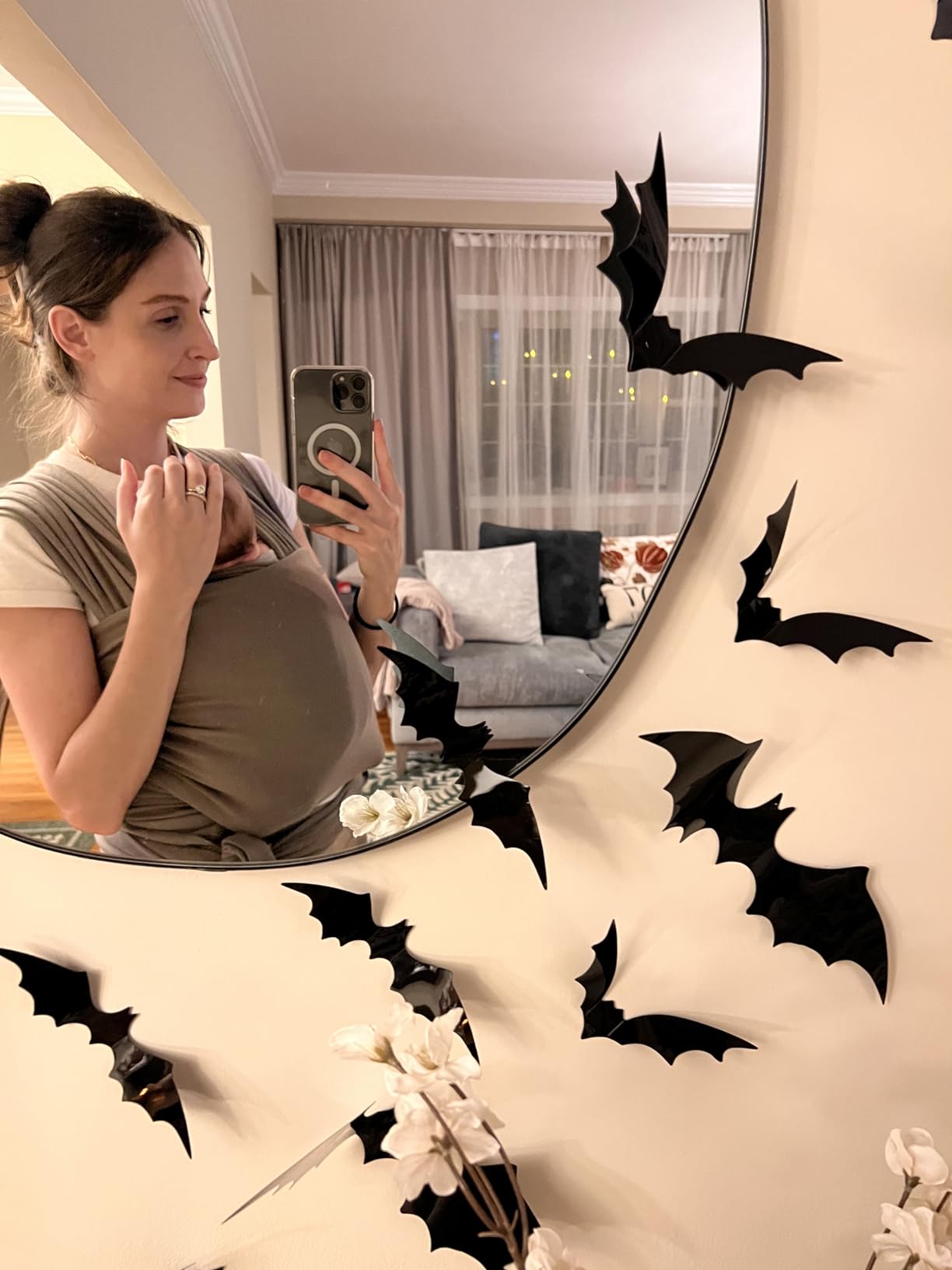
It is also IHDI hip-healthy and T.I.C.K.S. compliant, which for a newborn matters more than any feature list. The seat forms naturally with the knees tucked above the bottom, and the fabric is wide enough across the back to spread the load of a 20 lb toddler across both shoulders and the waist.
The catch is that a stretch wrap is a skill, and the skill is not instant. Expect the first few wears to take a while, and expect the tails to drag on the floor if you are shorter than the fabric was cut for. Both of those are real, and both of them get better with about a week of practice.
Is the Boba Wrap worth the learning curve?
Worth it, if you plan to wear your baby for hours at a time rather than quick trips. Once the tie is muscle memory, it is the fastest carrier here to get on for a calm baby, because there is nothing to thread, click, or tension one strap at a time. It also disappears under a coat, which no buckle carrier on this list manages.
Skip it if you are solo with a crying newborn and no help, because mid-wear adjustments with a floppy baby are genuinely awkward. In that situation a buckle carrier wins, and losing an hour to frustration in week one is how people end up disliking babywearing altogether.
Is the Boba Wrap too hot in summer?
Warm is the honest answer. A stretchy wrap traps air on both the baby side and the wearer side, and parents of larger babies in hot weather report overheating. If you are in a genuinely warm climate, the FRUITEAM carrier with its roll-down 3D air-mesh panel is the better summer option.
In mild weather the tradeoff basically disappears, and layering is the fix: a single light muslin layer over your baby makes a huge difference in how the wrap performs. Just check the back of your neck and the back of the baby head regularly, because fabric carriers hide heat buildup where you cannot see it.
We earn a commission, at no additional cost to you. CERTAIN CONTENT THAT APPEARS ON THIS SITE COMES FROM AMAZON. THIS CONTENT IS PROVIDED 'AS IS' AND IS SUBJECT TO CHANGE OR REMOVAL AT ANY TIME.
2. Ergobaby Embrace: Best Buckle Carrier for a Newborn
Ergobaby Embrace Newborn Baby Carrier for Infants 0-12 Months
- Ages 0-12 months
- Adjustable bucket seat
- Head and neck padding
- Petite to 4XL
Pros
- Purpose-built for the first 12 months with newborn head padding
- Adjustable seat and panel grow with the baby
- Soft knit moulds to baby and wearer
- Waistbelt moves load off the shoulders
- Quick adjustment points suit multiple caregivers
Cons
- Only two carry positions limits versatility
- Fixed soft structure is less breathable than a wrap
- Needs a second carrier for facing out beyond infancy
We earn a commission, at no additional cost to you. CERTAIN CONTENT THAT APPEARS ON THIS SITE COMES FROM AMAZON. THIS CONTENT IS PROVIDED 'AS IS' AND IS SUBJECT TO CHANGE OR REMOVAL AT ANY TIME.
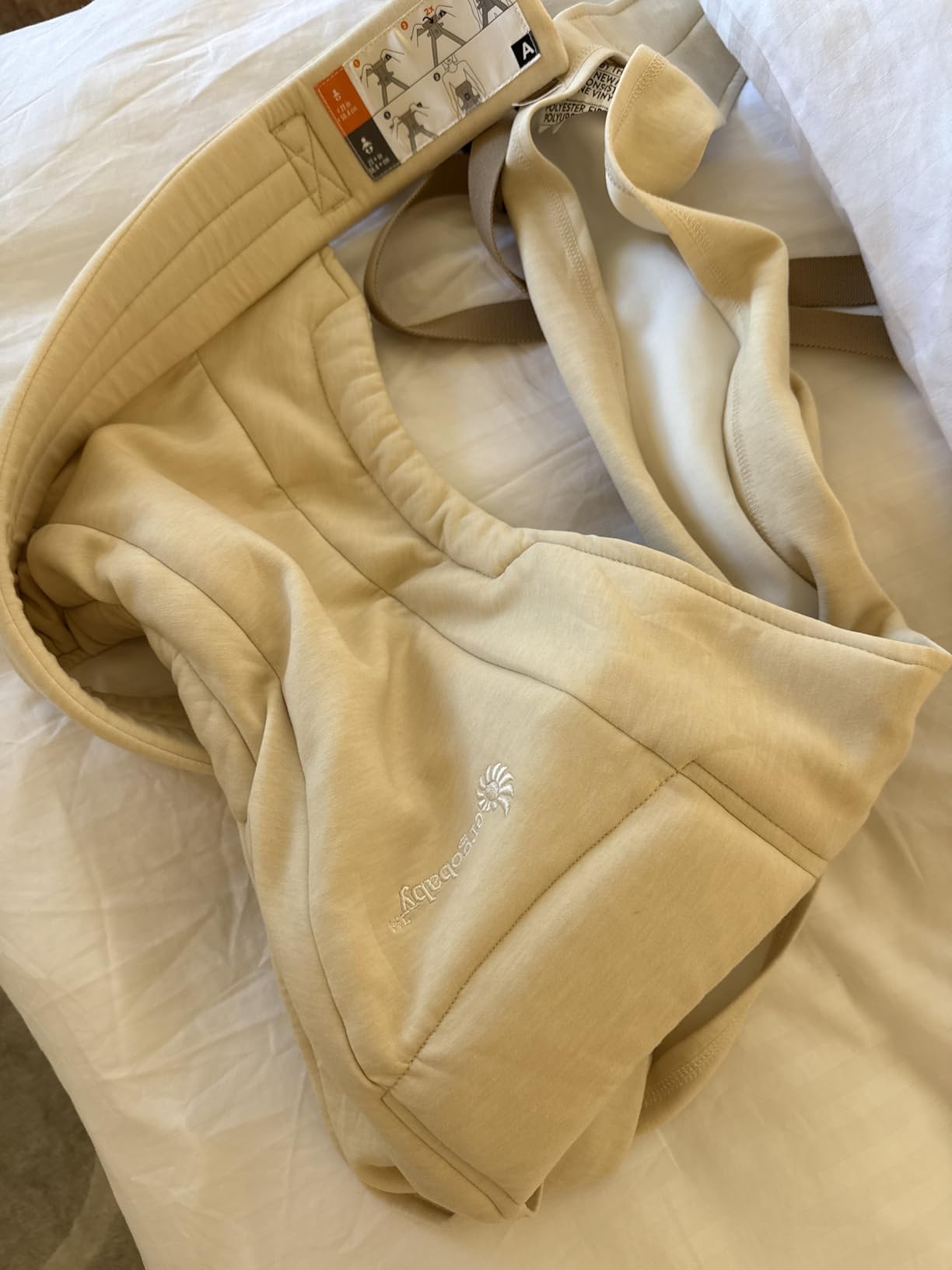
Where the Boba wins on softness, the Ergobaby Embrace wins on speed. It is a two-position soft structured carrier rated for ages 0-12 months, and unlike most structured carriers it is not an adult model with a bucket strapped onto the front. The head and neck padding is built into the body of the carrier from the start.
The patented adjustable bucket seat is the piece that matters for a newborn. Rather than a fixed panel that either pinches a 6 lb baby or leaves a 10 lb baby floating, the seat narrows as your baby grows, keeping the M-shape and the knees-above-bottom position intact. Owners repeatedly mention the adjustable panel as the reason the carrier lasts through the entire first year.
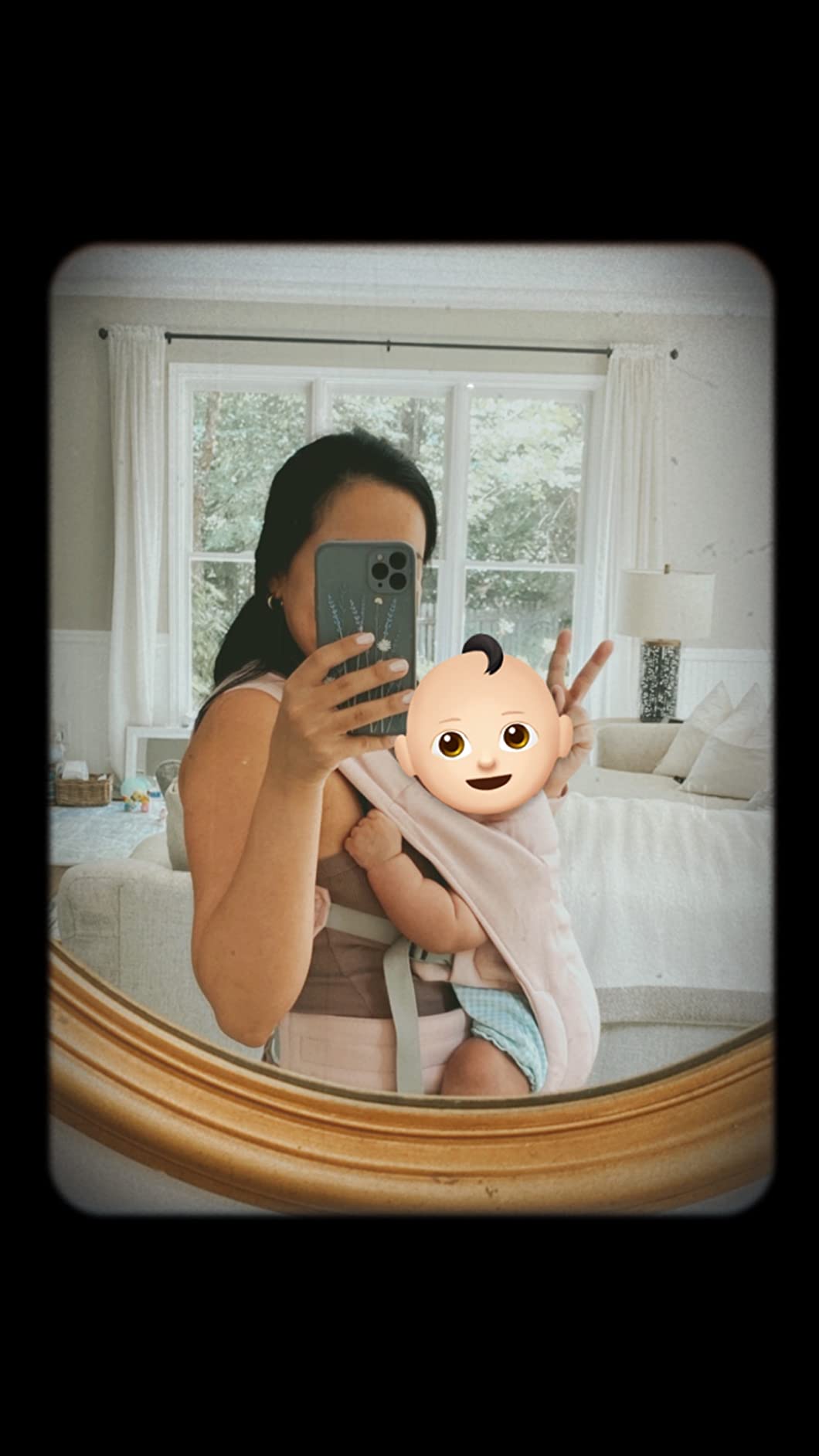
It is also International Hip Dysplasia Institute approved, and the supportive waistbelt with spreadable shoulder straps does something a strap-only carrier cannot: it moves the load onto your hips. That matters a great deal at hour three of wear, and it is the difference between a carrier you keep and one that ends up on a hook by the door.
The cross-back strap option helps with load distribution over longer wears, and the adjustment points are simple enough that a second caregiver, a partner, or a sitter can set it up correctly without a tutorial. For a family that hands the baby off between caregivers, that is not a minor feature.
Does the Embrace fit a very small newborn?
Yes, and this is the specific reason it earns a place on a newborn-only list. Many structured carriers print a 7 lb minimum but are proportioned for a bigger baby, so the head floats and the body slumps. The Embrace has dedicated newborn head and neck padding built into the carrier, which keeps a small head supported rather than merely contained.
One honest limitation: it is a soft knit, and a soft knit is not as cool as mesh or as open as a stretch wrap. In high heat you will be peeling layers off both yourself and your baby. The Boba wrap breathes a little better, and the FRUITEAM carrier breathes considerably better.
Do you need a second carrier once your baby outgrows it?
You can get a long way on the Embrace alone because the panel and seat both adjust, but it is a two-position carrier: facing in and facing out. Once your baby is around 6 months and wants to see the world, the facing-out position on this carrier is no longer the safe choice because there is no head support out front.
So yes, most families end up adding a second carrier somewhere between 6 and 9 months, usually an all-position model such as the FRUITEAM or MOMTORY. Treat the Embrace as the newborn specialist and plan the next one as a toddler purchase rather than a replacement.
We earn a commission, at no additional cost to you. CERTAIN CONTENT THAT APPEARS ON THIS SITE COMES FROM AMAZON. THIS CONTENT IS PROVIDED 'AS IS' AND IS SUBJECT TO CHANGE OR REMOVAL AT ANY TIME.
3. FRUITEAM 6-in-1: Best Newborn Carrier for Hot Climates
FRUITEAM Head Support Baby Carrier Newborn to Toddler, Safety-Certified
- 7-33 lbs
- 0-36 months
- Natural linen with 3D air-mesh
- Six carry positions
Pros
- Roll-down 3D air-mesh panel handles heat better than most
- Detachable hip seat doubles as a standalone seat
- Lightweight linen construction suits warm weather
- Roomy seat avoids pinching a small baby
- Zippered pockets and included sun cover
Cons
- Harder to load a baby into alone
- Wide waist belt can dig in on plus-size wearers
- Non-crossed strap geometry fatigues the back on long wears
- Some toddlers outgrow the carrier section before 36 months
We earn a commission, at no additional cost to you. CERTAIN CONTENT THAT APPEARS ON THIS SITE COMES FROM AMAZON. THIS CONTENT IS PROVIDED 'AS IS' AND IS SUBJECT TO CHANGE OR REMOVAL AT ANY TIME.
The FRUITEAM 6-in-1 is the answer for anyone carrying a newborn somewhere warm. The body is premium natural linen with a 3D air-mesh front panel that unzips and rolls down, which is the single most effective heat-management feature we found across all eight carriers. Rated 7-33 lbs from birth to 36 months, it is also the longest-lasting structured option here.
The detachable shoulder section is what owners call the standout feature. Unclip it and the same unit becomes a standalone hip seat for a sitting or lying baby, so you get a carrier and a seat from one piece of gear. That versatility is unusual at this tier, and it is why this model tends to pick up repeat buyers rather than one-time gift purchases.
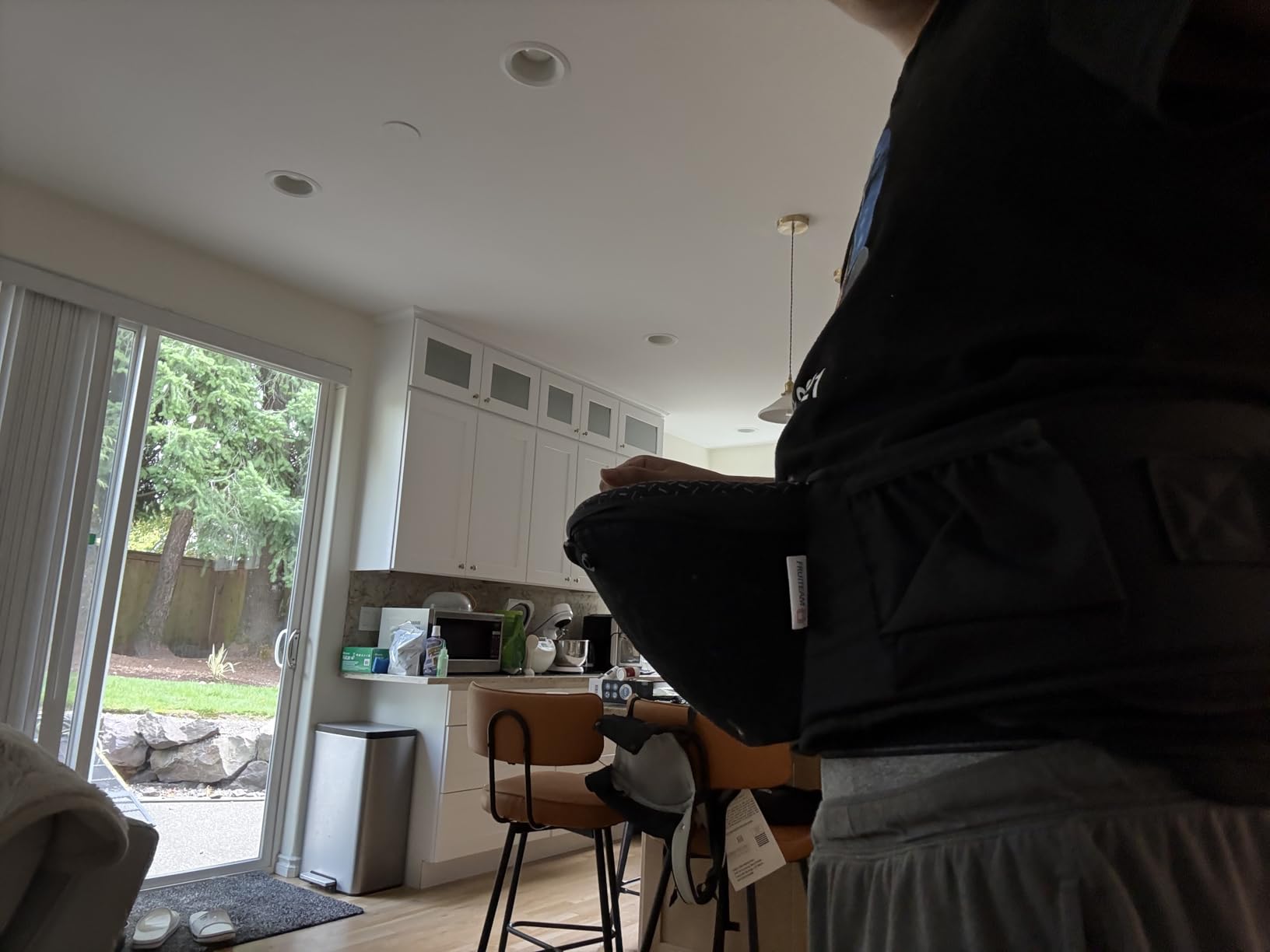
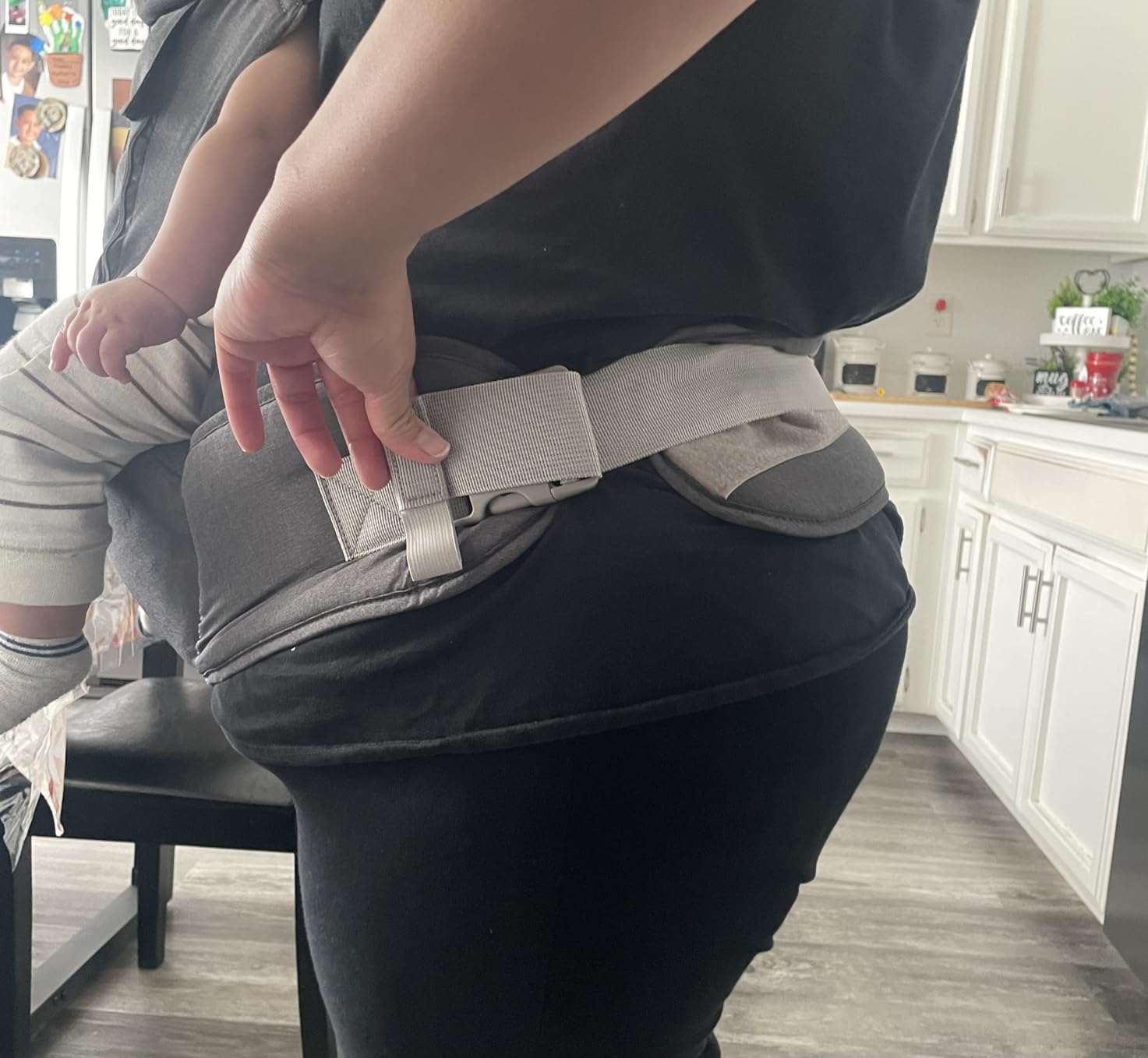
Safety-wise, the non-slip base holds the legs in a natural M position, the padded head and neck support detaches for when your baby outgrows it, and the wide waist belt with H-shaped padded lumbar straps and a non-slip chest clip spreads the load properly. The adjustable waistband runs from about 30 to 44 inches, which covers most bodies.
There is also practical day-out detail here that most carriers skip: front and side zippered storage pockets and an included sun cover. Small, but they are the difference between a carrier you use for a walk and a carrier you use for a full afternoon out.
Is the FRUITEAM carrier good for a small newborn?
It works, and the roomy seat is a deliberate design choice rather than an accident. A roomier seat is easier to get a newborn into correctly on the first try because you are not fighting fabric that is already too narrow, and the detachable padded head and neck support handles a floppy head properly.
The trade-off is bulk. This is a six-position carrier with a detachable hip seat, and getting a baby into it alone takes two hands. If you are the only adult handling a crying newborn, that matters more than the feature list suggests, and the buckle-only Boba Bliss is faster.
Will the waist belt fit a larger body?
Sometimes, and this is the most common criticism. The belt tops out at roughly 44 inches, so it is fine for most wearers but can dig in above that range, particularly over a larger belly in the postpartum months. The H-shaped lumbar straps help with back fatigue, but the straps are not crossed, which is what long-wear reviewers flag as tiring over many hours.
If you are plus-size, check the waist range carefully before committing and plan to wear the belt high on the natural waist rather than low on the hips. If you know you will be wearing it for multi-hour stretches, a carrier with a proper lumbar pad and crossable straps, such as the GROWNSY, is the better long-wear fit.
We earn a commission, at no additional cost to you. CERTAIN CONTENT THAT APPEARS ON THIS SITE COMES FROM AMAZON. THIS CONTENT IS PROVIDED 'AS IS' AND IS SUBJECT TO CHANGE OR REMOVAL AT ANY TIME.
4. MOMTORY 6-in-1: Best Newborn Carrier for Versatility
MOMTORY Safety-Certified 6-in-1 Baby Carrier Newborn to Toddler, Black
- Six carry positions
- Hip seat mode
- Pocket storage and drool bib
- Soft support core
Pros
- Six carry positions including a usable hip seat
- Soft fabric gentle on newborn skin
- Adjustable straps and waistband fit different body types
- Pocket storage removes the need for a separate bag
- Strong feature set for the money
Cons
- Shorter owner-feedback history than established brands
- Bulky at the shoulder when fully loaded
We earn a commission, at no additional cost to you. CERTAIN CONTENT THAT APPEARS ON THIS SITE COMES FROM AMAZON. THIS CONTENT IS PROVIDED 'AS IS' AND IS SUBJECT TO CHANGE OR REMOVAL AT ANY TIME.
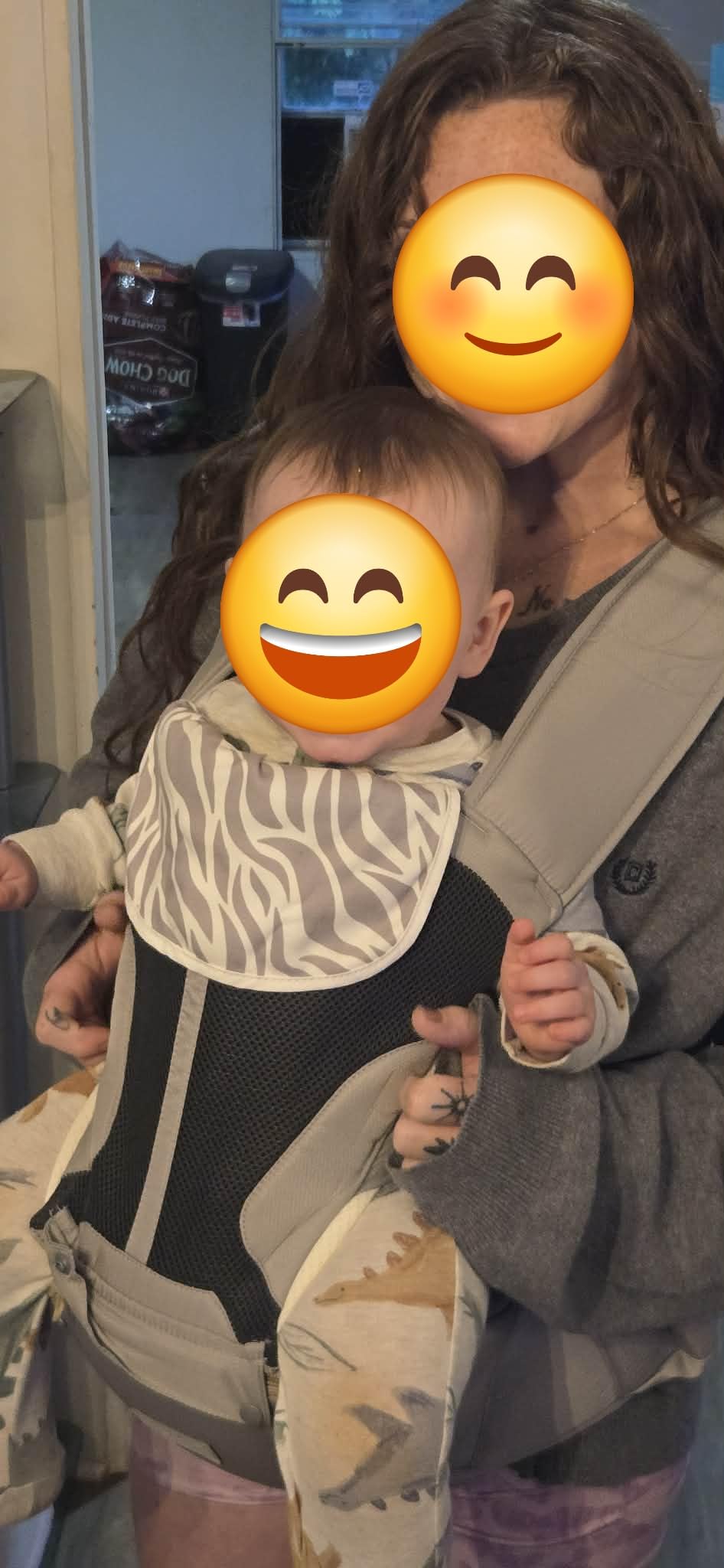
The MOMTORY 6-in-1 is the pick if you want one carrier that covers every stage without a second purchase. It runs front inward, front outward, back carry, and a hip seat mode that works for a sitting or lying baby, and the weight is distributed into the ergonomic M position rather than hanging from the shoulders.
Two details set it apart from other multi-position carriers at this level. The soft tummy protective core is designed to leave space over a postpartum abdomen, and the integrated drool bib plus pocket storage means you are not attaching a separate bag that will slide around the whole time you are walking.
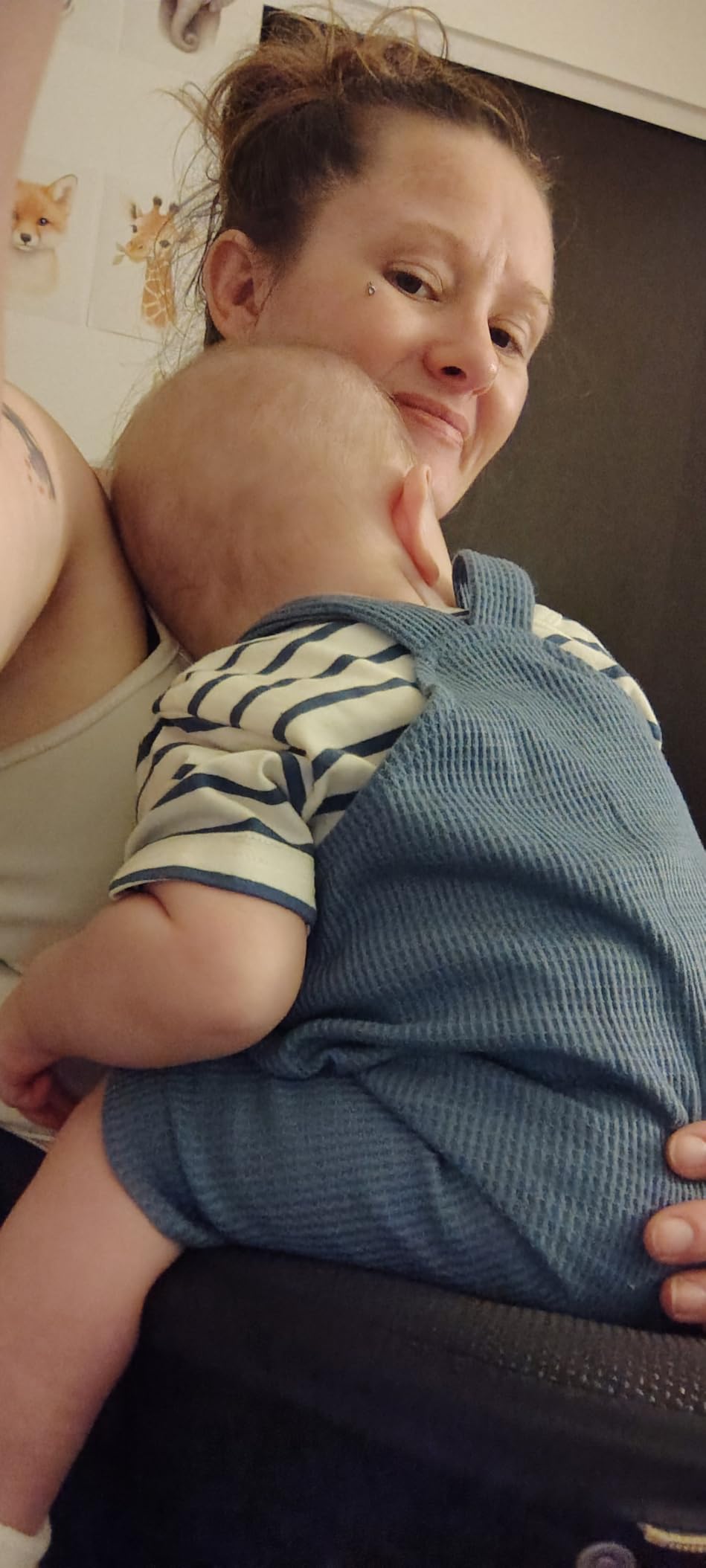
Adjustable shoulder straps and a waist strap handle different body types, which matters if more than one person is wearing it. The fabric is 100% premium and soft enough for newborn skin contact, and the newborn support core does not need to be bought separately.
The honest caveat here is history. With under 2000 reviews, there is less long-term durability feedback than the Boba or Ergobaby have accumulated, and that is exactly the kind of information you wish you had at year three. A few owners also report the shoulder area feeling bulky when the carrier is fully loaded.
Can one carrier cover newborn through toddler?
On paper, yes: six positions including a hip seat covers birth, the facing-in and facing-out stages, back carry, and seated play. That is genuinely a newborn-through-toddler product, and it removes the most common complaint about single-carrier purchases, which is buying a newborn model and then replacing it at seven months.
In practice the flip side of that versatility is bulk. A carrier that does six things does not fold small, so it is a poor travel companion compared with the Boba wrap. If you want one carrier for home and everyday use, this works. If you fly often, pack something flatter.
Is it safe for a newborn with no head control?
Yes, provided you use the front inward position with the newborn support core in place from the first wear. The M-position seat and the padded core keep a small body from slumping into a position where the chin rests on the chest, which is the main airway risk with any carrier at this stage.
Do not use the facing-out or back carry positions until your baby has solid head and neck control, which for most babies is around six months. Back carry in particular needs a spotter and a practice run with a weighted doll first, because you cannot see the baby and you cannot check the airway instantly.
We earn a commission, at no additional cost to you. CERTAIN CONTENT THAT APPEARS ON THIS SITE COMES FROM AMAZON. THIS CONTENT IS PROVIDED 'AS IS' AND IS SUBJECT TO CHANGE OR REMOVAL AT ANY TIME.
5. BabyBjorn Baby Carrier Mini: Best for the First Six Months
BabyBjörn Baby Carrier Mini, Light Beige, 3D Jersey | Newborn Carrier, Ergonomic, Easy-to-Use
- 7-24 lbs
- 15 lbs max recommended
- 3D jersey or 3D mesh
- Padded head support
Pros
- Purpose-made for the newborn window rather than adapted from an adult carrier
- Step-in design with very little to adjust
- Soft breathable 3D jersey or 3D mesh fabric
- Highest 5-star share of any carrier here
- IHDI hip-healthy acknowledged
Cons
- Short usage window ending around 6 months or 15 lbs
- Only two front carry positions
- Premium price for the newborn stage alone
We earn a commission, at no additional cost to you. CERTAIN CONTENT THAT APPEARS ON THIS SITE COMES FROM AMAZON. THIS CONTENT IS PROVIDED 'AS IS' AND IS SUBJECT TO CHANGE OR REMOVAL AT ANY TIME.
The Baby Carrier Mini is the most tightly rated carrier in this roundup, and it is built for a narrower job than the others: the newborn window itself. It is rated 7-24 lbs with 15 lbs as the maximum recommended, and the manufacturer states an age range of newborn to approximately 6 months or 29.5 inches. That is a deliberate design choice, not a limitation they forgot to fix.
Because it was designed for a very young baby rather than adapted from a full-size carrier, the proportions are right. There is a padded head support for newborns as standard, the step-in ergonomic design has few adjustment points to get wrong, and the whole thing goes on in a single motion once you have the hang of it.
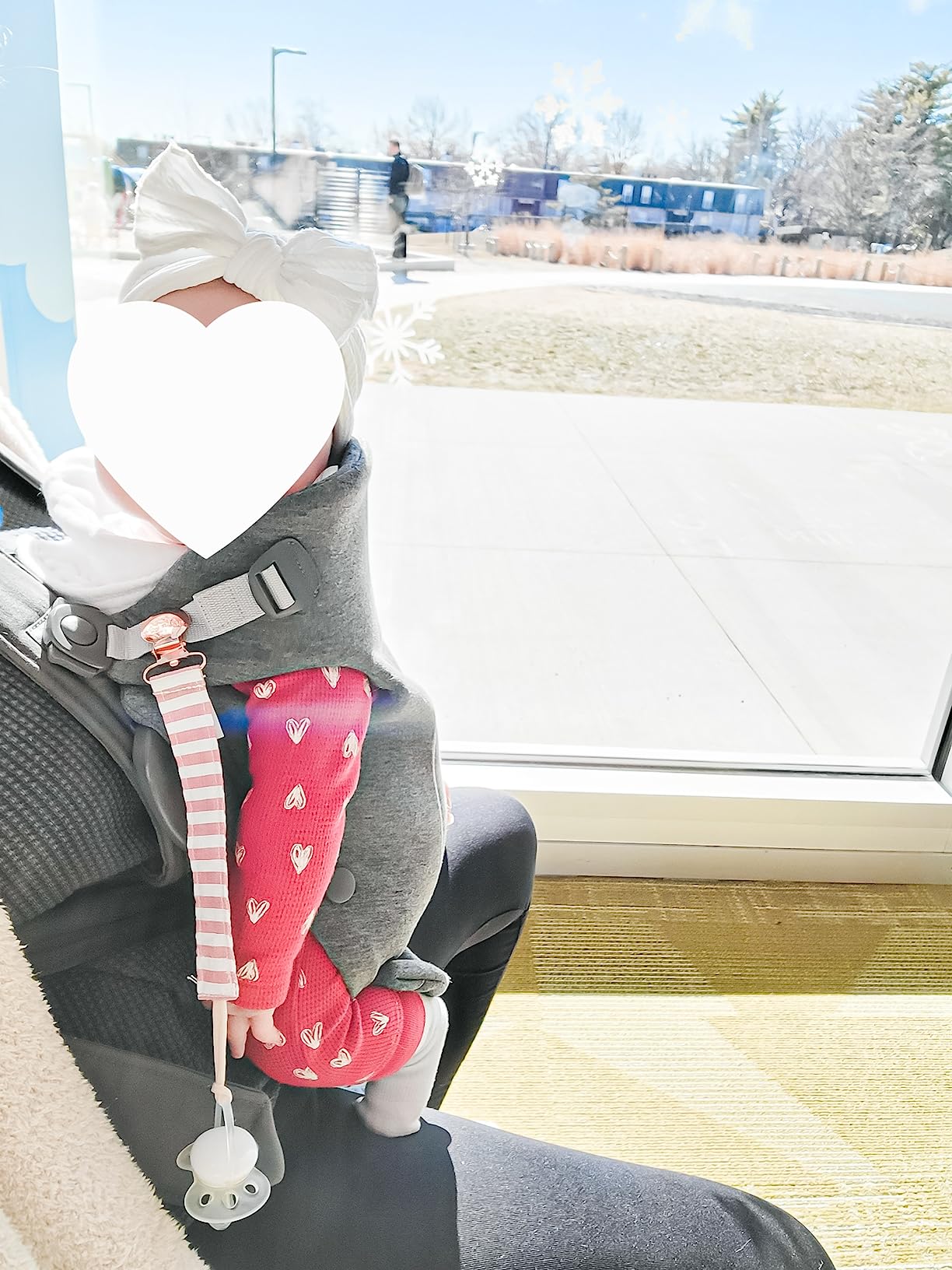
The material options are worth thinking about for climate. The 3D jersey and 3D mesh versions are noticeably airier than solid cotton, and mesh is the version to look at if you are carrying a newborn through a hot summer. It is also acknowledged as hip-healthy by the International Hip Dysplasia Institute.
The limitation is obvious and needs saying plainly: at 15 lbs recommended maximum, this carrier is done at around six months. If you buy it as your only carrier, you will be shopping again sooner than with almost anything else on this list.
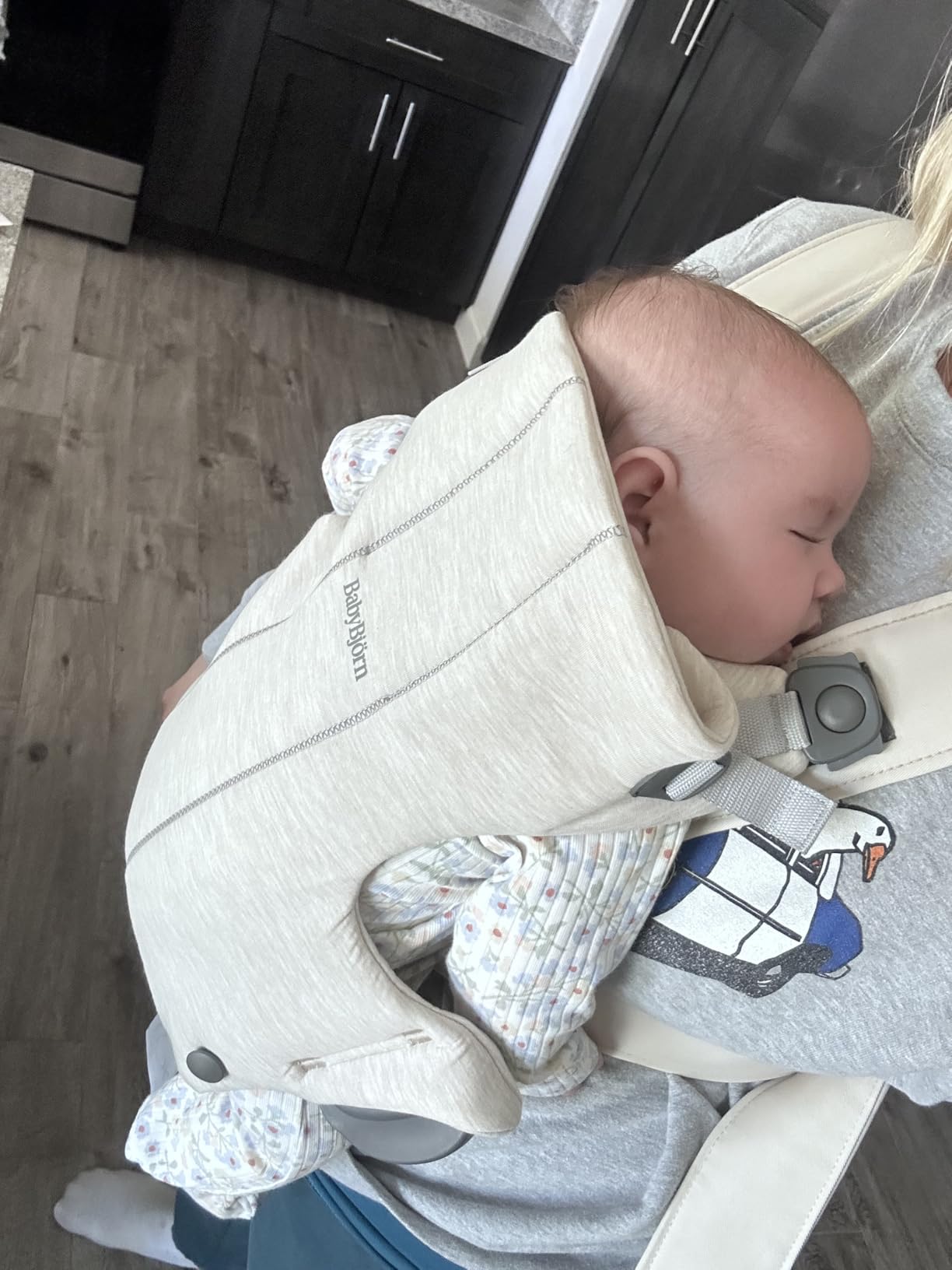
Is the Mini too small for a newborn?
No, it is the opposite. Compared with full-size carriers that advertise a 7 lb minimum, the Mini is proportioned for a genuinely small baby, and the padded head support fills the gap that leaves a small head floating inside a larger frame. For the first one to three months specifically, it is one of the more predictable fits in this roundup.
Note that the 15 lbs recommended maximum is a comfort ceiling, not a hard stop. Plenty of families use it comfortably past that, but do not buy it expecting a carrier that lasts to 20 or 25 lbs, because the seat will be outgrown well before toddlerhood.
Does the Mini stay cool in hot weather?
With the 3D mesh or 3D jersey version, yes, better than most. The three-dimensional knit creates airflow channels between the fabric and the baby’s body, which is why mesh versions of this design turn up so often in warm-climate parent recommendations.
The trade-off is that the smoother versions look better and feel nicer against skin, so you are choosing between appearance and airflow. If you are in a hot climate, take the mesh. If you are somewhere temperate, the satin-woven cotton is the more refined option and the difference will not matter to you.
We earn a commission, at no additional cost to you. CERTAIN CONTENT THAT APPEARS ON THIS SITE COMES FROM AMAZON. THIS CONTENT IS PROVIDED 'AS IS' AND IS SUBJECT TO CHANGE OR REMOVAL AT ANY TIME.
6. Boba Bliss: Best Newborn Carrier for Buckle Ease
Boba Bliss Pre-Wrapped Baby Wrap Carrier, Newborn Sling, Black
- 7-35 lbs
- Three buckles, no knots
- 92% cotton 8% spandex
- Machine washable
Pros
- No tying required
- which removes the biggest wrap learning curve
- Wrap-level softness with carrier-level convenience
- Gathered seat and padded leg openings suit a newborn
- Cross straps adjustable in length and width
- Breathable blend works in warmer weather
Cons
- Bulkier than a plain stretch wrap
- Less discreet under clothing than a tied wrap
- Shorter usage window than a full structured carrier
We earn a commission, at no additional cost to you. CERTAIN CONTENT THAT APPEARS ON THIS SITE COMES FROM AMAZON. THIS CONTENT IS PROVIDED 'AS IS' AND IS SUBJECT TO CHANGE OR REMOVAL AT ANY TIME.
The Boba Bliss exists to solve one very specific problem: parents who want wrap softness but refuse to learn a knot. It comes pre-wrapped with three buckles and no tying at all, and it is rated 7-35 lbs from newborn to early toddlerhood, so the weight range matches the Boba wrap exactly.
The gathered seat is the part that works well for a newborn. Rather than a rigid panel sized for a toddler, the fabric gathers around your baby and expands as they grow, and the padded leg openings stop the fabric from pressing into a small thigh. The cross straps adjust in both length and width, which means two caregivers of different sizes can each set it up properly.
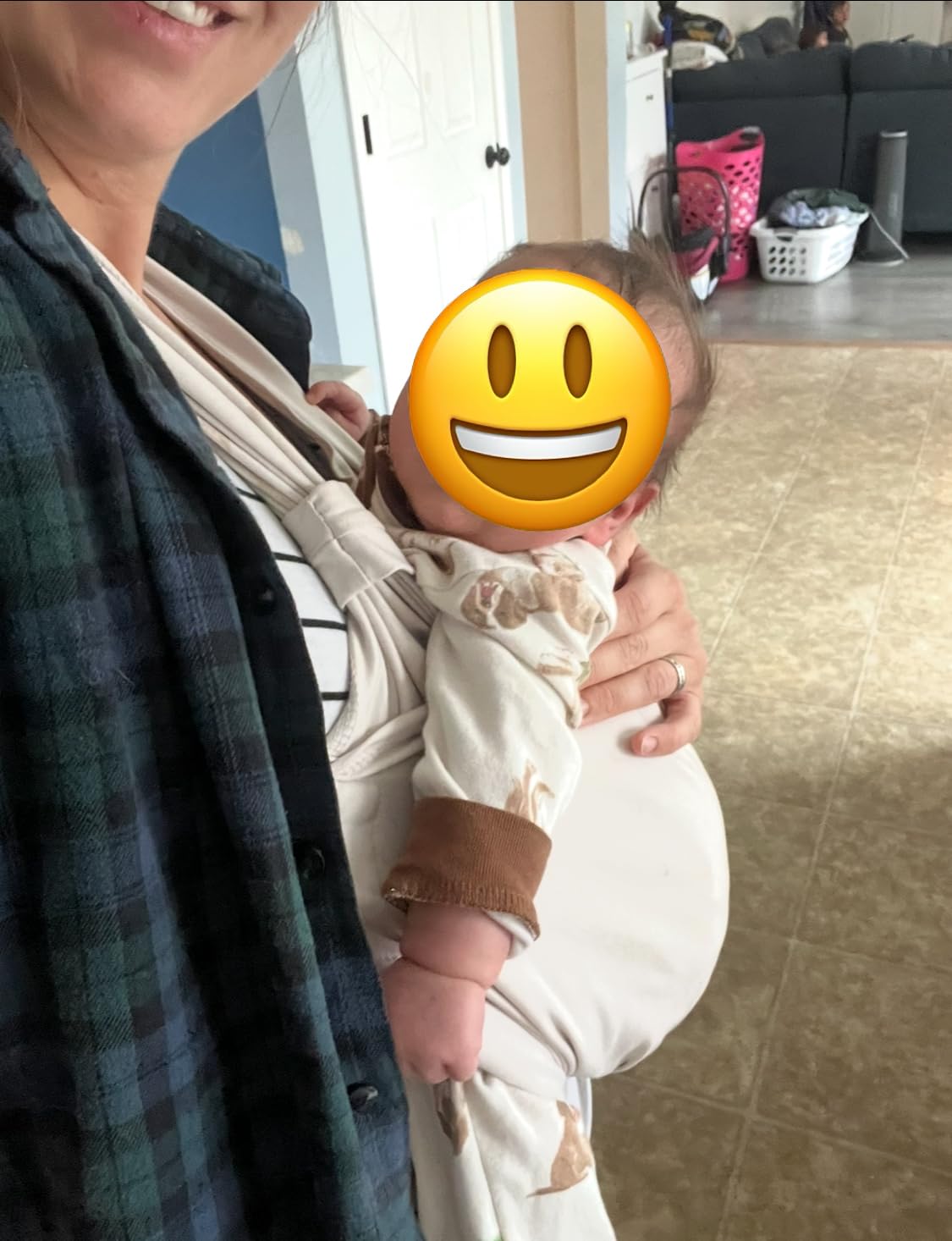
It is 92% cotton and 8% spandex, machine washable, and light enough for warmer weather than a heavy structured carrier. Parents who like the Boba Baby Wrap but found tying exhausting tend to end up here, and the newborn comfort is a close match.
What you give up is discreetness and packability. Under a coat it reads as a small structured carrier rather than nothing at all, and the buckled layers are bulkier than a single-piece stretch wrap. It is also a front-carry design, so it is a newborn and young-infant tool rather than an all-position one.
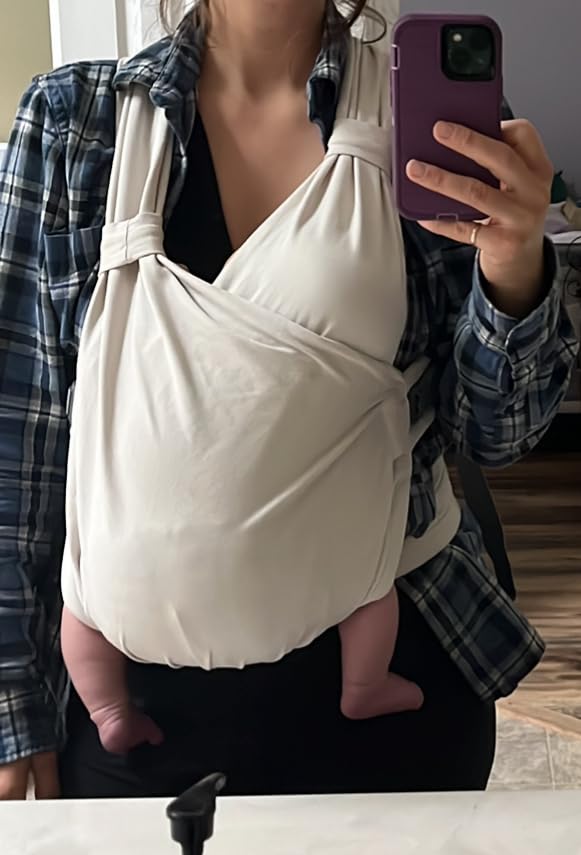
Is the Boba Bliss easier than a stretch wrap?
Considerably, yes. Three buckles and no knot removes the single most common reason people abandon wrap carriers, which is the ten-minute tie with a crying baby in one hand. You can pre-adjust it, clip it around the baby, and be moving in well under a minute once you know the sequence.
You still need a free hand to steady a newborn’s head during the clip, so it is not a one-hand operation on day one. But compared with tying a stretch wrap while holding a squalling infant, this is a completely different experience, and it is why the Bliss converts more nervous first-time wearers than the plain wrap does.
Will it last past the newborn stage?
To about 35 lbs, so on paper it is one of the longer-lasting options here. In practice, the limit is positional rather than weight-based: it is a front carrier without a back or hip mode, so you will eventually want a multi-position carrier once your baby starts wanting to see over your shoulder and then ride on your back.
Treating the Bliss as the newborn-and-young-infant carrier and adding a multi-position model later is the sensible path, and it is also a common pairing. The two together cover the first two years without you ever buying a third.
We earn a commission, at no additional cost to you. CERTAIN CONTENT THAT APPEARS ON THIS SITE COMES FROM AMAZON. THIS CONTENT IS PROVIDED 'AS IS' AND IS SUBJECT TO CHANGE OR REMOVAL AT ANY TIME.
7. Momcozy Baby Wrap: Best Budget Newborn Wrap
Momcozy Baby Wrap Carrier, Easy-On 2-Piece Design, Newborn to 33 lb
- Newborn to 33 lbs
- 95% polyester 5% spandex
- Two-piece design
- XXS to XXL adjustable
Pros
- Two-piece construction is markedly easier to put on than a one-piece wrap
- Adjustable sizing resists the loosening seen in traditional wraps
- Breathable back panel distributes weight
- Supports discreet breastfeeding without removing baby
- Lowest cost of the wraps compared here
Cons
- Polyester blend is less breathable than cotton or linen
- Two-piece seams are bulkier than a single-piece stretch wrap
- Less soft against newborn skin than a cotton wrap
We earn a commission, at no additional cost to you. CERTAIN CONTENT THAT APPEARS ON THIS SITE COMES FROM AMAZON. THIS CONTENT IS PROVIDED 'AS IS' AND IS SUBJECT TO CHANGE OR REMOVAL AT ANY TIME.
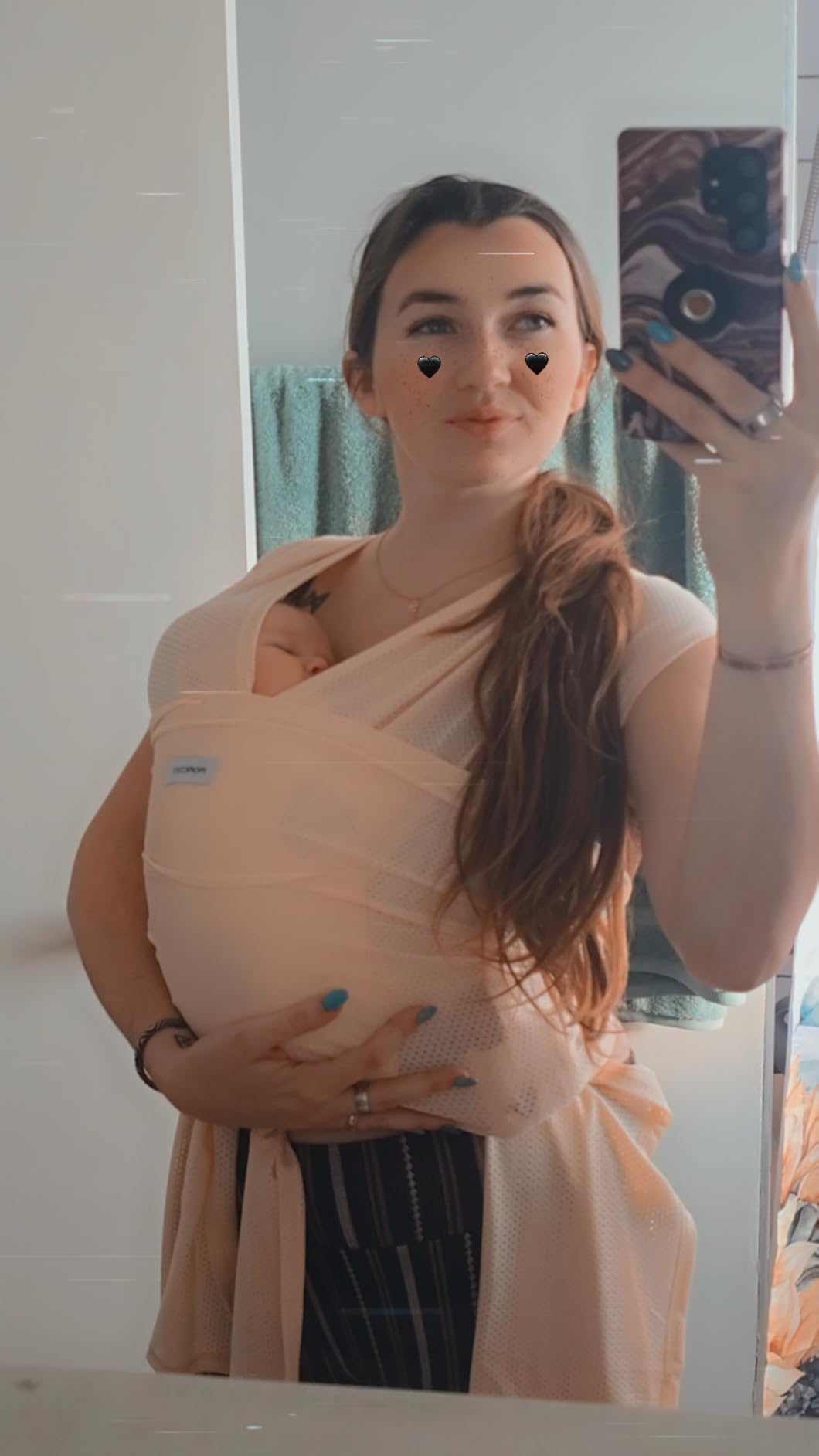
With nearly 10k reviews, the Momcozy Baby Wrap is the highest-volume budget pick here, and its whole reason to exist is a single design decision: splitting the wrap into two pieces. Instead of one continuous loop you have to thread and gather, you put the baby in the seat section and then fasten a T-shirt-style top over it with one hand.
That construction is why owners give it the feedback they do. It is genuinely easier to put on than a one-piece wrap, and the adjustable XXS to XXL sizing means the carrier still fits weeks after delivery when your body has changed, which is a real failure point for fixed-size wraps.
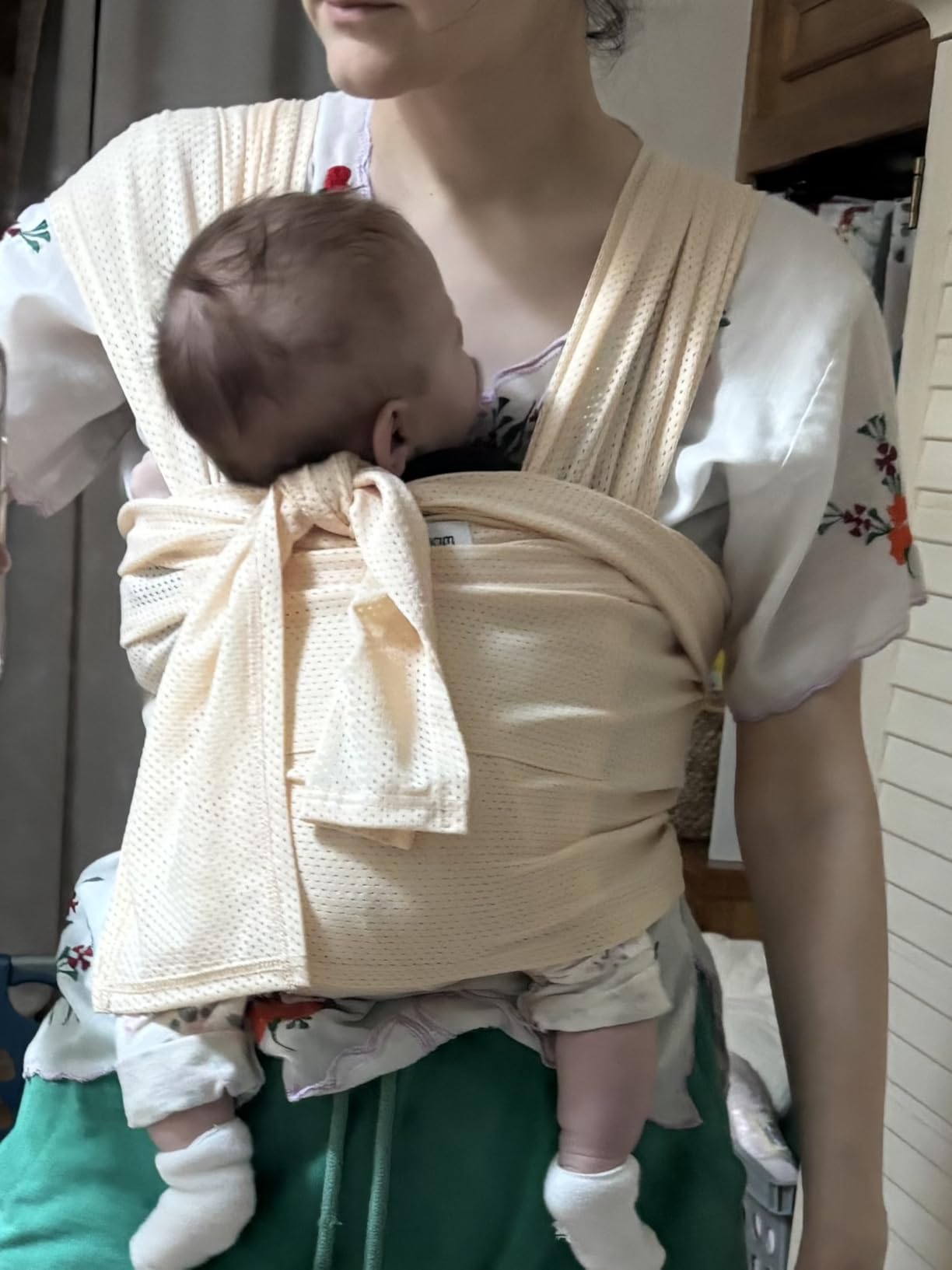
The baby is seated astride in an ergonomic position, the breathable back panel spreads the weight, and the design allows you to breastfeed while wearing it without removing the baby. Rated newborn to 33 lbs, it covers the full newborn stage and most of the first year.
The compromise is material. It is 95% polyester and 5% spandex, which is a step below the cotton and linen options on breathability and softness against newborn skin. The two-piece seams are also bulkier than a single-piece stretch wrap, so it is slightly more noticeable under clothing.
Is a polyester wrap as comfortable as cotton?
Close, but not quite. Cotton and linen wick moisture and stay cool as you heat up; polyester is slower to move moisture away and can feel warmer against a newborn’s skin during a long wear. The difference matters most in hot weather or with a baby who sweats easily.
Against that, the two-piece design is more forgiving of imperfect setup. A stretch wrap that is tied slightly wrong is genuinely unsafe, while this one cannot end up tangled around a baby’s neck, so for a first-time parent who is nervous about getting fabric right, that safety margin is worth a good deal.
Is this wrap good for newborn head support?
Yes, provided you use it correctly. Because the seat section is a fixed piece of fabric rather than something you gather yourself, the baby’s weight stays seated with the knees higher than the bottom, and the two-piece design makes that seat position easy to hold while you fasten the top section.
As with any stretch carrier, your hand should stay near a newborn’s head for the first several months, because there is no built-in headrest panel. Check the chin-off-chest position and the close-enough-to-kiss distance every time you put the baby in, and switch to a carrier with a padded head panel once your baby gets heavier and squirmier.
We earn a commission, at no additional cost to you. CERTAIN CONTENT THAT APPEARS ON THIS SITE COMES FROM AMAZON. THIS CONTENT IS PROVIDED 'AS IS' AND IS SUBJECT TO CHANGE OR REMOVAL AT ANY TIME.
8. GROWNSY Newborn Carrier: Best for Newborn Lumbar Support
GROWNSY Newborn Carrier, Ergonomic, Cozy Baby Carrier, Cream
- Newborn cradle
- Foldable head and neck pad
- EVA waist cushioning
- Quick-buckle
Pros
- Dedicated newborn cradle with foldable head and neck pad
- EVA waist cushioning gives real lumbar support
- Quick-buckle donning without wrap tying
- Soft breathable fabric for close newborn contact
Cons
- Newer listing with a smaller body of owner feedback
- Outgrown sooner than carriers rated to 35 lbs
- Less versatility than six-position models
We earn a commission, at no additional cost to you. CERTAIN CONTENT THAT APPEARS ON THIS SITE COMES FROM AMAZON. THIS CONTENT IS PROVIDED 'AS IS' AND IS SUBJECT TO CHANGE OR REMOVAL AT ANY TIME.
The GROWNSY Newborn Carrier is built around two specific problems: supporting a head that cannot support itself, and taking load off a lower back that is already dealing with postpartum recovery. The foldable head and neck pad is the answer to the first, and the integrated EVA waist cushioning is the answer to the second.
The waist cushioning is genuinely different from a flat belt. It fills the gap between your hip and your ribcage so the carrier load sits on a padded surface rather than on bare skin, and across a multi-hour wear that is the difference between a carrier you keep using and one you take off after an hour.
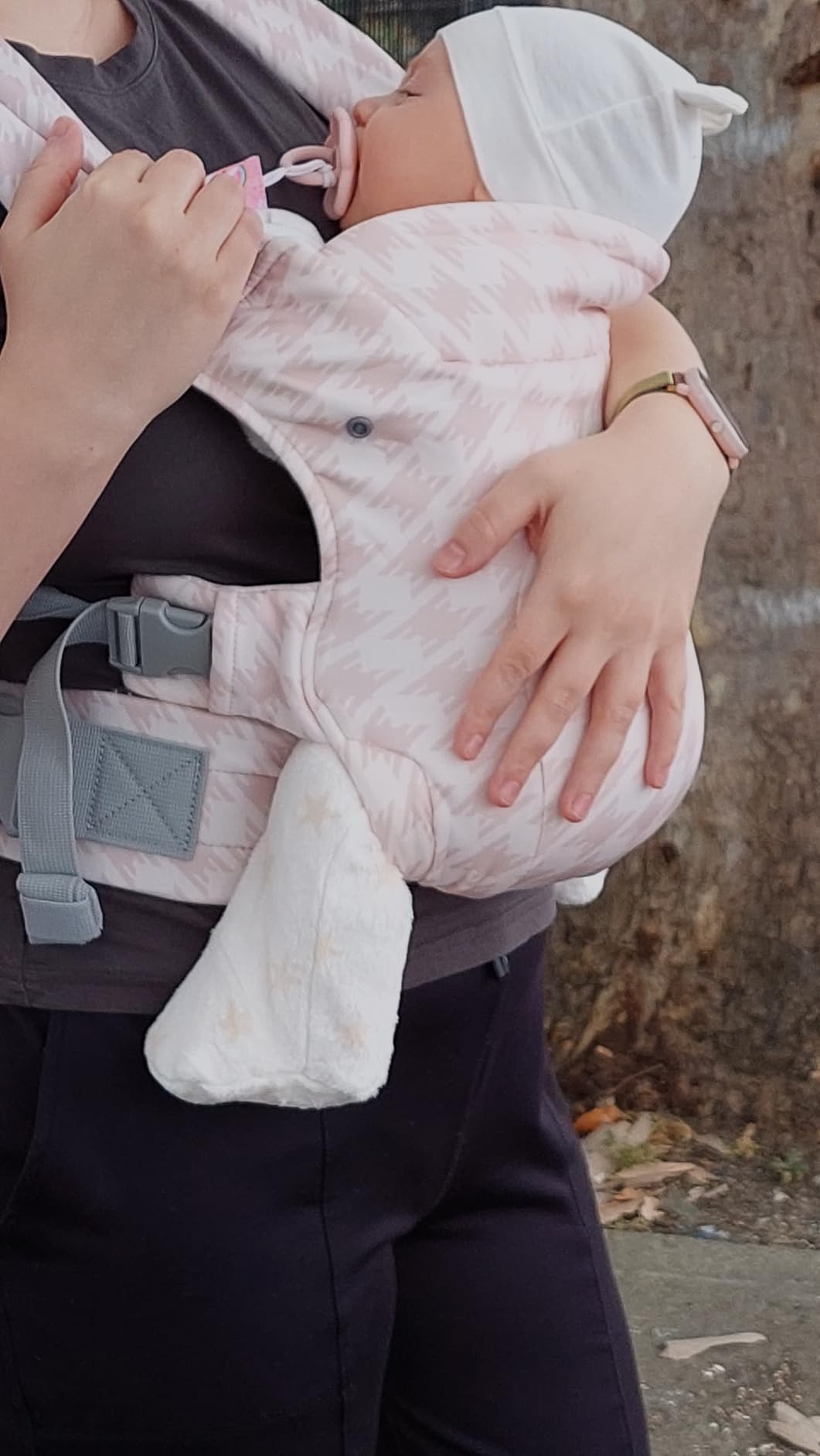
The buckle system means you get on and off quickly, which matters more than it sounds when your baby is crying and you are solo. The seat holds the natural M position for hip development, and the soft breathable fabric is designed for close newborn contact without a separate insert.
Two honest limits. This is a newborn-focused carrier rather than a long-range one, so you will outgrow it sooner than the models rated to 35 lbs. And with a shorter history of owner feedback than the Boba, Ergobaby, or BabyBjorn, the long-term durability picture is less well documented.
Does the EVA waist cushion really help back pain?
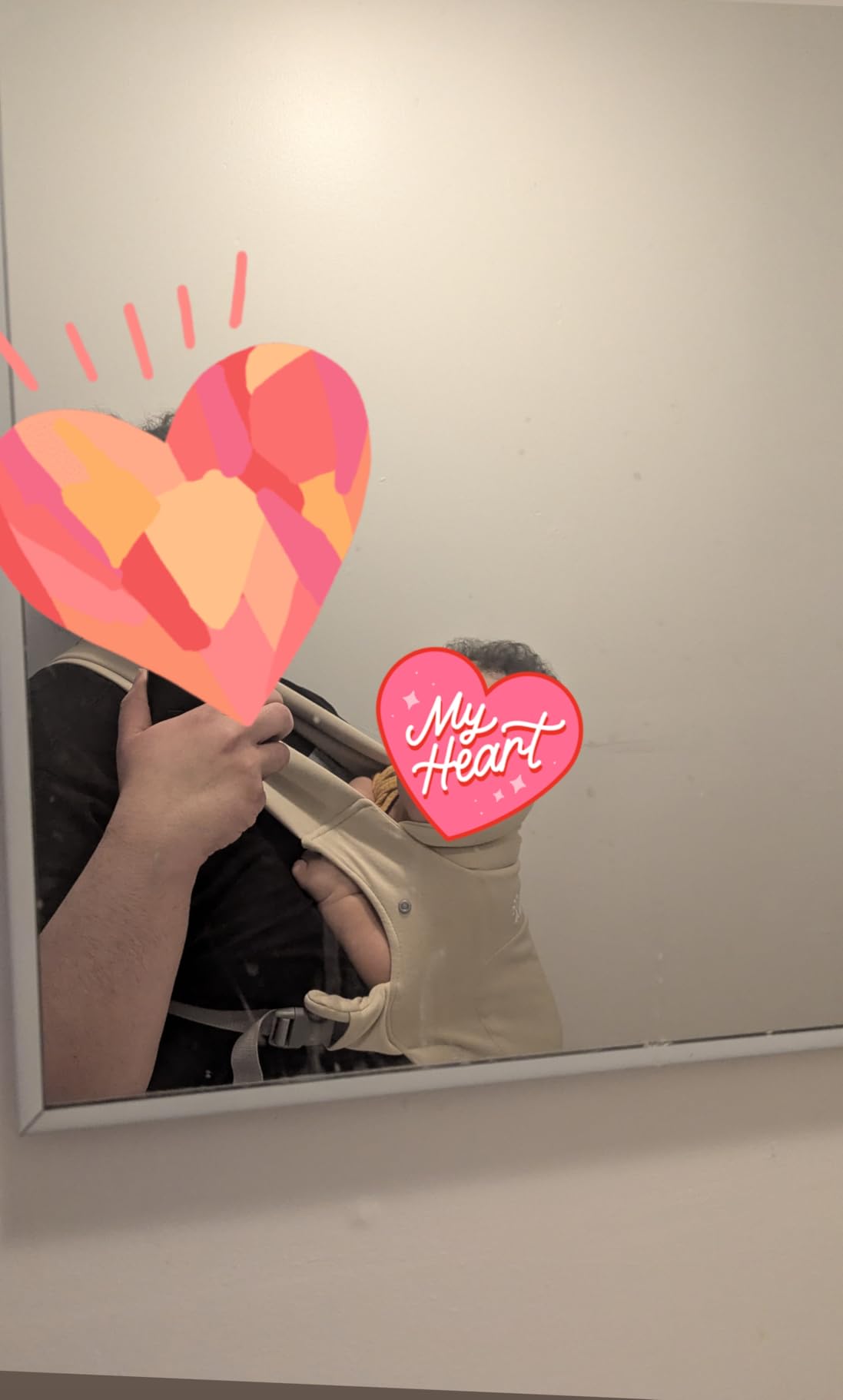
It helps with one specific kind of discomfort: pressure and aching across the lower back from a wide belt digging in over a long wear. It does not fix a weak core, and it will not stop you getting sore in week one when your body is adjusting to carrying weight for the first time.
What it does do is let you wear the carrier longer in one go. Most wearers who switch from a thin flat belt to a cushioned one report extending a single wear from an hour to two or three, and if you are planning to do a long walk or a chore-heavy afternoon, that extension is the whole point.
When should I move to a different carrier?
Move when your baby outgrows the seat, not when you get tired of the carrier. The head and neck pad folds flat for a bigger baby, but the seat itself is newborn-proportioned, so once your baby is filling it out with less knee room, it is time to change.
Also move up if you need more carry positions. This is a front-carry newborn carrier, so a baby around six months old who wants to look around and later ride on your back is a signal to switch to a six-position model such as the FRUITEAM or MOMTORY rather than stretching this one past its design.
We earn a commission, at no additional cost to you. CERTAIN CONTENT THAT APPEARS ON THIS SITE COMES FROM AMAZON. THIS CONTENT IS PROVIDED 'AS IS' AND IS SUBJECT TO CHANGE OR REMOVAL AT ANY TIME.
Can I Put a 1-Week-Old in a Baby Carrier? The Real Weight Floor
Yes, but understand the gap between the printed rating and the practical one. Nearly every carrier in this roundup states a 7 lb minimum, and for a full-term newborn weighing 7 lb or more that rating is accurate. The problem is the small babies below it, and the very smallest newborns are exactly when people try a carrier for the first time.
Here is the honest split. If your baby is under about 6 lb, or was born early, a stretch wrap or a two-piece wrap is the right first option. Fabric conforms to a small body, and because you control the tension by hand you can pull the fabric snug enough to hold a floppy newborn in an M-shape with your palm supporting the head.
At 6 to 7 lb, a soft structured carrier with dedicated newborn head padding, such as the Ergobaby Embrace, works well. Above 7 lb, essentially everything on this list opens up, and the deciding factors become heat, how many caregivers will use it, and how much you care about on-and-off speed.
Two safety notes for the smallest babies. Wait until your baby’s neck can turn and lift their head on their own before using any carrier, and if your baby was premature, low birth weight, or has any medical or breathing concerns, talk to your pediatrician before you start. Also plan on checks every ten minutes in the first weeks, because newborn head control develops fast and a fit that was correct last week can be wrong this week.
How to Choose a Newborn Baby Carrier
Most buying decisions on this list come down to four questions, and they are worth answering in this order.
Wrap or buckle? A stretch wrap is softer, more discreet under a coat, and spreads heat across your whole torso, but it takes practice and a free hand. A buckle carrier goes on in seconds and is far easier to hand to another caregiver, but it is bulkier and warmer. Safety-anxious first-time parents usually do better with the buckle; parents who plan to wear for hours usually end up preferring the wrap.
What is the real weight floor? Ignore the headline number for now and ask whether the carrier has a built-in head and neck support panel. That feature, not the printed minimum, is what determines whether a 5 to 7 lb newborn sits correctly inside the seat.
Who will actually wear it? If a partner, grandparent, or sitter will use it too, prioritise fast adjustment points and a wide fit range over refinement. The Momcozy wrap’s XXS to XXL sizing and the Ergobaby’s petite-to-4XL fit are both built for that handoff, and both mean nobody has to relearn the carrier.
What is your climate like? Mesh and 3D jersey for warm conditions, cotton or linen for temperate ones. Carriers with a roll-down mesh panel, such as the FRUITEAM, are the most flexible across seasons because the panel goes away when you no longer need the airflow.
Do you need one carrier or two? Plan on two if you can. One carrier covers the newborn stage comfortably and then you outgrow the positioning long before you outgrow the weight limit, which is normal and not a sign you chose badly. A good pairing is a buckle newborn carrier such as the Ergobaby Embrace for the first year, then a six-position model for the facing-out and back-carry stages.
Washability. Newborns spit up, and a carrier that cannot go in a machine will not survive the first year. All eight of these are washable; check the care label on the specific colourway before you commit.
Second-hand? Buy at home and inspect everything, or skip it. Used carriers are a mainstream choice, particularly for established brands with predictable hardware, but a buckle, a strap, or a structural panel can be fatigued in a way that is not visible until it fails under load. Buying a carrier that has already been through an unknown number of newborns is a risk to your baby that saves relatively little money.
Babywearing Safety: The TICKS Rule and Hip Position
Run these five checks every time you pick your baby up, before you lift them out of the cot and again after you have adjusted any strap. It takes about fifteen seconds and it is the single most useful thing to memorise before your baby arrives.
T is for Tight. The carrier should be snug enough that you cannot slide a flat hand between the fabric and your baby’s chest. A loose carrier lets the baby slump forward into a chin-on-chest position, and it can let a face sink into the fabric.
I is for In view. You should be able to see your baby’s face at all times. If you cannot see the face, you cannot check the airway, and you have no way of knowing the chin has drifted onto the chest.
C is for Close enough to kiss. Your baby’s head should be within kissing distance of your body. This is the easiest and most reliable rule on the list, and it works even when you cannot see the carrier’s construction.
K is for Keep chin off chest. There should be a clear gap between the chin and the chest so the airway stays open and the head does not tip forward. This is the rule that prevents positional asphyxia, and fabric carriers are where it is most often missed.
S is for Supported back. The back should be flat and supported in a natural C-curve, particularly for a newborn. A rounded, slumped back means the seat is not deep enough or the fabric is not snug enough.
On hips, the position to aim for is called the M-shape or spread-squat: knees higher than the bottom, legs spread wide, and weight through the seat rather than down the spine. Carriers that keep a newborn in an M-shape support healthy hip socket formation during the months when the hip is still forming, and the International Hip Dysplasia Institute acknowledges products that hold this position. A rule of thumb for safety certifications: IHDI recognition means hip-healthy positioning, ASTM F2236 and EN 13209-2 are structural and tipping standards for manufactured carriers, and the US Consumer Product Safety Commission publishes the broader safety criteria that anything sold in the US is expected to meet. None of them guarantee correct use, which is why the TICKS check still matters.
Do not use a carrier while cooking over heat, while driving as the person in a passenger seat without a seat belt over the carrier, or while your baby is sleeping unsupervised in one. Never use a carrier on stairs, and always check the fabric for a sound weave before each wear, because a small gap in a wrap is a genuine hazard.
When Not to Use a Baby Carrier
Carriers are not appropriate for everyone or in every situation, and asking the question is a sign of a careful caregiver rather than a nervous one.
Do not use a carrier if your baby was born premature, has a low birth weight, has a breathing or heart condition, or is under medical observation. Ask your pediatrician or neonatal team first in those cases. Also wait until your baby can turn their head freely and lift it briefly on their own, which usually lands between one and three months.
Do not use a carrier as a sleep space. Babies need to be moved to a flat, firm, separate sleep surface, because a carrier is not designed to support an unsupervised sleep, and soft surfaces carry their own risk.
There are honest downsides for the wearer too. Long wears load your shoulders, lower back, and pelvic floor, and a carrier with no lumbar support will make that worse faster. Carriers trap heat on both sides, which can cause overheating in a warm environment. And some babies genuinely dislike being worn, particularly before three months when head and neck control develops, which is normal and not a sign you are doing it wrong.
On the developmental side, carrying is a complement to floor time rather than a replacement for it. Supervised tummy time still matters for shoulder, arm, and core development, and babies who are carried for long stretches without floor time can be slower to build those muscles. A good rule is to vary the carry position, keep floor time in the day, and treat the carrier as one tool among several rather than the default state.
Frequently Asked Questions
Which carrier is best for a newborn?
The Boba Baby Wrap is the best overall newborn carrier because its four-way stretch cotton sits a 7-35 lb baby in an M-shape seat with no buckles or rings to adjust once it is on. For a buckle carrier instead, the Ergobaby Embrace is rated from birth with a padded head panel and an adjustable seat. Both are hip-healthy acknowledged and work without a separate insert.
Can I put my 1 week old in a baby carrier?
Usually yes, with care. Most carriers state a 7 lb minimum, which suits a full-term newborn at or above that weight. Below roughly 6 lb, a stretch wrap or two-piece wrap is the better first option because you control the fabric tension by hand and can support a floppy head with your palm. Check the fit every ten minutes in the early weeks.
What is the safest baby carrier for a newborn?
The safest newborn carrier is the one that passes the TICKS check every time: Tight, In view of the face, Close enough to kiss, Keep the chin off the chest, and a Supported flat back. Add an M-shape seat with knees higher than the bottom for healthy hip development. No brand matters more than getting those five things right on every single wear.
What baby carrier does a pediatrician recommend?
Pediatric guidance focuses on positioning rather than a specific brand. The consistent advice is full head and neck support, an open airway with the chin off the chest, legs in an M-shape with knees above the bottom, and a carrier worn close enough to kiss. Ask your own pediatrician about positioning and fit, and treat brand recommendations as a secondary consideration.
Do I need a newborn insert?
It depends on the carrier rather than your baby. A carrier with a built-in newborn head and neck support panel, such as the Ergobaby Embrace or the Baby Carrier Mini, works from birth without an insert. Full-size structured carriers rated from 20 or 25 lb usually need one. A stretch wrap needs no insert at all, because you control the fabric tension directly.
What are the downsides of using a baby carrier?
The honest downsides are wearer strain over long periods, trapped heat between you and your baby, and bulk. Carriers also do not replace supervised tummy time or a flat firm sleep surface, and some babies dislike being worn before three months. Premature, low birth weight, or medically fragile infants should not be carried without advice from a pediatrician first.
Does babywearing help prevent a flat head?
Not proven. Carrying your baby upright changes how long they spend in one position, which may reduce prolonged pressure on one area of the skull, but it is not an established prevention for flat head. Vary the carry position, avoid long stretches in a single seat angle, and keep doing supervised tummy time on the floor several times a day.
Do I need more than one baby carrier?
Most families end up with two, and it is not a mistake the first time round. A newborn buckle carrier such as the Ergobaby Embrace covers the first year well but only carries facing in and facing out. Add a six-position model such as the FRUITEAM or MOMTORY around six months for back carry and hip sitting, and you are covered through toddlerhood.
The Bottom Line: Which Newborn Carrier Should You Buy?
For most families, the Boba Baby Wrap is the right first purchase for a newborn: the softest option, the widest spread across body types, a 7-35 lb range, and the most owner history of anything we looked at. If you want something you can get on one-handed while holding a crying baby, buy the Ergobaby Embrace instead, and plan a six-position carrier for later.
Under 6 lb, start with a wrap regardless of which of the eight you choose. That is the one place where the printed weight rating genuinely misleads, and it is worth getting right in the first fortnight. Run the TICKS check every single wear, and whatever you buy in 2026, expect the first week to take some practice before it feels easy.