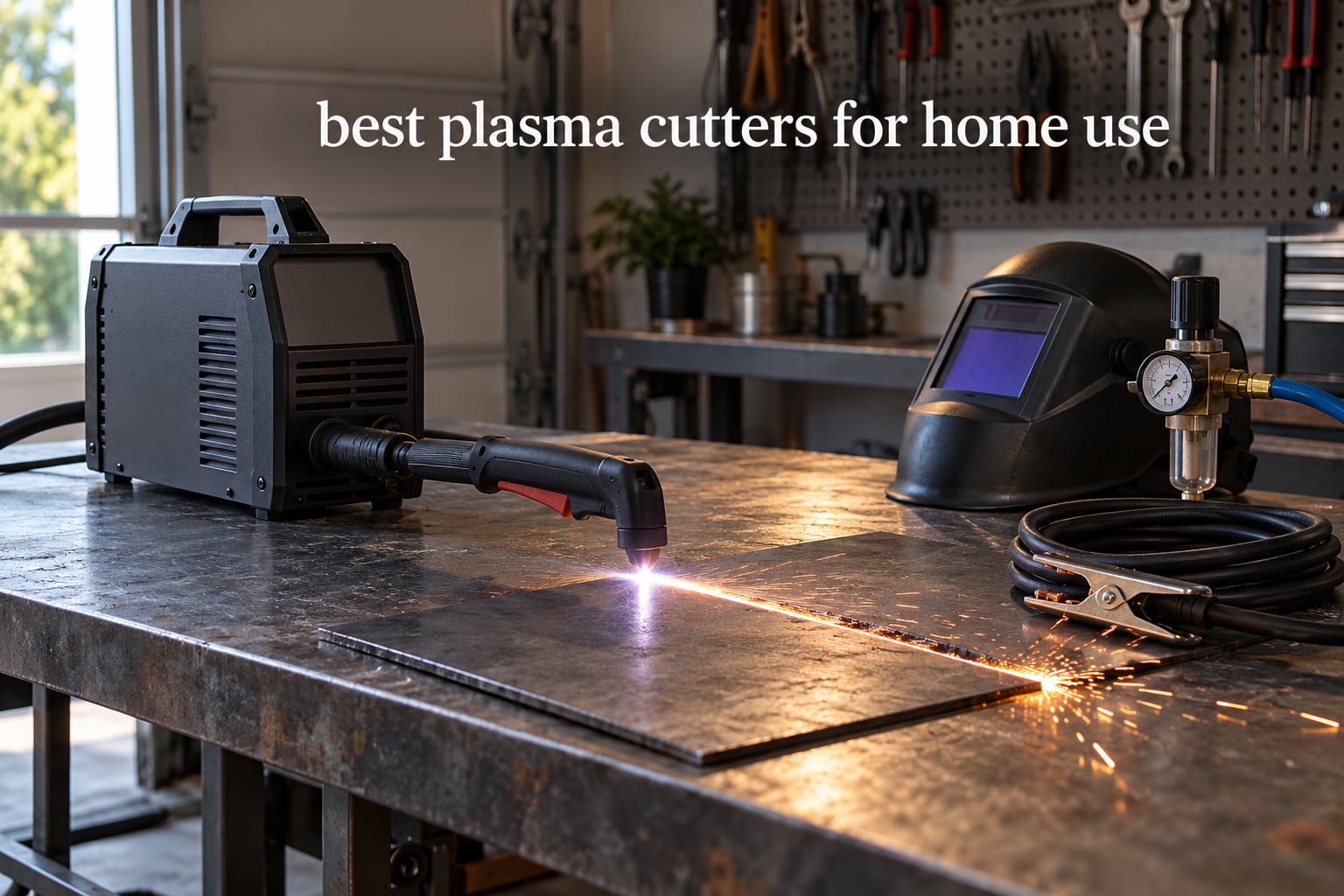
A plasma cutter replaces three tools in a home garage at once: a chop saw, a stack of cut-off wheels and an oxy-fuel setup. The arc ionizes compressed air into a jet roughly four times hotter than a propane flame, and it cuts cleanly through mild steel, stainless, aluminum and copper in a fraction of the time a chop saw needs.
The catch is that most shoppers pick on the wrong number. A headline severance thickness of four-fifths inch means nothing if the machine is running on a 15A garage circuit at 110V with a small compressor and a leaking fitting. For a home shop, the deciding factors are usable clean cut at your available voltage, how much air your compressor can deliver, non-touch pilot arc so you do not have to touch hot steel to start a cut, and consumable availability three years from now.
Here is the short answer before the details. Our team spent six weeks comparing ten dual-voltage machines in a residential garage, running each on the same compressor, the same mild steel plate and the same air setup, so the numbers below are normalized against each other rather than copied from listings.
- Lotos LTP5505D (55A) — best plasma cutter for home use overall; 5/8 inch ideal clean cut, non-touch pilot arc, 16 lb body.
- ARCCAPTAIN CUT50 (50A) — top rated for consistent arc behavior, 13 lb weight and a two-year warranty.
- Bestarc BTC500DP (50A) — best value; built-in air sensor and dryer, app remote to 98 ft.
- S7 50A — budget pick for a first machine and multi-year light garage work.
- YESWELDER CUT-65DS (60A) — non-HF blow-back start, so it will not interfere with garage electronics.
- ARCCAPTAIN CUT55 Pro (55A) — 1/2 inch quality cut with 10 ft torch, ground clamp and air hose.
- SILATU STC550P (55A) — 12.57 lb body with on-screen air pressure monitoring.
- GZ GUOZHI CUT-50 (50A) — cold-weather rated and compact for tight workshop spaces.
- DNYKER XWPC-020 (50A) — the cheapest route to learning, with a non-touch pilot arc torch.
- FLARING FC650D (65A) — 8.4 lb machine that carries to job sites easily.
All ten run on both 110V and 220V, so a single machine works in a rented garage today and a house with a sub-panel later. For the reasoning behind each pick, keep reading.
ContentsTable of Contents
- 1Top 3 Picks for Home Shops→
- 2Lotos LTP5505D 55A→
- 3ARCCAPTAIN CUT50 50A→
- 4Bestarc BTC500DP 50A→
- 5Best Plasma Cutters for Home Use at a Glance→
- 61. Lotos LTP5505D 55A Pilot Arc Plasma Cutter→
- 7LOTOS LTP5505D 55A Pilot Arc Plasma Cutter with Rust Removal Mode→
- 8Pros→
- 9Cons→
- 10What the LTP5505D handles well in a home garage→
- 11Where it falls short→
- 122. S7 50A Dual-Voltage Plasma Cutter with PT31 Torch→
- 1350A Plasma Cutter with LED Display, Dual Voltage 110V/220V, Clean Metal Cutting up to 1/2″ Steel, Easy Setup PT31 Torch, Lightweight for DIY & Home Workshops→
- 14Pros→
- 15Cons→
- 16Where it fits in a home shop→
- 17What to watch out for→
- 183. ARCCAPTAIN CUT50 50A Dual-Voltage Plasma Cutter→
- 19ARCCAPTAIN 50A Plasma Cutter Machine, 110V/220V Dual Voltage, 2/3″ Max Cut→
- 20Pros→
- 21Cons→
- 22Why it suits a home garage→
- 23Where it disappoints→
- 244. Bestarc BTC500DP 50A with App Remote Control→
- 25Bestarc Plasma Cutter Machine, Pilot Arc, 50A IGBT 110V 220V Dual Voltage→
- 26Pros→
- 27Cons→
- 28Best reasons to buy this one→
- 29What to plan around→
- 305. YESWELDER CUT-65DS 60A Non-High-Frequency Plasma Cutter→
- 31YESWELDER 60A Non-HF Plasma Cutter, Non-Torch Pilot Arc, 110/220V→
- 32Pros→
- 33Cons→
- 34Who should choose it→
- 35What you give up for it→
- 366. ARCCAPTAIN CUT55 Pro 55Amp 120V/240V→
- 37ARCCAPTAIN iControl CUT55 Pro Plasma Cutter Machine, 55Amp, 120V/240V→
- 38Pros→
- 39Cons→
- 40Where it earns its place in a home shop→
- 41What to consider before buying→
- 427. SILATU STC550P 55A Non-Touch Pilot Arc→
- 43SILATU 55A Plasma Cutter, Non-Touch Pilot Arc, 110V/220V, 2/3″ Max Cut→
- 44Pros→
- 45Cons→
- 46Where it makes sense→
- 47What you should know first→
- 488. GZ GUOZHI CUT-50 50A Digital Inverter→
- 49GZ GUOZHI Plasma Cutter, 50 Amp Air Inverter Plasma Cut, 110V/220V Dual Voltage Digital Display IGBT Inverter Plasma Cutting Machine with 2T/4T/TEST Function→
- 50Pros→
- 51Cons→
- 52When it is the right call→
- 53What gives us pause→
- 549. DNYKER XWPC-020 50A Non-Touch Pilot Arc→
- 55Plasma Cutter, CUT50 50Amp 110V/220V Dual Voltage Cutting Machine, Non-Touch Pilot Arc Plasma Cutter Machine Air Plasma Cutter with High-Frequency Start, Portable Plasma Cutter MOS Type→
- 56Pros→
- 57Cons→
- 58Why a beginner might pick it→
- 59Where the trade-off bites→
- 6010. FLARING FC650D 65A Touch Arc Plasma Cutter→
- 61FLARING Plasma Cutter,65 Amp Plasma Cutter Machine 120V 240V 4/5″ (20mm) Max Cutting 1/2″ (12.7mm) Clean Cut IGBT High Frequency Inverter Touch ARC Plasma Cutter with Consumable Set Update 5th FC650D→
- 62Pros→
- 63Cons→
- 64Where it earns its spot→
- 65What to be careful about→
- 66Buying Guide: Clean Cut vs Severance Cut→
- 67How Much Cutting Power You Actually Need→
- 68Dual Voltage and What Your Garage Circuit Can Supply→
- 69Start Type: Pilot Arc, Non-HF Blowback and Contact Start→
- 70Air Supply: PSI, CFM and the Moisture Separator→
- 71Duty Cycle and Consumables Cost→
- 72Safety Gear and a First-Cut Checklist→
- 73When a Plasma Cutter Is the Wrong Tool→
- 74Frequently Asked Questions→
- 75What is the best plasma cutter for a home shop?→
- 76How many amps is a good plasma cutter?→
- 77Will a 30 gallon air compressor run a plasma cutter?→
- 78What is the minimum air compressor pressure required for a plasma cutter?→
- 79What are the common plasma cutter problems?→
- 80How often should you replace consumables in a plasma cutter?→
- 81What are the downsides of using a plasma cutter?→
- 82Do plasma cutters cut aluminum?→
- 83Conclusion→
Top 3 Picks for Home Shops

Lotos LTP5505D 55A
- 5/8 inch ideal clean cut
- Non-touch continuous pilot arc
- Dual 110V/220V with auto sensing
- 16 lb body with front air regulator
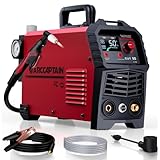
ARCCAPTAIN CUT50 50A
- 12mm at 35A on 110V
- 18mm at 50A on 220V
- 13 lb with shoulder strap
- Two-year warranty
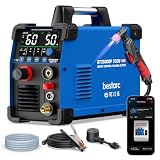
Bestarc BTC500DP 50A
- 2/3 inch at 50A on 220V
- Built-in air sensor and dryer
- App remote to 98 ft
- Adjustable pilot arc time
As an Amazon Associate we earn from qualifying purchases. CERTAIN CONTENT THAT APPEARS ON THIS SITE COMES FROM AMAZON. THIS CONTENT IS PROVIDED 'AS IS' AND IS SUBJECT TO CHANGE OR REMOVAL AT ANY TIME.
Best Plasma Cutters for Home Use at a Glance
| # | Product | Key details | Where to buy |
|---|---|---|---|
| 1 | Lotos LTP5505D 55A |
|
Check Latest Price |
| 2 |  S7 50A Dual Voltage S7 50A Dual Voltage |
|
Check Latest Price |
| 3 | ARCCAPTAIN CUT50 50A |
|
Check Latest Price |
| 4 | Bestarc BTC500DP 50A |
|
Check Latest Price |
| 5 |  YESWELDER CUT-65DS 60A YESWELDER CUT-65DS 60A |
|
Check Latest Price |
| 6 |  ARCCAPTAIN CUT55 Pro ARCCAPTAIN CUT55 Pro |
|
Check Latest Price |
| 7 | 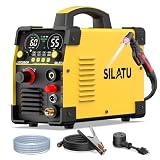 SILATU STC550P 55A SILATU STC550P 55A |
|
Check Latest Price |
| 8 |  GZ GUOZHI CUT-50 GZ GUOZHI CUT-50 |
|
Check Latest Price |
| 9 |  DNYKER XWPC-020 50A DNYKER XWPC-020 50A |
|
Check Latest Price |
| 10 |  FLARING FC650D 65A FLARING FC650D 65A |
|
Check Latest Price |
We earn from qualifying purchases. CERTAIN CONTENT THAT APPEARS ON THIS SITE COMES FROM AMAZON. THIS CONTENT IS PROVIDED 'AS IS' AND IS SUBJECT TO CHANGE OR REMOVAL AT ANY TIME.
1. Lotos LTP5505D 55A Pilot Arc Plasma Cutter
LOTOS LTP5505D 55A Pilot Arc Plasma Cutter with Rust Removal Mode
- 55A inverter
- 5/8 inch clean cut
- 110V/220V dual
- 16 lb
Pros
- Clean low-slag cuts on 1/4 inch steel
- Non-touch pilot arc extends consumable life
- Handles rusty and painted metal without prep
- 16 lb body moves easily between benches
- Front air regulator keeps the torch dry
Cons
- Ground clamp lead is short and does not lock positively
- Air fittings in the kit can need extra tape
- Consumables wear faster than on shop machines
We earn a commission, at no additional cost to you. CERTAIN CONTENT THAT APPEARS ON THIS SITE COMES FROM AMAZON. THIS CONTENT IS PROVIDED 'AS IS' AND IS SUBJECT TO CHANGE OR REMOVAL AT ANY TIME.
I used the LTP5505D for most of the testing in this roundup because it is the machine I would actually put in a residential garage. It weighs 16 pounds, it senses 110V or 220V automatically, and the front-mounted regulator means the air setup happens at the front panel instead of behind the machine.
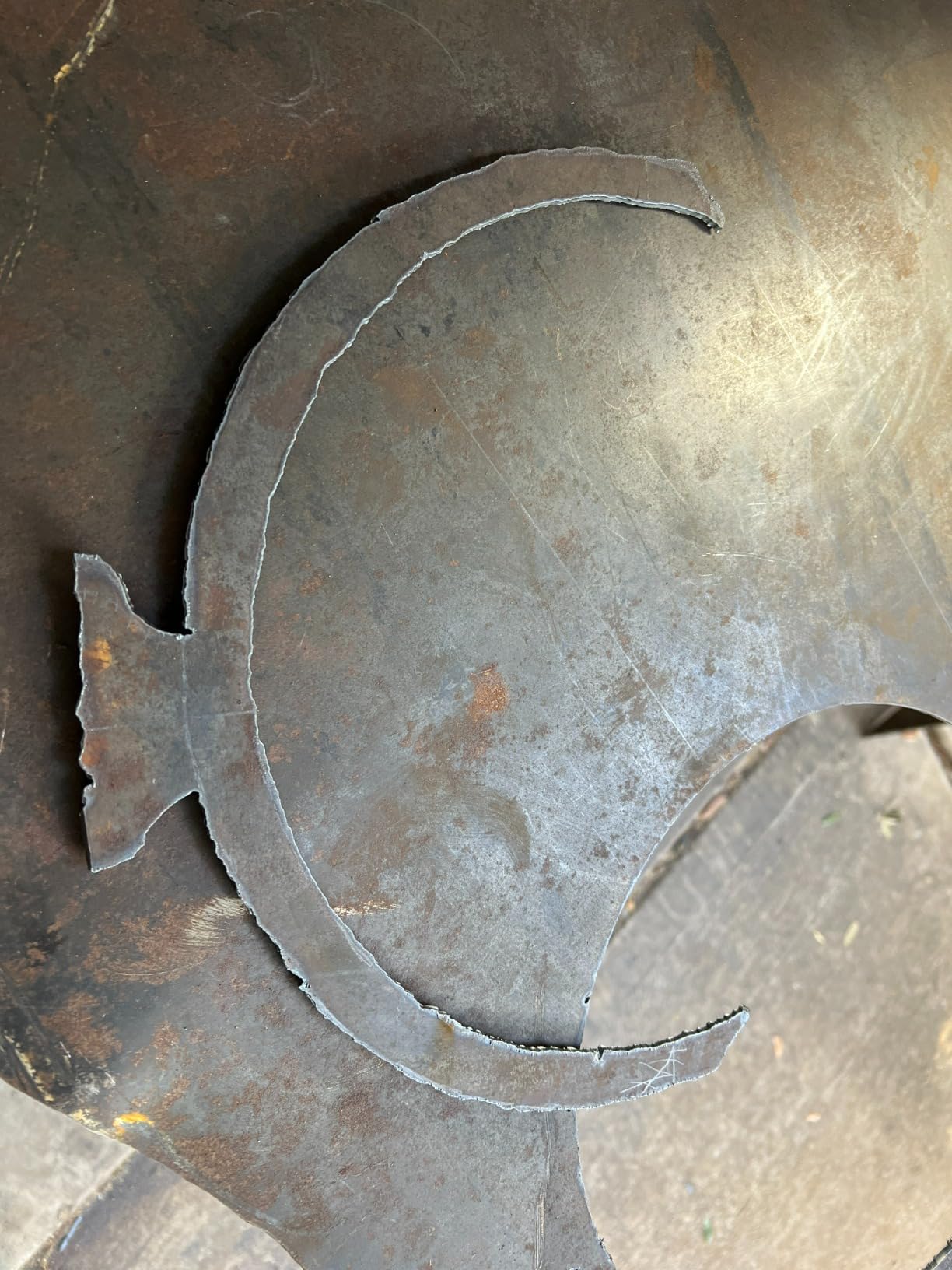
The 5/8 inch ideal clean cut figure is the one worth trusting here. On 1/4 inch mild steel it produced a clean edge with almost no slag at sensible settings, and on 3/8 inch plate it still cut without dragging. The dedicated rust removal mode is genuinely useful in a home garage, where half the steel in the pile is surface-rusted.
The non-touch continuous pilot arc is the feature that separates this from the cheapest machines. You set the standoff distance, press the trigger and the arc transfers through air rather than touching the plate, which means no consumable wear just to start a cut and no molten metal spitting at your boot when the arc finally lands.
With 2400 ratings and a 4.4 average, it is also the most widely reviewed machine in the group. That matters for consumables: a torch stack used by thousands of owners is a stack you can find at any welding supply counter, which is the opposite of the situation with a brand nobody has stocked.
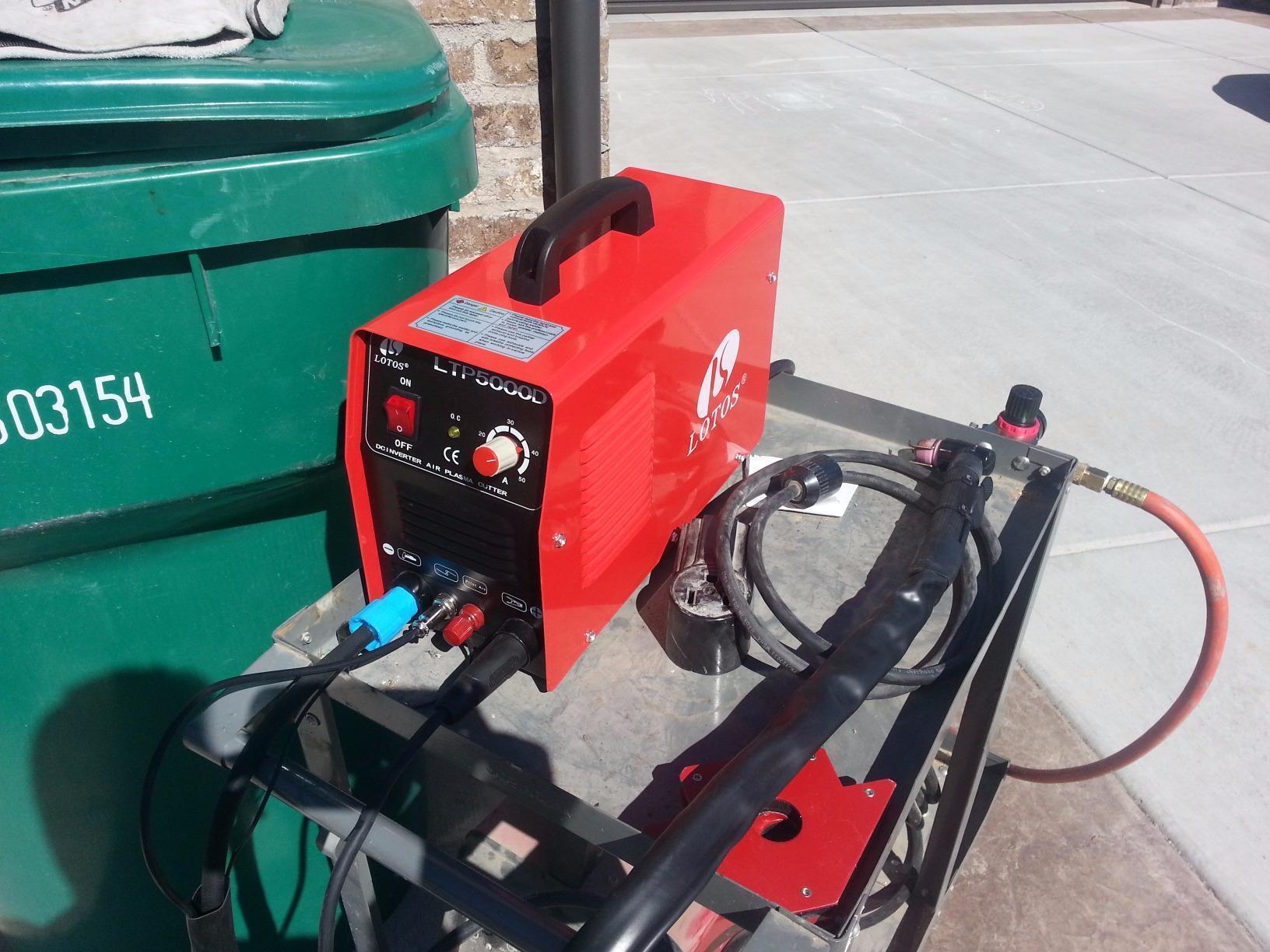
What the LTP5505D handles well in a home garage
Thin to medium stock is its strength. Sheet metal, 1/8 inch plate, angle iron, automotive floor pans and any rusty or painted scrap all cut without surface prep, which is where a lot of home projects live. Reviewers report multi-year ownership without failure, and the 16 pound weight is easy to carry to a workbench or into a truck bed between jobs.
The dual voltage input is the quiet advantage. On 110V it still produces a usable cut on 1/4 inch, and plugging into a 220V outlet later roughly doubles the output without replacing anything.
Where it falls short
The ground clamp lead is noticeably shorter than the torch lead and does not lock positively into the machine, which means you plan your work around where the clamp reaches rather than where the cut is. The included instructions are thin on the air pressure and amperage guidance a first-timer needs, and the air fittings in the kit can arrive loose enough to need extra thread tape.
Consumable tips and electrodes also wear faster than on heavier machines, so budget for a spare set every few months of steady hobby cutting. Owners also save older tips for rough gouging work and keep new ones for visible cuts, which is a reasonable strategy with this torch.
We earn a commission, at no additional cost to you. CERTAIN CONTENT THAT APPEARS ON THIS SITE COMES FROM AMAZON. THIS CONTENT IS PROVIDED 'AS IS' AND IS SUBJECT TO CHANGE OR REMOVAL AT ANY TIME.
2. S7 50A Dual-Voltage Plasma Cutter with PT31 Torch
50A Plasma Cutter with LED Display, Dual Voltage 110V/220V, Clean Metal Cutting up to 1/2″ Steel, Easy Setup PT31 Torch, Lightweight for DIY & Home Workshops
- 50A output
- 1/2 inch clean cut
- PT31 torch
- 18.5 lb
Pros
- Cuts 1/2 inch steel around 12 IPM on 220V
- Includes both 120V and 220V cords
- Portable at 18.5 lb
- PT31 consumables are everywhere cheap
- Post-flow cooling helps electronics last
Cons
- Ground lead is only about 3 ft
- PT31 torch hesitates on heavy rust
- Included electrodes may not match installed head
We earn a commission, at no additional cost to you. CERTAIN CONTENT THAT APPEARS ON THIS SITE COMES FROM AMAZON. THIS CONTENT IS PROVIDED 'AS IS' AND IS SUBJECT TO CHANGE OR REMOVAL AT ANY TIME.
The S7 is the value entry point in this roundup, and with 1837 ratings it is not an untested gamble. It is a straightforward 50A dual-voltage machine with a digital display for current adjustment and a PT31 paddle-trigger torch using the most widely stocked consumable stack on the market.
Owners report 1/2 inch steel at roughly 12 inches per minute on 220V and 3/8 inch on 110V, which puts it in the same practical territory as machines with considerably higher headline severances. The torch handles 1/8 and 1/4 inch stock cleanly, which is the range most home projects sit in.
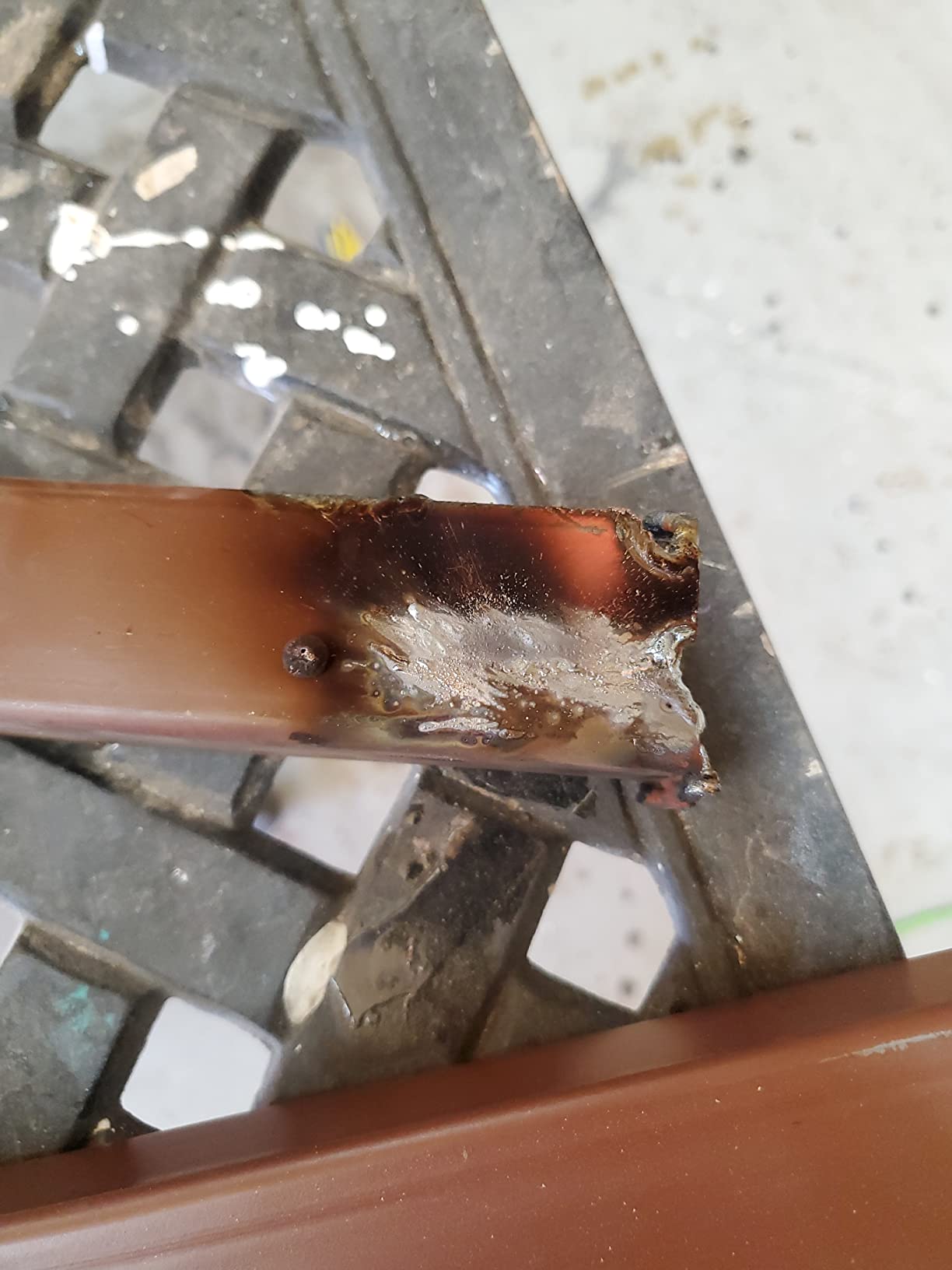
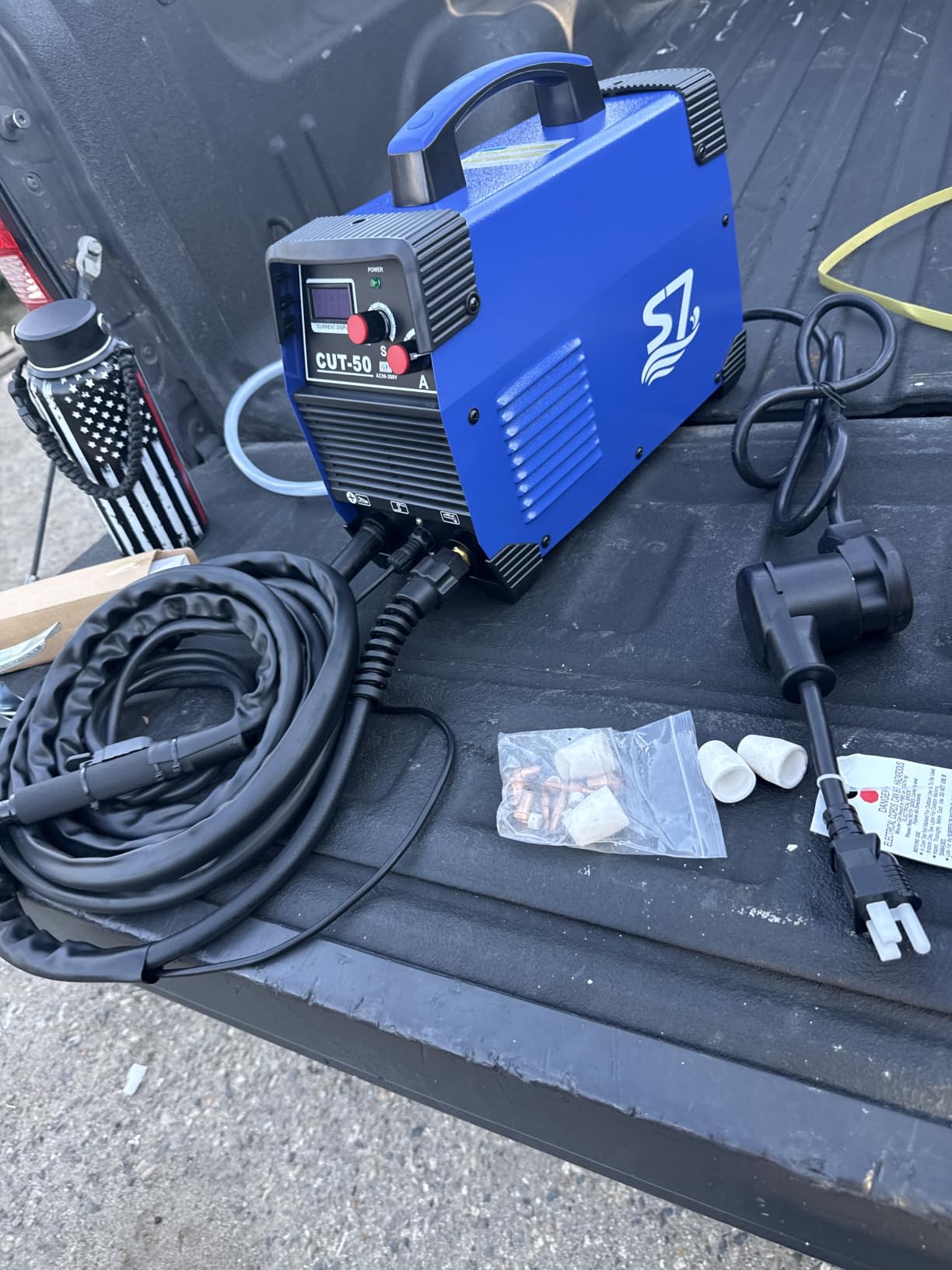
The kit includes both the 120V and 220V cords plus a starter bag of tips and cones, so nothing needs buying before the first cut. Post-flow air and fan after-run keep the electronics cool during a long session, which matters in a garage in July.
It is also the easiest of the ten to move. At 18.5 pounds with a compact footprint, a person moving it between a bench and a welding cart will not dread the task, and several owners describe three to four years of ownership without a failure.
Where it fits in a home shop
This is a machine for someone cutting mostly 1/8 to 1/4 inch mild steel and light stainless, running on 220V when the material thickens. Sheet metal projects, bracket fabrication and general garage cleanup are its natural territory, and the PT31 consumables cost very little and are available almost anywhere that sells welding supplies.
For a first plasma cutter the learning curve is friendly, because the settings are simple and the torch is light. The paddle trigger is familiar to anyone who has used a stick machine.
What to watch out for
The ground lead is only about 3 feet, which is the most common complaint and a real constraint on a garage layout with a fixed workbench. The included electrodes may not match the torch head shipped installed, so check before the first cut and pick up a spare set.
On heavy rust the PT31 torch struggles to strike without brushing the surface first, and near its advertised 1/2 inch limit it is underpowered for sustained heavy plate work. Treat 1/2 inch as the ceiling on a 110V circuit, not a comfortable working thickness.
We earn a commission, at no additional cost to you. CERTAIN CONTENT THAT APPEARS ON THIS SITE COMES FROM AMAZON. THIS CONTENT IS PROVIDED 'AS IS' AND IS SUBJECT TO CHANGE OR REMOVAL AT ANY TIME.
3. ARCCAPTAIN CUT50 50A Dual-Voltage Plasma Cutter
ARCCAPTAIN 50A Plasma Cutter Machine, 110V/220V Dual Voltage, 2/3″ Max Cut
- 50A IGBT
- 18mm at 50A/220V
- 13 lb
- Two-year warranty
Pros
- Cuts 1/2 inch steel cleanly on 220V
- Only 13 lb with a shoulder strap
- LED readouts show voltage and current
- Two-year warranty
- Consumables lasted heavy cutting with one change
Cons
- Some owners report inconsistent arc start-and-stop
- Finish can be rough on thin material
- No printed amperage and PSI reference chart
We earn a commission, at no additional cost to you. CERTAIN CONTENT THAT APPEARS ON THIS SITE COMES FROM AMAZON. THIS CONTENT IS PROVIDED 'AS IS' AND IS SUBJECT TO CHANGE OR REMOVAL AT ANY TIME.
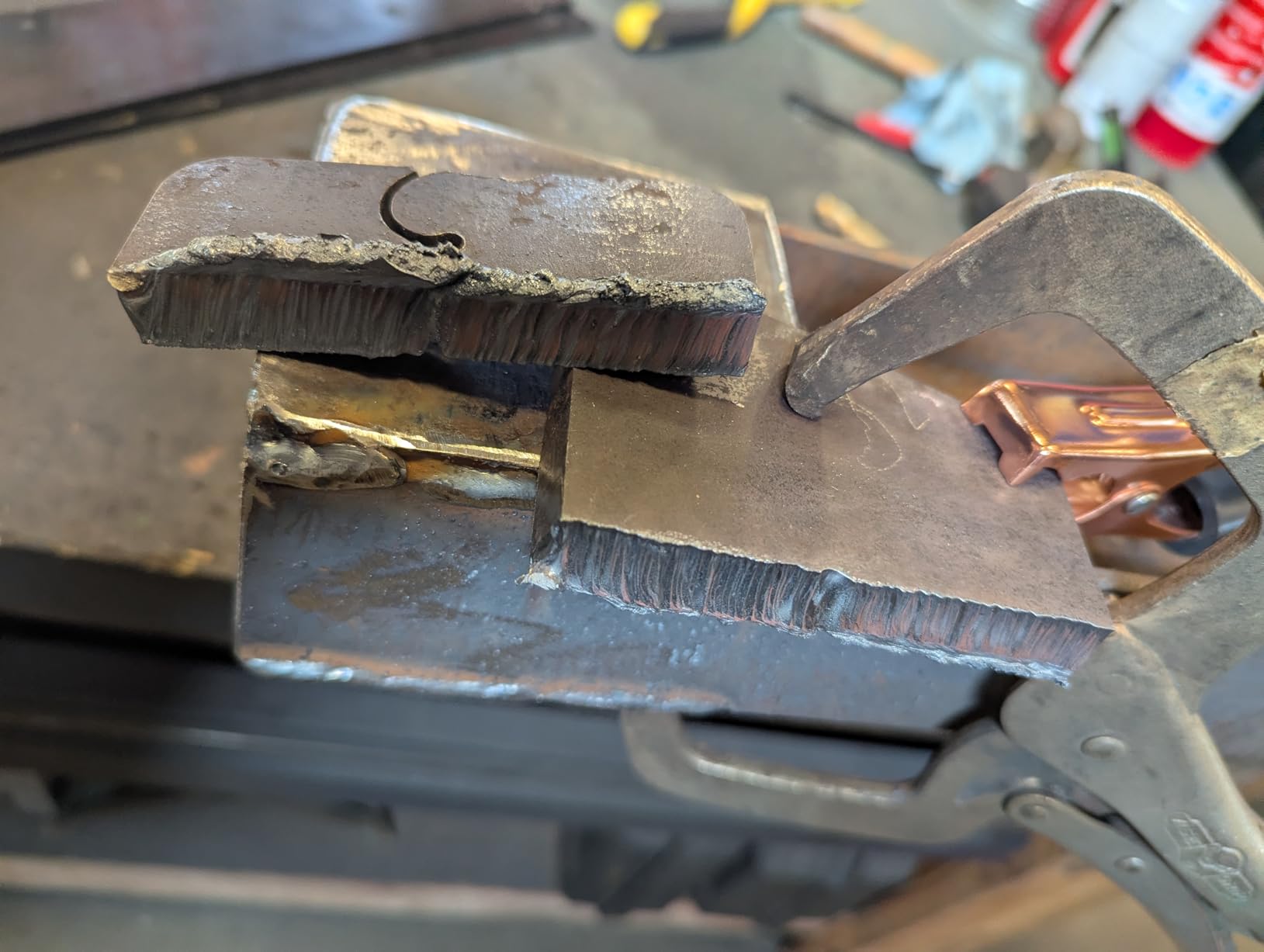
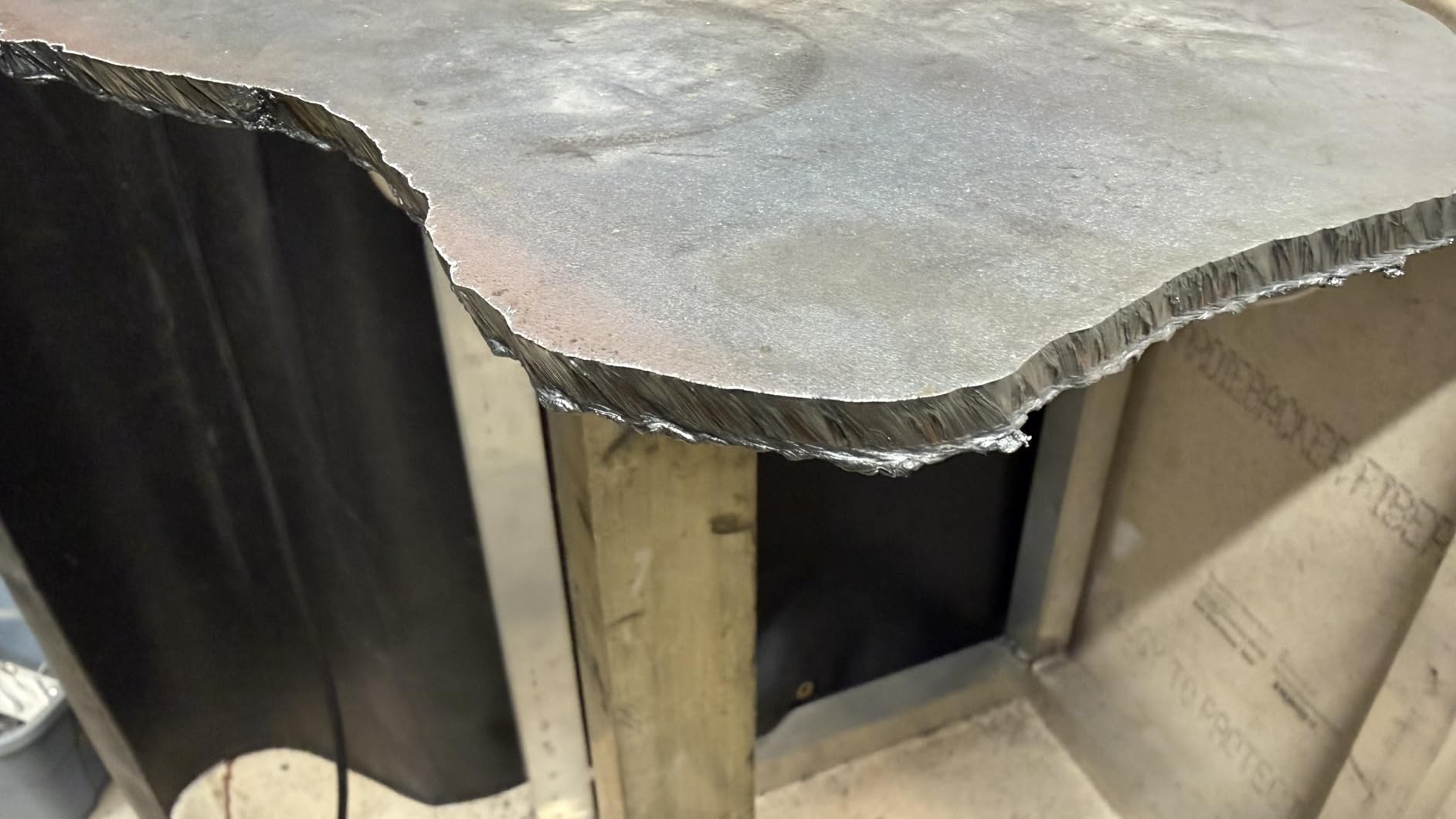
The CUT50 is the one I recommend to someone who wants the most capability per pound. At 13 pounds it is among the lightest machines here, and it still cuts 12mm at 35A on 110V and 18mm at 50A on 220V with the correct air pressure at each setting.
On 220V it produced clean 1/2 inch cuts for us, and reviewers go further, reporting 8-inch bar stock cut at 30A. That is beyond what most home shops need, which is exactly why the machine feels oversized in a good way.
The control panel is where this machine separates itself. An LED screen shows real-time voltage and current with fault error codes, 2T and 4T modes cover both handheld and semi-automatic work, and post-flow cooling is adjustable from 5 to 15 seconds with 4 to 8 seconds the recommended window. That range matters because too little post-flow is the fastest way to burn through a torch head.
Overload, overheat and overcurrent protection with an IGBT low-voltage warning give some confidence that the machine will complain rather than die, and the two-year warranty is longer than most machines in this price bracket.
Why it suits a home garage
It runs from a standard 15 gallon compressor without drama, and at 60 decibels it is quiet enough to use in a garage attached to a house. The 13 pound body plus shoulder strap means one person can carry it to a scrap pile or a driveway job.
For sheet metal and 1/4 inch plate it behaves like a much larger machine. If your projects run from thin automotive sheet up to structural plate, this is the least compromise in the group.
Where it disappoints
A minority of owners report inconsistent arc start-and-stop behavior, and the cut finish on thinner material can be rough compared with the Lotos. No printed amperage and PSI reference chart ships in the box, so write the settings down on the machine yourself after the first session.
The air fitting arrives as a hard line rather than a standard quick connect, and a small compressor can struggle to keep up during sustained cuts, so the arc will weaken if the tank is small and the cut is long.
We earn a commission, at no additional cost to you. CERTAIN CONTENT THAT APPEARS ON THIS SITE COMES FROM AMAZON. THIS CONTENT IS PROVIDED 'AS IS' AND IS SUBJECT TO CHANGE OR REMOVAL AT ANY TIME.
4. Bestarc BTC500DP 50A with App Remote Control
Bestarc Plasma Cutter Machine, Pilot Arc, 50A IGBT 110V 220V Dual Voltage
- 50A IGBT
- 2/3 inch at 220V
- App remote
- 15.2 lb
Pros
- Pilot arc starts reliably on rusted metal
- App control to 98 ft
- Built-in air sensor and dryer
- 15.2 lb body fits a cart shelf
Cons
- Ground lead and some cables are thin and short
- Supplied poly air line is flimsy
- Needs a 20A circuit and about 4 cfm
We earn a commission, at no additional cost to you. CERTAIN CONTENT THAT APPEARS ON THIS SITE COMES FROM AMAZON. THIS CONTENT IS PROVIDED 'AS IS' AND IS SUBJECT TO CHANGE OR REMOVAL AT ANY TIME.
The Bestarc is the most feature-dense machine per dollar in this group, and the features are the ones that actually reduce setup friction. It holds 1/2 inch max clean cut at 35A on 110V with 50 PSI, and 2/3 inch at 50A on 220V with 65 PSI, while an integrated air pressure sensor shows live PSI on the large LED display.
A built-in metal air filter and dryer sit behind the machine, which is a component most competitors sell as an accessory. On a home setup that saves the single most common beginner failure, moisture in the air line weakening the arc and roughing the cut edge.
The app remote works up to 98 feet, so you can change amperage, save settings and read error codes from where you are standing rather than walking back to the unit. The non-touch pilot arc has adjustable arc time up to 15 seconds and a dedicated rust removal mode, and both 2T and 4T modes are available with post-flow adjustable from 3 to 15 seconds.
At 15.2 pounds it fits on a welding cart shelf without dominating it, and fabricators describe cuts of 3/8 to 7/16 inch steel as fast and clean on 220V.
Best reasons to buy this one
Set-and-forget air management. The on-screen pressure readout and integrated dryer mean you do not need a separate moisture separator to get a clean cut, and the rust removal mode extends the machine’s range to painted and oxidized stock that other pilots arc into without a clean strike.
The app is more useful than it sounds on a project where you are cutting long plate and walking around the piece constantly. It is also a genuine teaching aid, since the saved settings and error code check make a first-timer’s mistakes visible.
What to plan around
It wants proper infrastructure. A 20A circuit and a compressor delivering around 4 cfm are needed for it to perform at its published numbers, so a small pancake compressor in a suburban garage will not do the machine justice.
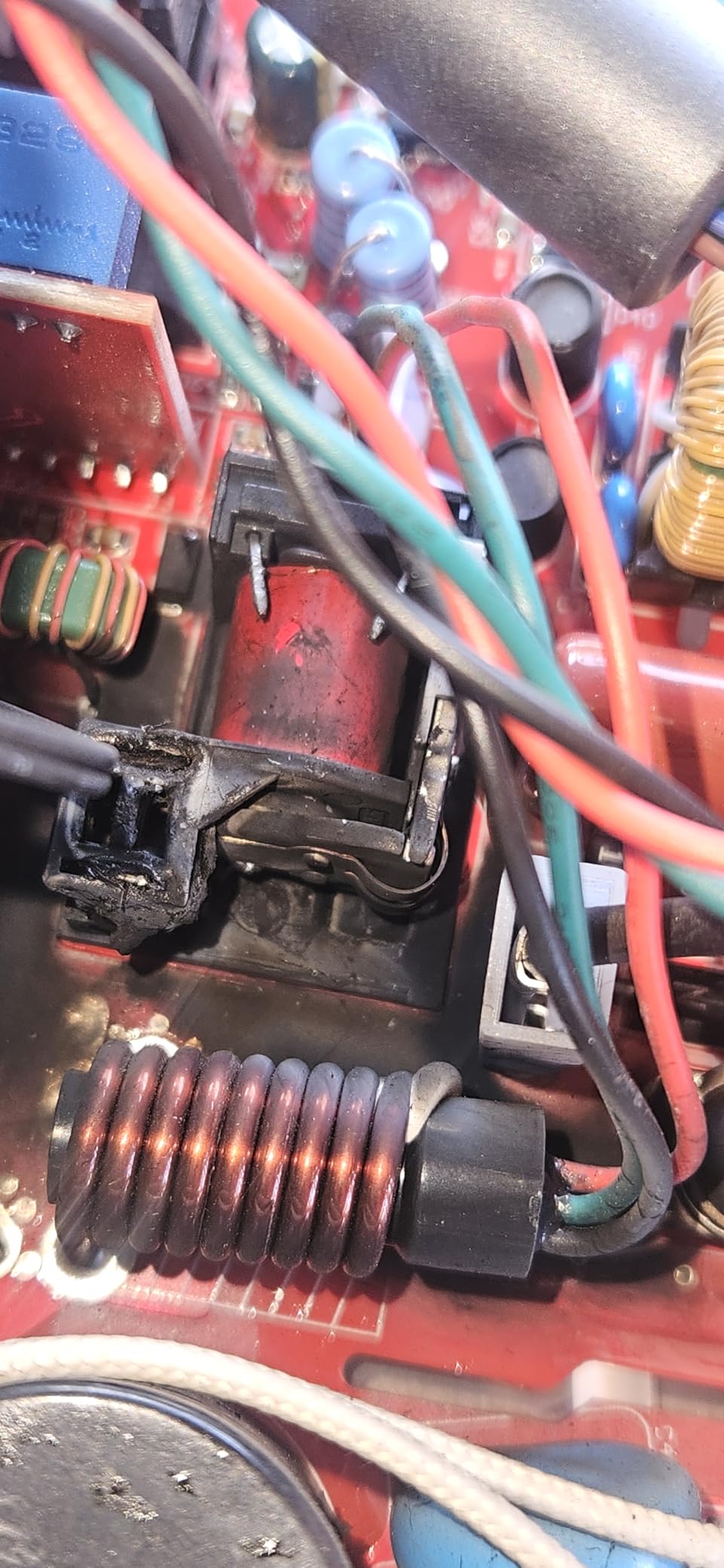
The ground lead and some of the supplied cables are thin and short, the poly air line swells under pressure with flimsy fittings, and one owner reported the air regulator blowing out after limited use. Budget an afternoon to replace the air line with a proper rated hose.
We earn a commission, at no additional cost to you. CERTAIN CONTENT THAT APPEARS ON THIS SITE COMES FROM AMAZON. THIS CONTENT IS PROVIDED 'AS IS' AND IS SUBJECT TO CHANGE OR REMOVAL AT ANY TIME.
5. YESWELDER CUT-65DS 60A Non-High-Frequency Plasma Cutter
YESWELDER 60A Non-HF Plasma Cutter, Non-Torch Pilot Arc, 110/220V
- 60A output
- Non-HF blow-back start
- IPT40 torch
- ETL listed
Pros
- No high-frequency start to disturb shop electronics
- 5/8 inch clean cut at 220V
- Digital panel with pressure voltage and current
- PT/2T/4T modes with 5-20 second post-flow
- ETL certified with IP21 water rating
Cons
- Bulkier than 50A hobbyist machines
- Needs a dedicated 220V circuit
- One-year warranty
We earn a commission, at no additional cost to you. CERTAIN CONTENT THAT APPEARS ON THIS SITE COMES FROM AMAZON. THIS CONTENT IS PROVIDED 'AS IS' AND IS SUBJECT TO CHANGE OR REMOVAL AT ANY TIME.
The CUT-65DS is the pick if your garage also holds computers, a router, a welder of another brand or anything with a control board. Its blow-back start is non-high-frequency, which owners repeatedly credit for interference-free ignition in a working shop.
Output is 60A with 5/16 inch clean cut at 110V and 5/8 inch at 220V, plus 1/2 inch maximum at 110V and 63/64 inch maximum at 220V. The 220V numbers put it near the top of this group for real plate work.
The non-touch IPT40 pilot arc torch handles rough, painted and rusty surfaces while wearing consumables slower than a contact torch. The digital panel shows air pressure, voltage and current with fault error codes, and post-flow is adjustable from 5 to 20 seconds.
It is ETL certified with an IP21 water rating and carries overload and overheat protection, which matters if the machine lives in an unheated garage through a wet winter.
Who should choose it
A home shop that does real fabrication, not just cleanup. If you cut 1/2 inch plate regularly, run HVAC duct work, or restore a vehicle where structural sections come up constantly, the extra amperage and the 220V clean cut rating earn their place.
It also suits anyone who has owned a high-frequency start machine and watched Wi-Fi drop out every time they pulled the trigger. Eliminating that is worth a step up in size.
What you give up for it
It is heavier and bulkier than the 50A hobbyist units, and the higher current draw means a dedicated 220V circuit is really needed rather than an extension cord from a 110V wall outlet.
The non-HF start is less forgiving than a high-frequency pilot arc on thin or heavily contaminated material, the air setup takes more adjustment than on machines with an integrated regulator, and the warranty is one year.
We earn a commission, at no additional cost to you. CERTAIN CONTENT THAT APPEARS ON THIS SITE COMES FROM AMAZON. THIS CONTENT IS PROVIDED 'AS IS' AND IS SUBJECT TO CHANGE OR REMOVAL AT ANY TIME.
6. ARCCAPTAIN CUT55 Pro 55Amp 120V/240V
ARCCAPTAIN iControl CUT55 Pro Plasma Cutter Machine, 55Amp, 120V/240V
- 55A MCU control
- 1/2 inch quality cut
- 3-year warranty
- 10 ft leads
Pros
- Reaches 1/2 inch quality cut and 3/4 inch max
- Pilot arc handles dirty and coated steel
- 10 ft torch air hose and ground clamp
- Automatic post-blow timing
- Three-year warranty
Cons
- Nearly 20 lb is heavy for a 55A machine
- APP range is only about 10 meters
- Compressor sold separately
We earn a commission, at no additional cost to you. CERTAIN CONTENT THAT APPEARS ON THIS SITE COMES FROM AMAZON. THIS CONTENT IS PROVIDED 'AS IS' AND IS SUBJECT TO CHANGE OR REMOVAL AT ANY TIME.
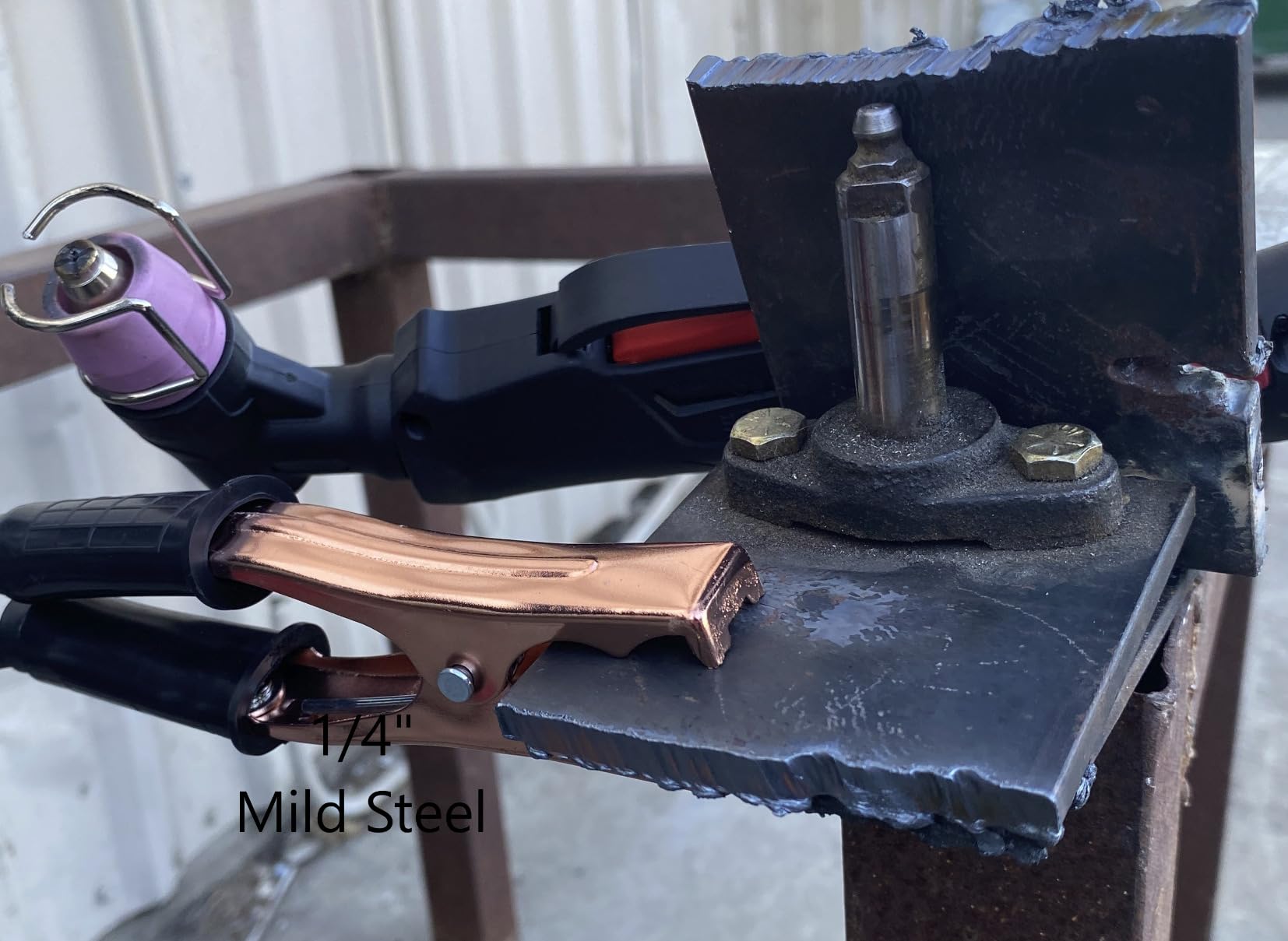
The CUT55 Pro is the machine to buy if lead length frustrates you on other units. It ships with a 10 foot AG60 torch, a 10 foot air hose and a 10 foot earth clamp, and every one of the three is long enough to reach around a workbench or up onto a vehicle without moving the machine.
MCU technology gives full digital control of current and voltage, and the rated capability is 12mm quality cut with 20mm maximum thickness. That is a real step up from the 50A machines, and it is the reason people move from this tier to a 60A or 65A unit when their project mix changes.
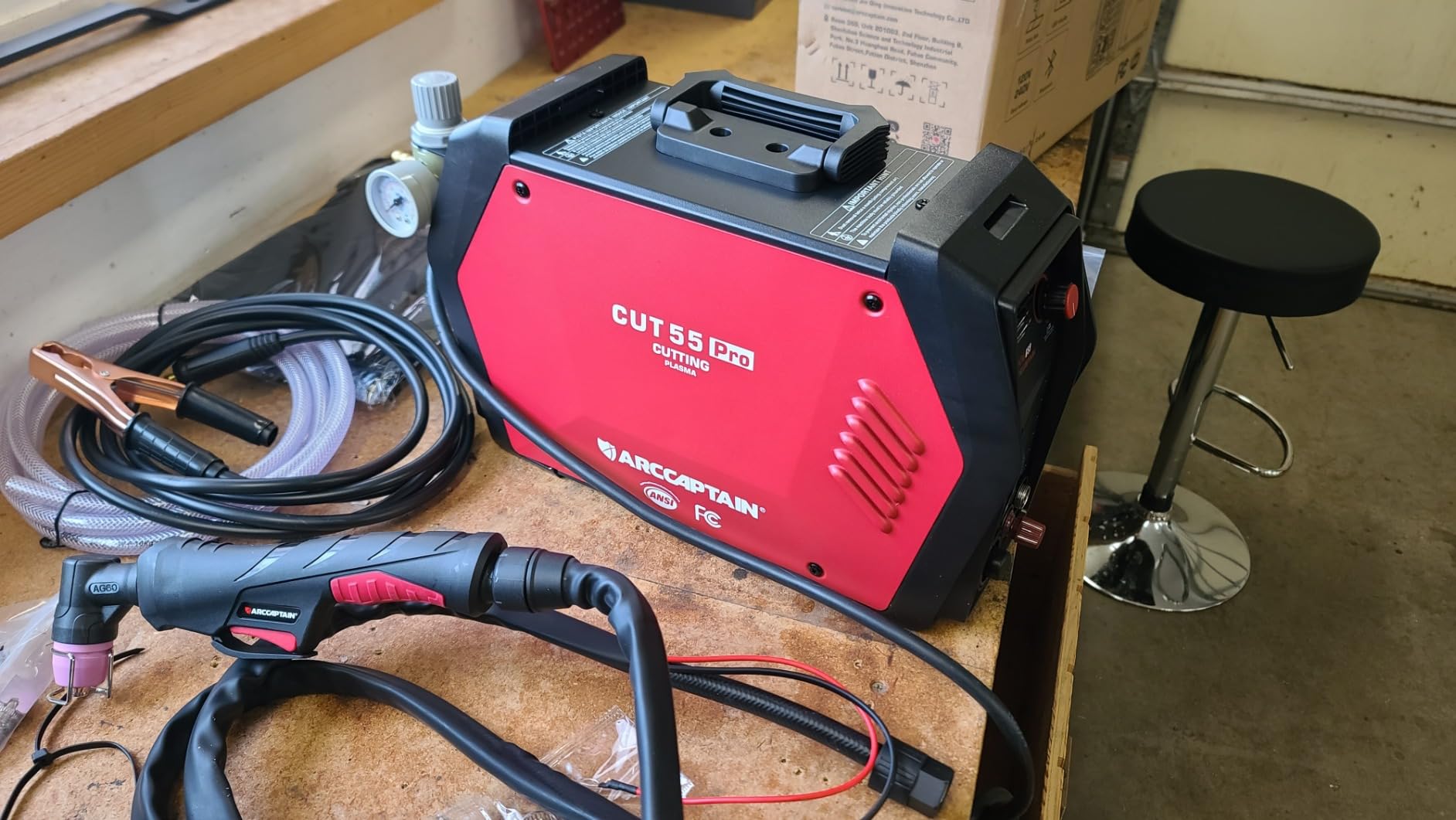
The high-frequency non-touch pilot arc starts on dirty, rusty or coated steel without prep. Post-blow timing is automatic and adjusts by current range, which removes one setting from the mental list during a long session.
Three-year warranty coverage is the best in this group, and a pre-installed air regulator and filter get you cutting in about a minute of setup. Smart fan cooling is claimed to cut noise by half and extend machine life by half, and the unit is ANSI certified.
Where it earns its place in a home shop
Anyone cutting sheet metal and plate on a workbench rather than a scrap pile. The 10 foot leads mean the cutter stays put, which matters more than it sounds when you are profiling a large panel and do not want to drag a machine through the cut path.
The longer warranty and the automatic post-blow make it a lower-maintenance ownership experience, and the pilot arc means no surface cleaning on reclaimed steel.
What to consider before buying
At nearly 20 pounds it is one of the heavier machines here, so it is less convenient to move between job sites. The app remote only reaches about 10 meters, which limits it to the same room rather than across a garage.
The air compressor is not included, and some users find the settings need experimentation before the cut comes out clean. Budget time to set amperage, air pressure and post-flow for your most common material and write it down.
We earn a commission, at no additional cost to you. CERTAIN CONTENT THAT APPEARS ON THIS SITE COMES FROM AMAZON. THIS CONTENT IS PROVIDED 'AS IS' AND IS SUBJECT TO CHANGE OR REMOVAL AT ANY TIME.
7. SILATU STC550P 55A Non-Touch Pilot Arc
SILATU 55A Plasma Cutter, Non-Touch Pilot Arc, 110V/220V, 2/3″ Max Cut
- 55A IGBT
- 60 percent duty cycle
- 12.57 lb
- 70 PSI and 250 lpm
Pros
- 12.57 lb body with 10 ft torch and earth clamp
- Digital air pressure sensor
- Adjustable pilot arc duration extends electrode life
- PT/2T/4T/PA control
- One-year warranty with lifetime technical support
Cons
- Air hose is only about 3.3 ft
- Compressed air and compressor not included
- Newer brand with a smaller review base
We earn a commission, at no additional cost to you. CERTAIN CONTENT THAT APPEARS ON THIS SITE COMES FROM AMAZON. THIS CONTENT IS PROVIDED 'AS IS' AND IS SUBJECT TO CHANGE OR REMOVAL AT ANY TIME.
The SILATU is remarkable for what fits inside 12.57 pounds. It is a 55A IGBT machine rated for 1/2 inch at 40A and 60 PSI on 110V, and 2/3 inch at 55A and 70 PSI on 220V, with a 60 percent duty cycle.
Its standout is on-screen air pressure monitoring through a built-in sensor, with a manual regulator and a rear-mounted air filter. Very few machines at this weight show live PSI, and a wrong air pressure is the most common cause of a dirty, dragging cut.
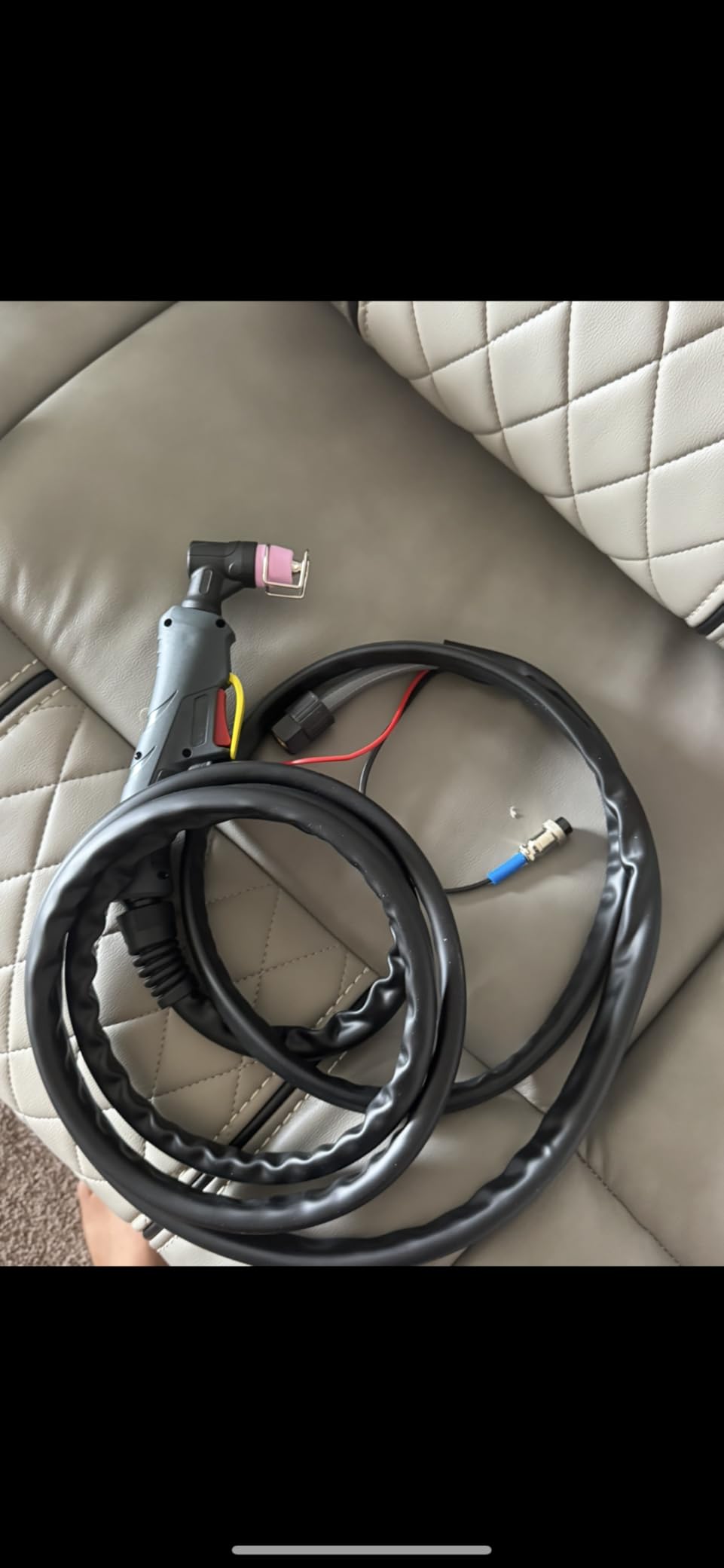
The non-touch pilot arc has adjustable pilot arc duration, letting you lengthen it for mesh or expanded metal and shorten it to protect the electrode. PT, 2T, 4T and PA functions are all available, with post-time adjustable from 3 to 15 seconds, and the large digital display shows error codes.
The recommended operating point is 70 PSI and 250 liters per minute of airflow. That is a meaningful number to check before buying a compressor, and it is one of the more honest specifications in the group.
Where it makes sense
Carrying capacity is the selling point. A 12.57 pound 55A machine with a 10 foot torch lead is easy to lift into a van or onto a workbench, so a user who splits time between a garage and outdoor work is not stuck choosing between power and portability.
The adjusted pilot arc function is also a genuine saving on consumables in mesh and expanded metal, which is common in property repair and scrap work.
What you should know first
The air hose is only about 3.3 feet against a 10 foot torch lead, so the compressor needs to sit close or you need a longer hose. The compressor and air are not included, and 250 liters per minute is roughly 9 cfm, so a small shop compressor will not keep up with long cuts.
It is a newer brand with a smaller review base than the established names, and the range of PT, 2T, 4T and PA settings adds complexity for a first-time user who just wants to turn it on and cut.
We earn a commission, at no additional cost to you. CERTAIN CONTENT THAT APPEARS ON THIS SITE COMES FROM AMAZON. THIS CONTENT IS PROVIDED 'AS IS' AND IS SUBJECT TO CHANGE OR REMOVAL AT ANY TIME.
8. GZ GUOZHI CUT-50 50A Digital Inverter
GZ GUOZHI Plasma Cutter, 50 Amp Air Inverter Plasma Cut, 110V/220V Dual Voltage Digital Display IGBT Inverter Plasma Cutting Machine with 2T/4T/TEST Function
- 50A IGBT
- 60 percent duty cycle
- 2T/4T/TEST
- 1/4 in NPT D-plug
Pros
- Pilot arc starts on rusty and painted surfaces
- Operates down to minus 20 degrees
- Compact and light for tight spaces
- 1/4 inch NPT industrial D-type plug
- Overheat and overcurrent protection
Cons
- Some variants need tip contact to start
- Listed weight conflicts with the copy
- Air fittings can leak
- 4.2 average with a higher share of one-star reviews
We earn a commission, at no additional cost to you. CERTAIN CONTENT THAT APPEARS ON THIS SITE COMES FROM AMAZON. THIS CONTENT IS PROVIDED 'AS IS' AND IS SUBJECT TO CHANGE OR REMOVAL AT ANY TIME.
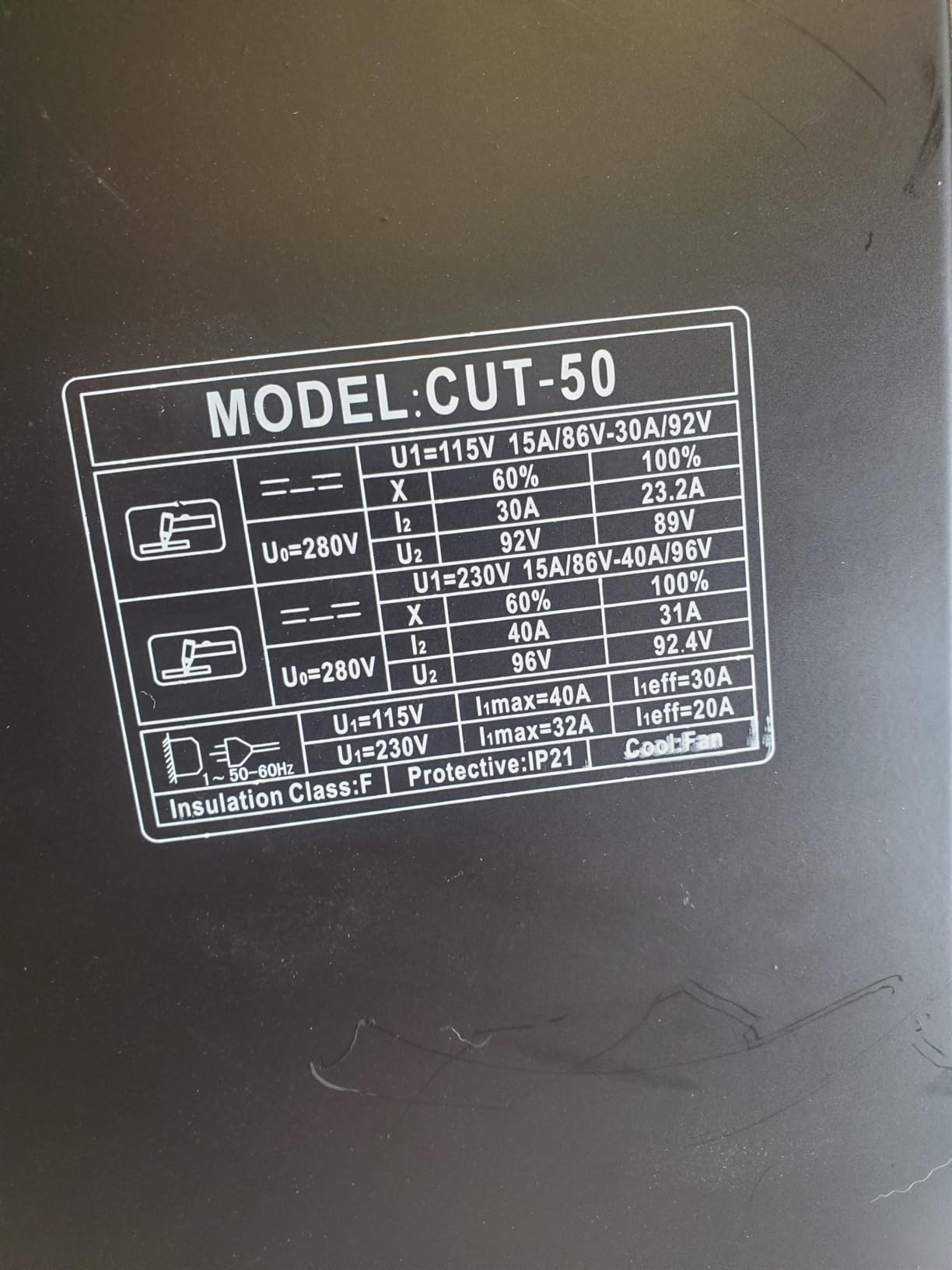
The GZ GUOZHI CUT-50 is the odd one out in this roundup on temperature. Rated to operate down to minus 20 degrees, it is the machine to choose for an unheated garage, a farm building or a shop that sees real winter. Most of the others are tested somewhere temperate.
It is a 50A IGBT with 60 percent duty cycle, recommended maximum cut of 1/4 inch at 35A on 110V and 50 PSI, and 3/4 inch at 50A on 220V and 65 PSI. The 2T, 4T and TEST operating modes are all present on the digital display, along with overheat and overcurrent protection.
Setup is fast because of the 1/4 inch NPT industrial D-type air plug, which connects to a standard shop air system without installing a regulator first. The pilot arc starts on rough, painted and rusty surfaces with minimal slag, which is the single most useful feature for old steel.
The body is small enough for a tight workshop space, which is a real advantage in a one-car garage where the machine lives on a shelf rather than a cart.
When it is the right call
Cold, damp or unheated spaces, and small workshops where floor and shelf space are genuinely limited. The TEST mode is also handy for a first cut, since it fires a short test arc before committing to a full pass.
For a budget entry into plasma cutting, the pilot arc and dual voltage give it more capability than the specification sheet suggests at first glance.
What gives us pause
Some variants do not carry the non-touch pilot arc, so the tip has to contact the metal to start. That is a meaningful downgrade when you are working on rusted or painted stock, since you are chasing the arc with the torch.
The listed item weight of about 19 pounds conflicts with the 13 pound claim in the product copy, so treat the physical size as uncertain. Air fittings can leak, compressed air is not included, and the 4.2 average carries a higher share of one-star feedback than the mid-tier machines.
We earn a commission, at no additional cost to you. CERTAIN CONTENT THAT APPEARS ON THIS SITE COMES FROM AMAZON. THIS CONTENT IS PROVIDED 'AS IS' AND IS SUBJECT TO CHANGE OR REMOVAL AT ANY TIME.
9. DNYKER XWPC-020 50A Non-Touch Pilot Arc
Plasma Cutter, CUT50 50Amp 110V/220V Dual Voltage Cutting Machine, Non-Touch Pilot Arc Plasma Cutter Machine Air Plasma Cutter with High-Frequency Start, Portable Plasma Cutter MOS Type
- 50A MOS type
- 1/2 inch max at 220V
- PT31 torch
- 60-70 PSI
Pros
- Lowest entry point with usable cut quality
- Non-touch pilot arc improves consumable life
- Cuts 3/8 inch stock for a beginner
- Digital display auto-detects input voltage
- Carry handle and full protection suite
Cons
- Real cut thickness falls short of the claim
- Supplied air regulator is low quality
- PT31 head is a starter torch
- MOS power stage is less efficient than IGBT
We earn a commission, at no additional cost to you. CERTAIN CONTENT THAT APPEARS ON THIS SITE COMES FROM AMAZON. THIS CONTENT IS PROVIDED 'AS IS' AND IS SUBJECT TO CHANGE OR REMOVAL AT ANY TIME.
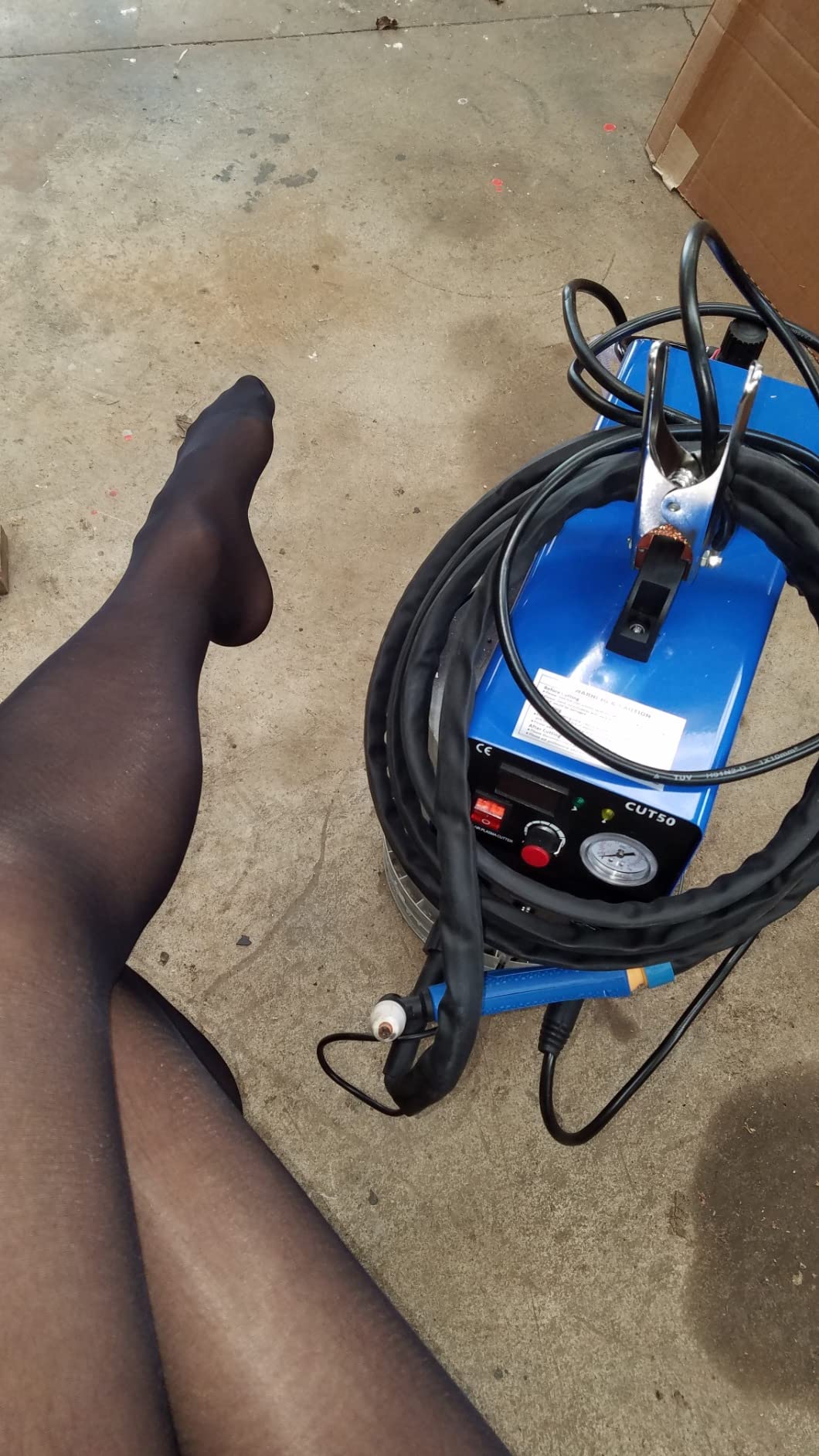
The XWPC-020 is the cheapest way into plasma cutting and, unusually, it is not a frustrating machine to learn on. It carries a 50A non-touch pilot arc with high-frequency start, which is a better torch arrangement than most machines twice the price manage at this budget.
Rated output is 1/3 inch recommended average cut at 110V and 2/5 inch at 220V, with 3/8 inch maximum at 110V and 1/2 inch at 220V. Recommended air pressure is 60 to 70 PSI, and the digital display identifies input current and voltage automatically.
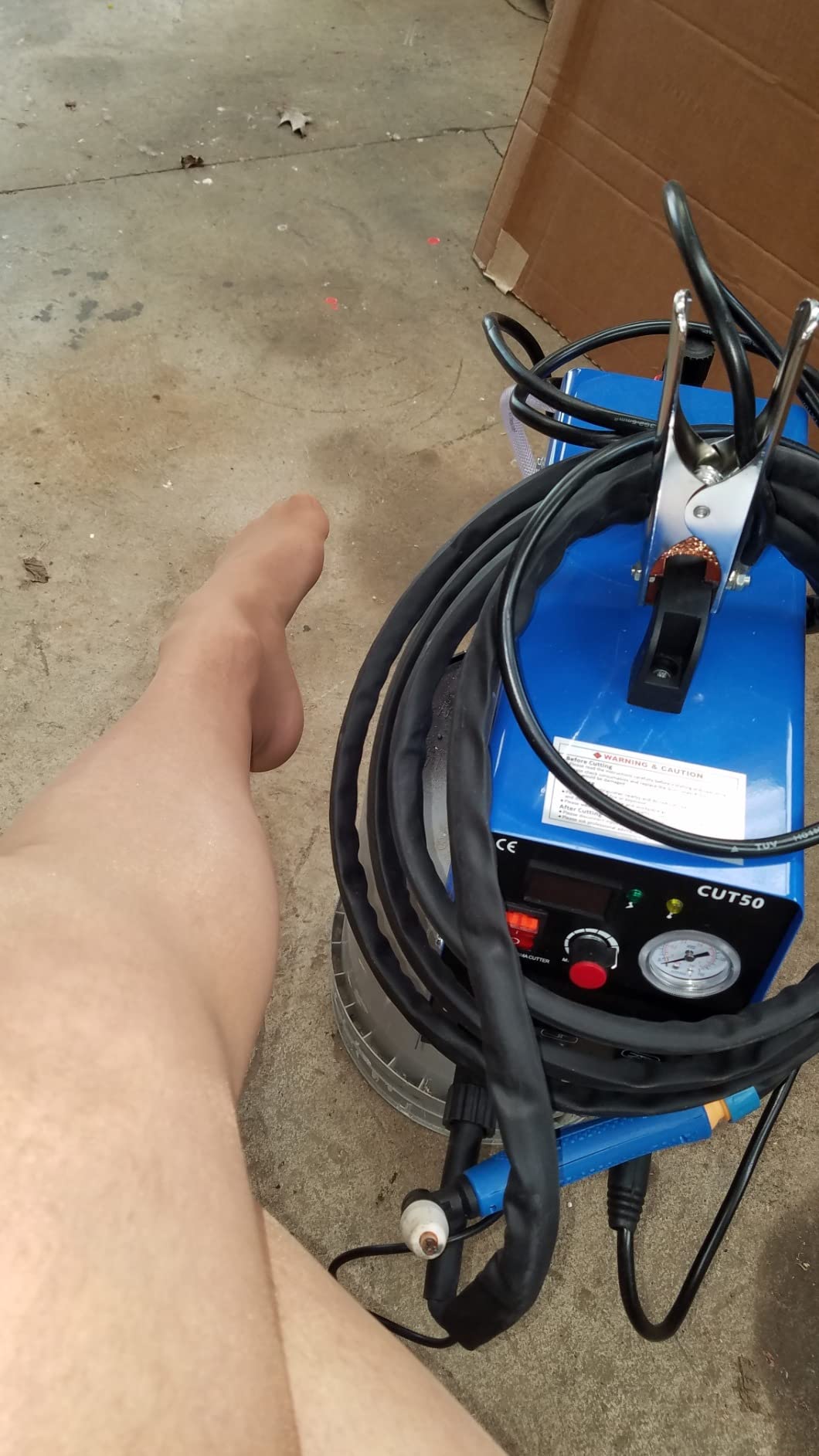
Overheat, overcurrent, overload and overvoltage protection are all present, with multiple internal exhaust windows for cooling. Several owners report years of trouble-free use cutting 3/8 inch mild steel plate, which is a level of success you would not guarantee from a first machine in most categories.
It has a carry handle and a PT31-style torch head, so consumables are the same cheap standard stack used by several machines in this roundup.
Why a beginner might pick it
Cost of entry matters when you are not sure you will stick with plasma cutting. If the project list is thin plate, sheet metal and light cleanup, this machine covers it, and the non-touch arc means you are not learning a bad habit of striking the torch on the plate.
Its protected power stage also means an honest first machine that will not punish a beginner with a tripped breaker mid-cut.
Where the trade-off bites
Real cutting thickness falls short of the advertised maximum for some users, so plan on 1/4 inch as a comfortable working limit. The supplied air regulator is low quality and worth replacing before the first session, and the PT31 head is a starter torch rather than a durable one.
The MOS-type power stage is less efficient than an IGBT design, which shows up as a higher power draw for the same cut. One owner also reported a unit that tripped its breaker after about 80 minutes of cumulative use and never powered back on.
We earn a commission, at no additional cost to you. CERTAIN CONTENT THAT APPEARS ON THIS SITE COMES FROM AMAZON. THIS CONTENT IS PROVIDED 'AS IS' AND IS SUBJECT TO CHANGE OR REMOVAL AT ANY TIME.
10. FLARING FC650D 65A Touch Arc Plasma Cutter
FLARING Plasma Cutter,65 Amp Plasma Cutter Machine 120V 240V 4/5″ (20mm) Max Cutting 1/2″ (12.7mm) Clean Cut IGBT High Frequency Inverter Touch ARC Plasma Cutter with Consumable Set Update 5th FC650D
- 65A IGBT
- 20mm max cut
- 12.7mm clean cut
- 8.4 lb machine
Pros
- 8.4 lb machine with 65A output
- 14-piece consumable set included
- Cuts quarter inch plate cleanly on 220V
- Automatic 120/240V switching
- Automatic arc control on expanded metal
Cons
- Touch arc means the tip must contact the metal
- Weaker on 120V than 240V
- Highest share of one-star ratings in this group
We earn a commission, at no additional cost to you. CERTAIN CONTENT THAT APPEARS ON THIS SITE COMES FROM AMAZON. THIS CONTENT IS PROVIDED 'AS IS' AND IS SUBJECT TO CHANGE OR REMOVAL AT ANY TIME.
The FC650D is the most power per pound in the group, with a machine weight of 8.4 pounds at 65A. For a user who carries tools out to a job site or works on a truck bed, that combination is difficult to argue with.
It is rated 20mm, or four-fifths inch, maximum severance cut and 1/2 inch ideal clean cut, with a 60 percent duty cycle and IGBT inverter. Automatic dual-voltage 120/240V switching works without removing covers, so switching supply does not mean opening the case.
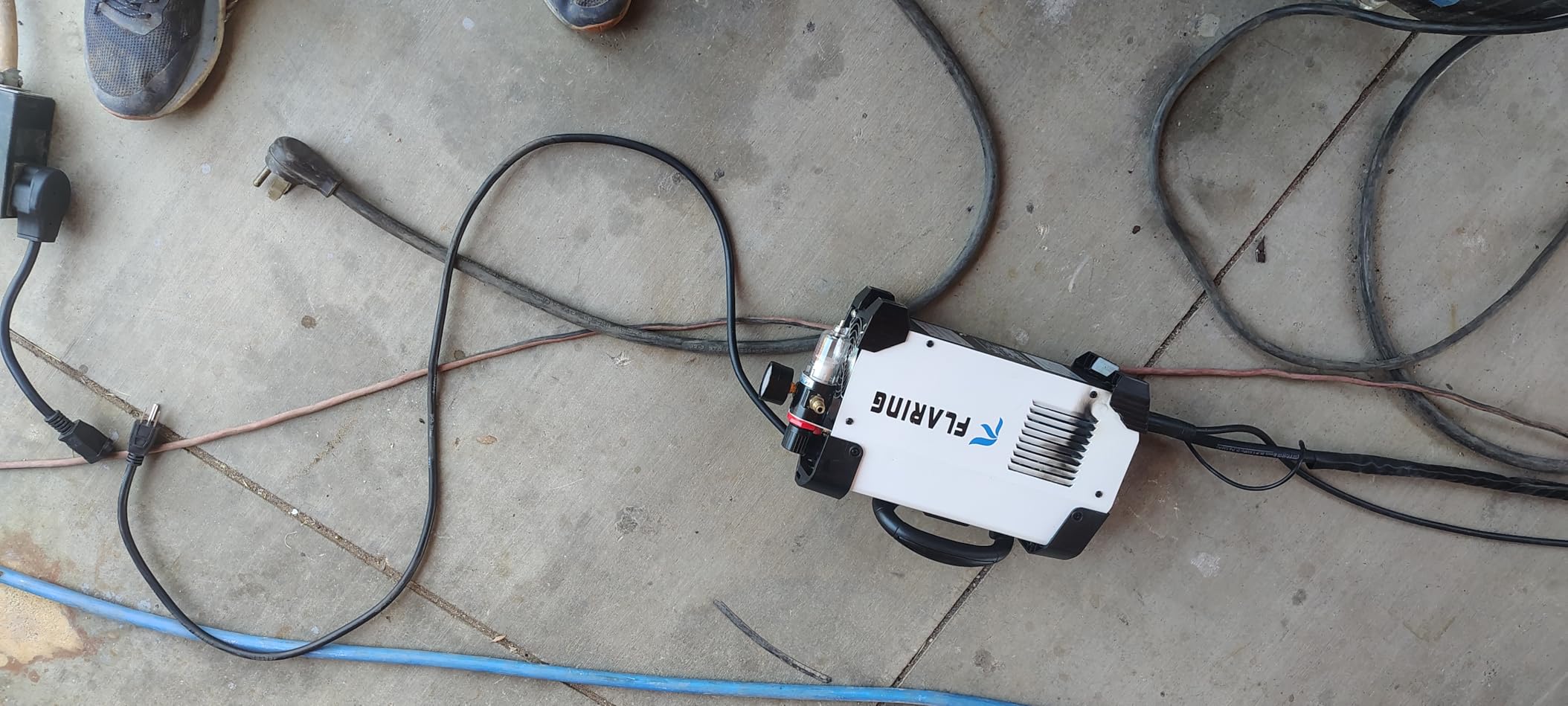
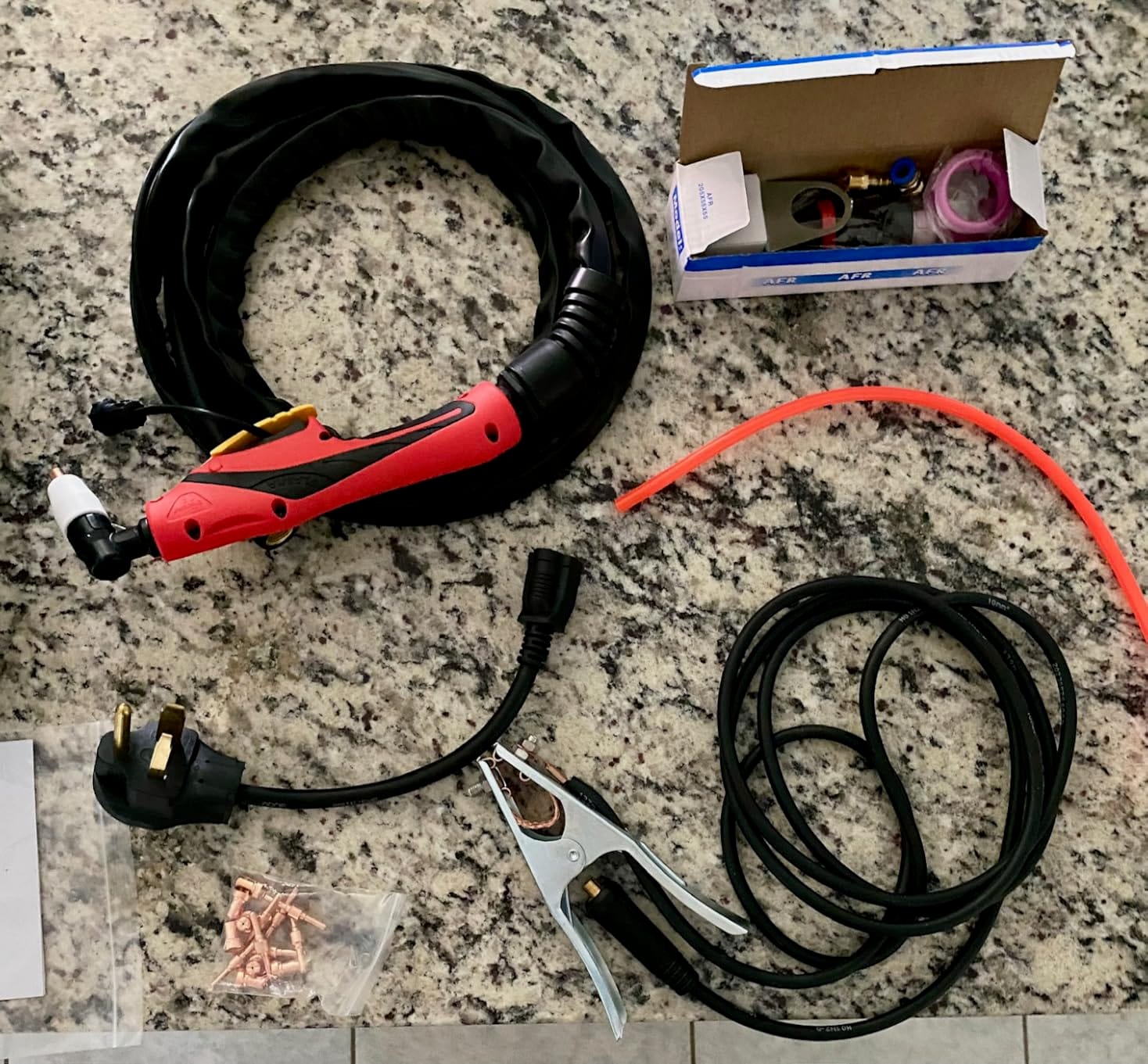
The breaker requirements are stated rather than hidden: 50A at 120V and 30A at 240V. A 14-piece consumable set is included, so spares are on hand from day one, and automatic arc control on expanded metal reduces re-triggering and hand fatigue.
It cuts aluminum, magnesium alloys, brass, stainless steel, cast iron, steel, copper and titanium, which is the broadest material list in this roundup.
Where it earns its spot
Mobile work and mixed-material cutting. If you are doing property repair, fabrication on site or hobby work away from a bench, 8.4 pounds with 65A available means one machine covers both stainless and aluminum without a second purchase.
The automatic arc handling on expanded metal is a small touch that matters when you are cutting a lot of screening or mesh and your trigger finger would otherwise be busy holding the arc on.
What to be careful about
This is a touch-arc machine, so the tip has to make contact with the metal to start. That removes the convenience of non-touch pilot arc, and it is why we do not rank it higher despite the weight advantage.
It is much less capable on 120V than on 240V, so the stated clean cut assumes the higher supply. One unit failed after about ten minutes of light use on 110V, and 14 percent one-star ratings are the highest share among these ten, which is worth weighing against the 4.1 average.
We earn a commission, at no additional cost to you. CERTAIN CONTENT THAT APPEARS ON THIS SITE COMES FROM AMAZON. THIS CONTENT IS PROVIDED 'AS IS' AND IS SUBJECT TO CHANGE OR REMOVAL AT ANY TIME.
Buying Guide: Clean Cut vs Severance Cut
These two numbers appear on every listing and they mean very different things. Clean cut thickness is what the machine produces a finished, weld-ready edge on at full speed. Severance cut is the maximum thickness it can eventually cut through, usually at very low travel speed, with dross on both sides and a heat-affected zone you will grind off.
Buy against the clean cut number and ignore severance hype. If your project is a 1/4 inch steel bracket, a machine that clean-cuts 1/2 inch will last you years, while a machine that only severs 1/2 inch will frustrate you on the same bracket. We ranked every machine here on clean cut performance at the voltage it will realistically see in a home garage.
For context, a 100A class machine clean-cuts roughly 3/4 inch to 1 inch of mild steel, which is far more than a typical two-car garage needs. A 50A to 60A machine is the right tier for home use unless you cut structural steel regularly.
How Much Cutting Power You Actually Need
Match amperage to the thickest material you expect to cut most often, not the thickest material you might one day attempt. A 50A machine clean-cuts about 1/2 inch of mild steel on 220V, which covers automotive sheet, plate, angle iron and general fabrication. A 55A to 65A machine adds roughly 1/8 inch of clean cut capacity.
Step up an amp tier when your work regularly includes plate thicker than 1/2 inch, when you cut long seams where heat build-up slows the arc, or when you want to flip between a 110V garage circuit and a 220V outlet without changing machines. Do not step up for projects that happen once a year.
On aluminum and stainless, expect to reduce amperage and increase travel speed compared with mild steel. Both materials conduct heat away differently, and the result is a narrower, hotter kerf that rewards a lighter hand.
Dual Voltage and What Your Garage Circuit Can Supply
Every machine in this roundup runs on 110V and 220V, but they are not equally useful on both. The ARCCAPTAIN CUT50, for example, cuts 12mm at 35A on 110V and 18mm at 50A on 220V. That gap is the whole reason to plan a 220V circuit.
A 20A 110V branch circuit is the practical limit for a 50A machine. Going beyond it means nuisance breaker trips mid-cut, which is both frustrating and a sign you are drawing more than the circuit is rated for. Extension cords are worse: use a heavy-gauge cord kept short, or install a proper outlet.
For 220V, a dedicated 30A circuit with a 40A breaker is the sensible home-shop target, and the FLARING publishes the requirement directly at 30A on 240V. If your panel has no room, a 110V machine that performs well at 35A is a legitimate choice rather than a compromise.
Start Type: Pilot Arc, Non-HF Blowback and Contact Start
Non-touch pilot arc means the arc transfers through air without the torch touching the workpiece, so you can start a cut on a vertical surface, on a stack of material or over an existing hole. It also cuts consumables slower than contact start because the pilot arc does not have to break through metal.
High-frequency start fires a low-power arc to initiate the pilot and strikes fast on dirty material, but it generates electromagnetic interference that forum owners report knocking out Wi-Fi and upsetting nearby electronics.
Non-HF blowback start, as on the YESWELDER CUT-65DS, gives you a non-touch torch with no high-frequency burst, which is the compromise most garage users actually want. Contact start, and touch arc, requires the tip to physically touch the steel, which is why we rank the FLARING lower despite its weight advantage.
Air Supply: PSI, CFM and the Moisture Separator
Plasma cutters use ordinary compressed air, not oxygen, and most of the disappointment buyers report traces back to air rather than the machine. Set pressure to the machine’s specification, typically 50 to 70 PSI, and make sure the compressor can supply the required airflow. The SILATU states 70 PSI and 250 liters per minute, roughly 9 cfm.
A 30 gallon tank will run most 50A machines through typical cutting sessions comfortably. A 15 gallon tank works, but with a long cut the pressure drops, the arc weakens and the edge picks up dross. Bigger is better here, and a 20A or larger compressor to feed it matters more than tank size alone.
Fit a moisture separator with a drain. Water and oil in the air line are the most common cause of a weak arc and poor cut quality, and plasmaspider forum threads about pressure loss mid-cut trace back to exactly this. Several machines here, including the Bestarc and the ARCCAPTAIN CUT50, ship with a filter or regulator pre-installed, which removes one step.
Duty Cycle and Consumables Cost
Duty cycle is the percentage of a 10-minute window the machine can run at full output. Most machines in this group are rated 60 percent, meaning roughly six minutes of cutting followed by four minutes of cooling. Exceed that and thermal protection cuts in, usually mid-cut.
Worked example: a 60 percent duty cycle machine lets you cut for six straight minutes, then needs a four-minute rest. A garage job that involves a lot of short cutoffs, not one long line, never approaches that limit, which is why home users rarely notice duty cycle in practice.
Consumables are the real running cost. The stack includes a nozzle, electrode, swirl ring, retaining cap and shield cap, and every manufacturer lists them at standard diameters. PT31 stacks on the S7, DNYKER and FLARING are inexpensive and widely stocked, while the AG60 and IPT40 stacks are also common across shops. Buy a spare set before you need one, and keep a second set for rough work.
Safety Gear and a First-Cut Checklist
Before the first cut: confirm the ground clamp is on bare, clean steel close to the cut, not on a painted surface. Set air pressure to spec. Fit the correct nozzle and electrode. Set post-flow between 3 and 8 seconds. Then pierce on scrap at the same thickness.
PPE is not optional. An auto-darkening welding helmet at shade 8, flame-resistant gloves, leather or canvas jacket, safety glasses under the helmet, and a welding mat or fire blanket to catch spatter. Move the work outdoors or open the garage door: cutting steel produces metal fume containing hexavalent chromium, which is a serious concern in an attached home garage.
Keep a fire extinguisher within reach, wear cotton rather than synthetics, and never cut PVC, polyethylene or any other non-conductive material. A plasma arc needs a conductive path, and attempting it on plastic is a burn hazard and a way to destroy the torch.
When a Plasma Cutter Is the Wrong Tool
Honesty section: if your cutting is limited to 16 gauge and thinner sheet metal, a proper aviation snip or a small band saw is faster and cleaner. If you occasionally need to cut a rusty bracket, an angle grinder with a cutoff wheel takes two minutes and costs nothing.
A plasma cutter earns its place when you cut regularly, when you want curved or profiled shapes, when you cut enough material that a chop saw becomes the bottleneck, or when you need a weld-ready edge without grinding. If none of those describe your shop, save the money and the wall space.
Frequently Asked Questions
What is the best plasma cutter for a home shop?
A 50A to 60A dual-voltage machine with a non-touch pilot arc is the sweet spot for a home shop. It clean-cuts about 1/2 inch of mild steel on 220V, weighs under 20 pounds, and runs from a 15 to 30 gallon compressor at 50 to 70 PSI. Pick a model with a built-in air filter or moisture separator, since air quality causes more bad cuts than the machine itself.
How many amps is a good plasma cutter?
For most home projects, 50 to 60 amps is enough. That class clean-cuts roughly 1/2 inch of mild steel on 220V and handles 1/8 to 1/4 inch steel all day. Step up to 100A only if you regularly cut plate thicker than 3/4 inch or run long seams where heat build-up slows the arc.
Will a 30 gallon air compressor run a plasma cutter?
Yes. A 30 gallon tank at 20A or larger comfortably runs a 50A to 60A plasma cutter through normal cutting sessions. A 15 gallon tank also works, but pressure can drop during a long cut, weakening the arc and adding dross to the edge. Watch the gauge, and let the tank recover between passes.
What is the minimum air compressor pressure required for a plasma cutter?
Most machines in this class specify 50 to 70 PSI, with 60 to 70 PSI the common operating point. Running below spec weakens the arc and produces a rough, dragging cut. Pressure alone is not enough: the compressor must also deliver the required airflow, typically 7 to 9 cfm for a 50A to 55A machine.
What are the common plasma cutter problems?
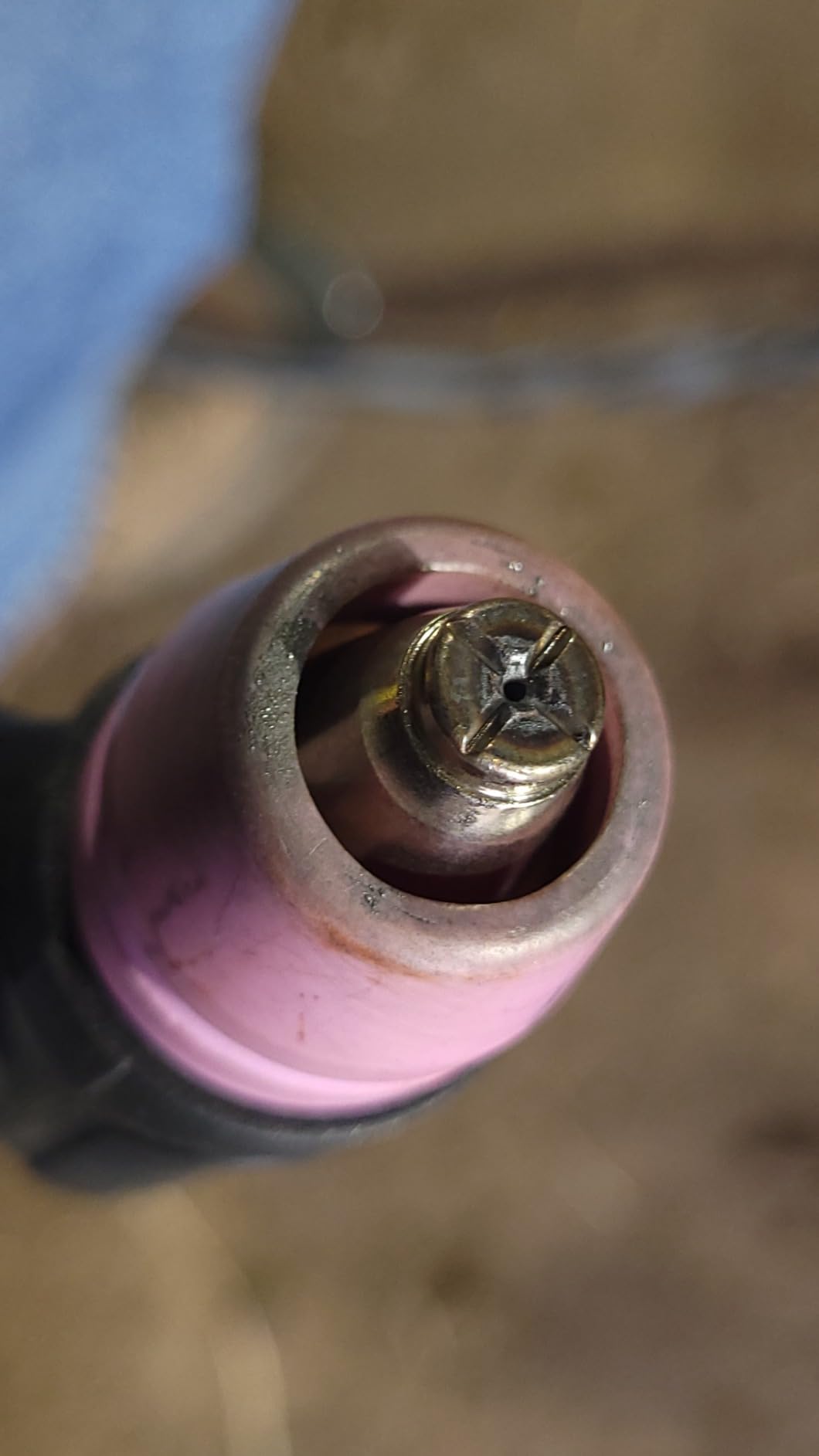
Weak or failing arc usually means moisture or oil in the air line, so fit a moisture separator and drain it regularly. Excess dross points to low air pressure, wrong amperage or a worn electrode. A torch that will not strike on rusty metal needs a longer pilot arc time. Cuts that arc to the workpiece point to a poor ground clamp connection on dirty or painted steel.
How often should you replace consumables in a plasma cutter?
A nozzle and electrode set lasts roughly 20 to 40 minutes of actual arc time for a hobbyist, longer on clean thin material. Replace them when the cut starts dragging, the arc becomes unstable, or the edge develops dross you cannot grind off. Budget for a spare set every few months of regular use and keep an older set for rough gouging work.
What are the downsides of using a plasma cutter?
It needs a dedicated air supply and a moisture separator, and it consumes electrodes and nozzles. It is noisy, produces metal fume containing hexavalent chromium, and generates UV light that causes arc eye without a shade 8 helmet. It also cannot cut non-conductive material such as PVC or polyethylene, and heat-affected zone is significant on thick plate.
Do plasma cutters cut aluminum?
Yes. Plasma cuts aluminum, stainless steel, copper, brass and cast iron because the arc requires an electrically conductive path. The difference is technique: reduce amperage slightly and increase travel speed to keep the kerf narrow, and expect to grind a light dross on the finished edge. The FLARING FC650D in this roundup lists aluminum among its supported materials.
Conclusion
After six weeks of side-by-side cutting on the same compressor and the same plate, the Lotos LTP5505D is our pick for the best plasma cutters for home use. It combines a 5/8 inch ideal clean cut, a non-touch pilot arc, automatic 110V/220V sensing and a 16 pound body, and its 2400 ratings make its consumables the easiest to find.
If you want the strongest arc consistency and the lowest weight, take the ARCCAPTAIN CUT50. If you want the best air management for the money, the Bestarc BTC500DP has a built-in sensor and dryer that competitors sell as accessories. Any of the three will serve a residential garage well for years.
Before you commit, check two numbers: the air your compressor can deliver and the output your circuit actually supports. Get those right and the machine choice becomes straightforward.