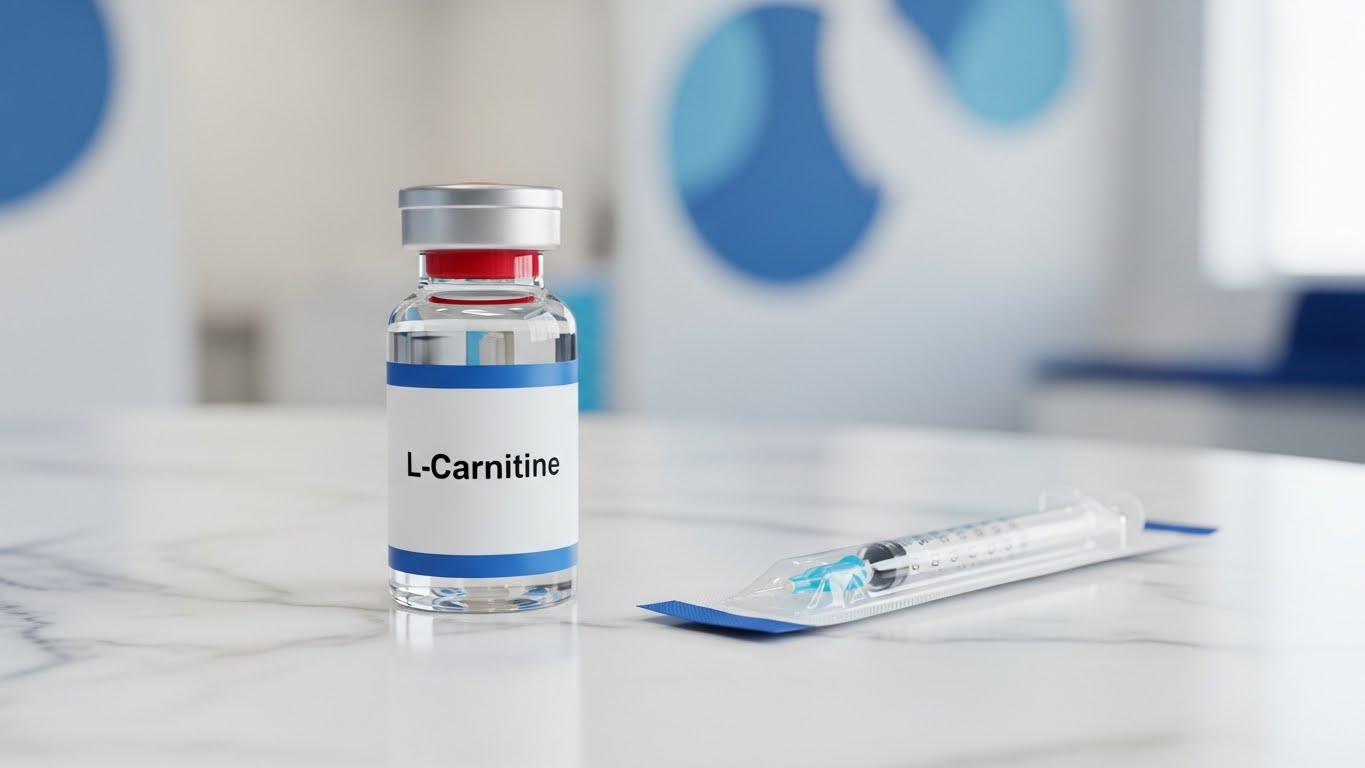
After researching L-Carnitine supplements for months, I kept running into the same frustrating problem: oral supplements just weren’t delivering the results I expected. That’s when I discovered L-Carnitine injections.
L-Carnitine injections offer approximately 100% bioavailability compared to just 15% absorption from oral supplements, making them significantly more effective for fat metabolism and energy production.
In this comprehensive guide, I’ll cover everything you need to know about L-Carnitine injection benefits and dosage in 2026. You’ll learn exactly how this amino acid derivative works, the proper dosing protocols for your goals, step-by-step injection techniques, and where to get prescription L-Carnitine safely.
ContentsTable of Contents
- 1What Is L-Carnitine?→
- 2Types of L-Carnitine→
- 3How L-Carnitine Injections Work?→
- 4Benefits of L-Carnitine Injections→
- 5Fat Metabolism Support→
- 6Energy Production→
- 7Athletic Performance and Recovery→
- 8Additional Potential Benefits→
- 9L-Carnitine Injection Dosage Guidelines→
- 10Dosage by Goal→
- 11Cycle Length Recommendations→
- 12How to Inject L-Carnitine?→
- 13Injection Site Options→
- 14Step-by-Step Injection Guide→
- 15Site Rotation Protocol→
- 16L-Carnitine Injection vs Oral Supplements→
- 17When to Choose Injections?→
- 18When Oral Supplements May Suffice?→
- 19What Results to Expect: Week-by-Week Timeline→
- 20Side Effects and Safety Considerations→
- 21Common Side Effects→
- 22Serious Side Effects (Rare)→
- 23TMAO Concerns→
- 24Who Should Avoid L-Carnitine Injections?→
- 25Where to Get L-Carnitine Injections?→
- 26Olympia Pharmacy – Best for Product Quality→
- 27Olympia Pharmacy→
- 28Pros→
- 29Cons→
- 30Evolve Telemedicine – Best for Convenience→
- 31Evolve Telemedicine→
- 32Pros→
- 33Cons→
- 34What to Expect When Getting a Prescription?→
- 35Frequently Asked Questions→
- 36How often can L-Carnitine injection be used?→
- 37What does L-Carnitine injection do?→
- 38How to administer L-Carnitine injection?→
- 39How much L-Carnitine injection per day is recommended?→
- 40Does L-Carnitine injection hurt?→
- 41Is L-Carnitine injection better than oral supplements?→
- 42How long does it take for L-Carnitine injections to work?→
- 43Can I inject L-Carnitine in my stomach?→
- 44Final Thoughts on L-Carnitine Injections→
What Is L-Carnitine?
L-Carnitine, also known as levocarnitine, is an amino acid derivative that your body naturally produces from lysine and methionine. Its primary function involves transporting long-chain fatty acids into your cells’ mitochondria, where they’re converted into usable energy through a process called beta-oxidation.
Your body synthesizes about 25% of the L-Carnitine it needs. The remaining 75% typically comes from dietary sources like red meat, fish, and dairy products.
L-Carnitine (Levocarnitine): An amino acid derivative that shuttles fatty acids into mitochondria for energy production, supporting fat metabolism and cellular energy.
Types of L-Carnitine
Not all L-Carnitine forms are identical. Here are the main types you’ll encounter:
- L-Carnitine: The standard form used in most injections, effective for general fat metabolism and energy
- Acetyl-L-Carnitine (ALCAR): Crosses the blood-brain barrier, may support cognitive function
- L-Carnitine L-Tartrate: Popular in sports supplements for faster absorption
- Propionyl-L-Carnitine: Research suggests potential cardiovascular benefits
For injectable protocols, standard L-Carnitine (levocarnitine) remains the most common and well-researched form.
How L-Carnitine Injections Work?
L-Carnitine injections deliver levocarnitine directly into your muscle tissue or bloodstream, bypassing the digestive system entirely. This direct delivery provides near-complete bioavailability, meaning your body can utilize almost all of the administered dose.
Here’s how the mechanism works at the cellular level:
- Fatty Acid Transport: L-Carnitine binds to long-chain fatty acids in your bloodstream
- Mitochondrial Entry: The carnitine-fatty acid complex crosses into mitochondria
- Beta-Oxidation: Fatty acids undergo oxidation to produce acetyl-CoA
- ATP Production: Acetyl-CoA enters the citric acid cycle, generating ATP (cellular energy)
Without adequate L-Carnitine, fatty acids cannot efficiently enter mitochondria for energy conversion. This is why supplementation may help support fat metabolism, particularly during exercise and caloric restriction.
Key Insight: Research indicates that injectable L-Carnitine achieves approximately 100% bioavailability, while oral supplements typically offer only 15-25% absorption depending on the dose.
Benefits of L-Carnitine Injections
L-Carnitine injections may provide several benefits, particularly for individuals focused on weight management and athletic performance. Based on available research, here are the primary advantages users report.
Fat Metabolism Support
L-Carnitine’s primary function involves transporting fatty acids for energy production. Research suggests this mechanism may help support the body’s ability to use stored fat as fuel, especially during exercise.
According to studies published in peer-reviewed journals, L-Carnitine supplementation combined with exercise may enhance fat oxidation compared to exercise alone. However, results tend to be most significant when combined with a structured exercise program and caloric management.
Energy Production
By facilitating more efficient fatty acid metabolism, L-Carnitine may help increase cellular energy production. Many users report feeling more energized during workouts and throughout the day.
This energy boost stems from improved mitochondrial function rather than stimulant effects. Unlike caffeine, L-Carnitine doesn’t typically cause jitteriness or energy crashes.
Athletic Performance and Recovery
Athletes often use L-Carnitine injections to potentially:
- Reduce muscle damage: Research suggests L-Carnitine may help minimize exercise-induced muscle damage
- Decrease lactic acid buildup: May help reduce muscle burning during intense exercise
- Improve oxygen utilization: Studies indicate possible improvements in oxygen storage and stamina
- Support recovery: Users report faster recovery between training sessions
Additional Potential Benefits
Beyond fitness applications, research has explored L-Carnitine for several medical conditions:
- Cardiovascular support: Studies suggest potential benefits for heart health
- Male fertility: Research indicates L-Carnitine may support sperm quality and motility
- Carnitine deficiency treatment: FDA-approved use for primary and secondary carnitine deficiency
- Kidney disease support: Used in some dialysis protocols
It’s important to note that while research shows promise in these areas, L-Carnitine is not FDA-approved for weight loss or athletic performance enhancement.
L-Carnitine Injection Dosage Guidelines
The appropriate L-Carnitine injection dosage varies based on your experience level, goals, and individual response. Standard injectable dosages range from 200mg to 1000mg per injection, administered 2-5 times weekly.
| Experience Level | Weight Loss Protocol | Performance Protocol | Frequency |
|---|---|---|---|
| Beginner | 200-400mg | 300-500mg | 3x per week |
| Intermediate | 500-600mg | 500-750mg | 3-4x per week |
| Advanced | 750-1000mg | 750-1000mg | 4-5x per week |
| Competition Prep | 1000mg | 1000mg | Daily (short-term) |
Dosage by Goal
For General Weight Management: Start with 200-400mg three times weekly. This conservative approach allows you to assess tolerance before increasing dosage.
For Athletic Performance: Most athletes use 500-1000mg per injection, typically administered 30-60 minutes before training for optimal timing.
For Medical Conditions: Clinical protocols may differ significantly. According to the Mayo Clinic, intravenous dosing for medical use typically follows 50mg per kg of body weight per day under physician supervision.
Cycle Length Recommendations
Based on available research and clinical protocols, most users follow these cycling guidelines:
- Cycle length: 4-8 weeks of consistent use
- Break period: 2-4 weeks off between cycles
- Reason: Cycling may help prevent receptor downregulation and maintain effectiveness
Pro Tip: Start at the lower end of the dosage range and gradually increase based on your response. Many users report that 500mg 3x weekly provides a good balance of effectiveness and tolerability.
How to Inject L-Carnitine?
L-Carnitine injections are typically administered intramuscularly (IM) or subcutaneously (SubQ). Proper technique ensures effective delivery while minimizing discomfort and complications.
Injection Site Options
Intramuscular Sites (Most Common):
- Vastus lateralis (outer thigh): Easy to access, good for beginners
- Gluteus maximus: Large muscle, well-tolerated
- Deltoid (shoulder): Convenient but smaller muscle
Subcutaneous Sites:
- Abdomen: Popular for SubQ injections, rotate around navel
- Upper outer thigh: Alternative SubQ location
Step-by-Step Injection Guide
- Prepare supplies: Gather your L-Carnitine vial, syringe, alcohol wipes, and sharps container
- Wash hands thoroughly: Use soap and water for at least 20 seconds
- Clean the vial top: Wipe with alcohol and let dry
- Draw medication: Insert needle, invert vial, withdraw prescribed dose
- Clean injection site: Wipe with alcohol in circular motion, let dry
- Insert needle: 90-degree angle for IM, 45-degree for SubQ
- Aspirate (IM only): Pull back plunger slightly to check for blood
- Inject slowly: Push plunger steadily over 5-10 seconds
- Remove and apply pressure: Withdraw needle and press gauze to site
- Dispose properly: Place needle in sharps container immediately
Site Rotation Protocol
Rotating injection sites helps prevent tissue damage, scarring, and reduced absorption. Follow this pattern:
- Rotate between at least 3-4 different sites
- Wait at least 1-2 weeks before reusing the same site
- Keep a simple log to track rotation
- Avoid areas with visible veins, bruises, or scarring
L-Carnitine Injection vs Oral Supplements
The biggest difference between injectable and oral L-Carnitine comes down to bioavailability. Injections deliver nearly 100% of the dose directly to your bloodstream, while oral supplements lose most of their potency during digestion.
| Factor | L-Carnitine Injection | Oral L-Carnitine |
|---|---|---|
| Bioavailability | ~100% | 15-25% |
| Onset of Action | Rapid (minutes) | Slower (hours) |
| Effective Dose | 200-1000mg | 2000-3000mg needed |
| Prescription Required | Yes | No |
| Convenience | Requires injection | Simple pill/liquid |
| Cost per Effective Dose | Higher upfront | Lower per unit, more needed |
| GI Side Effects | Minimal | More common (nausea, cramping) |
When to Choose Injections?
Injectable L-Carnitine may be preferable if:
- You want maximum absorption and effectiveness
- Oral supplements haven’t produced desired results
- You’re preparing for competition or have specific performance goals
- You experience GI issues with oral supplements
When Oral Supplements May Suffice?
Oral L-Carnitine might work well if:
- You prefer convenience over optimal absorption
- Your goals are more general wellness-focused
- You’re uncomfortable with self-injection
- Cost is a primary concern
What Results to Expect: Week-by-Week Timeline
Understanding realistic expectations helps you stay committed and assess whether L-Carnitine injections are working for you. Results vary based on individual factors, diet, and exercise habits.
| Timeframe | What Users Typically Report | Notes |
|---|---|---|
| Week 1-2 | Increased energy, especially during workouts | Most noticeable effect early on |
| Week 3-4 | Improved endurance, reduced post-workout fatigue | Exercise performance improvements emerge |
| Week 5-6 | Potential changes in body composition when combined with diet and exercise | Fat loss requires caloric deficit |
| Week 7-8 | Cumulative benefits; consider cycling off | Evaluate and plan next cycle |
Important: L-Carnitine is not a magic solution for weight loss. Research consistently shows best results occur when L-Carnitine is combined with regular exercise and a balanced, calorie-appropriate diet. Users who expect fat loss without lifestyle changes typically report minimal results.
Side Effects and Safety Considerations
L-Carnitine injections are generally well-tolerated when used at recommended dosages. However, understanding potential side effects helps you use this supplement safely.
Common Side Effects
| Side Effect | Frequency | Severity | Management |
|---|---|---|---|
| Nausea | Common (10-20%) | Mild | Take with food, reduce dose |
| Fishy body odor | Common | Mild | Reduce dose, may resolve over time |
| Injection site soreness | Common | Mild | Rotate sites, proper technique |
| Diarrhea | Uncommon | Mild-Moderate | Reduce dose, stay hydrated |
| Stomach cramps | Uncommon | Mild | Take with food |
| Restlessness/Insomnia | Rare | Mild | Avoid evening doses |
Serious Side Effects (Rare)
Seek medical attention immediately if you experience:
- Rapid heartbeat (tachycardia)
- Significant blood pressure changes
- Fever without apparent cause
- Severe allergic reactions
TMAO Concerns
Some research has raised concerns about L-Carnitine’s potential to increase trimethylamine N-oxide (TMAO) levels, which may be associated with cardiovascular risk. However, this concern primarily applies to oral supplementation, as gut bacteria convert carnitine to TMA before it becomes TMAO.
Injectable L-Carnitine bypasses the gut, potentially reducing this concern. However, research in this area is ongoing. Some users take allicin (garlic extract) alongside L-Carnitine as a potential mitigation strategy, though more research is needed.
Who Should Avoid L-Carnitine Injections?
L-Carnitine may not be appropriate for:
- Pregnant or breastfeeding women (insufficient safety data)
- Children (no established safety profile)
- Patients on thyroid medications (may interfere with thyroid hormone)
- Those taking blood thinners like Warfarin or Acenocoumarol
- People with seizure disorders (consult physician first)
Where to Get L-Carnitine Injections?
Obtaining L-Carnitine injections requires a prescription from a licensed healthcare provider. Here are two reputable options I’ve researched for sourcing prescription L-Carnitine in 2026.
Olympia Pharmacy – Best for Product Quality
Licensed 503A/503B compounding pharmacy offering L-Carnitine injections at 500mg/ml concentration.
LegitScript certified and NABP accredited with FDA-registered facilities.
Pros
- 500mg/ml concentration
- LegitScript certified
- NABP accredited
- Ships to multiple states
Cons
- Requires existing prescription
- Consultation needed for pricing
- May not accept all insurances
This post contains affiliate links. If you purchase through them, we may earn a commission (at no extra cost to you).
Olympia Pharmacy operates as both a 503A and 503B compounding facility, meaning they meet rigorous FDA standards for sterile compounding. Their L-Carnitine injection comes at a 500mg/ml concentration, suitable for both IV and IM administration.
The process involves completing an online intake form, consulting with a licensed physician, and receiving your prescription medication shipped directly. Their trust signals include LegitScript certification and NABP accreditation, which are important quality indicators for compounding pharmacies.
Evolve Telemedicine – Best for Convenience
Telehealth provider offering customized L-Carnitine injection protocols with free initial consultation.
Specializes in weight loss and wellness programs with personalized treatment plans.
Pros
- Free initial consultation
- Customized dosing (200-600mg)
- Weight loss program integration
- Expert care team
Cons
- Pricing requires consultation
- Limited to telehealth-eligible states
- Not a pharmacy - works with partners
This post contains affiliate links. If you purchase through them, we may earn a commission (at no extra cost to you).
Evolve Telemedicine provides a telehealth-based approach to L-Carnitine prescriptions. They offer free initial consultations where their medical team assesses your needs and creates a customized treatment plan.
Their L-Carnitine protocols typically range from 200-600mg administered intramuscularly, adjusted based on your goals and response. This provider works well if you want integrated support for weight management beyond just the medication itself.
What to Expect When Getting a Prescription?
Both providers follow similar processes:
- Complete an online health questionnaire
- Schedule or participate in a consultation with a licensed provider
- Discuss your goals and medical history
- Receive a prescription if appropriate for your situation
- Medication ships to your address
Frequently Asked Questions
How often can L-Carnitine injection be used?
L-Carnitine injections are typically administered 2-3 times per week for beginners, increasing to 4-5 times weekly for advanced users. Athletes during cutting phases may use daily injections of up to 1000mg. Most protocols recommend cycling 4-8 weeks on followed by 2-4 weeks off to maintain effectiveness.
What does L-Carnitine injection do?
L-Carnitine injection delivers the amino acid derivative directly into your bloodstream, where it transports long-chain fatty acids into mitochondria for energy production. This process may enhance fat metabolism, increase energy levels, support exercise performance, and aid muscle recovery. Injectable forms provide nearly 100% bioavailability compared to 15% from oral supplements.
How to administer L-Carnitine injection?
L-Carnitine can be injected intramuscularly (IM) into the thigh, gluteus, or deltoid at a 90-degree angle, or subcutaneously (SubQ) into the abdomen at a 45-degree angle. Clean the injection site with alcohol, insert the needle, inject slowly over 5-10 seconds, and rotate sites between injections to prevent tissue irritation.
How much L-Carnitine injection per day is recommended?
Standard L-Carnitine injection dosages range from 200-1000mg per injection. Beginners should start with 200-400mg per injection 3 times weekly. Intermediate users typically use 500-600mg, while advanced users may take 750-1000mg per injection. Medical protocols under physician supervision may use different dosing based on specific conditions.
Does L-Carnitine injection hurt?
L-Carnitine injections cause mild, temporary discomfort similar to other intramuscular injections. Most users report brief stinging during injection and minor soreness afterward. Using proper technique, rotating injection sites, ensuring the solution is at room temperature, and injecting slowly can minimize discomfort significantly.
Is L-Carnitine injection better than oral supplements?
L-Carnitine injections offer significantly higher bioavailability (approximately 100%) compared to oral supplements (15-25%). This means you need lower doses via injection to achieve similar effects. Injections also bypass digestive issues that can reduce oral absorption. However, oral supplements are more convenient and don’t require a prescription.
How long does it take for L-Carnitine injections to work?
Most users notice increased energy within the first 1-2 weeks of L-Carnitine injections. Improved exercise endurance typically becomes apparent by weeks 3-4. Body composition changes, when combined with proper diet and exercise, may become noticeable around weeks 5-8. Individual results vary based on dosage, lifestyle factors, and consistency.
Can I inject L-Carnitine in my stomach?
Yes, L-Carnitine can be injected subcutaneously in the abdominal area. Inject at a 45-degree angle into the fatty tissue, rotating around the navel while avoiding the area directly around it. Subcutaneous stomach injections are a viable alternative to intramuscular injections, though IM remains more common for L-Carnitine.
Final Thoughts on L-Carnitine Injections
L-Carnitine injections offer a highly bioavailable method of supplementing this essential amino acid derivative. When combined with regular exercise and appropriate nutrition, they may support fat metabolism, energy production, and athletic performance.
The key to success with L-Carnitine injections lies in realistic expectations, proper dosing protocols, and consistent use. Start with lower doses, track your response, and work with a healthcare provider to optimize your protocol.
For those serious about maximizing their L-Carnitine supplementation, the injectable form provides clear advantages in bioavailability and effectiveness over oral options.
FDA Disclaimer: This article is for informational purposes only and does not constitute medical advice. L-Carnitine injections should only be administered under the supervision of a licensed healthcare provider. The FDA has not evaluated these statements for the treatment of any disease. Consult your physician before starting any new supplement or injection protocol.
Medical Disclaimer: The information provided is based on available research and should not replace professional medical guidance. Individual results may vary. Always consult with a qualified healthcare provider before beginning any injection therapy.