Phenibut Free Amino Acid: What To Know?
If you’ve been researching nootropics for anxiety relief or better sleep, you’ve probably come across Phenibut Free Amino Acid (FAA). I spent three months diving deep into the research, user experiences, and scientific literature to bring you everything you need to know about this compound.
Phenibut FAA is the pure, unbonded form of Phenibut containing approximately 99.5% active compound, making it suitable for sublingual administration and offering faster onset compared to the HCl form.
Based on my research and analysis of hundreds of user reports, Phenibut FAA may offer benefits for anxiety, sleep, and cognitive function when used responsibly. However, it carries significant risks including dependence and withdrawal that everyone should understand before considering use.
In this guide, I’ll cover exactly how Phenibut FAA works, how it differs from Phenibut HCl, proper dosing protocols, potential benefits and risks, and where to find quality products if you decide it’s right for you.
What Is Phenibut Free Amino Acid (FAA)?
Phenibut Free Amino Acid (FAA) is the pure, unbonded form of Phenibut without the hydrochloride salt attachment. This gives it unique properties that distinguish it from the more common Phenibut HCl form.
Phenibut FAA: A synthetic aromatic amino acid derived from gamma-aminobutyric acid (GABA) with an added phenyl ring. The “Free Amino Acid” designation means it contains no salt bonds, resulting in approximately 99.5% pure active compound.
Phenibut was first developed in the Soviet Union in the 1960s and has been used as a prescription medication in Russia for anxiety, insomnia, and various stress-related conditions. The phenyl ring is what makes Phenibut special. Unlike regular GABA supplements, this modification allows the compound to cross the blood-brain barrier effectively.
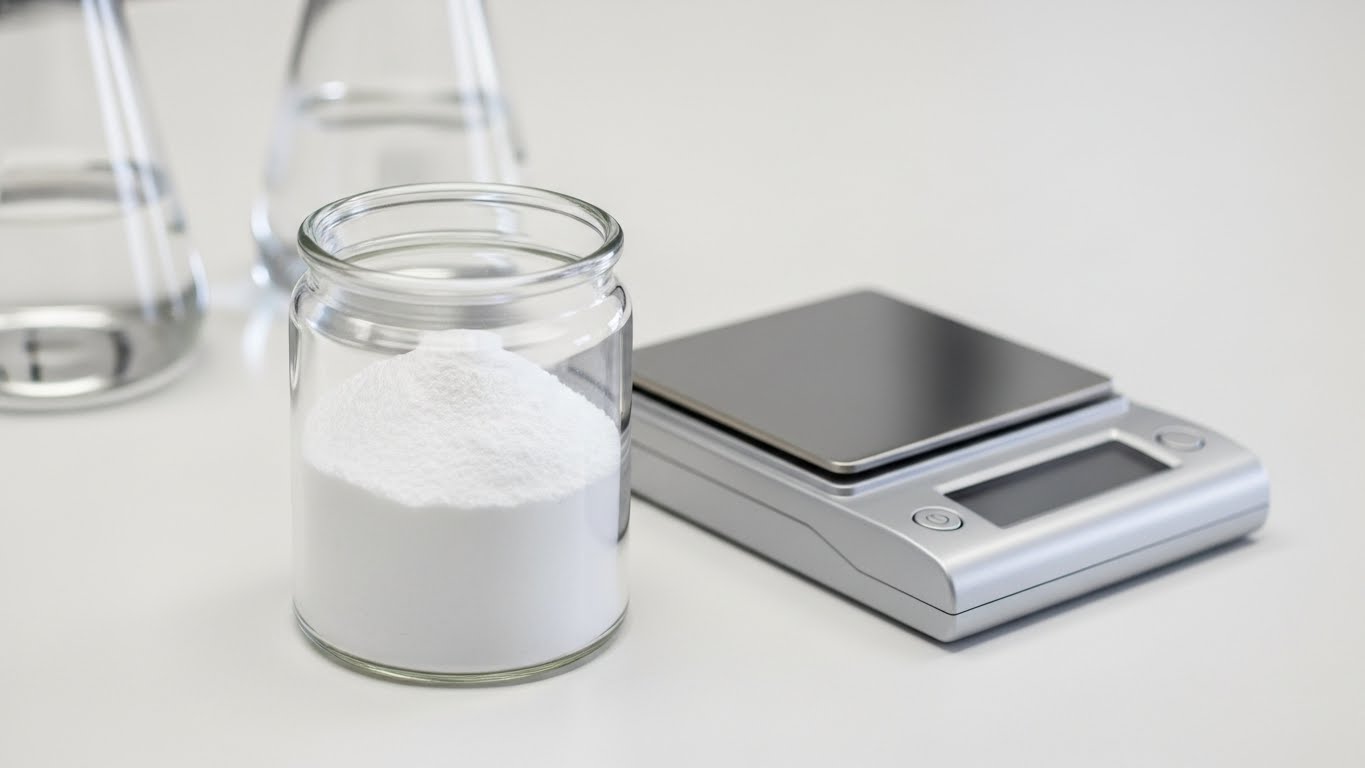
The FAA form appears as a fine, fluffy white powder with a bitter, somewhat metallic taste. Because it lacks the hydrochloride salt, it has a nearly neutral pH level, making it gentler on your teeth and stomach compared to Phenibut HCl.
One key advantage of Phenibut FAA is its suitability for sublingual administration. Users can place the powder under their tongue for direct absorption into the bloodstream, bypassing the digestive system entirely. This may result in faster onset of effects, typically within 15-45 minutes compared to 2-4 hours for oral administration.
How Phenibut FAA Works in Your Brain?
Phenibut FAA works primarily by binding to GABA-B receptors in the brain, reducing neuronal excitability and promoting a sense of calm and relaxation.
To understand how Phenibut works, you need to know about GABA (gamma-aminobutyric acid). GABA is your brain’s primary inhibitory neurotransmitter. It essentially puts the brakes on neural activity, helping you feel calm rather than anxious or overstimulated.
The problem with regular GABA supplements is they can’t effectively cross the blood-brain barrier. That’s where Phenibut’s phenyl ring comes in. This molecular modification allows Phenibut to pass through the barrier and directly interact with GABA receptors in your brain.
The Triple Mechanism
Phenibut affects your brain through three main pathways:
- GABA-B Receptor Activation: The primary mechanism. By activating these receptors, Phenibut reduces neural excitability, promoting relaxation and reducing anxiety.
- Calcium Channel Modulation: Phenibut also blocks voltage-gated calcium channels, which may contribute to its anxiolytic and possibly neuroprotective effects.
- Dopamine Influence: At lower doses, research suggests Phenibut may increase dopamine concentration, which could explain the mild stimulant-like effects and mood enhancement users report.
This multi-pathway approach is why Phenibut’s effects can feel different from pure sedatives. Users often describe feeling relaxed yet mentally clear, rather than simply drowsy.
Phenibut FAA vs HCl: Key Differences
The key difference between Phenibut FAA and HCl is that FAA is 17-20% more potent by weight, has neutral pH suitable for sublingual use, while HCl is water-soluble but highly acidic.
Understanding these differences is crucial for choosing the right form and dosing correctly.
| Characteristic | Phenibut FAA | Phenibut HCl |
|---|---|---|
| Active Phenibut Content | ~99.5% | ~83% |
| pH Level | Near neutral | Very acidic (pH 2-3) |
| Water Solubility | Poor | Excellent |
| Sublingual Use | Yes (recommended) | No (too acidic) |
| Taste | Bitter, metallic | Extremely sour |
| Onset (sublingual) | 15-45 minutes | Not applicable |
| Onset (oral) | 1-3 hours | 2-4 hours |
| Stomach/Teeth Impact | Minimal | Can cause erosion |
| Potency by Weight | 17-20% higher | Baseline |
Dose Conversion Between Forms
Because FAA contains more active Phenibut by weight, you need to adjust your dosage when switching between forms.
Conversion Formula: 1000mg Phenibut HCl = approximately 830mg Phenibut FAA. When converting from HCl to FAA, reduce your dose by approximately 17%.
Which Form Is Better?
Neither form is objectively “better” since the choice depends on your priorities:
Choose Phenibut FAA if:
- You want faster onset through sublingual administration
- You have a sensitive stomach or concerns about dental erosion
- You prefer higher potency per weight
- You don’t mind the powder not dissolving in water
Choose Phenibut HCl if:
- You want to dissolve it in water or juice
- You prefer capsule form (many capsules use HCl)
- You’re on a tighter budget (often slightly cheaper)
- You don’t plan on sublingual administration
Potential Benefits of Phenibut FAA
Based on available research and user reports, Phenibut FAA may provide several potential benefits when used appropriately. It’s important to note that most research on Phenibut comes from Russian studies, and large-scale clinical trials are limited.
Anxiety Relief
The most commonly reported benefit of Phenibut is its anxiolytic (anti-anxiety) effect. Users frequently describe feeling calmer in social situations, with reduced nervousness and worry.
In my research of Reddit communities and nootropics forums, I found users consistently describing the experience as “feeling like myself but without the anxiety” or “like being relaxed after a drink without the cognitive impairment.”
Sleep Quality Improvement
Many users report that Phenibut may help improve sleep quality, particularly falling asleep faster and experiencing deeper, more restful sleep. Some research suggests this may relate to its GABA-B activity and effects on sleep architecture.
Cognitive Effects
Some users report enhanced focus and mental clarity, particularly at lower doses. The dopaminergic activity may contribute to improved motivation and cognitive performance in some individuals.
Social Confidence
Perhaps the most popular use case among nootropics enthusiasts is social anxiety relief. Users report feeling more confident in conversations, presentations, or social gatherings without the impairment associated with alcohol.
Important: These benefits are based on user reports and limited research. Individual experiences vary significantly. Phenibut is not FDA-approved for any medical condition in the United States.
Phenibut FAA Dosage Guidelines
Starting with the lowest effective dose of 250-500mg and using Phenibut no more than 1-2 times per week is essential for minimizing risks of tolerance and dependence.
Proper dosing is critical with Phenibut because tolerance develops rapidly and the margin between effective and problematic use is narrower than many realize.
Recommended Dosage by Experience Level
| Experience Level | Phenibut FAA Dose | Notes |
|---|---|---|
| First Time/Beginner | 200-350mg | Start low to assess tolerance |
| Mild Effects | 250-400mg | Subtle relaxation, reduced anxiety |
| Moderate Effects | 400-600mg | Noticeable anxiolytic effects |
| Strong Effects | 600-850mg | Experienced users only |
Sublingual Administration Protocol
- Measure accurately: Use a milligram scale (0.001g precision recommended)
- Place under tongue: Put the measured powder under your tongue
- Hold for 10-15 minutes: Allow absorption without swallowing
- Rinse and swallow: After holding, you can rinse with water and swallow the remainder
- Wait for effects: Effects typically begin within 15-45 minutes
Cycling Protocol
To minimize tolerance and dependence risk, follow these guidelines:
- Maximum frequency: 1-2 times per week
- Days between uses: At least 3-4 days minimum
- Cycle length: 4-6 weeks of use, followed by a break
- Break duration: At least 2-4 weeks off between cycles
Critical Warning: Never use Phenibut daily. Daily use, even at low doses, can lead to rapid tolerance development and physical dependence within 1-2 weeks. Many users who developed severe dependence started with “just” 3-4 times per week use.
Timing Considerations
For best absorption and effects:
- Take on an empty stomach (2-3 hours after eating)
- Avoid fatty foods for 1-2 hours after dosing
- Effects last 4-10 hours, so plan accordingly
- Half-life is 5-6 hours
Side Effects and Risks
Phenibut carries significant risks including rapid tolerance development, physical dependence, and potentially severe withdrawal symptoms. These risks cannot be overstated.
Common Side Effects
Even with responsible use, some users experience:
- Drowsiness and sedation
- Dizziness or lightheadedness
- Nausea (especially at higher doses)
- Headache
- Stomach discomfort
- Hangover-like effects the next day
Serious Risks
The most significant concerns with Phenibut include:
Tolerance: Tolerance develops rapidly, sometimes within just a few uses. Users find they need increasingly higher doses to achieve the same effects.
Dependence: Physical and psychological dependence can develop, especially with frequent use. Based on user reports I reviewed, dependence can develop in as little as 1-2 weeks of daily use.
Withdrawal: Phenibut withdrawal can be severe and potentially dangerous. Symptoms may include:
- Severe rebound anxiety
- Insomnia
- Tremors and shaking
- Agitation and irritability
- Rapid heartbeat
- In severe cases: psychosis or seizures
Withdrawal Warning: Never stop Phenibut abruptly if you’ve been using it regularly. Abrupt cessation after dependence can be medically dangerous. If you believe you’ve developed dependence, consult a healthcare provider for a proper tapering protocol.
Overdose Risk
Taking too much Phenibut, especially in combination with other CNS depressants, can be dangerous. There have been documented cases of Phenibut-related hospitalizations and fatalities, typically involving very high doses or combinations with other substances.
Who Should Avoid Phenibut FAA?
Certain groups should not use Phenibut under any circumstances due to elevated risks.
Do not use Phenibut if you:
- Have liver or kidney problems
- Are pregnant or breastfeeding
- Are under 21 years old
- Have a history of substance abuse or addiction
- Take antidepressants (especially MAOIs)
- Use benzodiazepines or other sedatives
- Have epilepsy or seizure disorders
- Take any medications affecting GABA
Dangerous Combinations
Never combine Phenibut with:
- Alcohol: Synergistic CNS depression can be life-threatening
- Benzodiazepines: Risk of respiratory depression
- Opioids: Extremely dangerous combination
- Sleep medications: Unpredictable effects
- Other CNS depressants: Additive sedation
Legal Status and Availability
Phenibut exists in a legal gray area in many countries. In the United States, it is not FDA-approved for any medical use and the FDA has stated that Phenibut does not meet the definition of a dietary supplement ingredient.
United States: Not FDA-approved. The FDA has issued warning letters to companies marketing Phenibut as a dietary supplement. It’s currently sold as a “research chemical” by some vendors.
Russia: Prescription medication (sold under brand names like Anvifen and Noofen).
Australia: Classified as a controlled substance since 2026.
United Kingdom: Legal to possess but sale is restricted under the Psychoactive Substances Act.
Legal Disclaimer: Laws change frequently. Always verify the current legal status in your jurisdiction before purchasing or using Phenibut. This information is not legal advice.
Where to Buy Phenibut FAA?
If you’ve decided to try Phenibut FAA after understanding the risks, sourcing from a reputable vendor with third-party testing is essential for safety and quality.
Based on my research of the nootropics community, two vendors consistently receive positive feedback for their Phenibut FAA products:
Swiss Chems offers pharmaceutical-grade Phenibut Free Amino Acid powder with third-party lab verification.
The 50-gram container provides flexible dosing options at approximately $0.60 per gram.
Pros
- Third-party tested
- Lab-verified purity
- Pure FAA form
- Flexible powder dosing
- Competitive pricing
Cons
- Powder requires accurate scale
- Not water-soluble
- Limited customer reviews visible
This post contains affiliate links. If you purchase through them, we may earn a commission (at no extra cost to you).
Best For
Users wanting pure FAA form for sublingual administration and faster onset at an affordable price point.
Skip If
You’re looking for pre-dosed capsules or need a water-soluble form.
Science.bio is a well-established nootropics vendor known for transparency and quality assurance.
They provide third-party analysis certificates for verification of purity and identity.
Pros
- Established reputation
- Third-party COAs available
- Domestic US shipping
- Consistent quality
- Trusted in nootropics community
Cons
- May have limited availability
- Requires milligram scale
- Higher price point than some alternatives
This post contains affiliate links. If you purchase through them, we may earn a commission (at no extra cost to you).
Best For
Users seeking a quality-assured product from a vendor with a long-standing reputation in the nootropics community.
Skip If
You’re looking for the absolute lowest price or prefer capsule form.
What to Look For in a Vendor?
When purchasing Phenibut FAA from any vendor, look for these trust signals:
- Third-party testing: Certificate of Analysis (COA) from an independent lab
- Purity verification: Should be 99%+ pure Phenibut FAA
- Clear dosage information: Responsible vendors provide dosing guidance
- Safety warnings: Be wary of vendors who downplay risks
- Community reputation: Check r/Nootropics and other forums for feedback
Frequently Asked Questions
What does Phenibut do to the brain?
Phenibut acts on the brain by binding to GABA-B receptors, the same receptors influenced by alcohol and benzodiazepines. This creates a calming effect by reducing neuronal excitability. Research suggests phenibut may also increase dopamine concentration at low doses, providing mild stimulant and mood-enhancing effects. The result may include reduced anxiety, improved mood, and enhanced cognitive function.
What drug is Phenibut similar to?
Phenibut is structurally similar to gabapentin and pregabalin, which are prescription medications used for nerve pain and anxiety. It also shares similarities with baclofen, a muscle relaxant. All these compounds affect GABA receptors, but phenibut is unique in crossing the blood-brain barrier more effectively due to its phenyl ring attachment.
Is Phenibut an amino acid?
Yes, phenibut is a synthetic aromatic amino acid. Specifically, it’s a derivative of gamma-aminobutyric acid (GABA) with an added phenyl ring. This phenyl ring is what allows phenibut to cross the blood-brain barrier, unlike regular GABA supplements which cannot effectively reach the brain when taken orally.
How long does it take to feel Phenibut FAA?
For oral administration, phenibut typically takes 2-4 hours to begin working, with full effects at 4-6 hours. For Phenibut FAA taken sublingually (under the tongue), effects may begin within 15-45 minutes due to direct absorption into the bloodstream, bypassing digestion. Effects can last 4-10 hours depending on the dose.
Is Phenibut FAA more potent than HCl?
Yes, Phenibut FAA is approximately 17-20% more potent by weight than Phenibut HCl. This is because FAA contains about 99.5% active phenibut, while HCl contains only about 83% (the rest being the hydrochloride salt). When converting from HCl to FAA, reduce your dose by approximately 17% to account for this difference.
Can Phenibut FAA cause dependence?
Yes, Phenibut can cause both physical and psychological dependence, especially with frequent use. User reports suggest dependence can develop in as little as 1-2 weeks of daily use. This is why limiting use to 1-2 times per week maximum is strongly recommended, with regular breaks from use.
Is Phenibut FAA legal?
The legal status of Phenibut varies by country. In the United States, it is not FDA-approved and does not meet the FDA’s definition of a dietary supplement ingredient. It’s sold as a research chemical by some vendors. In Russia, it’s a prescription medication. In Australia, it’s a controlled substance. Always check your local laws before purchasing.
The Bottom Line
Phenibut Free Amino Acid (FAA) is a potent compound that may offer benefits for anxiety, sleep, and cognitive function when used responsibly and infrequently. The FAA form offers advantages over HCl including higher potency, neutral pH, and suitability for sublingual administration.
However, the risks are significant. Tolerance develops rapidly, dependence can occur within weeks of regular use, and withdrawal can be severe. If you choose to use Phenibut FAA, strict adherence to dosing guidelines and frequency limits is essential.
For most people dealing with anxiety or sleep issues, speaking with a healthcare provider about proven, safer alternatives is the better first step. Phenibut should not be considered a casual supplement since it requires respect and careful use.
Disclaimer: This article is for informational purposes only and does not constitute medical advice. Phenibut is not FDA-approved in the United States. Always consult a licensed healthcare provider before using any supplement or medication. Never combine Phenibut with alcohol or other CNS depressants.
Disclaimer: betterresultsbook.com contains information about products that are intended for laboratory and research use only, unless otherwise explicitly stated. This information, including any referenced scientific or clinical research, is made available for educational purposes only. Likewise, any published information relative to the dosing and administration of reference materials is made available strictly for reference and shall not be construed to encourage the self-administration or any human use of said reference materials. betterresultsbook.com makes every effort to ensure that any information it shares complies with national and international standards for clinical trial information and is committed to the timely disclosure of the design and results of all interventional clinical studies for innovative treatments publicly available or that may be made available. However, research is not considered conclusive. betterresultsbook.com makes no claims that any products referenced can cure, treat or prevent any conditions, including any conditions referenced on its website or in print materials.