After spending months researching GLP-1 medications and interviewing healthcare providers, I understand why the retatrutide vs semaglutide comparison is generating so much interest. With obesity affecting over 40% of American adults and weight loss medications proving life-changing for many, choosing the right option matters.
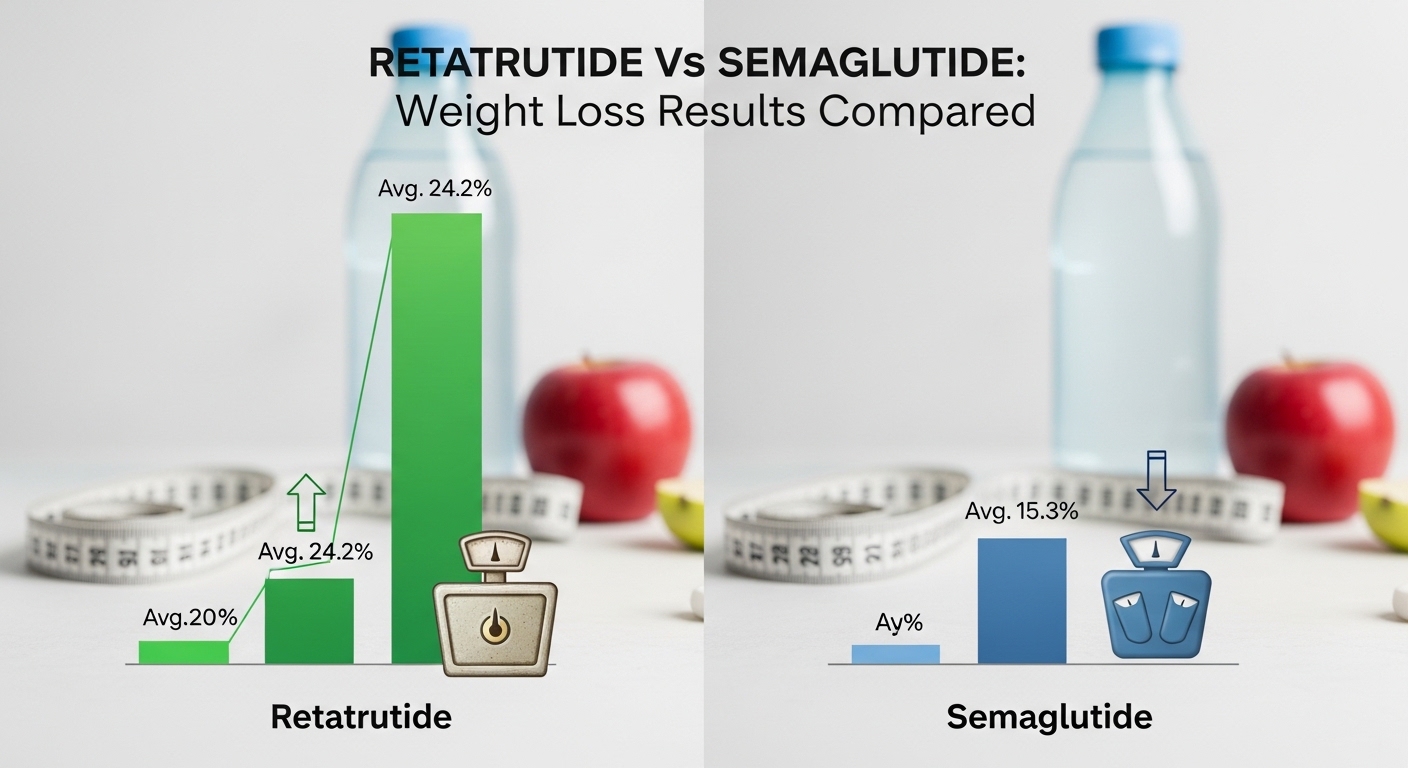
Based on our research, semaglutide is currently the better choice for most people because it is FDA-approved with proven long-term safety data, while retatrutide shows greater weight loss potential (up to 24.2% vs 15%) but remains in clinical trials with expected FDA approval in 2026 or later.
In this comprehensive comparison, I will break down exactly how these two medications differ in mechanism, effectiveness, side effects, dosing, and availability. Whether you are currently on semaglutide and curious about next-generation options, or just starting your weight loss journey, this guide will help you make an informed decision.
Disclaimer: This content is for informational purposes only and does not constitute medical advice. Compounded medications are not FDA-approved. Always consult a licensed healthcare provider before starting any weight-loss medication.
ContentsTable of Contents
- 1Retatrutide vs Semaglutide: Quick Comparison→
- 2What Is Retatrutide?→
- 3Current Development Status→
- 4What Is Semaglutide?→
- 5Why Semaglutide Remains Popular?→
- 6How They Work: Mechanism of Action Comparison→
- 7Semaglutide: Single GLP-1 Receptor Agonist→
- 8Retatrutide: Triple Receptor Agonist→
- 9Weight Loss Results: Clinical Trial Data→
- 10Retatrutide Clinical Trial Results→
- 11Semaglutide Clinical Trial Results→
- 12The Muscle Preservation Question→
- 13Side Effects Comparison→
- 14Retatrutide Side Effects (Phase 2 Trial Data)→
- 15Semaglutide Side Effects→
- 16Managing Side Effects→
- 17Dosage and Administration→
- 18Retatrutide Dosing→
- 19Semaglutide Dosing (Wegovy)→
- 20Cost and Availability→
- 21Semaglutide Pricing→
- 22Retatrutide Availability→
- 23Where to Get Treatment Today?→
- 24Hydration Room – Professional GLP-1 Administration→
- 25Hydration Room→
- 26Pros→
- 27Cons→
- 28NiceRx – Affordable Compounded Semaglutide→
- 29NiceRx→
- 30Pros→
- 31Cons→
- 32Which Is Right for You?→
- 33Choose Semaglutide If:→
- 34Consider Waiting for Retatrutide If:→
- 35Switching from Semaglutide to Retatrutide→
- 36Frequently Asked Questions→
- 37Is retatrutide better than semaglutide?→
- 38How quickly does retatrutide work?→
- 39How much weight do people lose on retatrutide?→
- 40Can you switch from semaglutide to retatrutide?→
- 41When will retatrutide be FDA approved?→
- 42Which has fewer side effects: retatrutide or semaglutide?→
- 43Is retatrutide available yet?→
- 44Final Verdict→
Retatrutide vs Semaglutide: Quick Comparison
The key difference between retatrutide and semaglutide is their mechanism of action. Semaglutide activates only the GLP-1 receptor, while retatrutide targets three receptors (GLP-1, GIP, and glucagon) for potentially greater weight loss effects.
| Feature | Retatrutide | Semaglutide |
|---|---|---|
| Type | Triple agonist (GLP-1, GIP, Glucagon) | Single GLP-1 receptor agonist |
| FDA Status | Phase 3 trials (not approved) | FDA approved (2017/2021) |
| Weight Loss (Clinical Trials) | Up to 24.2% body weight | Approximately 15% body weight |
| Administration | Once-weekly injection | Weekly injection or daily oral |
| Manufacturer | Eli Lilly | Novo Nordisk |
| Brand Names | LY3437943 (trial name) | Wegovy, Ozempic, Rybelsus |
| Expected Availability | 2026 or later | Widely available now |
| Dosage Range | 1mg to 12mg weekly | 0.25mg to 2.4mg weekly |
What Is Retatrutide?
Retatrutide (also known as LY3437943) is a next-generation weight loss medication developed by Eli Lilly that targets three hormone receptors simultaneously. It represents a significant evolution in obesity treatment beyond current single and dual agonist medications.
Triple Agonist: A medication that activates three different hormone receptors. Retatrutide targets GLP-1 (appetite control), GIP (enhanced insulin response), and glucagon (energy expenditure and fat burning).
Unlike semaglutide which only activates GLP-1 receptors, retatrutide’s triple-action mechanism may help with weight loss through multiple metabolic pathways. The glucagon receptor activation is particularly notable because it may increase energy expenditure and promote fat burning.
Current Development Status
Retatrutide is currently being studied in Eli Lilly’s TRIUMPH clinical trial program. Phase 2 results published in the New England Journal of Medicine showed participants losing up to 24.2% of their body weight over 48 weeks.
The medication is now in Phase 3 trials, with FDA approval expected in 2026 or later. Until then, retatrutide is not legally available for prescription use outside of clinical trials.
Important: Some sources offer retatrutide through grey market research peptide channels. We do not recommend obtaining unapproved medications outside of clinical trials due to safety and quality concerns.
What Is Semaglutide?
Semaglutide is an FDA-approved GLP-1 receptor agonist medication made by Novo Nordisk. It works by mimicking the GLP-1 hormone to suppress appetite, slow gastric emptying, and regulate blood sugar levels.
Semaglutide is available under several brand names for different purposes:
- Wegovy: FDA-approved for chronic weight management (June 2021)
- Ozempic: FDA-approved for type 2 diabetes (December 2017)
- Rybelsus: Daily oral tablet for type 2 diabetes
In 2026, semaglutide received additional FDA approval for cardiovascular risk reduction in people with obesity, further establishing its safety and efficacy profile. The medication has been studied in the extensive STEP (weight loss) and SUSTAIN (diabetes) clinical trial programs.
Why Semaglutide Remains Popular?
Despite newer medications in development, semaglutide offers several advantages:
- Proven Track Record: Years of real-world usage data
- Oral Option: Rybelsus offers a non-injection alternative
- Insurance Coverage: More likely to be covered than newer options
- Cardiovascular Benefits: Proven heart health improvements
How They Work: Mechanism of Action Comparison
The fundamental difference between retatrutide and semaglutide lies in how many hormone receptors each medication activates. This distinction may explain retatrutide’s potentially greater weight loss effects.
Semaglutide: Single GLP-1 Receptor Agonist
Semaglutide works by activating only the GLP-1 receptor. When activated, this receptor triggers several weight-loss-promoting effects:
- Appetite Suppression: Signals the brain to reduce hunger
- Slowed Gastric Emptying: Food stays in the stomach longer, increasing fullness
- Improved Insulin Secretion: Better blood sugar control after meals
- Reduced Glucagon Release: Decreases glucose production
Retatrutide: Triple Receptor Agonist
Retatrutide activates three receptors simultaneously, potentially creating a more comprehensive metabolic effect:
GLP-1 Receptor: Provides the same appetite suppression and blood sugar benefits as semaglutide.
GIP Receptor: Glucose-dependent insulinotropic polypeptide enhances insulin secretion and may improve how the body processes nutrients. Tirzepatide (Mounjaro/Zepbound) also targets this receptor.
Glucagon Receptor: This is what sets retatrutide apart. Glucagon activation may increase energy expenditure and promote fat burning, potentially explaining the greater weight loss observed in trials.
Key Insight: The glucagon component in retatrutide may help address a limitation of GLP-1-only medications. Some researchers believe activating the glucagon receptor could promote better fat loss while potentially preserving lean muscle mass.
Weight Loss Results: Clinical Trial Data
Retatrutide demonstrates significantly greater weight loss in clinical trials compared to semaglutide. In Phase 2 trials, participants on retatrutide lost up to 24.2% of their body weight over 48 weeks, compared to approximately 15% with semaglutide in the STEP trials.
Retatrutide Clinical Trial Results
The Phase 2 trial published in the New England Journal of Medicine showed dose-dependent weight loss:
| Retatrutide Dose | Weight Loss at 48 Weeks |
|---|---|
| 1mg weekly | 8.7% |
| 4mg weekly | 17.0% |
| 8mg weekly | 22.1% |
| 12mg weekly | 24.2% |
These results generated significant excitement because they approach outcomes previously only seen with bariatric surgery. However, Phase 3 trials are ongoing and final efficacy data may differ.
Semaglutide Clinical Trial Results
Semaglutide’s weight loss efficacy is well-established through the STEP clinical trial program:
| Study | Duration | Average Weight Loss |
|---|---|---|
| STEP 1 | 68 weeks | 14.9% |
| STEP 2 (T2D patients) | 68 weeks | 9.6% |
| STEP 3 (with lifestyle) | 68 weeks | 16.0% |
| STEP 4 (maintenance) | 68 weeks | 17.4% |
The Muscle Preservation Question
One concern with GLP-1 medications is potential muscle loss during weight reduction. Based on our research, early data suggests retatrutide’s glucagon component may help preserve lean muscle mass better than single-agonist medications.
In the Phase 2 trial, participants on higher doses of retatrutide showed favorable body composition changes. However, long-term data from Phase 3 trials will be needed to confirm this potential benefit.
For both medications, experts recommend combining weight loss treatment with resistance exercise and adequate protein intake to minimize muscle loss.
Side Effects Comparison
Both retatrutide and semaglutide share similar gastrointestinal side effects, which are common among GLP-1-based medications. Early data suggests retatrutide may have a comparable or slightly different side effect profile.
Retatrutide Side Effects (Phase 2 Trial Data)
Based on clinical trial data, the most commonly reported side effects include:
- Nausea: 45% of participants
- Vomiting: 19% of participants
- Constipation: 16% of participants
- Diarrhea: 15% of participants
- Cardiac arrhythmia: 11% of participants
- Fatigue: 10% of participants
Some forum discussions suggest retatrutide may cause less severe nausea than semaglutide, though this has not been confirmed in head-to-head studies. The cardiac arrhythmia signal is being monitored in ongoing Phase 3 trials.
Semaglutide Side Effects
Semaglutide’s side effect profile is well-documented from years of clinical and real-world use:
- Nausea: 44% of participants
- Diarrhea: 31.5% of participants
- Vomiting: 24.8% of participants
- Constipation: 23.4% of participants
- Dyspepsia: 10.3% of participants
Managing Side Effects
For both medications, side effects are typically:
- Most intense during the first few weeks of treatment
- Usually decrease as the body adjusts
- Minimized by slow dose titration
- Manageable with dietary modifications (smaller meals, avoiding fatty foods)
Pro Tip: Most providers recommend eating slowly, avoiding large meals, and staying hydrated. If nausea becomes intolerable, your healthcare provider may slow down the dose titration schedule.
Dosage and Administration
Both medications are administered as once-weekly subcutaneous injections. However, their dosing schedules and titration patterns differ significantly.
Retatrutide Dosing
Based on clinical trial protocols:
- Starting Dose: Typically 1mg weekly
- Titration: Gradual increases over 12-16 weeks
- Maintenance Range: 4mg to 12mg weekly
- Administration: Once-weekly subcutaneous injection
The optimal dose appears to be in the 8-12mg range based on Phase 2 efficacy data, though Phase 3 trials will help determine final dosing recommendations.
Semaglutide Dosing (Wegovy)
FDA-approved dosing schedule for weight management:
| Week | Dose |
|---|---|
| Weeks 1-4 | 0.25mg |
| Weeks 5-8 | 0.5mg |
| Weeks 9-12 | 1.0mg |
| Weeks 13-16 | 1.7mg |
| Week 17+ | 2.4mg (maintenance) |
This gradual titration helps minimize gastrointestinal side effects while allowing the body to adjust to the medication.
Cost and Availability
The most significant practical difference between retatrutide and semaglutide is availability. Semaglutide is FDA-approved and widely accessible, while retatrutide is only available through clinical trials or potentially through some specialized clinics offering it ahead of FDA approval.
Semaglutide Pricing
Brand-name semaglutide costs vary significantly based on insurance coverage:
- Wegovy: $1,349.02/month list price (as low as $0 with insurance + savings card)
- Ozempic: $997.58 for 28-day supply (manufacturer savings programs available)
- Compounded Semaglutide: $199-$299/month through telehealth providers
Retatrutide Availability
Retatrutide is expected to receive FDA approval in 2026 or later after completion of Phase 3 TRIUMPH trials. Currently, the only legitimate way to access retatrutide is through enrollment in clinical trials.
Warning: We do not recommend purchasing retatrutide from grey market sources or research peptide vendors. These products may be counterfeit, improperly dosed, or contaminated.
Where to Get Treatment Today?
If you are interested in GLP-1 weight loss treatment while waiting for retatrutide, here are two providers offering legitimate options:
Hydration Room – Professional GLP-1 Administration
Hydration Room is one of the few clinics offering access to semaglutide, tirzepatide, and retatrutide.
Their in-clinic administration by registered nurses provides professional medical oversight.
Pros
- All three GLP-1 medications available
- In-clinic RN administration
- Free virtual consultation
- Lab review included
Cons
- Requires in-person clinic visits
- Higher pricing for retatrutide
- Limited to clinic locations
This post contains affiliate links. If you purchase through them, we may earn a commission (at no extra cost to you).
Hydration Room stands out by offering access to all three major GLP-1 medications, including retatrutide for eligible patients. Their model emphasizes professional medical supervision with in-clinic administration by registered nurses.
Treatment includes a free virtual consultation with a nurse practitioner, comprehensive lab review, and ongoing monitoring. This approach may be ideal for those who want hands-on medical support during their weight loss journey.
NiceRx – Affordable Compounded Semaglutide
NiceRx offers affordable compounded semaglutide for those who cannot access or afford brand-name Wegovy.
Their telehealth model makes weight loss treatment accessible nationwide.
Pros
- Affordable compounded semaglutide
- $100 off first month
- Comprehensive educational resources
- Telehealth consultations
Cons
- Compounded medications only
- Retatrutide not available
- Limited to semaglutide and tirzepatide
This post contains affiliate links. If you purchase through them, we may earn a commission (at no extra cost to you).
For those focused on cost, NiceRx provides compounded semaglutide at a fraction of brand-name pricing. Starting at $229/month with a $100 discount on the first month, this option makes treatment accessible for those without insurance coverage.
The telehealth model allows you to consult with providers remotely and have medication shipped directly to your home.
Which Is Right for You?
The choice between retatrutide and semaglutide depends primarily on your timeline and risk tolerance. For most people in 2026, semaglutide remains the practical choice because retatrutide is not yet FDA-approved.
Choose Semaglutide If:
- You want to start treatment now with an FDA-approved medication
- You prefer a proven medication with extensive safety data
- You have insurance coverage for Wegovy or Ozempic
- You want the option of a daily oral tablet (Rybelsus)
- Cardiovascular risk reduction is a priority
Consider Waiting for Retatrutide If:
- You have tried semaglutide with limited success
- You experienced intolerable side effects on current GLP-1 medications
- Maximum weight loss is your primary goal
- You are comfortable waiting until 2026 or later for FDA approval
- You qualify for and can enroll in clinical trials
Switching from Semaglutide to Retatrutide
Based on our research, once retatrutide receives FDA approval, switching from semaglutide may be an option for patients seeking greater weight loss. However, specific switching protocols will need to be established based on Phase 3 trial data.
If you are currently on semaglutide and considering future options, discuss retatrutide with your healthcare provider. They can help you evaluate whether you might be a candidate once the medication becomes available.
Frequently Asked Questions
Is retatrutide better than semaglutide?
Retatrutide shows greater weight loss potential (up to 24.2% vs 15% body weight) in clinical trials. However, semaglutide is FDA-approved with years of safety data, while retatrutide is still in Phase 3 trials. The ‘better’ choice depends on whether you prioritize proven safety or maximum weight loss potential.
How quickly does retatrutide work?
Based on Phase 2 clinical trial data, participants began seeing significant weight loss within the first few weeks of treatment, with results accelerating over 48 weeks. The medication typically requires 12-16 weeks of dose titration to reach maintenance doses.
How much weight do people lose on retatrutide?
In Phase 2 trials, participants on the highest dose (12mg weekly) lost an average of 24.2% of their body weight over 48 weeks. Lower doses showed 17-22% weight loss. These results may vary in real-world use once the medication receives FDA approval.
Can you switch from semaglutide to retatrutide?
Once retatrutide receives FDA approval, switching from semaglutide may be possible under medical supervision. Specific switching protocols have not yet been established. Discuss future options with your healthcare provider to stay informed about developments.
When will retatrutide be FDA approved?
Retatrutide is expected to receive FDA approval in 2026 or later, pending successful completion of Phase 3 clinical trials under Eli Lilly’s TRIUMPH program. The exact timeline depends on trial results and the FDA review process.
Which has fewer side effects: retatrutide or semaglutide?
Both medications have similar gastrointestinal side effects including nausea, vomiting, and diarrhea. Early data suggests comparable tolerability, though some forum discussions indicate retatrutide may cause less severe nausea. Head-to-head studies have not been conducted.
Is retatrutide available yet?
Retatrutide is not yet available for prescription use. It is currently only accessible through enrollment in Phase 3 clinical trials. Some clinics may offer it through research channels, but this is not recommended outside of supervised clinical settings.
Final Verdict
For most people considering weight loss medications in 2026, semaglutide remains the practical choice. It is FDA-approved, widely available, and has proven efficacy with years of safety data. Retatrutide shows exciting potential with superior weight loss results in clinical trials, but its lack of FDA approval means most patients will need to wait until 2026 or later.
If you have tried semaglutide with limited success or experienced intolerable side effects, discussing retatrutide clinical trial enrollment with your healthcare provider may be worthwhile.
The bottom line: Both medications represent significant advances in obesity treatment. Your choice should be guided by your healthcare provider based on your specific health profile, timeline, and treatment goals.
Medical Disclaimer: This review is for informational purposes only and does not constitute medical advice. Compounded medications are not FDA-approved and may not be available in all states. Always consult a licensed healthcare provider before starting any weight-loss medication.