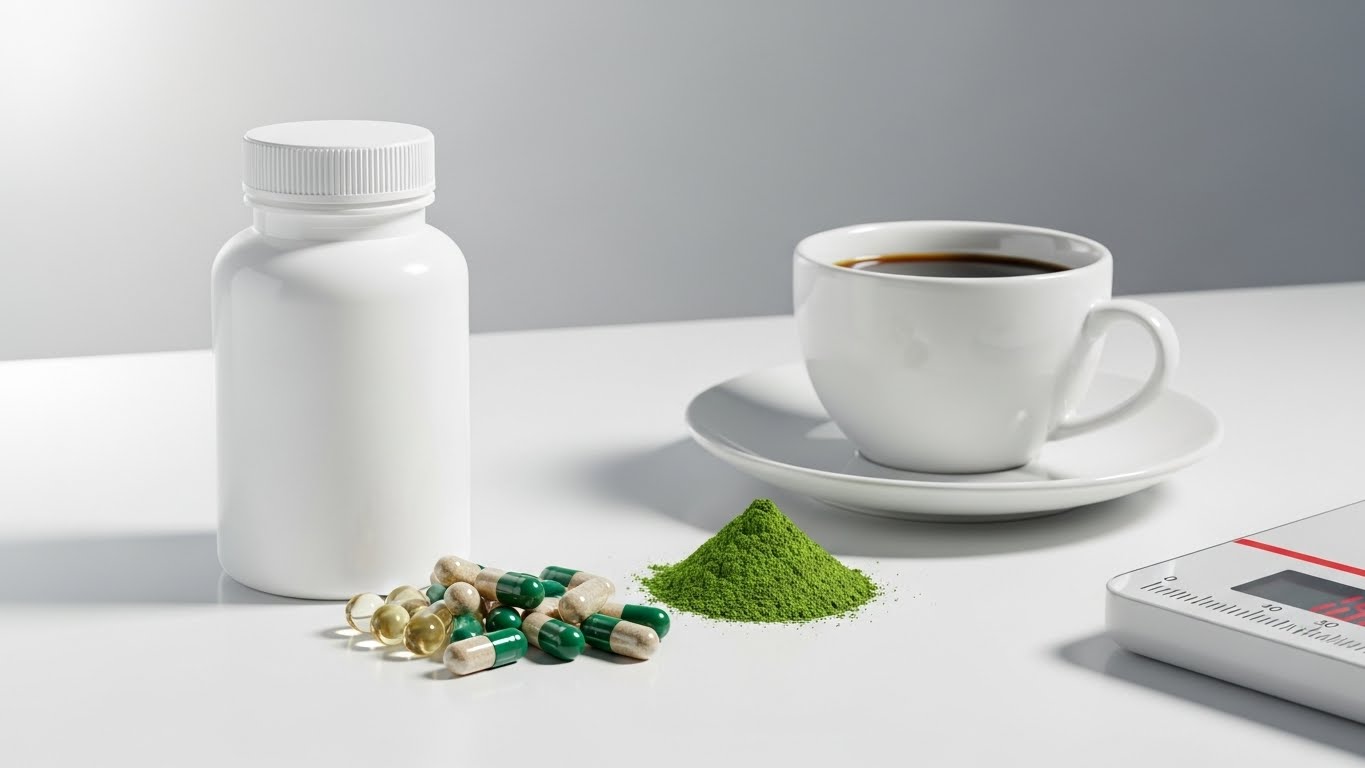
If you’re a man looking to optimize your health in 2026, you’ve probably found yourself overwhelmed by the sheer number of supplements available. I’ve spent the past three years researching and testing various supplements, and I understand the confusion firsthand.
After reviewing dozens of studies and tracking my own results, I’ve narrowed down the most impactful supplements into three categories: essential vitamins for men’s health, yohimbine for targeted fat loss, and nootropics for enhanced studying and focus.
In this guide, I’ll break down exactly what works, the proper dosages, and the safety considerations you need to know. Whether you’re over 40 looking to support testosterone levels, trying to lose stubborn belly fat, or a student preparing for exams, this research-backed guide has you covered.
ContentsTable of Contents
- 1Essential Vitamins for Men in 2026→
- 2Key Vitamins for Men: Quick Comparison→
- 3Vitamin D: The Testosterone Vitamin→
- 4Vitamin B12: Energy and Cognitive Function→
- 5Supporting Vitamins: C, K2, A, and E→
- 6Multivitamin Considerations→
- 7Yohimbine for Weight Loss: The Complete Guide→
- 8How Yohimbine Works?→
- 9Yohimbine Dosage by Body Weight→
- 10Optimal Timing Protocol→
- 11Safety Warnings and Side Effects→
- 12Who Should NOT Take Yohimbine?→
- 13Best Nootropics for Studying in 2026→
- 14Top Nootropics Comparison→
- 15L-Theanine + Caffeine: The Beginner Stack→
- 16Memory-Focused Nootropics→
- 17Stress-Resistant Focus→
- 18Building a Study Stack→
- 19Safety Considerations for Supplement Stacking→
- 20Frequently Asked Questions→
- 21What is the best multivitamin for men in 2026?→
- 22Does yohimbine actually help with weight loss?→
- 23What is the best nootropic for studying?→
- 24How much yohimbine should I take for fat loss?→
- 25Are nootropics safe for students?→
- 26Can I combine yohimbine with nootropics?→
- 27Final Thoughts→
Essential Vitamins for Men in 2026
The foundation of any supplement stack starts with essential vitamins that may support hormonal health, energy metabolism, and immune function. Based on our research, the most important vitamins for men include Vitamin D for testosterone and immune support, B12 for energy and cognitive function, and supporting vitamins like C, K2, A, and E for overall health.
Here’s what the research suggests about each key vitamin and their optimal dosages for men.
Key Vitamins for Men: Quick Comparison
| Vitamin | Primary Benefits | Typical Dosage | Best For |
|---|---|---|---|
| Vitamin D | Testosterone support, immune regulation, bone density | 1,000-5,000 IU daily | Men with low T, limited sun exposure |
| Vitamin B12 | Energy metabolism, cognitive function, nerve health | 500-2,500 mcg daily | Men over 50, vegetarians/vegans |
| Vitamin C | Immune health, antioxidant defense, cardiovascular support | 500-2,000 mg daily | Athletes, smokers, general health |
| Vitamin K2 | Bone health, arterial support, calcium metabolism | 100-200 mcg daily | Men over 40, those taking vitamin D |
| Vitamin A | Vision support, immune modulation, skin health | 3,000-5,000 IU daily | General health maintenance |
| Vitamin E | Cellular protection, antioxidant, skin health | 15-400 IU daily | Antioxidant support |
Vitamin D: The Testosterone Vitamin
Vitamin D stands out as perhaps the most important vitamin for men’s health. Research suggests it may play a role in testosterone production, immune regulation, and bone density maintenance.
Studies indicate that men with adequate vitamin D levels tend to have higher testosterone levels compared to those who are deficient. The challenge is that an estimated 40-50% of adults have insufficient vitamin D levels, particularly those living in northern climates or working indoors.
Pro Tip: Take vitamin D with a fat-containing meal for better absorption. Many users report significant improvements in energy and mood after 4-8 weeks of consistent supplementation at 2,000-5,000 IU daily.
Who benefits most: Men over 40, those with limited sun exposure, individuals with symptoms of low testosterone, and anyone living in northern latitudes during winter months.
Vitamin B12: Energy and Cognitive Function
Vitamin B12 is essential for energy metabolism, red blood cell formation, and nervous system function. As we age, our ability to absorb B12 from food decreases, making supplementation increasingly important.
Deficiency symptoms may include fatigue, cognitive fog, mood changes, and numbness in extremities. Vegetarians and vegans are at particular risk since B12 is primarily found in animal products.
Optimal dosage: 500-2,500 mcg daily, with methylcobalamin being the preferred form for better bioavailability. Men over 50 may benefit from higher doses due to reduced absorption capacity.
Supporting Vitamins: C, K2, A, and E
Vitamin C remains a cornerstone of immune health. Beyond its antioxidant properties, research suggests it may support cardiovascular health and collagen production. Athletes and those under physical stress may benefit from 1,000-2,000 mg daily.
Vitamin K2 works synergistically with vitamin D to direct calcium into bones rather than arteries. If you’re supplementing with vitamin D, adding K2 (100-200 mcg daily) may help optimize bone health and arterial function.
Vitamins A and E provide antioxidant support and contribute to vision, skin health, and cellular protection. Most men can obtain adequate amounts from a balanced diet or a quality multivitamin.
Multivitamin Considerations
Many men wonder whether a multivitamin is necessary or if targeted supplementation is better. Based on forum discussions and user experiences, both approaches can work depending on your situation.
Quality multivitamins mentioned frequently in community discussions include Transparent Labs Multivitamin, Legion Triumph, Ritual Essential for Men 18+, and Nature Made Multi for Him. Look for products with third-party testing (USP, NSF certification) and transparent labeling.
My recommendation: If you eat a varied diet, consider targeted supplementation with vitamin D and potentially B12. If your diet is inconsistent, a quality multivitamin provides insurance against gaps.
Yohimbine for Weight Loss: The Complete Guide
Yohimbine is an alkaloid compound derived from the bark of the Pausinystalia yohimbe tree that has gained attention for its potential to support fat loss, particularly from stubborn areas. Based on our research, yohimbine may help with weight loss by blocking alpha-2 adrenergic receptors, which can promote fat release from areas that typically resist dieting like the abdomen and love handles.
However, yohimbine comes with significant safety considerations that every user should understand before supplementation.
How Yohimbine Works?
Alpha-2 Adrenergic Receptors: These receptors normally inhibit fat release from cells. Yohimbine blocks these receptors, allowing norepinephrine to more effectively trigger fat burning (lipolysis).
When you exercise or restrict calories, your body releases norepinephrine to mobilize fat for energy. However, stubborn fat areas have high concentrations of alpha-2 receptors that limit this process. Yohimbine may help overcome this resistance.
The catch is that yohimbine’s effects appear to be blunted by insulin. This is why most protocols recommend taking it in a fasted state, typically 30-60 minutes before fasted cardio or exercise.
Yohimbine Dosage by Body Weight
Research suggests a total daily dosage of 0.2mg per kilogram of body weight, divided into 2-3 doses, may be effective for supporting fat loss without significant cardiovascular side effects.
| Body Weight | Total Daily Dose | Per Dose (3x daily) | Notes |
|---|---|---|---|
| 150 lbs (68 kg) | 14 mg | 4-5 mg | Start with 2.5 mg to assess tolerance |
| 175 lbs (80 kg) | 16 mg | 5 mg | Most common dosing range |
| 200 lbs (91 kg) | 18 mg | 6 mg | Split into 2-3 doses |
| 225 lbs (102 kg) | 20 mg | 7 mg | Higher doses increase side effect risk |
| 250 lbs (114 kg) | 22 mg | 7-8 mg | Maximum recommended range |
Important: Always start with a lower dose (2.5 mg) to assess your individual tolerance. Some users are highly sensitive to yohimbine and may experience side effects even at low doses.
Optimal Timing Protocol
For maximum effectiveness, follow this evidence-based timing protocol:
- Take on an empty stomach: Wait at least 3-4 hours after eating
- 30-60 minutes before exercise: Allows time for absorption
- Morning fasted cardio: Most users report best results with this approach
- Avoid eating for 1-2 hours after: Insulin may blunt yohimbine’s effects
Many users report splitting their daily dose between morning fasted cardio and afternoon exercise sessions. Taking yohimbine too late in the day may cause insomnia due to its stimulant properties.
Safety Warnings and Side Effects
Warning: Yohimbine can cause significant side effects and is not appropriate for everyone. Read this section carefully before considering supplementation.
Yohimbine’s mechanism of action means it can affect cardiovascular function and mood. Commonly reported side effects include:
- Increased heart rate: Noticeable heart pounding or racing
- Elevated blood pressure: Can be dangerous for those with hypertension
- Anxiety and nervousness: Many users report feeling jittery or anxious
- Insomnia: Especially when taken later in the day
- Gastrointestinal issues: Nausea, upset stomach
- Sweating: Increased perspiration during exercise
In our research, forum discussions frequently mention anxiety as the most troublesome side effect. Some users who are otherwise healthy report severe anxiety responses even at low doses. This appears to be highly individual.
Who Should NOT Take Yohimbine?
Yohimbine is contraindicated for individuals with the following conditions:
- Heart conditions: Any cardiovascular disease, arrhythmias, or heart palpitations
- High blood pressure: Uncontrolled hypertension is a serious risk factor
- Anxiety disorders: Can significantly worsen anxiety symptoms
- MAO inhibitor use: Dangerous drug interaction potential
- Kidney or liver disease: May affect drug metabolism
- Pregnancy or breastfeeding: Not studied for safety
- Taking medications: Check with your doctor for potential interactions
The bottom line: Yohimbine may support fat loss for healthy individuals, but the risk-benefit ratio requires careful consideration. If you experience any concerning symptoms, discontinue use immediately and consult a healthcare provider.
Best Nootropics for Studying in 2026
Nootropics are cognitive-enhancing supplements that may support focus, memory, and mental clarity. Based on our research, the best nootropics for studying include L-Theanine paired with caffeine for calm focus, Bacopa Monnieri for memory consolidation, and Citicoline for working memory and brain energy.
Unlike prescription stimulants, these compounds offer more subtle cognitive support with generally better safety profiles. Here’s what the research suggests about each option.
Top Nootropics Comparison
| Nootropic | Primary Benefits | Typical Dosage | Best For |
|---|---|---|---|
| L-Theanine + Caffeine | Calm focus, reduced jitters, sustained alertness | 100-200mg L-Theanine + 50-100mg caffeine | Study sessions, beginners |
| Citicoline | Working memory, acetylcholine production, brain energy | 250-500 mg daily | Learning capacity, focus |
| Bacopa Monnieri | Memory consolidation, learning speed, reduced anxiety | 300-450 mg daily (50% bacosides) | Long-term memory, exam prep |
| Rhodiola Rosea | Stress resistance, mental fatigue reduction | 200-600 mg daily (3% rosavins) | Exam stress, burnout prevention |
| Lion’s Mane | NGF production, neuroprotection, mood support | 500-1,000 mg daily | Long-term brain health |
| Phosphatidylserine | Memory recall, cognitive function, stress reduction | 100-300 mg daily | Memory enhancement |
| Noopept | Neuroprotection, memory retention, information processing | 10-30 mg daily | Memory-intensive learning |
| Modafinil | Wakefulness, cognitive endurance, sustained attention | 100-200 mg (prescription) | Sleep deprivation (Rx required) |
L-Theanine + Caffeine: The Beginner Stack
If there’s one nootropic combination that consistently receives praise in user forums, it’s L-Theanine paired with caffeine. This simple stack may provide focused alertness without the jitters or crash associated with caffeine alone.
L-Theanine, an amino acid found in tea, promotes alpha brain wave activity associated with relaxed focus. When combined with caffeine, it appears to smooth out caffeine’s stimulating effects while preserving the cognitive benefits.
Recommended protocol:
- 100-200 mg L-Theanine with 50-100 mg caffeine
- Start with a 2:1 ratio (200mg L-Theanine to 100mg caffeine)
- Take 30-60 minutes before study sessions
- Effects typically last 3-5 hours
Many users report this combination as their go-to stack because it’s effective, inexpensive, and well-tolerated. It’s an excellent starting point before exploring more complex nootropics.
Memory-Focused Nootropics
Bacopa Monnieri is an Ayurvedic herb that research suggests may support memory consolidation and learning speed. Unlike stimulant-based nootropics, Bacopa requires consistent use over 4-8 weeks before benefits become noticeable.
Studies indicate Bacopa may work by supporting synaptic communication and providing antioxidant protection for brain cells. Look for extracts standardized to 50% bacosides at 300-450 mg daily.
Citicoline (CDP-Choline) provides choline, a precursor to the neurotransmitter acetylcholine, which plays a crucial role in memory and learning. Research suggests 250-500 mg daily may support working memory and attention.
Phosphatidylserine (PS) is a phospholipid that makes up a significant portion of brain cell membranes. Studies suggest 100-300 mg daily may support memory recall, particularly in older adults or those under cognitive stress.
Stress-Resistant Focus
Rhodiola Rosea is an adaptogenic herb that research suggests may help the body and mind cope with stress. For students facing exam pressure or professionals dealing with deadline stress, Rhodiola may reduce mental fatigue and support cognitive performance under pressure.
Look for extracts standardized to 3% rosavins and 1% salidroside. Doses of 200-600 mg daily appear effective in research, with many users preferring morning dosing to avoid potential sleep interference.
Lion’s Mane Mushroom has gained popularity for its potential to support nerve growth factor (NGF) production. While research is still emerging, preliminary studies suggest it may support long-term brain health and mood. Typical doses range from 500-1,000 mg daily.
Building a Study Stack
For students or professionals looking to optimize cognitive performance, here are evidence-based stacking recommendations:
Beginner Stack (Safest Approach):
- L-Theanine 200 mg + Caffeine 100 mg (morning/afternoon)
- Total cost: Under $20/month
- Best for: First-time nootropic users
Memory-Focused Stack:
- L-Theanine + Caffeine (as above)
- Bacopa Monnieri 300 mg (with breakfast)
- Citicoline 250 mg (morning)
- Best for: Exam preparation, intensive learning
Stress-Resilience Stack:
- L-Theanine + Caffeine (as above)
- Rhodiola Rosea 400 mg (morning)
- Phosphatidylserine 100 mg (evening)
- Best for: High-pressure periods, burnout prevention
Note on Modafinil: While frequently discussed in nootropic communities, Modafinil is a prescription medication in most countries. It requires a doctor’s prescription and should only be used under medical supervision for approved conditions like narcolepsy or sleep apnea.
Safety Considerations for Supplement Stacking
When combining multiple supplements, safety should be your primary concern. Here’s what to keep in mind:
Start with one supplement at a time. Introduce new supplements individually and wait 1-2 weeks before adding another. This helps you identify what works for you and spot any adverse reactions.
Quality matters. Look for supplements with third-party testing certifications (USP, NSF, Informed Sport). Proprietary blends that hide dosages are a red flag. Choose products with transparent labeling that disclose exact amounts of each ingredient.
Timing considerations:
- Fat-soluble vitamins (D, A, E, K) absorb better with food
- Yohimbine should be taken fasted
- Stimulating nootropics are best taken before afternoon to avoid sleep issues
- Bacopa may cause drowsiness in some people and can be taken with dinner
When to consult a healthcare provider:
- Before starting any new supplement regimen
- If you take prescription medications
- If you have any health conditions
- If you experience any concerning side effects
- If you’re pregnant, breastfeeding, or planning to become pregnant
Remember that supplements are meant to complement, not replace, a healthy lifestyle. Adequate sleep, regular exercise, stress management, and a balanced diet remain the foundation of optimal health and cognitive performance.
Frequently Asked Questions
What is the best multivitamin for men in 2026?
Based on our research, the best multivitamins for men include Transparent Labs Multivitamin, Legion Triumph, and Ritual Essential for Men 18+. Look for products with third-party testing (USP or NSF certification), transparent labeling, and adequate doses of vitamin D (at least 1,000 IU) and B12 (at least 500 mcg). However, if you eat a varied diet, targeted supplementation with vitamin D and B12 may be more cost-effective.
Does yohimbine actually help with weight loss?
Research suggests yohimbine may support fat loss by blocking alpha-2 adrenergic receptors, which can promote fat release from stubborn areas. Studies using 0.2mg/kg of body weight daily have shown benefits when combined with fasted exercise. However, results vary individually, and yohimbine comes with significant side effect risks including increased heart rate, elevated blood pressure, and anxiety. It should only be used by healthy individuals who have consulted with a healthcare provider.
What is the best nootropic for studying?
Based on user reports and research, the L-Theanine and caffeine combination is the most consistently recommended nootropic stack for studying. It provides focused alertness without jitters at 100-200mg L-Theanine with 50-100mg caffeine. For memory-intensive studying, Bacopa Monnieri (300-450mg daily) may help with long-term retention, though it requires 4-8 weeks of consistent use to notice effects.
How much yohimbine should I take for fat loss?
Research suggests 0.2mg per kilogram of body weight daily, divided into 2-3 doses. For example, a 200-pound person would take approximately 18mg total daily, split into three 6mg doses. Always start with a lower dose (2.5mg) to assess tolerance, take on an empty stomach, and avoid use if you have any cardiovascular conditions, anxiety disorders, or take MAO inhibitors.
Are nootropics safe for students?
Most over-the-counter nootropics like L-Theanine, caffeine, and Bacopa Monnieri have good safety profiles when used as directed. However, students should start with the safest options like L-Theanine + caffeine before trying other compounds. Prescription nootropics like Modafinil require a doctor’s supervision. Students under 18 should consult a healthcare provider before using any supplements.
Can I combine yohimbine with nootropics?
Combining yohimbine with stimulating nootropics like caffeine may increase cardiovascular side effects and should be approached with caution. If you’re using yohimbine, avoid adding additional stimulants. Non-stimulant nootropics like Bacopa or Lion’s Mane are generally safer to combine, but always introduce one supplement at a time and monitor for any adverse effects.
Final Thoughts
Optimizing your health through supplementation requires a thoughtful, evidence-based approach. Whether you’re focusing on essential vitamins for hormonal health, exploring yohimbine for targeted fat loss, or using nootropics to enhance studying, the key is starting conservatively and prioritizing safety.
Based on our research, start with the fundamentals: ensure adequate vitamin D and B12 status before adding specialty supplements. If fat loss is your goal, consider yohimbine only after ruling out contraindications and starting with very low doses. For cognitive enhancement, the L-Theanine and caffeine stack offers the best risk-to-benefit ratio for most users.
Remember that supplements work best as part of a comprehensive approach that includes proper nutrition, regular exercise, adequate sleep, and stress management. No supplement can replace these foundations.
Disclaimer: Dietary supplements are not FDA-approved to diagnose, treat, cure, or prevent any disease. This content is for informational purposes only and does not constitute medical advice. Individual results may vary. Always consult a licensed healthcare provider before starting any supplement regimen, especially if you have existing health conditions or take medications.