
Weight Loss Medications 2026: Complete Guide to FDA-Approved Options
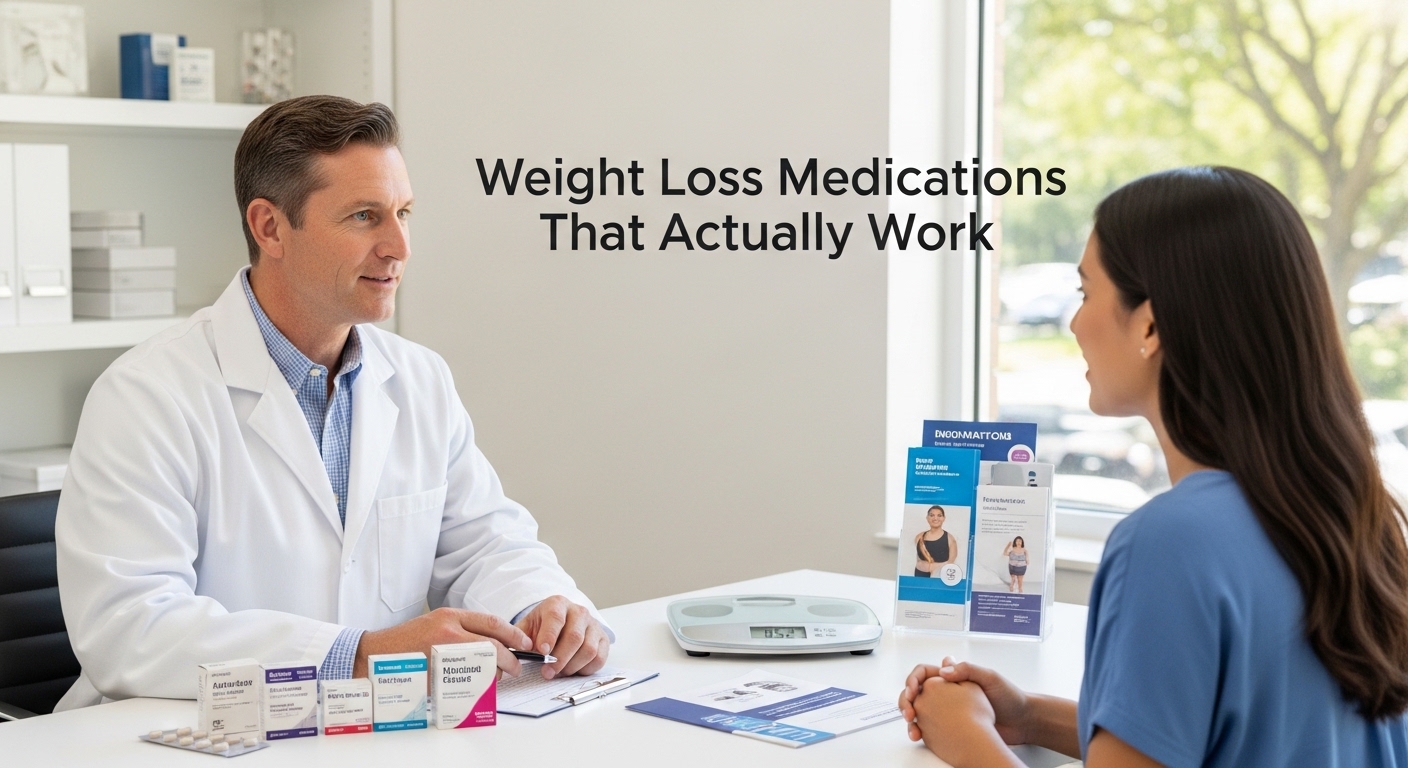
Over 42% of American adults live with obesity, and millions more struggle with being overweight despite trying diet after diet. If you’ve hit a wall with traditional weight loss methods, you’re not alone.
Based on our research, tirzepatide (Zepbound) is currently the most effective FDA-approved weight loss medication, showing up to 22.5% average body weight loss in clinical trials. Semaglutide (Wegovy) follows closely with 15% average weight loss.
I’ve spent months researching weight loss medications, analyzing clinical trial data, comparing telehealth providers, and gathering real user experiences from forums. This guide covers everything you need to know about FDA-approved options, how they work, what they cost, and where to get them.
Here’s what we’ll cover: the different types of weight loss medications available, how each medication works, realistic expectations for results, side effects to watch for, eligibility requirements, and which telehealth providers offer the best value for your situation.
Types of FDA-Approved Weight Loss Medications
The FDA has approved several classes of medications specifically for chronic weight management. Each works differently, and understanding these differences helps you make an informed choice with your healthcare provider.
FDA-Approved Weight Loss Medications: Prescription drugs that have undergone rigorous clinical trials proving they help people lose significant weight safely when combined with diet and exercise changes.
Quick Comparison: FDA-Approved Weight Loss Medications
| Medication | Type | Avg Weight Loss | Administration | Approx Monthly Cost |
|---|---|---|---|---|
| Zepbound (tirzepatide) | Dual GIP/GLP-1 | 20-22.5% | Weekly injection | $1,000-$1,100 |
| Wegovy (semaglutide) | GLP-1 | 15% | Weekly injection | $1,300-$1,500 |
| Saxenda (liraglutide) | GLP-1 | 8% | Daily injection | $1,200-$1,400 |
| Qsymia (phentermine-topiramate) | Combination oral | 7-11% | Daily pill | $150-$250 |
| Contrave (naltrexone-bupropion) | Combination oral | 5-9% | Daily pills | $100-$200 |
| Xenical/Alli (orlistat) | Lipase inhibitor | 5% | 3x daily with meals | $50-$200 |
The newer GLP-1 medications (tirzepatide and semaglutide) consistently outperform older options in clinical trials. However, they’re also more expensive and require injections, which isn’t right for everyone.
Disclaimer: Compounded medications are not FDA-approved and may not be available in all states. This guide focuses on FDA-approved medications, but we also cover telehealth providers that offer compounded alternatives at lower price points.
GLP-1 Receptor Agonists: The Most Effective Weight Loss Medications
GLP-1 receptor agonists are the most effective class of weight loss medications currently available. They mimic a natural hormone called glucagon-like peptide-1, which regulates appetite and blood sugar.
GLP-1 Receptor Agonist: A medication that activates the same receptors as the GLP-1 hormone your body naturally produces after eating. This slows stomach emptying, reduces appetite, and helps regulate blood sugar levels.
Tirzepatide (Zepbound, Mounjaro)
Tirzepatide is the newest and most powerful weight loss medication available. It’s a “dual agonist” that activates both GLP-1 and GIP receptors, providing even stronger appetite suppression than single-target medications.
The SURMOUNT clinical trial showed participants taking tirzepatide lost an average of 22.5% of their body weight at the highest dose. For a 250-pound person, that’s approximately 56 pounds.
Zepbound is FDA-approved specifically for weight loss, while Mounjaro is the same medication approved for type 2 diabetes (sometimes prescribed off-label for weight loss).
- Administration: Once-weekly subcutaneous injection
- Available doses: 2.5mg, 5mg, 7.5mg, 10mg, 12.5mg, 15mg
- Typical timeline: Start low and increase every 4 weeks
- Brand cost without insurance: $1,000-$1,100/month
Based on forum discussions, users report that tirzepatide tends to cause less nausea than semaglutide for many people, though individual experiences vary significantly.
Semaglutide (Wegovy, Ozempic)
Semaglutide was the first GLP-1 to gain widespread attention for weight loss. The STEP clinical trials demonstrated an average 15% body weight loss with Wegovy (semaglutide 2.4mg).
Wegovy is FDA-approved for chronic weight management, while Ozempic is the same medication at a lower dose approved for type 2 diabetes.
“I’ve been on Wegovy a few months now. It definitely works – I’m not hungry that often and eat significantly less. Down 30 pounds in 6 months.”
– Weight loss forum user
- Administration: Once-weekly subcutaneous injection
- Available doses: 0.25mg, 0.5mg, 1mg, 1.7mg, 2.4mg (Wegovy)
- Typical timeline: 16-20 weeks to reach full dose
- Brand cost without insurance: $1,300-$1,500/month
Semaglutide has a longer track record than tirzepatide, with more data on long-term use. It’s also more widely available through insurance coverage in some cases.
Liraglutide (Saxenda, Victoza)
Liraglutide was the first GLP-1 approved for weight loss (Saxenda in 2014). While less effective than newer options, it remains a solid choice for some patients.
Clinical trials show approximately 8% average body weight loss with Saxenda. This is meaningful weight loss, though less dramatic than the newer medications.
- Administration: Once-daily subcutaneous injection
- Key difference: Daily injections vs weekly for newer GLP-1s
- Best for: Patients who may benefit from easier dose adjustments
- Brand cost without insurance: $1,200-$1,400/month
The daily injection requirement is a significant drawback for many people. Most users prefer the convenience of weekly injections with Wegovy or Zepbound.
GLP-1 Medications: Head-to-Head Comparison
| Factor | Tirzepatide (Zepbound) | Semaglutide (Wegovy) | Liraglutide (Saxenda) |
|---|---|---|---|
| Weight Loss % | 20-22.5% | 15% | 8% |
| Injection Frequency | Weekly | Weekly | Daily |
| Mechanism | Dual GIP/GLP-1 | GLP-1 only | GLP-1 only |
| FDA Approval | 2026 | 2021 | 2014 |
| Insurance Coverage | Growing | Wider | Widest |
| Pediatric Use | Not approved | Ages 12+ | Ages 12+ |
Other FDA-Approved Weight Loss Medications
Not everyone is a candidate for GLP-1 medications, and some people prefer oral medications over injections. Several other FDA-approved options may be worth considering.
Qsymia (Phentermine-Topiramate)
Qsymia combines two medications: phentermine (an appetite suppressant) and topiramate (an anticonvulsant that also reduces appetite). Clinical trials show 7-11% average weight loss depending on the dose.
This medication works well for people who prefer daily pills over injections. It’s also significantly less expensive than GLP-1 medications.
- Pros: Oral medication, lower cost, effective appetite suppression
- Cons: Controlled substance (phentermine), birth defect risk, cognitive side effects possible
- Best for: People who prefer pills and need significant appetite control
- Cost: $150-$250/month
Due to the birth defect risk from topiramate, Qsymia is only available through certified pharmacies under a risk evaluation program. Women of childbearing age must use effective contraception.
Contrave (Naltrexone-Bupropion)
Contrave combines naltrexone (used for addiction treatment) with bupropion (an antidepressant). Together, they may help reduce food cravings and the reward response to eating.
Clinical trials show 5-9% average weight loss with Contrave. It may be particularly helpful for people who struggle with emotional eating or food cravings.
- Pros: Oral medication, may help with cravings, antidepressant effects
- Cons: Multiple pills daily, seizure risk warning, gradual dose increase
- Best for: People with emotional eating patterns or food addiction tendencies
- Cost: $100-$200/month
Contrave shouldn’t be used by people with seizure disorders, eating disorders (bulimia or anorexia), or those taking opioid medications.
Orlistat (Xenical, Alli)
Orlistat works completely differently from other weight loss medications. Instead of suppressing appetite, it blocks your body from absorbing about 30% of the fat you eat.
Clinical trials show approximately 5% average weight loss with orlistat. Alli is available over-the-counter at half the prescription strength.
- Pros: Alli available OTC, doesn’t affect brain chemistry, long safety record
- Cons: Gastrointestinal side effects (oily stools, urgency), must take with meals
- Best for: People who want OTC option or can’t take appetite suppressants
- Cost: $50-$200/month (Alli much cheaper)
The GI side effects are common and can be embarrassing. Most healthcare providers now recommend GLP-1 medications first due to their superior effectiveness.
How Weight Loss Medications Work?
Understanding how these medications work helps you set realistic expectations and communicate effectively with your healthcare provider about what you’re experiencing.
GLP-1 and GIP Mechanisms
GLP-1 medications mimic a hormone your body naturally produces after eating. When you eat a meal, your intestines release GLP-1, which signals your brain that you’re full.
These medications work through several mechanisms:
- Appetite suppression: Signals to your brain that you’re satisfied with less food
- Slowed gastric emptying: Food stays in your stomach longer, extending fullness
- Reduced food noise: Decreases constant thoughts about food and cravings
- Improved insulin sensitivity: Better blood sugar control, especially helpful for prediabetes
Tirzepatide adds GIP receptor activation, which may explain its superior weight loss results. GIP is another gut hormone involved in nutrient metabolism.
Other Medication Mechanisms
Non-GLP-1 medications work through different pathways:
- Phentermine stimulates norepinephrine release, reducing hunger signals
- Topiramate affects multiple brain pathways to reduce appetite and taste preferences
- Naltrexone blocks opioid receptors involved in the reward response to food
- Bupropion affects dopamine and norepinephrine, reducing cravings
- Orlistat directly blocks lipase enzymes in your digestive system
Side Effects and Safety Considerations
All medications have potential side effects. Understanding what to expect helps you manage symptoms and know when to contact your healthcare provider.
Common GLP-1 Side Effects
Most GLP-1 side effects are gastrointestinal and typically improve as your body adjusts:
- Nausea: Most common, especially when starting or increasing dose
- Vomiting: Usually temporary, related to eating too much or too fast
- Diarrhea: Common in first few weeks
- Constipation: Can occur as gastric emptying slows
- Abdominal pain: Usually mild to moderate
- Fatigue: May occur as calorie intake decreases
Pro Tip: Based on forum experiences, eating smaller meals, avoiding fatty foods, and staying hydrated significantly helps manage GI side effects. Many users report symptoms improve substantially after 4-6 weeks.
Serious But Rare Side Effects
Some side effects require immediate medical attention:
- Pancreatitis: Severe abdominal pain that radiates to your back
- Gallbladder problems: Upper right abdominal pain, especially after fatty meals
- Kidney problems: Changes in urination, swelling
- Allergic reactions: Rash, swelling, difficulty breathing
Black Box Warning
GLP-1 medications carry an FDA black box warning about thyroid C-cell tumors. In animal studies, these medications caused thyroid tumors in rodents.
GLP-1 medications should NOT be used by people with:
- Personal or family history of medullary thyroid carcinoma (MTC)
- Multiple Endocrine Neoplasia syndrome type 2 (MEN 2)
Tell your doctor if you notice a lump in your neck, hoarseness, trouble swallowing, or shortness of breath.
Who Qualifies for Weight Loss Medications?
FDA-approved weight loss medications are intended for people who meet specific criteria. Your healthcare provider will evaluate whether you’re a candidate.
BMI Eligibility Criteria
You may qualify for prescription weight loss medication if you have:
- BMI of 30 or greater (obesity) – no additional conditions required
- BMI of 27 or greater (overweight) with at least one weight-related health condition
Weight-related conditions that may qualify you at BMI 27+ include:
- Type 2 diabetes or prediabetes
- High blood pressure (hypertension)
- High cholesterol or triglycerides
- Obstructive sleep apnea
- Cardiovascular disease
- Non-alcoholic fatty liver disease
Who Should NOT Take Weight Loss Medications?
Certain conditions may disqualify you from specific medications:
- Pregnancy or planning to become pregnant
- History of medullary thyroid cancer (for GLP-1s)
- History of pancreatitis
- Severe gastrointestinal disease
- Eating disorders (for certain medications)
- Uncontrolled hypertension (for phentermine-containing medications)
Your healthcare provider will review your complete medical history before prescribing any weight loss medication.
Top Telehealth Providers for Weight Loss Medications in 2026
Getting weight loss medications has become easier with telehealth. You can complete an online assessment, meet with a licensed provider via video, and have medication shipped to your door.
Based on our research comparing pricing, medication options, and user experiences, here are the top telehealth providers for weight loss medications:
Ro Body Program
- Insurance concierge
- Labs included
- Brand-name GLP-1s
This post may contain affiliate links. We may earn a commission at no extra cost to you.
All Telehealth Providers Compared
| # | Provider | Highlights | Price | |
|---|---|---|---|---|
| 01 | Ro Body |
|
$145/mo + medication | Visit Provider → |
| 02 | Hims |
|
From $69/mo | Visit Provider → |
| 03 | Found |
|
$129/mo ($17 with insurance) | Visit Provider → |
| 04 | Henry Meds |
|
Varies by plan | Visit Provider → |
| 05 | PlushCare |
|
$19.99/mo + $129/visit | Visit Provider → |
| 06 | WeightWatchers Clinic |
|
$49-$74/mo | Visit Provider → |
| 07 | Mochi Health |
|
$79/mo | Visit Provider → |
| 08 | Noom Med |
|
Varies | Visit Provider → |
We may earn a commission at no extra cost to you.
Ro Body Program – Best for Insurance Navigation
Full-service digital health clinic offering brand-name GLP-1 medications with dedicated insurance concierge support.
The program includes metabolic labs at Quest, unlimited provider messaging, and 1:1 health coaching.
Pros
- Insurance concierge service
- Labs included in membership
- Brand-name GLP-1 options
- Fast delivery under a week
- No long-term commitment
Cons
- Medication cost not included
- Only injectable options
- Higher membership than some competitors
This post contains affiliate links. If you purchase through them, we may earn a commission (at no extra cost to you).
Ro stands out for its insurance navigation support. Their dedicated team helps you determine if your insurance covers weight loss medications and handles prior authorization paperwork.
The membership includes metabolic lab testing at Quest Diagnostics, which most providers don’t include. You get access to brand-name medications like Wegovy, Zepbound, and Ozempic.
Best For
Users wanting insurance navigation and comprehensive medical support with brand-name medications.
Skip If
Looking for lowest-cost options or compounded medications.
Hims Weight Loss – Best Value for Compounded GLP-1s
Telehealth platform offering range of weight loss treatments including compounded GLP-1 injections and oral medication kits.
Options include compounded semaglutide from $199/month and oral medication combinations starting at $69/month.
Pros
- Affordable compounded GLP-1 options
- Oral medication alternatives
- FSA/HSA eligible
- Comprehensive app support
- Multiple medication options
Cons
- Compounded products not FDA-approved
- Brand medications expensive
- Requires upfront payment for best pricing
This post contains affiliate links. If you purchase through them, we may earn a commission (at no extra cost to you).
Hims offers the most budget-friendly GLP-1 access through compounded semaglutide starting at $199/month on a 6-month plan. They also offer oral medication kits starting at just $69/month.
The platform includes downloadable meal plans and in-app dosage adjustments. FSA/HSA cards are accepted for tax-advantaged savings.
Best For
Budget-conscious users who want compounded GLP-1s or oral alternatives.
Skip If
Want FDA-approved brand-name medications at insurance prices.
Found – Best for Insurance Coverage
Weight loss platform with insurance support for 1 in 3 Americans, offering wide medication toolkit including brand-name GLP-1s.
The MetabolicPrint assessment helps personalize your treatment plan across 10+ medication options.
Pros
- Insurance accepted for many plans
- Wide variety of medications
- Personalized MetabolicPrint assessment
- Active community support
- Over 250K members served
Cons
- Medication costs separate from membership
- Brand-name meds still expensive
- Insurance coverage varies by state
This post contains affiliate links. If you purchase through them, we may earn a commission (at no extra cost to you).
Found accepts insurance for clinical care and partners with major insurers including United Healthcare, Aetna, Blue Cross Blue Shield, Cigna, and Anthem. If covered, your membership may be as low as $17/month.
Their MetabolicPrint assessment analyzes your unique metabolism to recommend the right medication and approach for you.
Best For
Users with insurance looking for comprehensive care and medication variety.
Skip If
Need lowest cash-pay pricing without insurance.
Henry Meds – Most Medication Flexibility
Healthcare subscription offering compounded weight loss medications in multiple formats including injectable, oral tablets, drops, and microdose options.
New patients receive $150 off compounded semaglutide.
Pros
- Multiple medication formats available
- No insurance needed
- New patient discount
- Expert obesity medicine team
- Month-to-month flexibility
Cons
- Compounded medications not FDA-approved
- No brand-name options
- Cash-pay only
This post contains affiliate links. If you purchase through them, we may earn a commission (at no extra cost to you).
Henry Meds offers the widest variety of medication formats. If you hate needles, they offer oral semaglutide as tablets or drops. They also have a microdose program for easier adjustment.
All consultations are done via 1-on-1 video visits with their healthcare providers, and new patients can save $150 on their first order.
Best For
Users wanting medication flexibility (oral vs injectable) without insurance requirements.
Skip If
Need FDA-approved brand-name medications.
PlushCare – Highest Quality Medical Care
Telehealth platform focused on high-quality care with board-certified physicians, offering weight loss medication prescriptions with insurance support.
Known for thorough medical evaluations and personalized care.
Pros
- Highest rated for quality care
- Insurance accepted
- Board-certified physicians
- Flexible membership
Cons
- Per-visit cost without insurance
- Medication based on evaluation
This post contains affiliate links. If you purchase through them, we may earn a commission (at no extra cost to you).
PlushCare prioritizes thorough medical evaluations with board-certified physicians. If quality of care is your top priority and you have insurance, PlushCare may be worth the premium.
Best For
Users prioritizing high-quality medical care who have insurance coverage.
Skip If
Need lowest cost options or prefer compounded medications.
WeightWatchers Clinic – Best for Comprehensive Support
Combines WeightWatchers proven behavior change program with GLP-1 medication access for comprehensive weight loss support.
Includes Points tracking, community support, and coaching alongside medication.
Pros
- Comprehensive support beyond medication
- Established behavior change program
- Community and coaching included
- Lower monthly cost
Cons
- Medication costs additional
- More lifestyle focused than medical
This post contains affiliate links. If you purchase through them, we may earn a commission (at no extra cost to you).
WeightWatchers Clinic combines GLP-1 access with the proven WW behavior change program. If you want more than just medication, the community support and coaching may help with long-term success.
Best For
Users wanting comprehensive weight loss support beyond just medication.
Skip If
Want a medication-focused program only.
Mochi Health – Best User Experience
Modern telehealth platform with best-in-class user experience for GLP-1 weight loss medication access.
Features clean design, simple onboarding, and streamlined provider communication.
Pros
- Best user experience
- Simple and straightforward
- Competitive pricing
- Easy provider messaging
Cons
- Newer platform
- Less medication variety
This post contains affiliate links. If you purchase through them, we may earn a commission (at no extra cost to you).
Mochi Health stands out for its clean, modern interface and simple onboarding process. If you value a smooth digital experience, Mochi delivers.
Best For
Users wanting simple, clean platform experience with easy navigation.
Skip If
Need extensive medication options or brand-name drugs.
Noom Med – Best Psychology-Based Approach
Psychology-based weight loss app that offers GLP-1 medication access through Noom Med for users wanting comprehensive behavior change support.
Combines medication with evidence-based coaching and food logging.
Pros
- Evidence-based behavior change
- Comprehensive coaching support
- Large established user base
- Proven psychology methods
Cons
- Medication is add-on to program
- Can be expensive for full access
This post contains affiliate links. If you purchase through them, we may earn a commission (at no extra cost to you).
Noom approaches weight loss from a behavioral psychology perspective. Noom Med adds medication access for users who want both pharmaceutical and behavioral support.
Best For
Users wanting psychology-based approach combined with medication.
Skip If
Want a medication-only program without behavior change components.
Cost and Insurance Coverage
The cost of weight loss medications varies dramatically based on whether you have insurance, which medication you choose, and whether you use brand-name or compounded versions.
Brand-Name vs Compounded: What’s the Difference?
| Factor | Brand-Name | Compounded |
|---|---|---|
| FDA Approval | Yes – fully tested and approved | No – individual ingredients approved, final product not tested |
| Cost Range | $1,000-$1,500/month without insurance | $199-$400/month |
| Insurance Coverage | Possible (varies by plan) | Generally not covered |
| Quality Control | Strictly regulated manufacturing | Varies by compounding pharmacy |
| Availability | Subject to shortages | Generally available |
FDA Warning: Compounded semaglutide and tirzepatide products are NOT FDA-approved. The FDA has received 1,000+ reports of adverse events associated with compounded GLP-1 medications. If you choose compounded options, work only with reputable providers who use licensed 503B compounding pharmacies.
Insurance Coverage Landscape
Insurance coverage for weight loss medications is improving but still limited:
- Medicare: Currently does NOT cover weight loss medications (may change soon)
- Employer plans: Coverage varies widely – check your specific plan
- Marketplace plans: Some cover weight loss medications, many don’t
- State Medicaid: Coverage varies by state
Even with insurance, you may need prior authorization. This typically requires documenting a BMI of 30+ (or 27+ with conditions), failed diet attempts, and sometimes a weight management program enrollment.
Cost-Saving Strategies
- Use a provider with insurance support – Ro and Found offer insurance navigation services
- Check manufacturer savings programs – Novo Nordisk and Eli Lilly offer savings cards
- Consider compounded options – If brand-name is unaffordable (understand the risks)
- Use FSA/HSA funds – These medications typically qualify
- Compare telehealth providers – Membership fees vary from $0-$200/month
- Ask about cash-pay discounts – Some pharmacies offer better cash prices than insurance copays
How to Choose the Right Weight Loss Medication?
Choosing the right medication depends on your specific situation, preferences, and health history. Here’s a decision framework to help:
Consider GLP-1 Medications (Wegovy, Zepbound, Ozempic) If:
- You want the most effective weight loss option
- You’re okay with weekly injections
- You have insurance coverage or can afford $199-$1,500/month
- You don’t have contraindications (thyroid cancer history, pancreatitis)
Consider Oral Medications (Qsymia, Contrave) If:
- You prefer pills over injections
- Budget is a significant concern
- You struggle with emotional eating or cravings (Contrave)
- You’re not planning to become pregnant
Consider Orlistat (Xenical, Alli) If:
- You want an over-the-counter option (Alli)
- You can’t take appetite suppressants due to other conditions
- You want to reduce fat absorption rather than suppress appetite
Questions to Ask Your Provider
- Based on my health history, which medications am I eligible for?
- What’s the realistic weight loss expectation for me specifically?
- What side effects should I watch for with this medication?
- How long will I need to take this medication?
- What happens to my weight if I stop the medication?
- Does my insurance cover this medication?
Frequently Asked Questions
What is the most effective GLP-1 for weight loss?
Tirzepatide (Zepbound) is currently the most effective GLP-1 for weight loss, showing up to 22.5% average body weight loss in clinical trials. Semaglutide (Wegovy) follows with 15% average weight loss. Both significantly outperform older options like liraglutide (Saxenda) which shows approximately 8% weight loss.
Is Zepbound better than Ozempic?
Zepbound (tirzepatide) typically produces greater weight loss than Ozempic (semaglutide) based on clinical trial data. Zepbound showed up to 22.5% body weight loss compared to approximately 15% for semaglutide. Additionally, Zepbound is FDA-approved specifically for weight loss, while Ozempic is approved for type 2 diabetes and prescribed off-label for weight loss. For weight loss specifically, Wegovy (higher-dose semaglutide) is the FDA-approved version.
How much weight can you lose on semaglutide?
Clinical trials show people taking semaglutide (Wegovy 2.4mg) lose an average of 15% of their body weight over 68 weeks. For a 250-pound person, that equals approximately 37 pounds. Most patients lose 1-2 pounds per week on average. Individual results vary based on starting weight, dosage, diet, and exercise habits.
Who qualifies for weight loss medication?
You may qualify for prescription weight loss medication if you have a BMI of 30 or greater (obesity), or a BMI of 27 or greater with at least one weight-related health condition such as type 2 diabetes, high blood pressure, high cholesterol, or sleep apnea. Some medications like Wegovy and Saxenda are also approved for children ages 12 and older with obesity.
How much do weight loss medications cost?
Weight loss medication costs vary widely. Brand-name GLP-1s (Wegovy, Zepbound) cost $1,000-$1,500/month without insurance. Compounded GLP-1s cost $199-$400/month through telehealth providers. Oral medications (Contrave, Qsymia) cost $100-$300/month. With insurance coverage, costs may be significantly lower, sometimes under $25/month depending on your plan.
Can I get weight loss medication online?
Yes, you can get weight loss medication prescribed online through telehealth providers like Ro, Hims, Found, and Henry Meds. The process typically involves completing an online health assessment, having a video or asynchronous consultation with a licensed provider, and having medication shipped to your door if prescribed. Costs and medication options vary by provider.
Are compounded weight loss medications safe?
Compounded weight loss medications are NOT FDA-approved and carry additional risks. The FDA warns that compounded versions of semaglutide and tirzepatide may contain incorrect concentrations, impurities, or formulation errors. While some patients use compounded medications without issues, FDA-approved brand-name medications remain the safer option. If choosing compounded options, work only with reputable providers using licensed 503B compounding pharmacies.
What happens when you stop taking weight loss medication?
Studies suggest most people regain weight after stopping GLP-1 medications. In one study, participants regained about two-thirds of their lost weight within a year of stopping. This is why many healthcare providers recommend thinking of these medications as long-term or chronic treatments, similar to blood pressure medication. Lifestyle changes during treatment can help minimize regain.
Final Thoughts
Weight loss medications have transformed what’s possible for people struggling with obesity. GLP-1 medications like tirzepatide and semaglutide offer the most dramatic results we’ve ever seen from pharmaceutical treatment, with average weight loss of 15-22%.
Based on our research, the best approach is to work with a healthcare provider to determine which medication fits your health profile, budget, and preferences. For most people, GLP-1 medications offer the best results, though oral options like Qsymia or Contrave may be better choices in some situations.
If cost is a major barrier, telehealth providers like Hims and Henry Meds offer compounded alternatives at significantly lower prices, though these come with additional considerations around FDA approval status.
This review is for informational purposes only and does not constitute medical advice. Always consult a licensed healthcare provider before starting any weight-loss medication. Individual results vary, and weight loss medications work best when combined with diet and lifestyle changes.
Disclaimer: betterresultsbook.com contains information about products that are intended for laboratory and research use only, unless otherwise explicitly stated. This information, including any referenced scientific or clinical research, is made available for educational purposes only. Likewise, any published information relative to the dosing and administration of reference materials is made available strictly for reference and shall not be construed to encourage the self-administration or any human use of said reference materials. betterresultsbook.com makes every effort to ensure that any information it shares complies with national and international standards for clinical trial information and is committed to the timely disclosure of the design and results of all interventional clinical studies for innovative treatments publicly available or that may be made available. However, research is not considered conclusive. betterresultsbook.com makes no claims that any products referenced can cure, treat or prevent any conditions, including any conditions referenced on its website or in print materials.

![Mitolyn Review 2026: Does This Supplement Work? [cm]](https://betterresultsbook.com/wp-content/uploads/2026/01/Mitolyn-Review.jpeg)