10 Weight Loss Supplements That Actually Work 2026
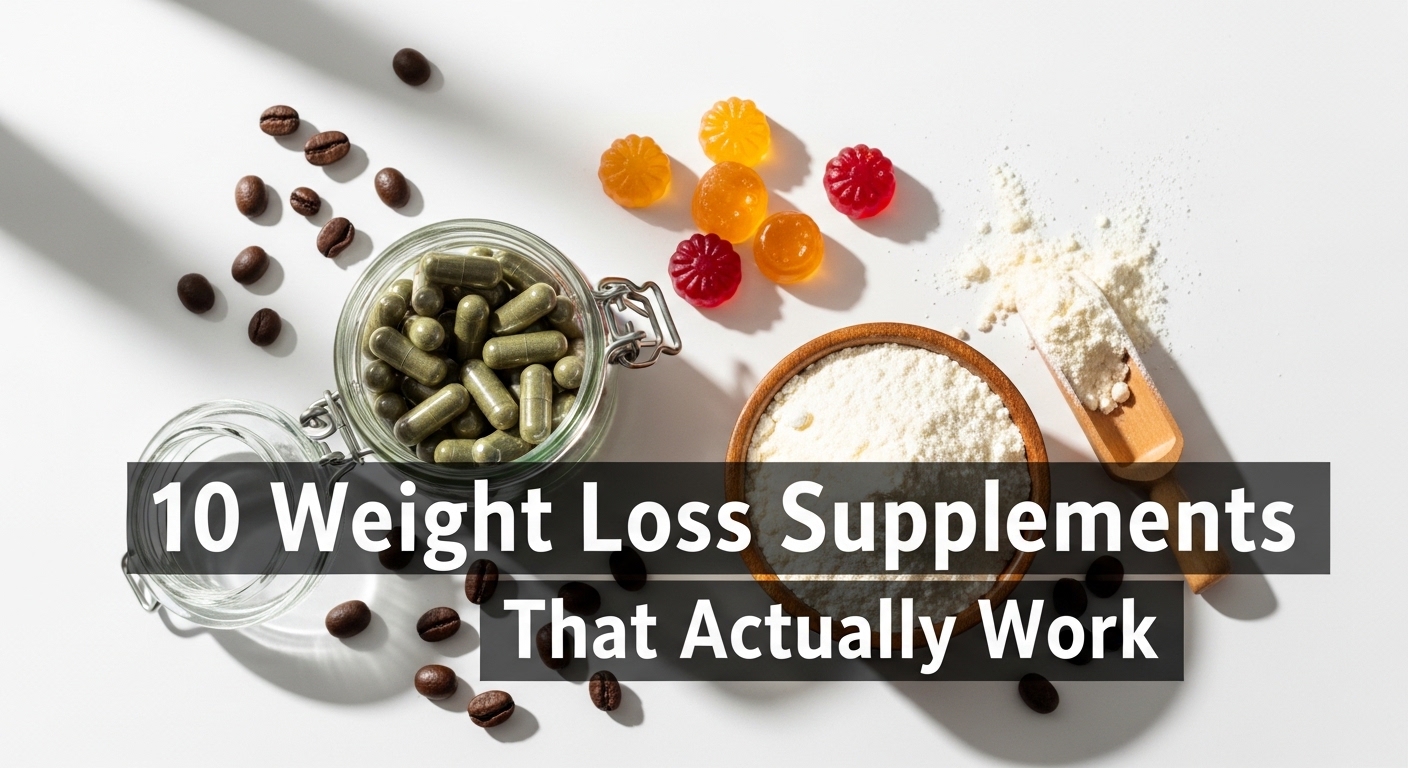
After researching dozens of weight loss supplements and spending hours reading clinical studies, I can tell you this: most supplements won’t help you lose weight. But some actually have research behind them.
Protein powder and fiber supplements offer the strongest evidence for supporting weight loss, followed by probiotics and berberine. However, no supplement replaces a calorie deficit, exercise, and healthy eating habits.
I’ve reviewed the scientific literature, analyzed competitor claims, and created an evidence-based rating system to cut through the marketing hype. What I found might surprise you: some popular supplements have almost no research supporting them, while others show genuine promise.
FDA Disclaimer: Dietary supplements are not regulated by the FDA the same way medications are. The FDA does not evaluate supplements for safety or effectiveness before they hit store shelves. Claims on supplement labels don’t require proof, and quality varies significantly between brands.
In this guide, I’ll break down 10 supplements with actual research behind them, explain what the evidence really shows, and help you understand which options might support your weight loss journey when combined with diet and exercise.
How We Evaluated These Supplements?
Not all weight loss supplements are created equal. I developed an evidence rating system to help you understand the strength of research behind each option.
Our ratings consider three factors: the quality of clinical studies (randomized controlled trials rank highest), the consistency of results across multiple studies, and the magnitude of weight loss effects observed.
Evidence Rating Scale:
- Strong: Multiple high-quality studies show consistent weight loss support
- Moderate: Some quality studies show benefits, but more research needed
- Weak: Limited or conflicting evidence, primarily indirect effects
- Avoid: Safety concerns or no evidence of effectiveness
I also reviewed peer-reviewed research from sources including the NIH Office of Dietary Supplements, the American Journal of Clinical Nutrition, and meta-analyses published in respected journals.
Quick Comparison: All 10 Supplements at a Glance
Before diving into detailed reviews, here’s how all 10 supplements compare on key factors.
| Supplement | Evidence Rating | Primary Mechanism | Cost/Month | Key Consideration |
|---|---|---|---|---|
| Protein Powder | Strong | Satiety, muscle preservation | $20-60 | Best overall evidence |
| Fiber Supplements | Moderate-Strong | Appetite control | $10-30 | Affordable, well-tolerated |
| Probiotics | Moderate | Gut health, metabolism | $15-50 | Modest effects, quality varies |
| Caffeine | Moderate | Metabolism boost | $5-20 | Tolerance develops quickly |
| Green Tea Extract | Weak-Moderate | Fat oxidation | $10-30 | Minimal effect, liver concerns |
| Berberine | Moderate | Blood sugar control | $20-40 | Drug interactions common |
| Magnesium | Indirect | Metabolic support | $8-25 | Only helps if deficient |
| Vitamin D | Weak | Metabolic support | $5-15 | Won’t cause weight loss |
| B Vitamins | Weak | Energy metabolism | $8-20 | No direct weight loss effect |
| Melatonin | Weak-Moderate | Sleep quality | $5-15 | Indirect through sleep |
10 Weight Loss Supplements That May Actually Help
Let me walk you through each supplement, explaining what the research actually shows rather than what marketing departments claim.
1. Protein Powder – Best Overall Evidence
Protein powder is the most evidence-backed supplement for supporting weight loss. Research consistently shows that high-protein diets (25-30% of calories from protein) help people lose more weight and maintain muscle mass.
How It Works: Protein increases satiety through hormone regulation, meaning you feel fuller longer after eating. It also has a higher thermic effect than carbs or fat, burning more calories during digestion. Perhaps most importantly, adequate protein helps preserve muscle during calorie restriction, which keeps your metabolism running efficiently.
What Research Shows: The National Academy of Sports Medicine recommends 0.73 to 1 gram of protein per pound of body weight daily for those in a calorie deficit. Studies in the American Journal of Clinical Nutrition found that participants on high-protein diets lost more fat while preserving lean muscle mass.
Recommended Dosage: Use protein powder to reach your daily protein target. Most people need 100-150g of protein daily during weight loss. A typical serving provides 20-30g.
Pros:
- Strongest research supporting effectiveness
- Helps preserve muscle during calorie restriction
- Increases feeling of fullness
- Supports metabolic rate
- Generally safe with few side effects
Cons:
- Not a direct fat burner
- Requires calorie deficit to see weight loss
- Some products contain added sugars
- Can be expensive at $20-60 per month
Best For: Anyone struggling to meet protein needs through diet alone, active individuals, and those in a calorie deficit who want to preserve muscle.
Skip If: You have kidney disease or dairy allergies (for whey protein). Plant-based options work well for those with allergies.
2. Fiber Supplements – Best for Appetite Control
Fiber supplements like glucomannan and psyllium husk can genuinely help with appetite control. A 2017 meta-analysis found that soluble fiber supplements led to an average 0.84 BMI reduction and 5.5 lb weight loss over 2-17 weeks.
How It Works: Soluble fiber absorbs water in your gut, creating a gel-like substance that slows digestion. This keeps you feeling full longer and may reduce how many calories you absorb. Fiber also supports healthy blood sugar levels, reducing energy crashes that trigger cravings.
What Research Shows: The American Journal of Clinical Nutrition published a meta-analysis showing consistent modest weight loss with soluble fiber supplementation. Glucomannan specifically has multiple studies supporting its use for satiety.
Recommended Dosage: Most adults need 25-35 grams of fiber daily. Supplements can fill the gap if you’re not reaching this through food. Start with lower doses to avoid digestive discomfort and increase gradually.
Pros:
- Good research supporting satiety benefits
- Supports digestive health
- May help blood sugar control
- Affordable at $10-30 per month
- Few side effects when properly dosed
Cons:
- May cause bloating or gas initially
- Requires adequate water intake
- Effects modest without diet changes
- Not suitable for some digestive conditions
Best For: Those not getting 25-35g fiber from diet, people seeking natural appetite control without stimulants.
Skip If: You have bowel obstruction, difficulty swallowing, or certain GI conditions like inflammatory bowel disease.
3. Probiotics – Best for Gut Health Support
Probiotics may support modest weight loss by improving gut microbiome diversity. A 2024 review found that probiotics helped prevent weight gain and supported weight loss in adults with overweight, though effects were relatively small.
How It Works: Your gut bacteria influence metabolism, appetite hormones, and how you store fat. Probiotics introduce beneficial bacteria that may improve these processes. Research suggests certain strains can affect how your body extracts calories from food.
What Research Shows: A 2024 study in Obesity Science and Practice found Bifidobacterium and Lactobacillus combinations most effective. However, weight loss effects were modest, often less than 1 pound in some studies. A 2022 review in Biomedicine and Pharmacotherapy showed more promising results with specific multi-strain formulas.
Recommended Dosage: 1-10 billion CFU daily, though optimal doses vary by strain. Look for products with multiple strains including Lactobacillus and Bifidobacterium species.
Pros:
- Supports overall gut health
- May help prevent weight gain
- Generally safe for most people
- Additional health benefits beyond weight
Cons:
- Weight loss effects are modest
- Optimal strains and doses unclear
- Quality varies significantly between products
- Results may take weeks to months
Best For: Those with poor gut health, digestive issues, or seeking modest metabolic support alongside diet changes.
Skip If: You’re severely immunocompromised or have certain serious medical conditions. Consult your doctor first.
4. Caffeine – Best for Short-Term Energy
Caffeine may temporarily boost metabolism, but tolerance develops quickly, reducing its long-term effectiveness for weight loss. The FDA warns against highly concentrated caffeine supplements due to safety risks.
How It Works: Caffeine stimulates your central nervous system, temporarily increasing metabolic rate and energy expenditure. It may also improve exercise performance, helping you burn more calories during workouts.
What Research Shows: Some studies show caffeine may support short-term weight loss by boosting metabolism 3-11%. However, your body adapts within weeks, and this effect diminishes. The NIH notes that long-term effectiveness for weight loss is not established.
Recommended Dosage: Up to 400mg daily (equivalent to about 4 cups of coffee) is considered safe for most adults. I recommend getting caffeine from coffee or tea rather than concentrated supplements.
Pros:
- May temporarily boost metabolism
- Increases energy and alertness
- Widely available and affordable
- Some research support for short-term use
Cons:
- Tolerance develops quickly (2-3 weeks)
- Can cause anxiety, jitters, insomnia
- High doses can be dangerous
- Not effective for long-term weight loss
- FDA warns against pure caffeine supplements
Best For: Short-term energy boost for workouts, those who tolerate caffeine well and aren’t already regular coffee drinkers.
Skip If: You have anxiety disorders, heart conditions, are pregnant, or are sensitive to caffeine. Avoid pure/concentrated caffeine supplements entirely.
5. Green Tea Extract (EGCG) – Limited Evidence
Despite marketing claims, green tea extract shows minimal weight loss effects in research. The NIH Office of Dietary Supplements concludes that green tea is “not an effective weight loss tool.”
How It Works: Green tea contains EGCG (epigallocatechin gallate), a catechin that may slightly increase fat oxidation. The combination of EGCG and caffeine is thought to have thermogenic effects.
What Research Shows: Studies show minimal effects, typically less than 1 kg (2.2 lbs) over 12 weeks. A 2018 review in Regulatory Toxicology and Pharmacology noted that concentrated green tea extracts may pose liver risks, and safe upper limits aren’t well established.
Recommended Dosage: Up to 338mg EGCG daily is considered potentially safe, but I recommend drinking green tea rather than taking concentrated supplements.
Pros:
- Antioxidant benefits for overall health
- Generally safe as brewed tea
- May have other health benefits
Cons:
- Minimal to no weight loss effect in research
- Concentrated extracts may pose liver risk
- Safety limits for supplements unclear
- Better to drink green tea than supplements
Best For: Those who enjoy green tea for general health benefits, not specifically for weight loss.
Skip If: You have liver conditions or take medications that affect liver function. Avoid concentrated extracts.
6. Berberine – Best for Blood Sugar Support
Berberine has gained attention as “nature’s Ozempic,” but this comparison is misleading. While berberine may support modest weight loss through blood sugar regulation, it doesn’t replicate the significant effects of GLP-1 medications.
How It Works: Berberine activates an enzyme called AMPK, which helps regulate metabolism and blood sugar. By improving insulin sensitivity, it may reduce fat storage and help control appetite through more stable blood sugar levels.
What Research Shows: A 2022 review in the journal Molecules found significant decreases in weight and BMI with doses of 1g or more daily for at least 8 weeks. However, effects are much smaller than prescription medications, and more high-quality studies are needed.
Recommended Dosage: 500mg two to three times daily (1-1.5g total), typically taken with meals.
Pros:
- May help blood sugar control
- Research shows modest weight and BMI reduction
- May benefit those with insulin resistance
- Natural plant compound with long history of use
Cons:
- Can interact with many medications
- May cause GI side effects (nausea, cramping, diarrhea)
- Not FDA approved for any condition
- More research needed on long-term safety
- Expensive at $20-40 per month
Best For: Those with blood sugar issues, insulin resistance, or metabolic concerns who have discussed it with their healthcare provider.
Skip If: You’re taking diabetes medications (risk of low blood sugar), pregnant or nursing, or taking multiple medications. Berberine has many drug interactions.
7. Magnesium – Supportive Role Only
Magnesium won’t directly cause weight loss, but addressing a deficiency may support metabolic function. It’s also essential for sleep quality, which indirectly affects weight management.
How It Works: Magnesium plays a role in over 300 enzymatic reactions, including those involved in blood sugar control and energy production. Deficiency is linked to insulin resistance and inflammation.
What Research Shows: A 2021 review in the journal Nutrients found associations between magnesium deficiency and obesity, but supplementation studies don’t show direct weight loss benefits. The benefit comes from correcting deficiency, not from extra magnesium in people with adequate levels.
Recommended Dosage: The RDA is 310-420mg daily depending on age and sex. Magnesium glycinate and citrate are better absorbed than oxide forms.
Pros:
- Essential mineral with many health benefits
- May address underlying deficiency
- Supports sleep quality
- Generally safe and affordable
Cons:
- Won’t directly cause weight loss
- Only beneficial if you’re actually deficient
- High doses can cause diarrhea
- Indirect mechanism at best
Best For: Those with confirmed or suspected magnesium deficiency, poor sleep quality, or blood sugar concerns.
Skip If: You have kidney disease or certain heart conditions. Ask your doctor about testing magnesium levels first.
8. Vitamin D – Association Doesn’t Mean Causation
While low vitamin D levels are associated with obesity, the NIH concludes that vitamin D supplementation does not help people lose weight. The relationship appears to work the other way: excess body fat may lower vitamin D levels.
How It Works: Vitamin D is involved in many metabolic processes and is stored in fat tissue. Some researchers hypothesized that supplementation might affect fat cell function, but studies haven’t supported this.
What Research Shows: The NIH Office of Dietary Supplements states clearly that vitamin D “does not help people lose weight.” Some studies show very small weight loss (1-2kg) when paired with calorie deficit, but this may be coincidental rather than causal.
Recommended Dosage: 600-2000 IU daily, depending on blood levels. Get tested before supplementing.
Pros:
- Essential for overall health
- May address common deficiency
- Safe at recommended doses
- Very affordable
Cons:
- NIH states it doesn’t help with weight loss
- Association with obesity doesn’t prove causation
- Only useful if you’re actually deficient
- Won’t substitute for diet and exercise
Best For: Those with confirmed vitamin D deficiency, not as a weight loss supplement.
Skip If: You’re taking it specifically for weight loss. Get tested first to see if you actually need it.
9. B Vitamins – No Direct Weight Loss Effect
B vitamins are essential for energy metabolism, but supplementation doesn’t cause weight loss in people with adequate levels. The idea that B vitamins “boost metabolism” is misleading.
How It Works: B vitamins (B1, B2, B3, B6, B12, folate, biotin) serve as coenzymes in energy production pathways. Without them, your body can’t efficiently convert food to energy.
What Research Shows: A 2023 study in Nutrients found associations between B vitamin deficiency and higher BMI, but no evidence that supplementation causes weight loss in humans. Animal studies showed some metabolic benefits, but these haven’t translated to human results.
Recommended Dosage: RDA varies by specific B vitamin. Most people get adequate B vitamins from food unless they have specific deficiencies.
Pros:
- Essential for energy metabolism
- May address deficiency (especially B12 for vegans)
- Generally safe
- Support overall health
Cons:
- No evidence for direct weight loss
- Only beneficial if deficient
- Association doesn’t prove causation
Best For: Those with confirmed B vitamin deficiency, vegans and vegetarians (especially for B12).
Skip If: You’re taking it specifically for weight loss. Most people get adequate B vitamins from diet.
10. Melatonin – Sleep Support May Help Indirectly
Melatonin’s connection to weight loss is indirect: better sleep supports healthy metabolism and appetite regulation. A 2021 meta-analysis found melatonin may reduce body weight in obese individuals, but primarily through improving sleep quality.
How It Works: Poor sleep disrupts hunger hormones (ghrelin and leptin), increasing appetite and cravings. By improving sleep quality, melatonin may help normalize these hormones and support better food choices.
What Research Shows: A 2021 meta-analysis in the journal Nutrition found that melatonin supplementation reduced body weight and fat mass in individuals with overweight or obesity. However, the mechanism is indirect, working through sleep improvement rather than direct fat burning.
Recommended Dosage: 0.5-5mg before bed. Start with the lowest effective dose.
Pros:
- May improve sleep quality
- Better sleep supports healthy metabolism
- Generally safe for short-term use
- Affordable
Cons:
- Indirect mechanism only
- Not officially recommended for weight loss
- Long-term safety unclear
- May cause morning grogginess
Best For: Those with poor sleep that may be affecting weight management, shift workers, people with disrupted circadian rhythms.
Skip If: You have certain autoimmune conditions or are taking immunosuppressants. Consult your doctor first.
Supplements to Avoid
Some weight loss supplements are ineffective, and others pose genuine safety risks. Based on FDA warnings and scientific evidence, here are supplements to skip.
Warning: The following supplements have safety concerns or no evidence of effectiveness for weight loss.
Bitter Orange (Synephrine)
Bitter orange became popular after the FDA banned ephedra, but it carries similar risks. The NIH reports that bitter orange may cause chest pain, anxiety, increased heart rate, and high blood pressure.
Research shows no significant weight loss benefit to justify these risks.
Garcinia Cambogia
Despite heavy marketing, garcinia cambogia has little evidence supporting weight loss. The FDA has received reports of liver damage associated with some garcinia products.
Multiple clinical trials show minimal to no effect compared to placebo.
Pure/Concentrated Caffeine
The FDA explicitly warns against pure and highly concentrated caffeine products. These products have caused deaths and serious adverse events.
A single teaspoon of pure caffeine powder equals about 28 cups of coffee and can be lethal.
Ephedra (Ma-huang)
Ephedra is banned by the FDA due to serious side effects including stroke, seizures, and heart attacks. Some products still contain ephedra-like compounds, so read labels carefully.
Multi-Ingredient Weight Loss Gummies
Weight loss gummies often contain unproven ingredient combinations at ineffective doses. The FDA has issued warnings about some products containing undisclosed active ingredients.
How to Choose the Right Supplement for You?
If you decide to try a weight loss supplement, here’s how to choose wisely.
Start with Your Goals
Different supplements address different needs. If you struggle with protein intake, protein powder makes sense. If appetite control is your challenge, consider fiber supplements. If you have blood sugar concerns, discuss berberine with your doctor.
Look for Quality Indicators
Supplement quality varies dramatically. Look for these third-party certifications:
- USP Verified: Tests for purity, potency, and manufacturing quality
- NSF Certified: Independent testing for label accuracy and contaminants
- ConsumerLab Approved: Independent testing of supplement products
- Informed Sport: Tests for banned substances (important for athletes)
Avoid Red Flags
Be skeptical of supplements that:
- Promise rapid weight loss (more than 1-2 lbs per week)
- Use proprietary blends that hide ingredient amounts
- Make claims that sound too good to be true
- Lack third-party testing certification
- Have mostly negative or fake-sounding reviews
Consider Cost-Effectiveness
The supplements with the best evidence, protein and fiber, are also among the most affordable at $10-60 per month. More expensive doesn’t mean more effective.
Safety Considerations and Drug Interactions
Before taking any supplement, consider these safety factors.
Talk to Your Healthcare Provider
This isn’t just a disclaimer. Many supplements interact with medications. Berberine, for example, interacts with diabetes medications, blood thinners, and many other drugs.
If you take any prescription medications, ask your doctor or pharmacist before adding supplements.
Common Drug Interactions
| Supplement | Potential Interactions |
|---|---|
| Berberine | Diabetes medications, blood thinners, antibiotics, cyclosporine |
| Fiber | May reduce absorption of many medications |
| Caffeine | Stimulants, some antidepressants, blood pressure medications |
| Green Tea Extract | Blood thinners, liver-metabolized medications |
| Magnesium | Antibiotics, bisphosphonates, diuretics |
When to Avoid Supplements Entirely?
Certain people should be especially cautious:
- Pregnant or nursing: Most supplements lack safety data in pregnancy
- Before surgery: Many supplements affect bleeding or anesthesia
- Children: Weight loss supplements are not appropriate for children
- Serious medical conditions: Always consult your doctor first
Watch for Side Effects
Start with lower doses and watch for adverse reactions. Common side effects include digestive upset, headaches, and sleep disturbances. Stop use and consult a doctor if you experience anything concerning.
Frequently Asked Questions
What is the number one supplement for losing weight?
Protein powder has the strongest evidence for supporting weight loss. Research shows high-protein diets (25-30% of calories) help increase satiety, preserve muscle mass during calorie restriction, and support metabolism. However, protein powder works best when combined with a calorie deficit and regular exercise, not as a standalone solution.
Are there any weight loss supplements that actually work?
Yes, but with realistic expectations. Protein supplements and fiber supplements have the most research supporting modest weight loss benefits. Probiotics and berberine show promise for some people. However, no supplement causes significant weight loss without diet and exercise. The best supplements support your efforts rather than replace them.
Do GLP-1 supplements work like Ozempic?
No. GLP-1 supplements marketed as natural alternatives do not work like FDA-approved GLP-1 medications such as Wegovy, Ozempic, or Zepbound. While some natural ingredients like berberine may mildly affect blood sugar, they do not replicate the 15-22% body weight loss seen with prescription GLP-1 medications. Be skeptical of products claiming to be nature’s Ozempic.
Can probiotics help you lose weight?
Research suggests probiotics may support modest weight loss by improving gut microbiome diversity. A 2024 review found probiotics helped prevent weight gain and supported weight loss in adults with overweight. However, effects are relatively small, often less than 1 pound in some studies. Lactobacillus and Bifidobacterium strains show the most promise.
Are weight loss gummies effective?
Most weight loss gummies contain unproven ingredient combinations at doses too low to be effective. Many rely on marketing rather than science. The FDA has warned about some gummy products containing undisclosed ingredients. If you want supplement support, choose single-ingredient products with third-party testing rather than gummies with proprietary blends.
What supplements help burn belly fat?
No supplement specifically burns belly fat. Spot reduction through supplements or exercise is a myth. Supplements like protein and fiber may support overall weight loss when combined with a calorie deficit, which eventually reduces body fat including belly fat. For stubborn belly fat, focus on diet, exercise, sleep, and stress management rather than supplements.
Final Verdict
Here’s the bottom line: most weight loss supplements don’t work as advertised, but a few may provide modest support when combined with diet and exercise.
My top recommendations based on evidence:
- Protein powder for anyone struggling to meet protein needs
- Fiber supplements for natural appetite control
- Probiotics for gut health support
Skip the “miracle” supplements, fat burners, and products making unrealistic claims. Focus on the basics: calorie deficit, adequate protein, regular exercise, quality sleep, and stress management.
If you’re considering weight loss medications that actually show significant results, talk to your healthcare provider about FDA-approved options like GLP-1 medications. They’re more effective than any supplement, though they require a prescription and aren’t right for everyone.
Medical Disclaimer: This article is for informational purposes only and does not constitute medical advice. Always consult a licensed healthcare provider before starting any supplement regimen, especially if you take medications or have health conditions. Individual results vary, and no supplement guarantees weight loss.
Disclaimer: betterresultsbook.com contains information about products that are intended for laboratory and research use only, unless otherwise explicitly stated. This information, including any referenced scientific or clinical research, is made available for educational purposes only. Likewise, any published information relative to the dosing and administration of reference materials is made available strictly for reference and shall not be construed to encourage the self-administration or any human use of said reference materials. betterresultsbook.com makes every effort to ensure that any information it shares complies with national and international standards for clinical trial information and is committed to the timely disclosure of the design and results of all interventional clinical studies for innovative treatments publicly available or that may be made available. However, research is not considered conclusive. betterresultsbook.com makes no claims that any products referenced can cure, treat or prevent any conditions, including any conditions referenced on its website or in print materials.
![Mitolyn Review 2026: Does This Supplement Work? [cm]](https://betterresultsbook.com/wp-content/uploads/2026/01/Mitolyn-Review.jpeg)