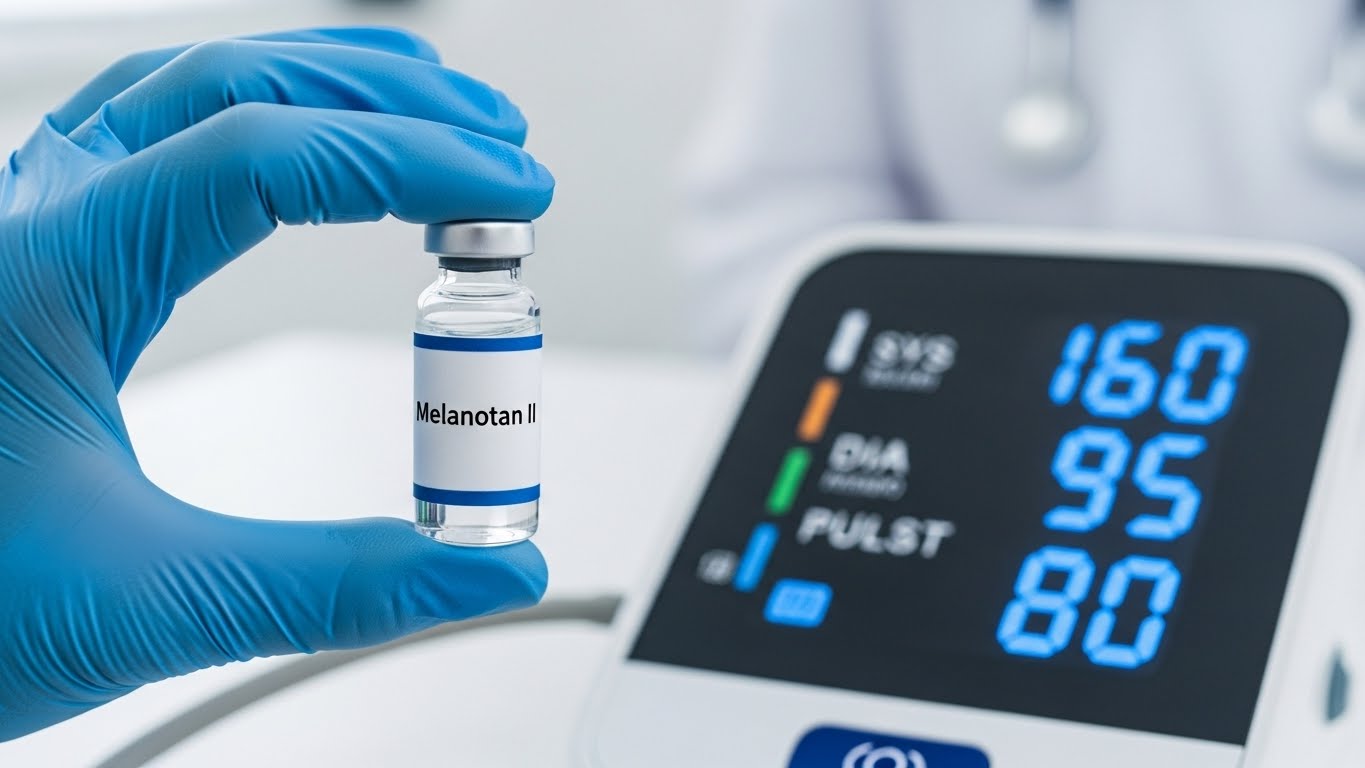
Can you take too much Melanotan? This is a critical question that anyone considering or currently using this tanning peptide needs to understand.
Yes, you can absolutely take too much Melanotan. A documented medical case from 2012 showed that a single 6mg injection of Melanotan II resulted in systemic toxicity, rhabdomyolysis (muscle breakdown), and kidney dysfunction requiring ICU admission.
I’ve spent considerable time researching the medical literature on Melanotan overdoses, and the findings are concerning. Unlike regulated medications with established safety profiles, Melanotan exists in a gray area where dosing guidelines come primarily from user experimentation rather than clinical trials.
In this guide, I’ll cover what constitutes too much Melanotan, the warning signs of overdose, documented complications from medical case studies, and what to do if you’ve taken too much. This information could be lifesaving for anyone using these unregulated peptides.
Important Safety Notice: Melanotan is not FDA-approved for any use. It is an unregulated peptide with significant health risks. This article is for educational purposes only and does not encourage the use of Melanotan.
ContentsTable of Contents
- 1What Is Melanotan?→
- 2Melanotan Variants Comparison→
- 3How Melanotan Works in Your Body?→
- 4Recommended Melanotan Dosage (From Clinical Research)→
- 5Typical User Protocols (Not Medical Advice)→
- 6Signs You’ve Taken Too Much Melanotan→
- 7Melanotan Symptom Severity Table→
- 8Detailed Symptom Breakdown→
- 9Timeline of Symptom Onset After Overdose→
- 10Serious Melanotan Overdose Complications→
- 11The 6mg Overdose Case Study→
- 12Kidney Damage and Renal Dysfunction→
- 13Cardiovascular Complications→
- 14Priapism→
- 15Long-Term Risks and Melanoma Concerns→
- 16What to Do If You’ve Taken Too Much Melanotan?→
- 17Immediate Steps→
- 18When to Call Emergency Services (911)?→
- 19What to Expect at the Hospital?→
- 20FDA and Regulatory Warnings About Melanotan→
- 21United States (FDA)→
- 22Australia (TGA)→
- 23Ireland (HPRA)→
- 24Frequently Asked Questions→
- 25Can you overdose on Melanotan?→
- 26What is a safe Melanotan dosage?→
- 27Does Melanotan 2 affect the kidneys?→
- 28What is the difference between Melanotan 1 and 2?→
- 29Is Melanotan 2 FDA approved?→
- 30How long do Melanotan side effects last?→
- 31The Bottom Line on Melanotan Safety→
What Is Melanotan?
Melanotan is a synthetic peptide that mimics alpha-melanocyte-stimulating hormone (alpha-MSH), causing the skin to produce melanin and tan without sun exposure.
There are actually several variants you should understand. The confusion between them can lead to dosing errors and potential overdose situations.
Melanotan Variants Comparison
| Variant | Also Known As | Primary Effects | Side Effect Profile |
|---|---|---|---|
| Melanotan I | Afamelanotide, MT-I | Skin tanning only | Lower side effects, more selective |
| Melanotan II | MT-II, MT2, Barbie drug | Skin tanning, sexual arousal, appetite suppression | Higher side effects, less selective |
| PT-141 | Bremelanotide | Sexual function only (derived from MT-II) | Moderate side effects, specific action |
Melanotan II is the more commonly used and more problematic variant. According to research published in the Journal of Clinical Medicine, MT-II was found to increase skin pigmentation at lower cumulative doses than Melanotan I, but it also produces significantly more side effects including nausea, drowsiness, and spontaneous erections.
The key difference is selectivity. Melanotan I primarily targets MC1R receptors in the skin. Melanotan II activates multiple melanocortin receptors throughout the body, which explains its broader effects and higher risk profile.
Originally developed at the University of Arizona in the 1980s, Melanotan was intended as a potential treatment for skin conditions and to provide sun protection. However, it has never received FDA approval for any medical use.
How Melanotan Works in Your Body?
Understanding Melanotan’s mechanism of action helps explain why overdoses can be so dangerous.
When you inject Melanotan, it travels through your bloodstream and binds to melanocortin receptors. The process unfolds in several stages:
- Receptor Binding: Melanotan attaches to MC1R receptors on melanocyte cells in your skin
- Signal Activation: This triggers a cascade of cellular signals promoting melanin production
- Melanin Synthesis: Your skin cells begin producing eumelanin, the dark pigment responsible for tanning
- Systemic Effects: MT-II also activates MC3R and MC4R receptors in the brain, affecting appetite and sexual function
Melanocortin Receptors: A family of receptors found throughout the body that regulate pigmentation, appetite, sexual function, and cardiovascular activity. Melanotan II’s non-selective binding to these receptors causes its wide range of effects and side effects.
The problem with overdose becomes clear when you consider this mechanism. Taking too much Melanotan overstimulates these receptor systems. The sympathomimetic effects (similar to stimulant drugs) can cause rapid heart rate, blood pressure changes, and potentially dangerous cardiovascular stress.
Effects typically begin within 1-2 hours of injection and can last 4-8 hours for a normal dose. With excessive doses, symptoms may persist for 24-48 hours or longer.
Recommended Melanotan Dosage (From Clinical Research)
According to Phase I clinical studies published on PubMed, the recommended single MT-II dose for research purposes is 0.025 mg/kg/day.
For a 70kg (154 lb) person, this translates to approximately 1.75mg per day. Most online user protocols suggest even lower starting doses of 0.25-0.5mg to assess tolerance.
Typical User Protocols (Not Medical Advice)
| Phase | Typical Dose Range | Duration | Purpose |
|---|---|---|---|
| Initial Testing | 0.25-0.5mg | 1-2 days | Assess tolerance and reaction |
| Loading Phase | 0.5-1.0mg daily | 1-2 weeks | Build up pigmentation |
| Maintenance | 0.5-1.0mg weekly | Ongoing | Maintain tan |
Critical Warning: These dosing protocols come from user communities, not clinical trials. Because Melanotan is unregulated, product purity and actual peptide content cannot be verified. What you think is 1mg may contain significantly more or less active peptide.
The documented overdose case involved a 6mg injection, which is roughly 6 times higher than typical loading doses. However, side effects and complications can occur at lower doses as well.
Individual sensitivity varies considerably. Some users report significant side effects at 0.5mg, while others tolerate higher doses. There is no way to predict your individual response without risking adverse effects.
Signs You’ve Taken Too Much Melanotan
Recognizing the signs of Melanotan overdose early can help you seek appropriate medical care before serious complications develop.
Based on research from medical case reports and regulatory warnings from the TGA and HPRA, I’ve categorized symptoms by severity:
Melanotan Symptom Severity Table
| Severity | Symptoms | Onset | Action Required |
|---|---|---|---|
| Mild | Nausea, facial flushing, yawning, decreased appetite, mild fatigue | 15-60 minutes | Monitor at home; symptoms usually resolve in 4-8 hours |
| Moderate | Vomiting, severe flushing, dizziness, rapid heartbeat, prolonged erection (in men), intense fatigue | 30 minutes – 2 hours | Consider medical consultation; do not take additional doses |
| Severe | Chest pain, severe tachycardia, muscle pain/weakness, dark urine, confusion, priapism lasting over 4 hours | 1-6 hours | Seek emergency medical care immediately |
Detailed Symptom Breakdown
Mild symptoms occur in the majority of Melanotan users, even at recommended doses. Nausea is reported by approximately 80% of users during initial dosing. These effects typically diminish with continued use as the body develops tolerance.
Moderate symptoms suggest you may have taken too much or have heightened sensitivity. Tachycardia (rapid heart rate) and persistent flushing indicate significant cardiovascular stimulation. These symptoms warrant careful monitoring and should prompt you to avoid any additional doses.
Severe symptoms indicate potential systemic toxicity requiring emergency medical attention. Muscle pain combined with dark or cola-colored urine may indicate rhabdomyolysis, a potentially life-threatening condition where muscle tissue breaks down and releases harmful proteins into the bloodstream.
Timeline of Symptom Onset After Overdose
Based on the documented 6mg overdose case and other reports, here is a typical progression:
- 0-30 minutes: Facial flushing, warmth, initial nausea
- 30-60 minutes: Increased heart rate, dizziness, vomiting may begin
- 1-4 hours: Peak effects; cardiovascular symptoms most pronounced
- 4-12 hours: Muscle pain may develop; if rhabdomyolysis occurs, urine darkens
- 12-48 hours: Kidney dysfunction may become apparent; sustained symptoms warrant emergency care
Serious Melanotan Overdose Complications
The most concerning Melanotan overdose complications are documented in medical literature. Understanding these risks is essential for anyone using or considering these peptides.
The 6mg Overdose Case Study
A case report published in Clinical Toxicology (2012) documented a patient who injected 6mg of Melanotan II, approximately six times higher than typical doses.
Within hours, the patient developed:
- Sympathomimetic toxicity (stimulant-like overdose symptoms)
- Tachycardia (rapid heart rate)
- Mydriasis (dilated pupils)
- Rhabdomyolysis with elevated CPK levels
- Acute kidney dysfunction
The patient required ICU admission for monitoring and supportive care. Fortunately, with appropriate treatment, they recovered. However, this case demonstrates how a single excessive dose can cause life-threatening complications.
Rhabdomyolysis: A serious condition where damaged skeletal muscle breaks down rapidly. The muscle fibers release their contents into the bloodstream, including a protein called myoglobin that can damage the kidneys. Symptoms include muscle pain, weakness, and dark (cola-colored) urine.
Kidney Damage and Renal Dysfunction
According to the Australian Therapeutic Goods Administration (TGA), Melanotan II use has been associated with kidney dysfunction and even renal infarction (death of kidney tissue due to blocked blood supply).
The kidney damage can occur through multiple mechanisms:
- Rhabdomyolysis-induced damage: Myoglobin from broken-down muscle clogs kidney tubules
- Direct vascular effects: Changes in blood pressure and vessel constriction may affect kidney blood flow
- Dehydration: Nausea and vomiting can lead to dehydration, stressing the kidneys
Users who experience dark urine, decreased urine output, or lower back pain after Melanotan use should seek immediate medical evaluation for potential kidney involvement.
Cardiovascular Complications
Melanotan’s sympathomimetic effects can cause significant cardiovascular stress. Documented effects include:
- Tachycardia (rapid heart rate above 100 bpm)
- Hypertension (elevated blood pressure)
- Flushing and vasodilation
- Potential arrhythmias in susceptible individuals
Those with pre-existing heart conditions may be at higher risk for serious cardiovascular events when using Melanotan, particularly at higher doses.
Priapism
Priapism, a prolonged and painful erection lasting more than 4 hours, is a documented side effect of Melanotan II. This occurs because the peptide activates melanocortin receptors involved in sexual function.
Priapism is a medical emergency. Without treatment, it can cause permanent damage to penile tissue and erectile dysfunction. Anyone experiencing an erection lasting more than 4 hours after Melanotan use should seek emergency care immediately.
Long-Term Risks and Melanoma Concerns
Beyond acute overdose complications, chronic Melanotan use raises concerns about long-term health effects.
The TGA and multiple dermatology sources warn that Melanotan may:
- Change or darken existing moles (atypical naevi)
- Potentially increase melanoma risk by stimulating melanocyte activity
- Cause new pigmented lesions to develop
- Create melanonychia (darkening of nail beds)
While a direct causal link between Melanotan and melanoma has not been definitively established, the theoretical risk exists. Any users who notice changes in moles, new pigmented spots, or unusual skin changes should consult a dermatologist promptly.
What to Do If You’ve Taken Too Much Melanotan?
If you believe you’ve taken too much Melanotan, taking prompt action may prevent serious complications.
Immediate Steps
- Stop any additional dosing immediately. Do not take more Melanotan under any circumstances.
- Note the time and amount taken. This information is crucial for medical providers.
- Stay hydrated. Drink water to help your kidneys flush any toxins, but don’t over-hydrate.
- Monitor your symptoms. Track heart rate, urine color, and any muscle pain.
- Have someone stay with you. Don’t be alone in case symptoms worsen.
When to Call Emergency Services (911)?
Call 911 or go to the emergency room immediately if you experience:
- Chest pain or severe heart palpitations
- Difficulty breathing
- Severe muscle pain or weakness
- Dark, cola-colored urine
- Confusion or altered mental state
- Erection lasting more than 4 hours
- Fainting or loss of consciousness
- Severe vomiting that prevents hydration
Emergency Guidance: When speaking to emergency services or doctors, be honest about what you took. Tell them: “I injected Melanotan II, a synthetic tanning peptide. I took approximately [X] mg about [X] hours ago.” Provide the product if possible, as it may help with treatment decisions.
What to Expect at the Hospital?
If you require emergency care for Melanotan overdose, medical staff may:
- Run blood tests including kidney function (creatinine, BUN) and CPK levels for rhabdomyolysis
- Provide IV fluids to protect the kidneys and maintain hydration
- Monitor cardiac function with an EKG
- Administer medications to manage symptoms like nausea or rapid heart rate
- Observe you for several hours to ensure symptoms resolve
There is no specific antidote for Melanotan overdose. Treatment is supportive, focusing on managing symptoms and preventing complications.
FDA and Regulatory Warnings About Melanotan
Melanotan is not FDA-approved for any use. The FDA has issued multiple warnings about synthetic melanotropin products sold online.
Key regulatory positions include:
United States (FDA)
The FDA considers Melanotan an unapproved new drug. Selling it for human use is illegal under US law. The FDA has sent warning letters to companies marketing Melanotan products and has seized shipments entering the country.
Australia (TGA)
The Australian Therapeutic Goods Administration has issued direct public warnings stating: “Australians who use tanning products containing melanotan are at risk of serious health problems.” The TGA specifically cites kidney damage, encephalopathy, and melanoma risk.
Ireland (HPRA)
The Health Products Regulatory Authority of Ireland has published safety notices warning of “serious health risks with Melanotan 2 self-tan products,” noting that these products are often sold through unregulated online channels with unknown purity and contamination risks.
Legal Status: In 2026, Melanotan remains a legal gray area in many jurisdictions. It is typically not approved for human use, making its sale illegal in most countries, but personal possession laws vary. Regardless of legal status, the health risks remain significant.
The unregulated nature of Melanotan poses additional overdose risks. Products purchased online may contain more or less peptide than labeled, may be contaminated, or may contain different compounds entirely. This unpredictability makes accurate dosing impossible.
Frequently Asked Questions
Can you overdose on Melanotan?
Yes, you can overdose on Melanotan. A documented medical case showed that a 6mg injection of Melanotan II caused systemic toxicity, rhabdomyolysis (muscle breakdown), and kidney dysfunction requiring ICU admission. Even doses lower than 6mg can cause significant side effects in sensitive individuals. Because Melanotan is unregulated, there is no established safe dose.
What is a safe Melanotan dosage?
According to Phase I clinical research, the studied dose was approximately 0.025 mg/kg/day. However, because Melanotan is not FDA-approved and product purity cannot be verified, no dose can be considered truly safe. Most user protocols suggest starting with 0.25-0.5mg to assess tolerance, but adverse effects can occur at any dose.
Does Melanotan 2 affect the kidneys?
Yes, Melanotan II can affect the kidneys. According to the Australian TGA, there have been reports of kidney dysfunction and renal infarction (death of kidney tissue) associated with Melanotan use. The documented 6mg overdose case resulted in acute renal dysfunction. Dark urine after Melanotan use may indicate rhabdomyolysis, which can damage the kidneys.
What is the difference between Melanotan 1 and 2?
Melanotan I (afamelanotide) is more selective, primarily targeting MC1R receptors for skin tanning with fewer side effects. Melanotan II is a shorter cyclic variant that activates multiple melanocortin receptors, causing skin tanning plus additional effects including appetite suppression and sexual arousal. MT-II produces skin pigmentation at lower doses but has significantly more side effects including nausea, drowsiness, and spontaneous erections.
Is Melanotan 2 FDA approved?
No, Melanotan II is not FDA-approved for any use. The FDA considers it an unapproved new drug, and selling it for human use is illegal in the United States. Similar regulatory bodies in Australia (TGA), Ireland (HPRA), and other countries have issued warnings about Melanotan products and their health risks.
How long do Melanotan side effects last?
Typical side effects like nausea and flushing usually resolve within 4-8 hours after a normal dose. With overdose, symptoms may persist for 24-48 hours or longer. Serious complications like rhabdomyolysis or kidney dysfunction may require days of medical treatment. Long-term effects such as mole changes may be permanent and require ongoing dermatological monitoring.
The Bottom Line on Melanotan Safety
Yes, you can take too much Melanotan, and the consequences can be severe. The documented 6mg overdose case demonstrates that systemic toxicity, muscle breakdown, and kidney damage are real risks, not theoretical concerns.
Key takeaways from this guide:
- Melanotan II overdose can cause rhabdomyolysis, kidney damage, and cardiovascular complications
- There is no FDA-approved “safe” dose; clinical research used approximately 0.025 mg/kg/day
- Symptoms of overdose include severe nausea, rapid heart rate, muscle pain, and dark urine
- Emergency care is needed for chest pain, dark urine, confusion, or erections lasting over 4 hours
- Melanotan is not approved by the FDA, TGA, or other regulatory bodies for any use
- Unregulated products may contain unknown quantities or contaminants
If you’re considering using Melanotan, understand that you’re taking significant health risks with an unregulated substance. If you’re currently using it and experience concerning symptoms, don’t hesitate to seek medical care. Being honest with healthcare providers about what you’ve taken enables them to provide the best possible treatment.
The safest approach to achieving a tan remains gradual sun exposure with appropriate UV protection, or the use of topical self-tanning products that don’t carry systemic health risks.
Disclaimer: This article is for informational purposes only and does not constitute medical advice. Melanotan is not FDA-approved for any use and carries significant health risks. Always consult a licensed healthcare provider before using any peptides or supplements. If you experience symptoms of overdose, seek emergency medical care immediately.