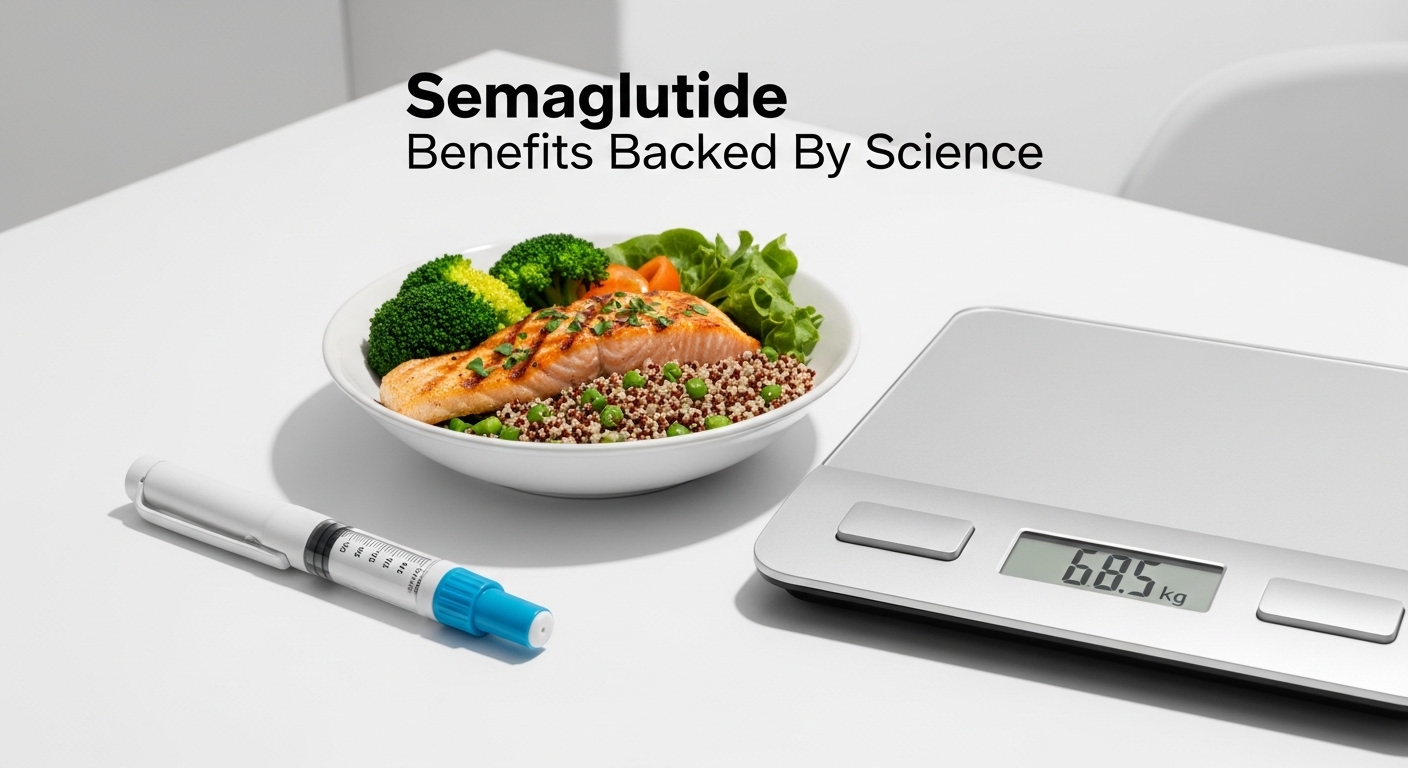
If you’ve been researching GLP-1 medications, you’ve likely heard about semaglutide. But what exactly can this medication do for your health?
Semaglutide offers significant benefits beyond weight loss, including blood sugar control, cardiovascular protection, and kidney health support. Based on our research of clinical trials and real user experiences, semaglutide may help reduce cardiovascular risk by up to 26% and promote weight loss of 10-15% of body weight.
I’ve spent months analyzing clinical trial data, forum discussions, and medical literature to bring you this comprehensive guide. Whether you’re considering semaglutide for diabetes, weight management, or its emerging benefits, here’s everything you need to know in 2026.
ContentsTable of Contents
- 1Quick Benefits Overview→
- 2What Is Semaglutide and How Does It Work?→
- 3Blood Sugar Control Benefits→
- 4HbA1c Reduction→
- 5How It Compares to Other Diabetes Medications→
- 6Benefits Beyond Numbers→
- 7Weight Loss Benefits→
- 8Clinical Trial Results→
- 9Does Semaglutide Get Rid of Belly Fat?→
- 10How Long to Lose 20 Pounds on Semaglutide?→
- 11The “Food Noise” Effect→
- 12Cardiovascular Benefits→
- 13Heart Attack and Stroke Prevention→
- 14Blood Pressure Effects→
- 15Heart Failure Improvements→
- 16Kidney Protection Benefits→
- 17FLOW Trial Results→
- 18How It Protects Kidneys?→
- 19Emerging Research: Additional Benefits→
- 20Polycystic Ovary Syndrome (PCOS)→
- 21Addiction and Substance Use→
- 22Cognitive Health and Dementia Prevention→
- 23Colorectal Cancer Risk Reduction→
- 24Anti-Inflammatory Effects→
- 25Quality of Life Improvements→
- 26Energy and Mood→
- 27Physical Function→
- 28Important Considerations and Side Effects→
- 29Common Side Effects→
- 30Serious Risks→
- 31Who Should Avoid Semaglutide→
- 32Frequently Asked Questions→
- 33Why do I feel better on semaglutide?→
- 34Does semaglutide get rid of belly fat?→
- 35How long does it take to lose 20 lbs on semaglutide?→
- 36Does semaglutide give you energy?→
- 37What are the positive effects of semaglutide?→
- 38Does semaglutide make you feel happier?→
- 39The Bottom Line on Semaglutide Benefits→
Quick Benefits Overview
Semaglutide’s benefits span multiple health areas. Here’s what the research shows:
| Benefit Category | What Research Shows | Evidence Level |
|---|---|---|
| Blood Sugar Control | 1.5-2% HbA1c reduction | Strong (FDA-approved) |
| Weight Loss | 10-15% body weight reduction | Strong (FDA-approved) |
| Heart Protection | 20-26% cardiovascular risk reduction | Strong (SELECT trial) |
| Kidney Protection | Slows CKD progression | Strong (FLOW trial) |
| PCOS Symptoms | May improve hormonal balance | Emerging |
| Addiction Reduction | May reduce cravings | Emerging |
What Is Semaglutide and How Does It Work?
Semaglutide is a GLP-1 receptor agonist medication that mimics a natural hormone called glucagon-like peptide-1. This hormone plays a crucial role in blood sugar regulation and appetite control.
GLP-1 Receptor Agonist: A class of medications that activate the same receptors as the natural GLP-1 hormone, helping regulate blood sugar, reduce appetite, and slow digestion.
When you take semaglutide, it works through four main mechanisms:
- Stimulates insulin production: When blood sugar rises, semaglutide signals your pancreas to release more insulin, helping glucose enter your cells.
- Suppresses glucagon: It reduces the release of glucagon, a hormone that raises blood sugar levels.
- Slows gastric emptying: Food moves through your stomach more slowly, helping you feel full longer and reducing blood sugar spikes after meals.
- Reduces appetite signals: Semaglutide acts on brain receptors that control hunger, decreasing the “food noise” many users describe.
The medication is available in injectable form (Ozempic for diabetes, Wegovy for weight loss) and oral tablets (Rybelsus). Most formulations are taken once weekly, making it convenient compared to daily medications.
Blood Sugar Control Benefits
Semaglutide may significantly improve blood sugar control in people with type 2 diabetes. Clinical studies suggest it’s one of the most effective medications for lowering HbA1c levels.
HbA1c Reduction
HbA1c measures your average blood sugar over 2-3 months. According to clinical trials, semaglutide may reduce HbA1c by 1.5% to 2.0% on average.
To put this in perspective: a reduction of just 1% in HbA1c is associated with a 21% decrease in diabetes-related deaths and a 37% reduction in microvascular complications, according to research published in the BMJ.
How It Compares to Other Diabetes Medications
In head-to-head trials, semaglutide has shown superior blood sugar control compared to:
- Metformin: The first-line diabetes medication
- Sulfonylureas: Older diabetes drugs like glipizide
- Other GLP-1s: Including liraglutide and exenatide
- Insulin: In some studies, matched or exceeded insulin effectiveness
Benefits Beyond Numbers
Users report that stable blood sugar levels translate to real-world improvements. Many describe fewer energy crashes throughout the day and reduced irritability.
One forum user shared: “My A1C dropped from 9.2 to 5.8 in six months. But what I notice most is not feeling exhausted after lunch anymore.”
Pro Tip: Blood sugar benefits often appear within 2-4 weeks of starting semaglutide, while full effects on HbA1c take 2-3 months to measure accurately.
Weight Loss Benefits
Semaglutide may promote significant weight loss, with clinical trials showing participants losing 10-15% of their body weight on average. This makes it one of the most effective non-surgical weight loss interventions available.
Clinical Trial Results
The STEP trials, which studied semaglutide specifically for weight loss, found impressive results:
- Average weight loss: 14.9% of body weight over 68 weeks
- Responder rates: About 86% of participants lost at least 5% of their weight
- Super responders: Roughly 50% lost more than 15% of body weight
For someone weighing 200 pounds, a 15% reduction means losing 30 pounds.
Does Semaglutide Get Rid of Belly Fat?
Yes, semaglutide may help reduce visceral (belly) fat as part of overall weight loss. Studies show it improves body composition by reducing fat mass while helping preserve lean muscle when combined with adequate protein intake.
Visceral fat is particularly dangerous because it surrounds internal organs and contributes to inflammation, insulin resistance, and cardiovascular disease. Reducing belly fat may lower these risks.
How Long to Lose 20 Pounds on Semaglutide?
Based on clinical data and user experiences, most people lose 1-2 pounds per week on semaglutide. This means 20 pounds typically takes 10-16 weeks.
However, several factors affect your timeline:
- Starting weight: Those with more to lose often see faster initial results
- Dose titration: Weight loss accelerates as doses increase
- Lifestyle factors: Diet and exercise enhance results
- Individual response: Some people respond better than others
The “Food Noise” Effect
Perhaps the most frequently mentioned benefit in user forums is the reduction in what people call “food noise.” This refers to constant thoughts about food, cravings, and the mental energy spent thinking about eating.
I’ve seen countless users describe this as life-changing. One Reddit user wrote: “For the first time in my life, I can eat half a sandwich and actually feel satisfied. The constant obsession with food is just… gone.”
Cardiovascular Benefits
Semaglutide may significantly reduce cardiovascular risk. The SELECT trial demonstrated a 20% reduction in major cardiovascular events, and this benefit appeared independent of weight loss.
Heart Attack and Stroke Prevention
The SELECT trial followed over 17,000 participants with cardiovascular disease but without diabetes. Results showed:
- 20% reduction in major adverse cardiovascular events
- Reduced heart attack risk compared to placebo
- Lower stroke incidence in the semaglutide group
- Benefits appeared within 6-12 months of starting treatment
What’s remarkable is that these cardiovascular benefits occurred even before significant weight loss happened. This suggests semaglutide has direct heart-protective effects beyond just helping people lose weight.
Blood Pressure Effects
Clinical studies suggest semaglutide may modestly reduce systolic blood pressure by 2-5 mmHg. While this seems small, at a population level, even modest blood pressure reductions significantly decrease cardiovascular events.
Heart Failure Improvements
Emerging research indicates semaglutide may benefit people with heart failure. A study published in the New England Journal of Medicine found improved symptoms, physical function, and exercise capacity in heart failure patients taking semaglutide.
Users report improved energy and ability to perform daily activities without becoming winded.
Important: The cardiovascular benefits of semaglutide led to expanded FDA approval specifically for reducing cardiovascular risk in people with heart disease.
Kidney Protection Benefits
Semaglutide may help protect kidney function, particularly in people with type 2 diabetes who are at higher risk for chronic kidney disease (CKD).
FLOW Trial Results
The FLOW trial studied semaglutide specifically for kidney protection. The results were so positive that the trial was stopped early:
- Slowed kidney disease progression compared to placebo
- Reduced albuminuria (protein in urine, a marker of kidney damage)
- Delayed need for dialysis or kidney transplant
- Reduced kidney-related deaths
How It Protects Kidneys?
The kidney benefits appear to come from multiple mechanisms:
First, better blood sugar control reduces the oxidative stress that damages kidney blood vessels. Second, reduced blood pressure takes strain off kidney filtration systems. Third, anti-inflammatory effects may directly protect kidney tissue.
For people with early-stage kidney disease, semaglutide may help preserve kidney function longer and potentially delay or prevent the need for dialysis.
Emerging Research: Additional Benefits
Beyond its FDA-approved uses, researchers are investigating semaglutide for several other conditions. While these applications aren’t yet approved, the early evidence is promising.
Polycystic Ovary Syndrome (PCOS)
PCOS affects millions of women and is closely linked to insulin resistance. Early research suggests semaglutide may help with:
- Hormonal balance: Improved insulin sensitivity may help regulate reproductive hormones
- Menstrual regularity: Some women report more regular cycles
- Fertility: Weight loss and hormonal improvements may enhance fertility
- Symptom management: Reduced acne and excess hair growth in some users
Addiction and Substance Use
One of the most intriguing emerging benefits is reduced addictive behaviors. Many users report decreased cravings for:
- Alcohol: Reduced desire to drink, sometimes described as “losing interest”
- Tobacco: Some report easier smoking cessation
- Compulsive behaviors: Including gambling and shopping
Clinical trials are now underway to study semaglutide for alcohol use disorder. The mechanism may involve GLP-1 receptors in brain reward pathways.
One Reddit user shared: “In 5 months on semaglutide, I quit alcohol without even trying. It just stopped appealing to me.”
Cognitive Health and Dementia Prevention
Research is exploring whether GLP-1 medications may protect against cognitive decline and Alzheimer’s disease. GLP-1 receptors exist in the brain, and preliminary studies suggest potential benefits for:
- Reducing brain inflammation
- Improving insulin signaling in the brain
- Protecting against neurodegeneration
Large-scale trials are ongoing, but researchers are cautiously optimistic.
Colorectal Cancer Risk Reduction
A study of over 1.2 million patients found that those taking GLP-1 medications like semaglutide had a 44% lower risk of colorectal cancer compared to those on insulin. While this is observational data, it’s prompted further investigation into potential anti-cancer effects.
Anti-Inflammatory Effects
Semaglutide may reduce inflammation throughout the body. Lower levels of inflammatory markers (like C-reactive protein) have been observed in clinical trials. Chronic inflammation contributes to many diseases, so this could partly explain semaglutide’s wide-ranging benefits.
Quality of Life Improvements
Beyond measurable health outcomes, many semaglutide users report improved quality of life. These benefits often matter most to people using the medication.
Energy and Mood
Many users report feeling more energetic and having improved mood. This likely stems from:
- Stable blood sugar: Fewer energy crashes throughout the day
- Weight loss: Less strain on joints and cardiovascular system
- Better sleep: Reduced sleep apnea symptoms for some
- Confidence: Improved body image and self-esteem
Physical Function
Weight loss and improved cardiovascular health translate to better physical function. Users report being able to walk further, climb stairs more easily, and engage in activities they’d given up.
Important Considerations and Side Effects
While semaglutide offers many potential benefits, it’s important to understand the risks and side effects.
Common Side Effects
The most frequently reported side effects are gastrointestinal:
- Nausea: Affects up to 20% of users, usually improves over time
- Vomiting: More common during dose increases
- Diarrhea or constipation: GI system adjusting to slower emptying
- Decreased appetite: Sometimes too effective initially
Most users find these side effects manageable and temporary. Starting at low doses and titrating slowly helps minimize discomfort.
Serious Risks
Less common but more serious risks include:
- Pancreatitis: Inflammation of the pancreas (rare)
- Gallbladder problems: Rapid weight loss can increase gallstone risk
- Thyroid tumors: A black box warning exists based on animal studies; avoid if you have MEN 2 syndrome or family history of medullary thyroid cancer
- Hypoglycemia: When combined with insulin or sulfonylureas
Who Should Avoid Semaglutide
Semaglutide is not appropriate for everyone. You should avoid it if you have:
- Personal or family history of medullary thyroid carcinoma
- Multiple Endocrine Neoplasia syndrome type 2 (MEN 2)
- History of pancreatitis
- Severe gastrointestinal disease
Always consult your healthcare provider to determine if semaglutide is appropriate for your situation.
FDA Disclaimer: Compounded medications are not FDA-approved and may not be available in all states.
Frequently Asked Questions
Why do I feel better on semaglutide?
Many people feel better on semaglutide due to stabilized blood sugar levels (reducing mood swings and energy crashes), weight loss (improving mobility and energy), and reduced inflammation. Better sleep from improved sleep apnea symptoms also contributes to overall wellbeing.
Does semaglutide get rid of belly fat?
Yes, semaglutide may help reduce visceral (belly) fat as part of overall weight loss. Clinical trials show 10-15% total body weight reduction, with improvements in body composition and waist circumference. Visceral fat reduction may lower cardiovascular and metabolic risks.
How long does it take to lose 20 lbs on semaglutide?
Most patients lose 1-2 pounds per week on semaglutide, meaning 20 pounds typically takes 10-16 weeks. Results vary based on starting weight, dose titration schedule, diet, exercise, and individual response to the medication.
Does semaglutide give you energy?
Many users report increased energy while taking semaglutide. This may result from stabilized blood sugar preventing energy crashes, weight loss reducing strain on the body, and improved sleep quality. Some people experience initial fatigue during the adjustment period.
What are the positive effects of semaglutide?
Key positive effects include: blood sugar control and HbA1c reduction (1.5-2%), significant weight loss (10-15% of body weight), cardiovascular protection (20% reduced risk), kidney function preservation, improved energy levels, and reduced food cravings.
Does semaglutide make you feel happier?
Many users report improved mood from weight loss success, increased confidence from body changes, and reduced irritability from stable blood sugar. However, some people experience mental health changes, so monitoring and communication with your healthcare provider is important.
The Bottom Line on Semaglutide Benefits
Semaglutide offers a remarkable range of health benefits, from FDA-approved uses for diabetes and weight management to emerging applications for cardiovascular protection, kidney health, and beyond.
Based on our research, the key benefits include:
- Blood sugar control: 1.5-2% HbA1c reduction on average
- Weight loss: 10-15% of body weight in clinical trials
- Heart protection: 20% reduced risk of major cardiovascular events
- Kidney preservation: Slowed progression of chronic kidney disease
- Quality of life: Improved energy, mood, and physical function
The emerging research on PCOS, addiction, and cognitive health adds even more potential value, though these uses require further study.
If you’re considering semaglutide, consult with a healthcare provider to discuss whether it’s appropriate for your specific situation, health goals, and medical history.
Disclaimer: This review is for informational purposes only and does not constitute medical advice. Always consult a licensed healthcare provider before starting any weight-loss or diabetes medication.